In late September and early October, 2011, Jane McGary, Diane Whitehead and Don Jones, and Eugene Zielinski made a trip to Chile to observe (and photograph) the flowering desert. We started in Santiago and drove as far north as the Taltal area, botanizing primarily along the coast but also visiting some inland areas. 2011 was a special year for the flowering desert. Exceptional midwinter rains, and even some snow, practically guaranteed heavy blooming from the bulbs, annuals, perennials, and shrubs in the desert. We arrived in time to catch many bulbs at the peak of their bloom, although we were too early for several of the Alstroemerias. It should be noted that the flowering desert does not occur every year. Chile's northern coast only gets rain every five years or so, and heavy rains only occur about every ten years. Photographs by Eugene Zielinski.
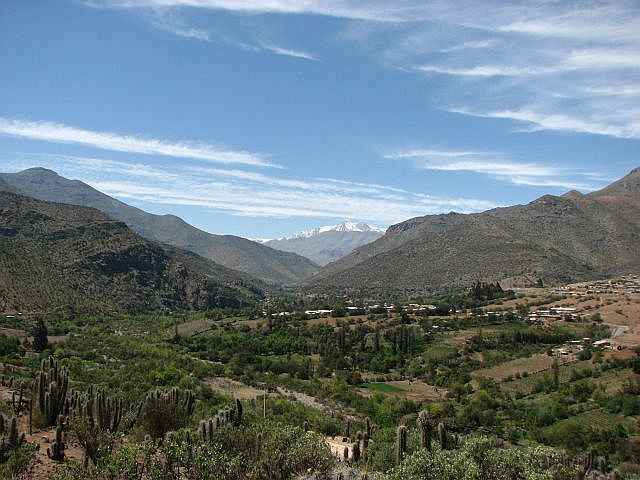
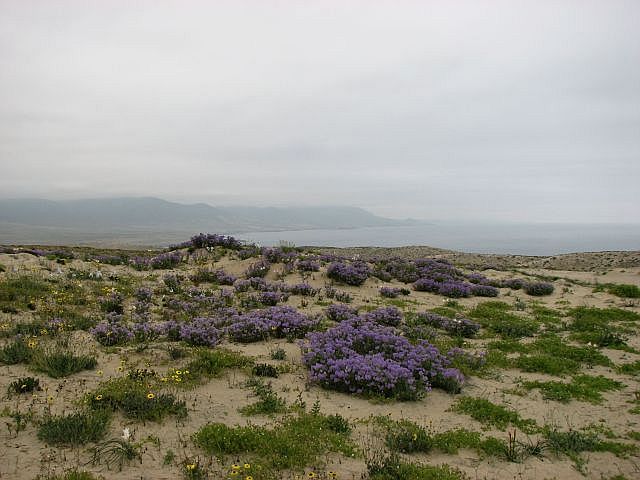
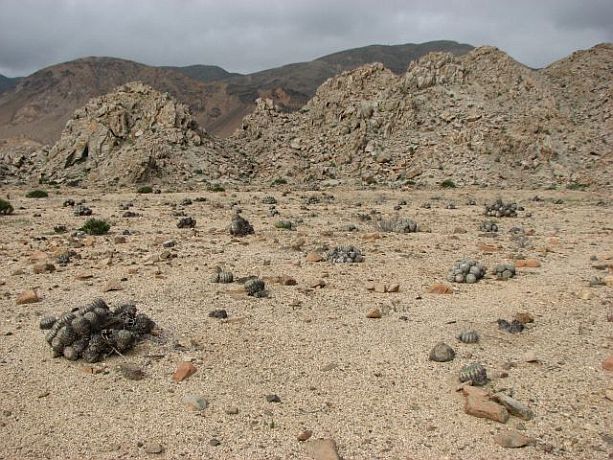
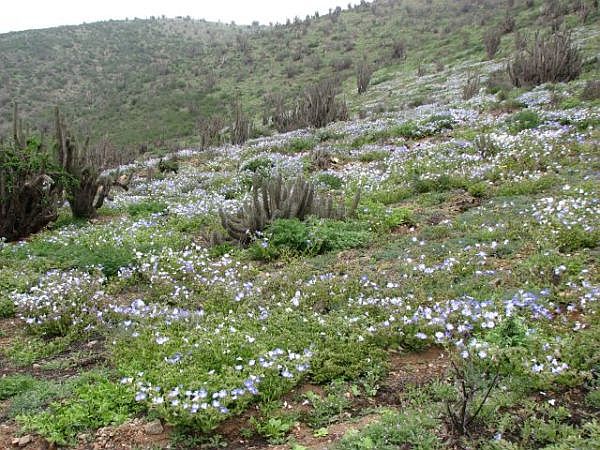
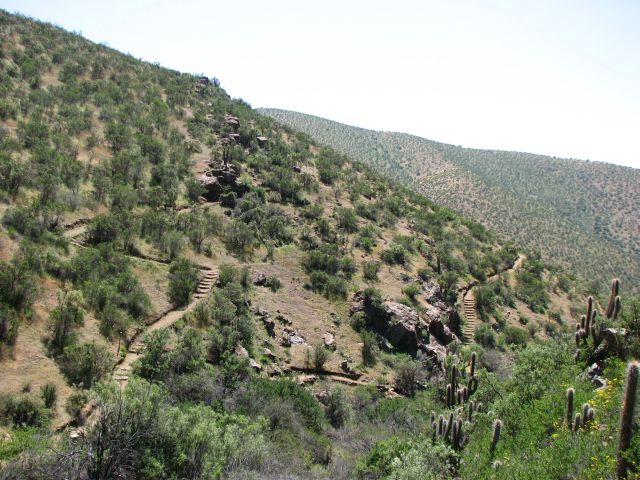
Images below roughly parallel our itinerary, starting at Santiago, proceeding north to Taltal, returning south to Illapel and Los Andes, and visiting Portillo before returning to Santiago for our flights back. Both Reserva Nacional Las Chinchillas and Parque Nacional La Campana are interior sites. All other locations were along the coast.
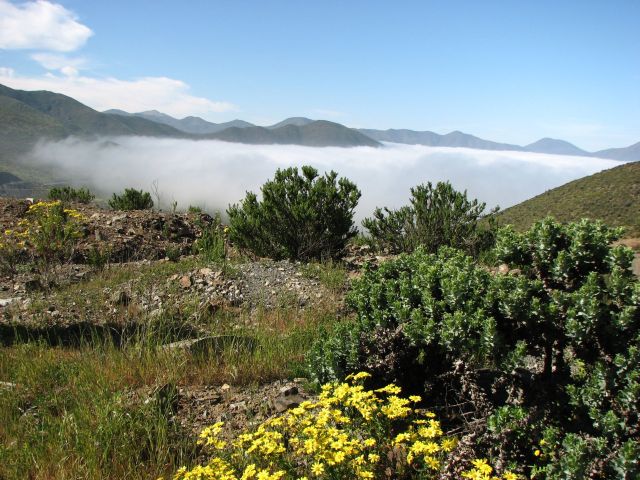
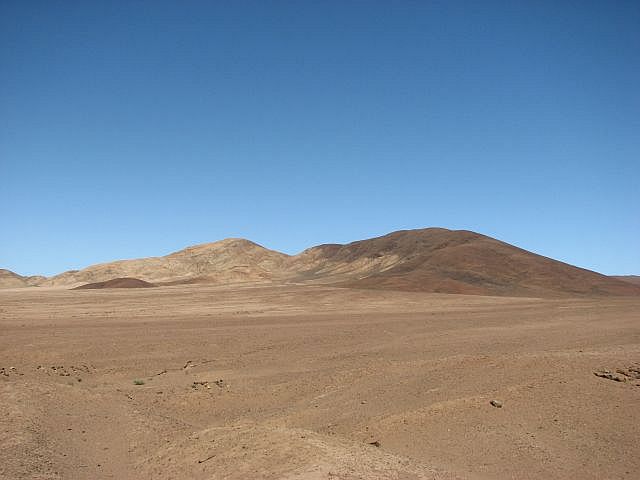
Alstroemeria magnifica growing along Route 5 between La Serena and Huasco.
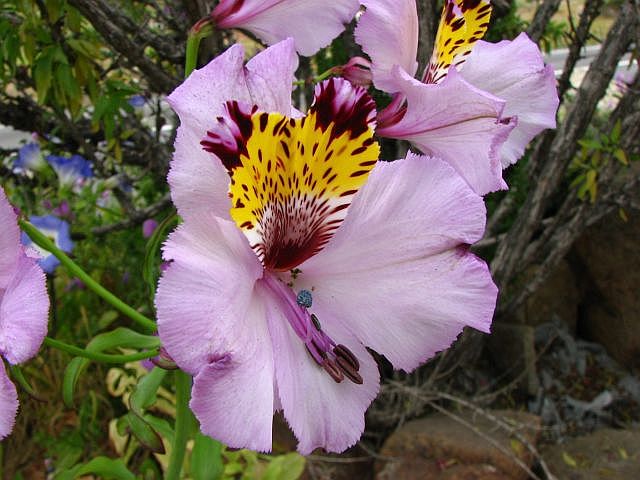
Alstroemeria pelegrina near Pichidangui. The plants grew in a rocky area close to the shore, and were usually less than 12.5 cm (5 inches) tall.

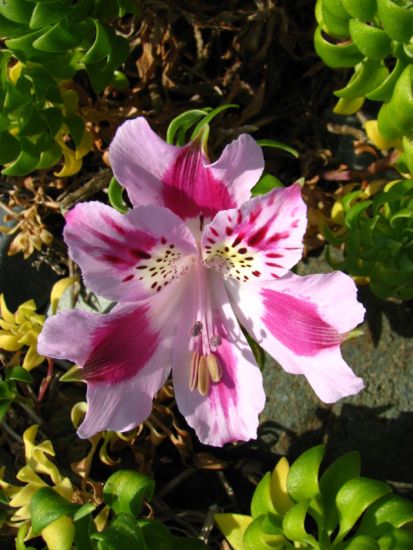
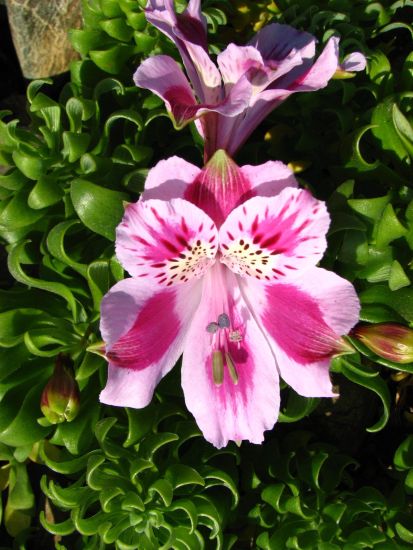
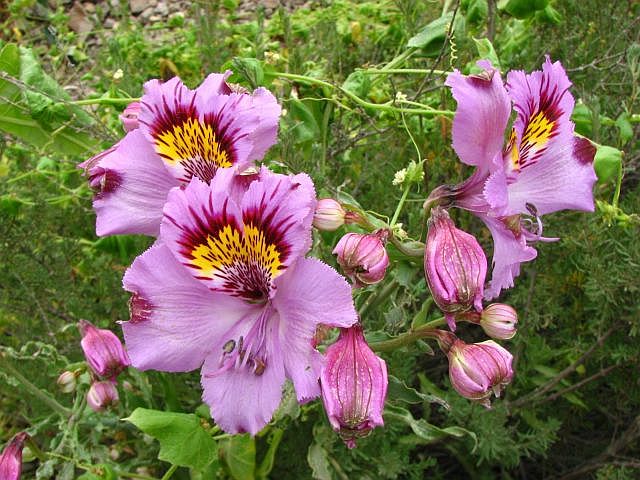
Alstroemeria philippii photographed between Huasco and Carrizalillo.
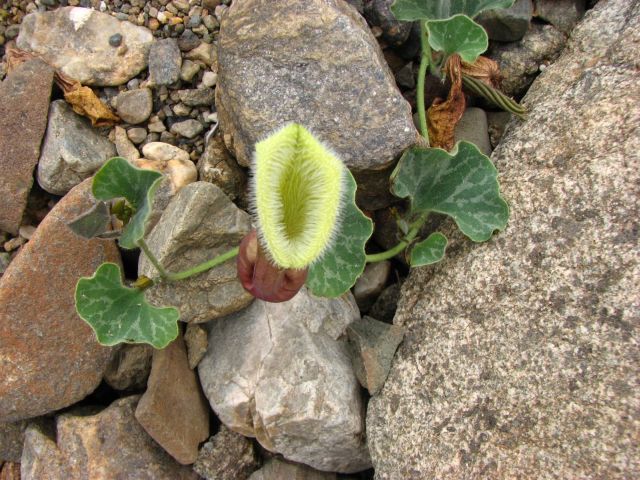
Aristolochia chilensis photographed between Huasco and Carrizalillo. This species trails along ground, producing nicely marked leaves and interesting flowers.
Bipinnula fimbriata, a terrestrial orchid, growing near Los Vilos. Plants were about 30 cm (12 inches) tall.

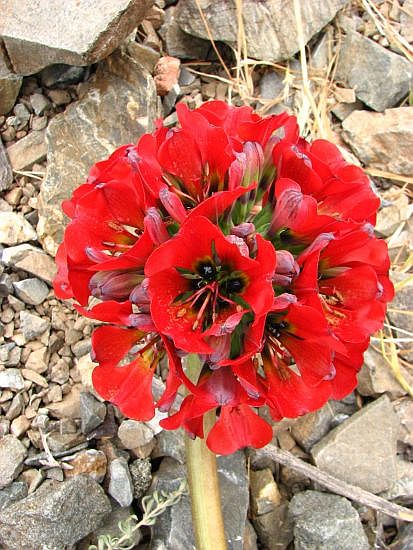
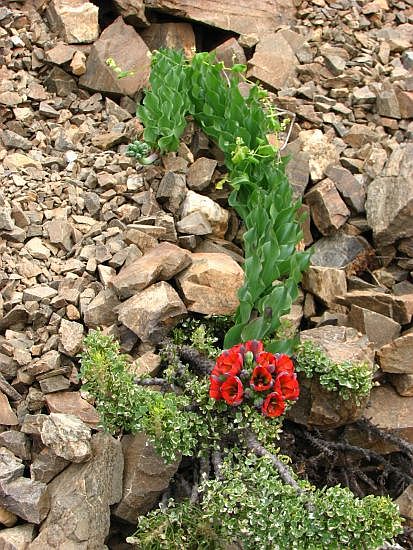
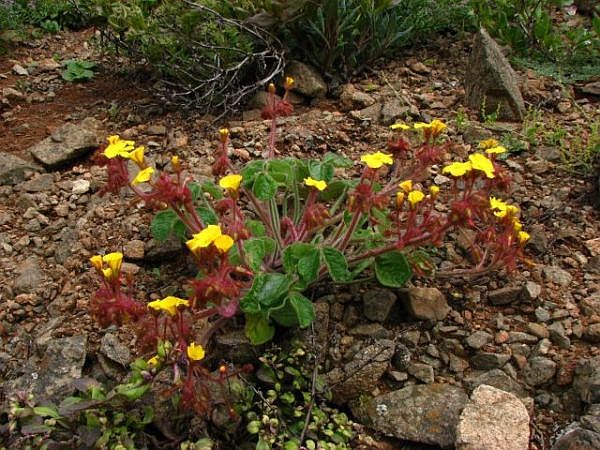
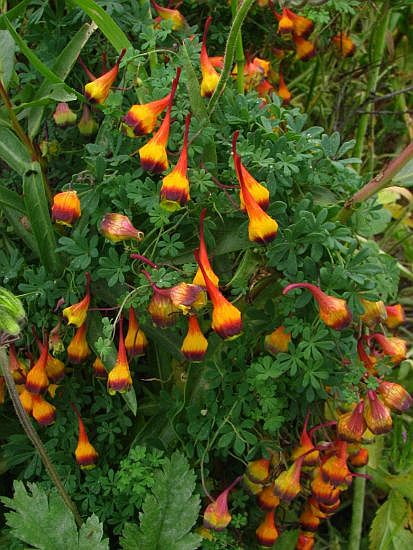
Leontochir ovallei in Parque Nacional Llanos de Challe. Known as Garra de Leon, this plant was one of the best finds of the trip. The last picture shows how the plants trail between and over the rocks.
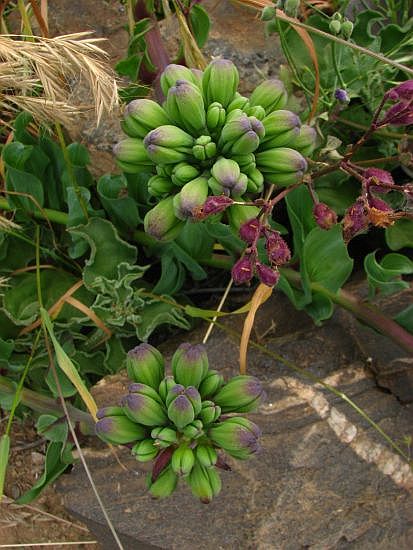

Leucocoryne coquimbensis, a very common plant in the La Serena area. These flowers were photographed along Route 5 between Los Vilos and La Serena.
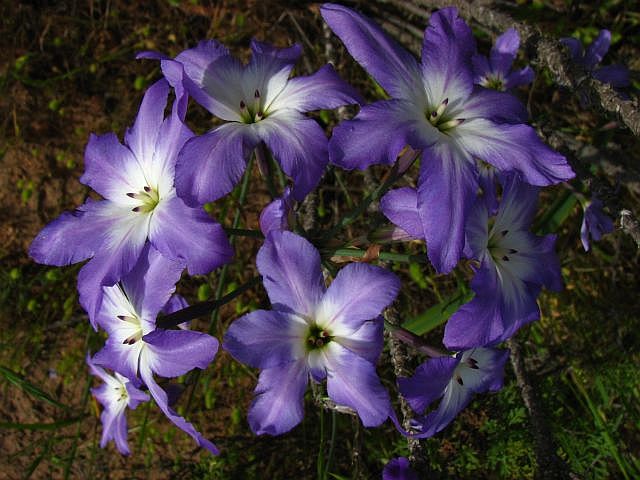
Leucocoryne ixioides was photographed along Route 5 between Los Vilos and La Serena.
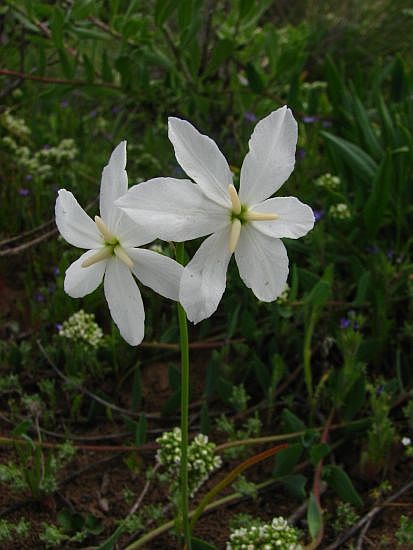
Leucocoryne narcissoides growing near Parque Nacional Llanos de Challe.

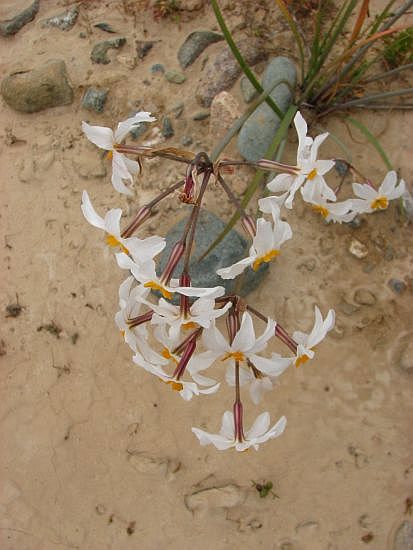

Leucocoryne purpurea near Parque Nacional Fray Jorge.
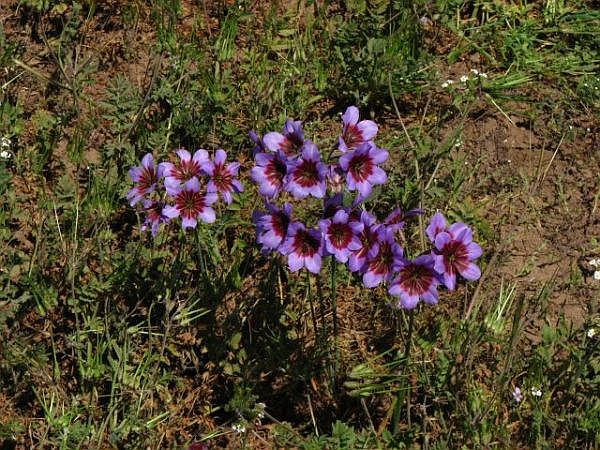
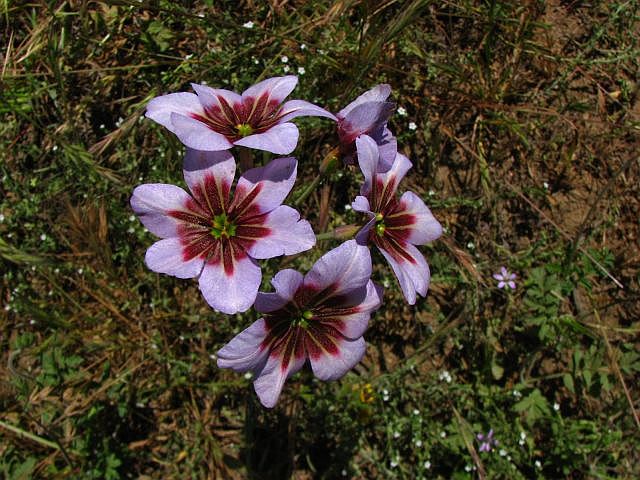
Leucocoryne species that were not identified are shown below. The first three photos are of plants seen between Huasco and Carrizalillo. Photos 2-3 are likely Leucocoryne purpurea or a hybrid. Photo 4 seen near Pichasca National Monument is probably Leucocoryne coquimbensis.
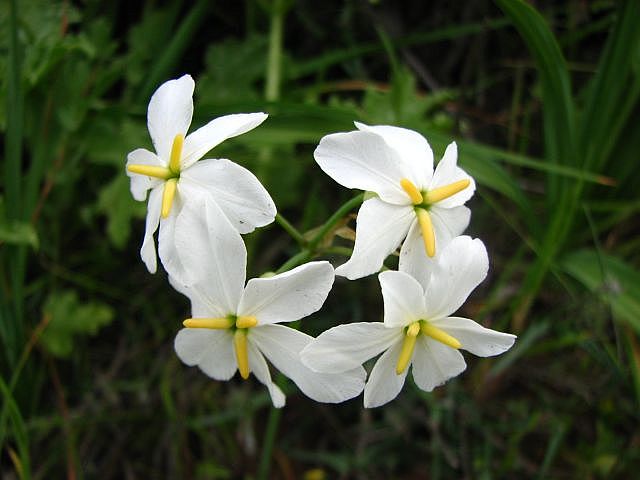
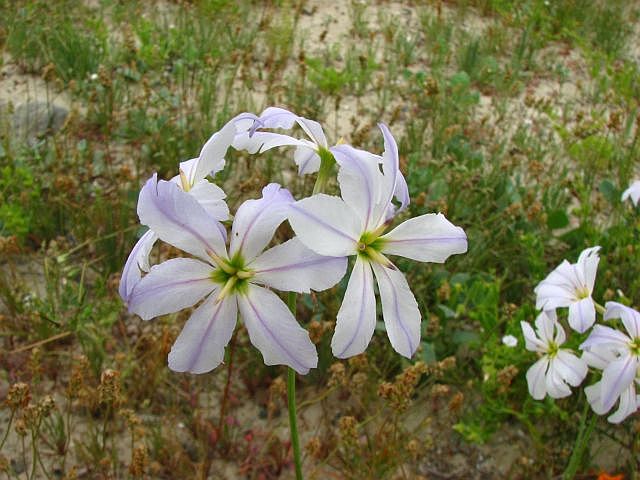
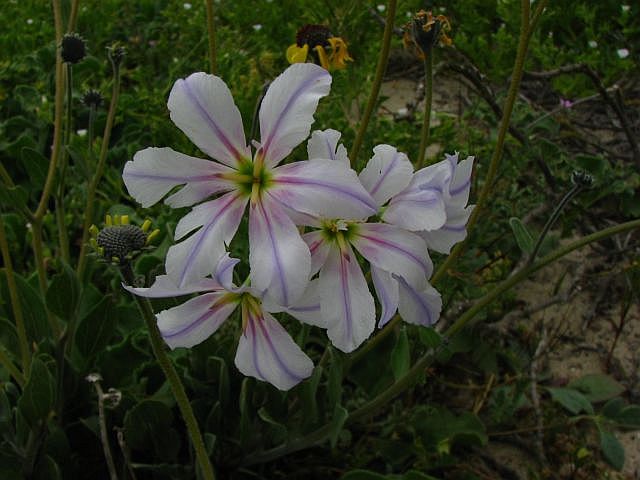
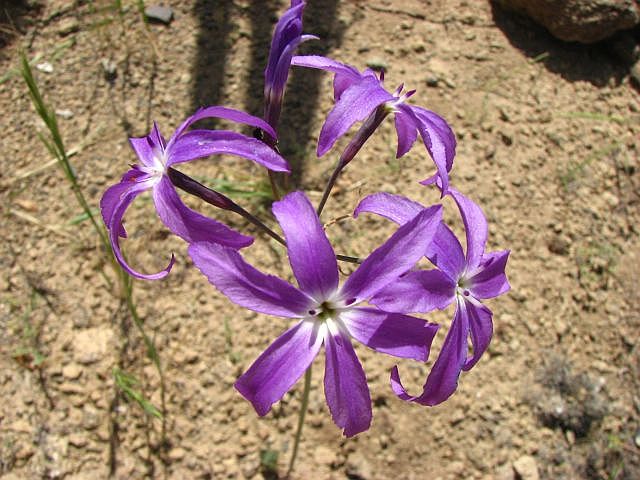
Olsynium scirpoideum, syn. Sisyrinchium scirpoideum at Parque Nacional Fray Jorge.
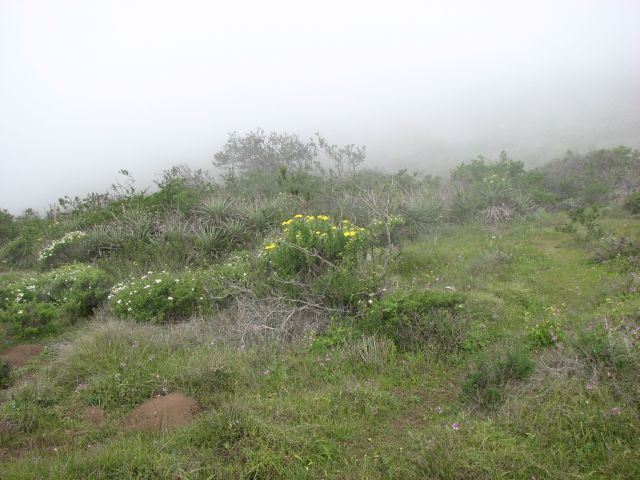

Oxalis gigantea was frequently encountered during the trip. This one was photographed along Route 5 between Los Vilos and La Serena.

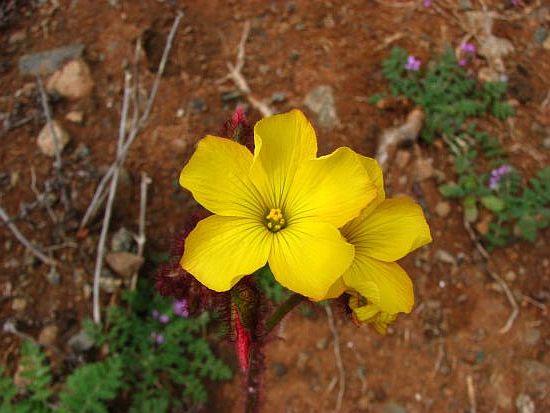
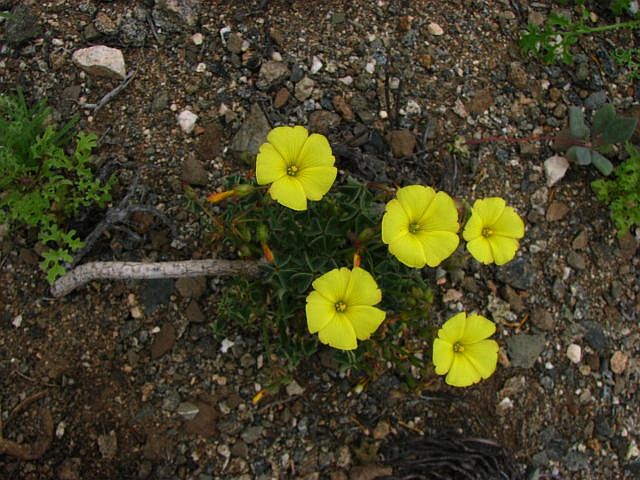
We encountered a number of Oxalis species which we couldn't identify. Some of them are probably tuberous. The first two photos show an interesting Oxalis with fuzzy flowering stems, photographed near Taltal. Photo 3 is of a very small species at the Pichasca National Monument. In photo 4 a plant is growing with an Eriosyce cactus. You can see the tubers in this photo. The plant pictured in the last photo was growing in the Paposo area. The stick to the left of the flowers is actually the plant's trunk. This Oxalis is probably not a geophyte.


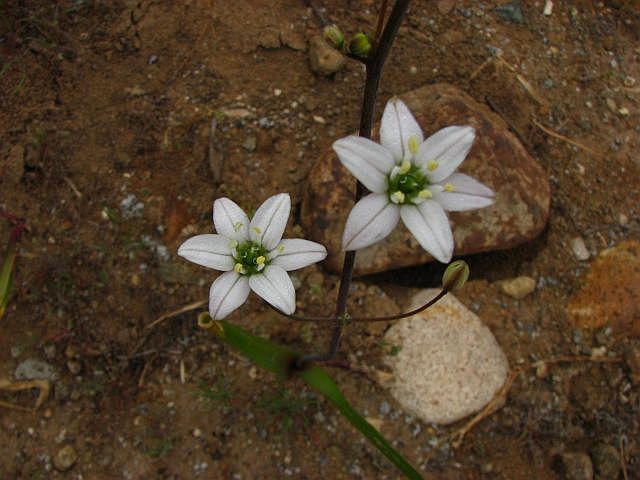
Oziroe biflora, also known as Fortunatia biflora. Photographed along Route 5 between La Serena and Huasco.
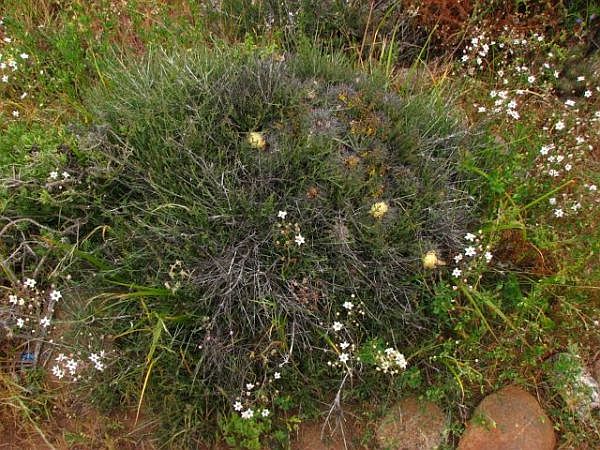
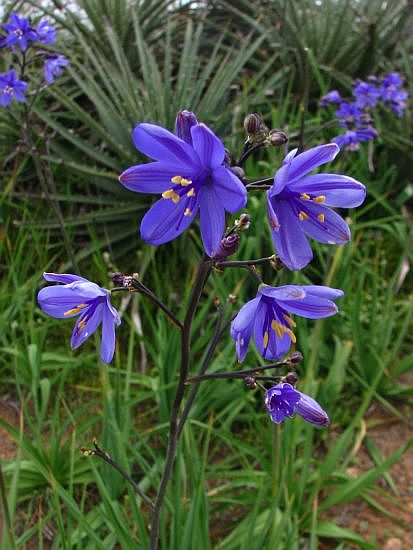
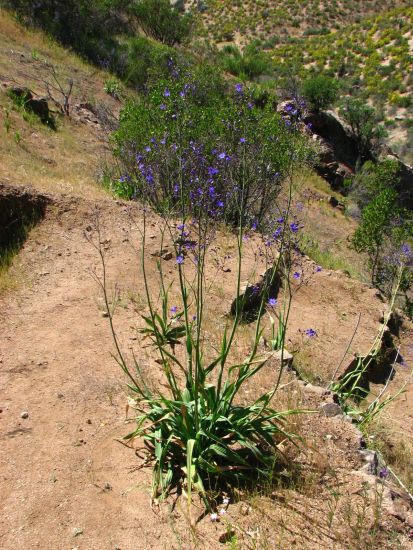
Pasithea caerulea was frequently encountered throughout the trip. Plants tended to be tall, up to 1 meter (3 feet) or more in the interior and much shorter along the coast. The close up of the flowers was photographed at Parque Nacional Fray Jorge; the photo of the plant was taken at Reserva Nacional Las Chinchillas.
Placea amoena at Reserva Nacional Las Chinchillas. Note the cup surrounding the stamens. (I wish the light had been better for photography.)
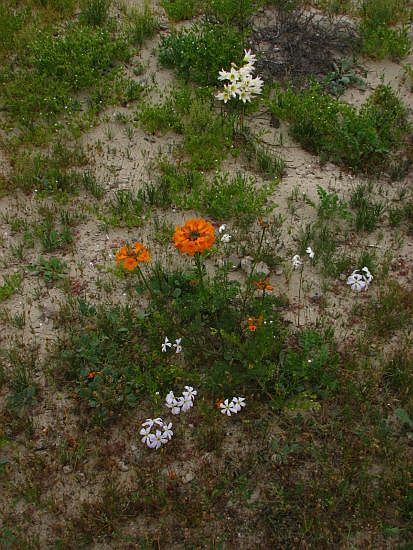
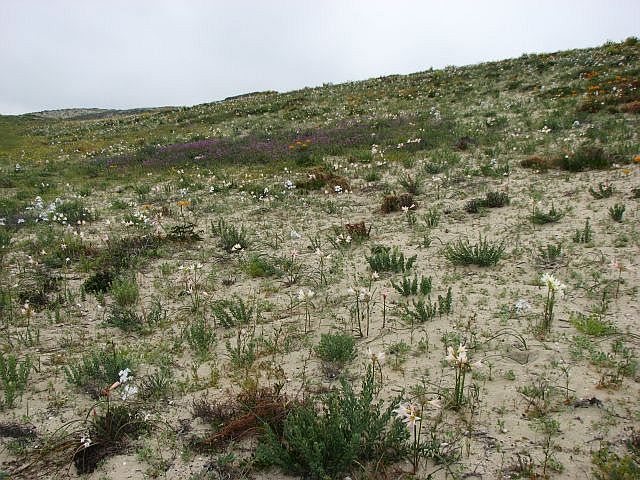
Rhodophiala ananuca grew abundantly in white sands between Huasco and Carrizalillo. Flowers ranged from white to a pronounced pink, usually with darker veins. Photo 1 shows Argylia radiata growing with Rhodophiala and Leucocoryne in the Huasco area.
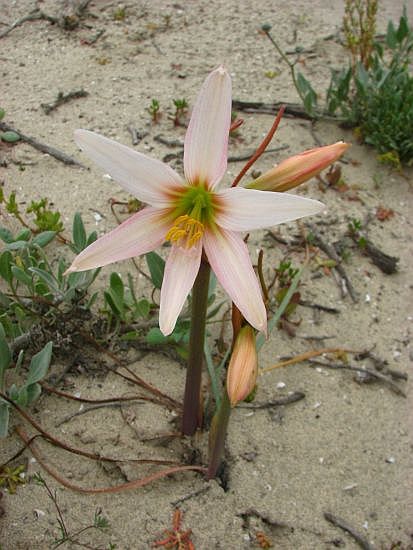
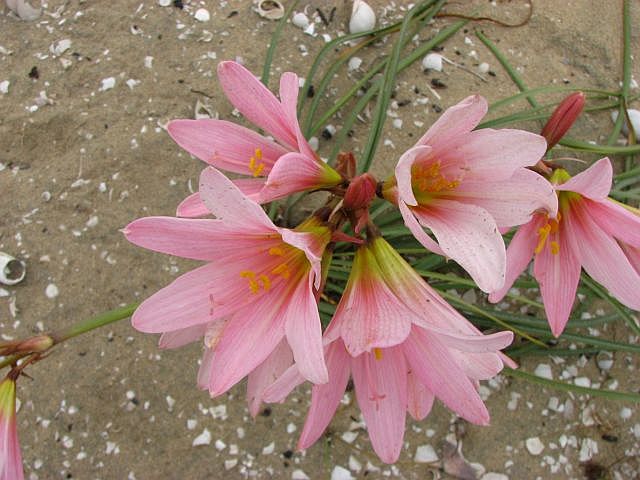
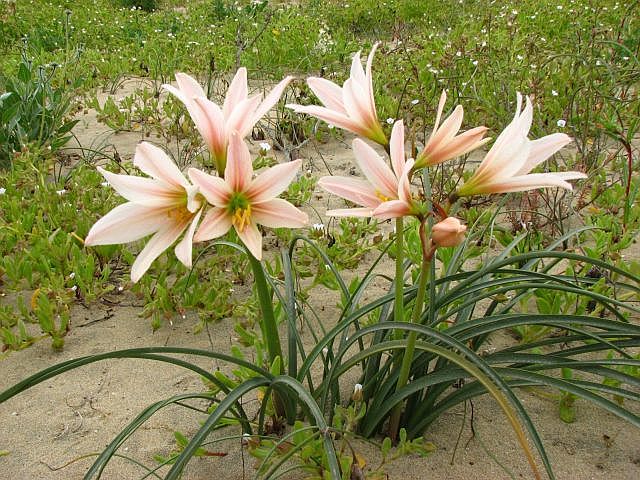
Rhodophiala bagnoldii was abundant in the reddish sands between Huasco and Carrizal Bajo, as well as in a few other areas. There was not much variation in flower color. These were photographed between Huasco and Carrizal Bajo.
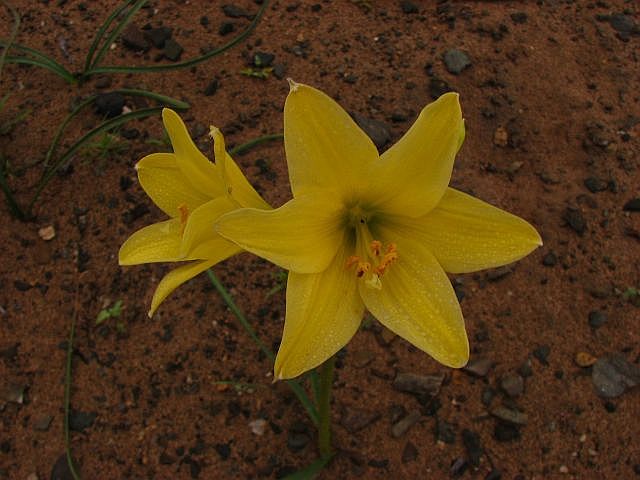

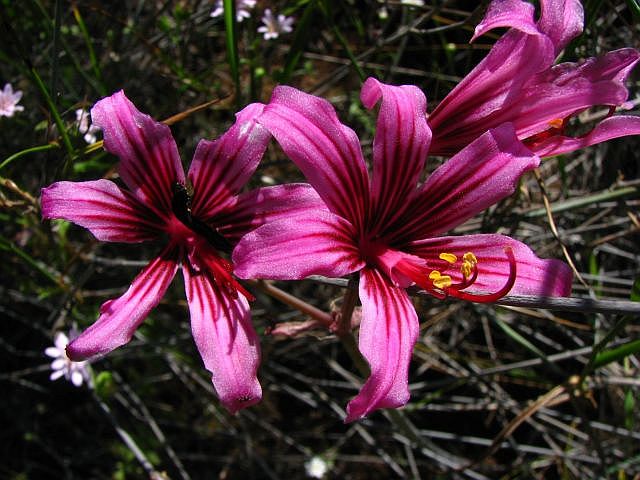
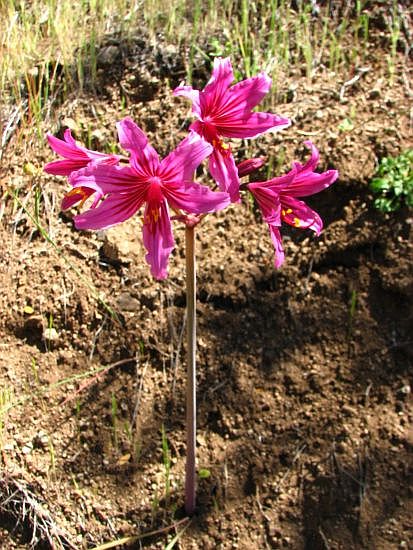
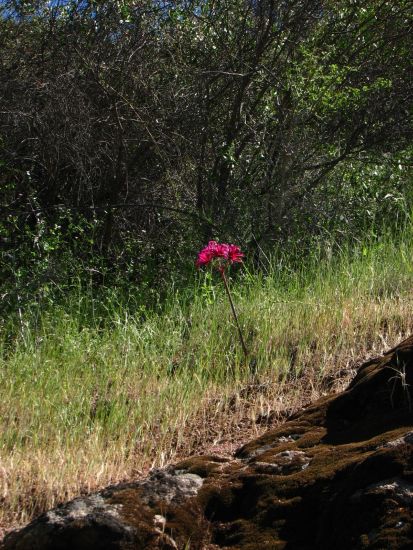
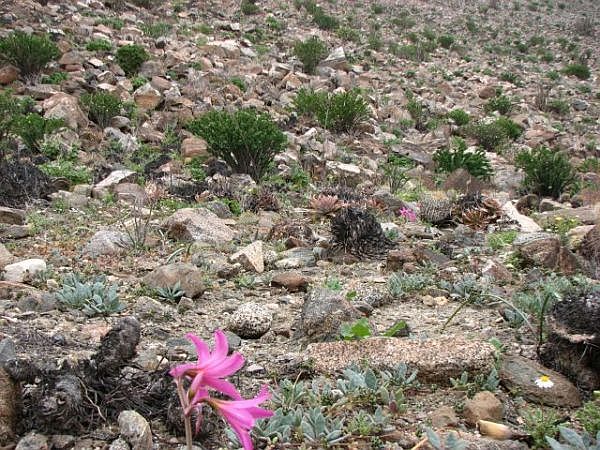
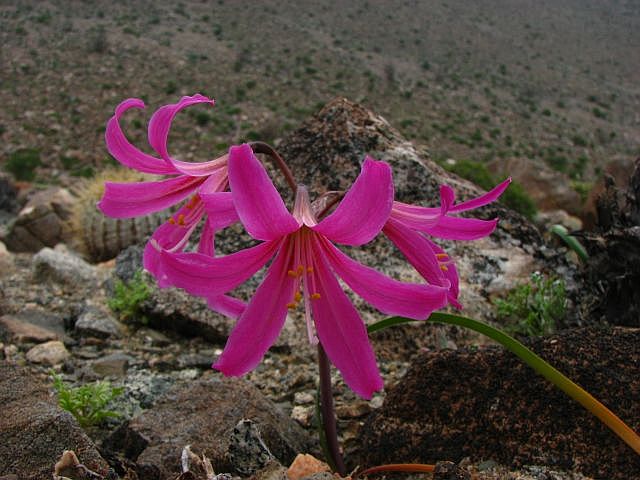
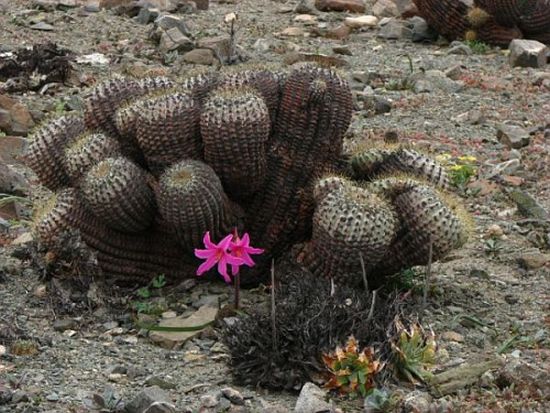
Rhodophiala laeta growing among rocks near Paposo. There was not much variation in flower color, but as these pictures show, there was some variation in flower form. The last picture below shows Rhodophiala laeta with the cactus Copiapoa cinerea and the bromeliad Deuterocohnia chrysantha.

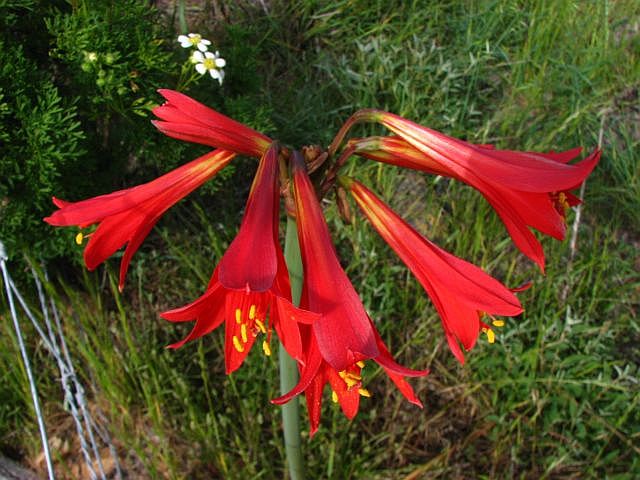
Rhodophiala phycelloides blooming along Route 5 between Los Vilos and La Serena.

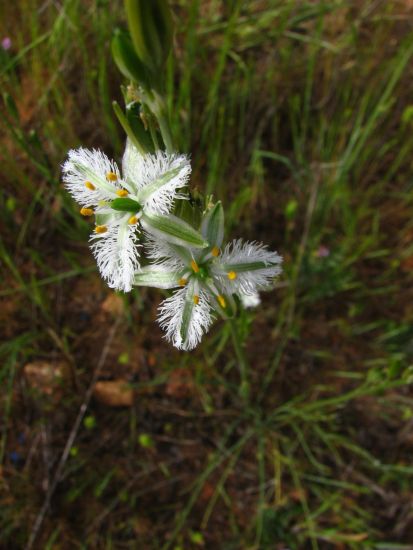
Trichopetalum plumosum along Route 5 between Los Vilos and La Serena. The elegant flowers are small, barely 1.3 cm (1/2 inch) wide.
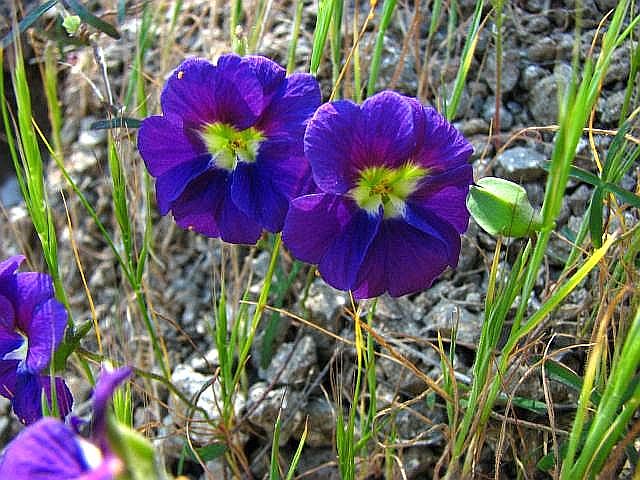
Tropaeolum azureum photographed near Pichasca National Monument. Unfortunately, these photographs are "too blue to be true." The flowers were more of a violet color, and quite attractive.
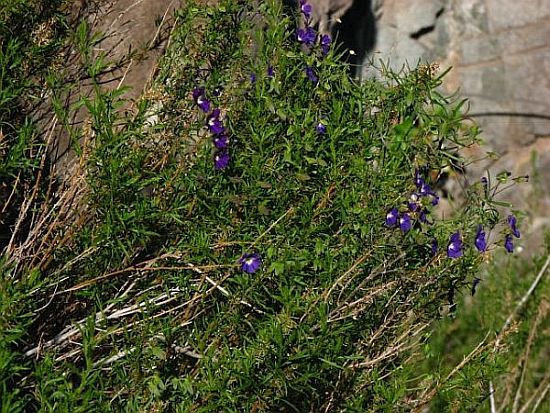
Tropaeolum hookerianum flowering at Parque Nacional Fray Jorge.
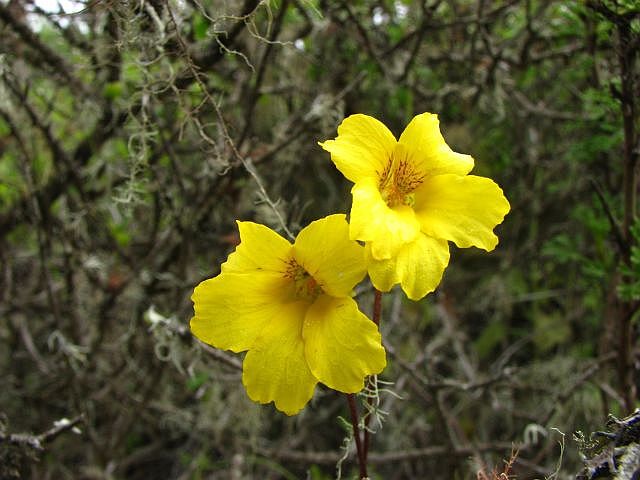
Tropaeolum tricolor growing between Huasco and Carrizalillo.
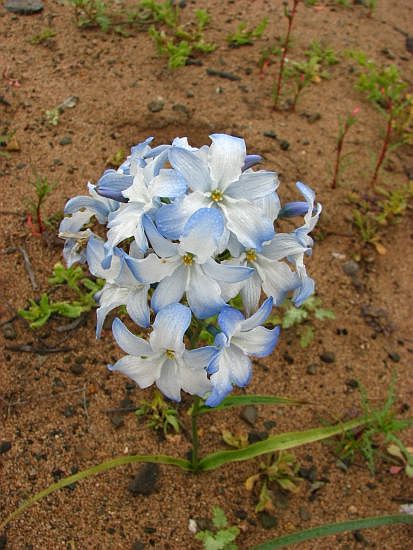
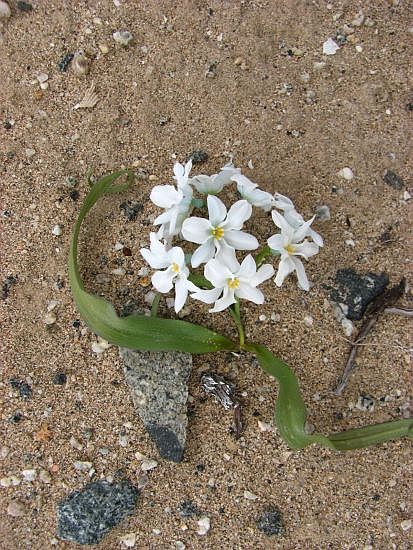
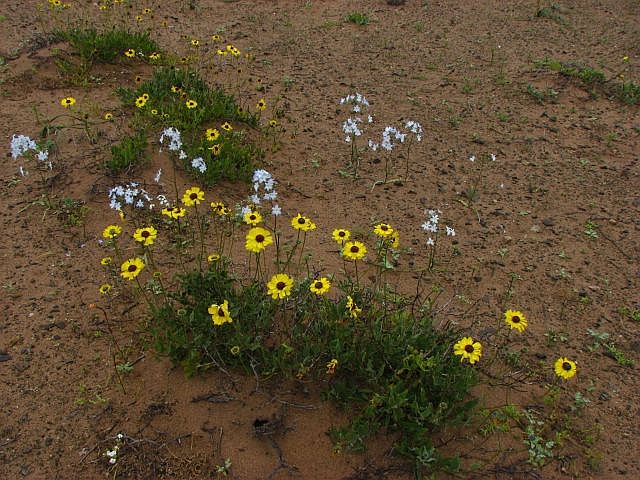
Zephyra elegans bloomed abundantly along the coast, particularly in the Huasco area. Flower color ranged from pure white to white with sky blue petal tips. These photographs were taken between Huasco and Carrizalillo. The last photograph shows it with with Encelia canescens (Asteraceae).