Griffinia is endemic to Brazil and sparsely distributed throughout the remnants of the Mata Atlántica, or Brazilian Atlantic Forest, and the gallery forests and dendritic passages of northeastern Brazil, once associated with a wider, more ancient forest. Griffinia is most closely related to Worsleya raynerii, another endangered relict from eastern Brazil. The genus consists of about 15 species, or so (depending on your concept of a species), and is a member of the Amaryllidaceae family.
The habitats of Griffinia and Worsleya, both endangered Eastern Brazilian endemics, have been greatly modified by man. Continued deforestation of the Mata Atlántica could result in the extinction of these critically endangered plants (Griffinia) in their native habitats. Most species of Griffinia grow in the lush, wet understory of tropical, maritime forests of eastern Brazil. The once contiguous forests of the Mata Atlántica, which extended inland from the coast about 100 kilometers in the north and more than 500 kilometers in the south, encompassed about a million square kilometers and ranged from 8° to 28° South latitude. A survey of the entire Atlantic Forest showed that by 1990 only a little more than eight percent, or 83,500 square kilometers, remained. Contiguous chunks of forest are now rare. The blue-flowered Griffinia are primary rain forest elements, and do not re-colonize readily where forest disturbance has been manifold. The white-flowered Hyline are threatened with the continued expansion of agriculture in the semi-arid interior. (Information from Kevin Preuss.)
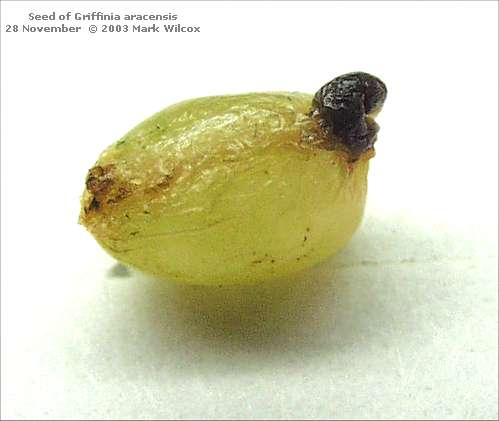
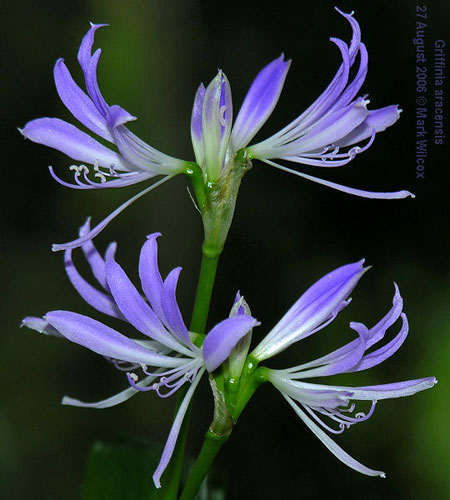
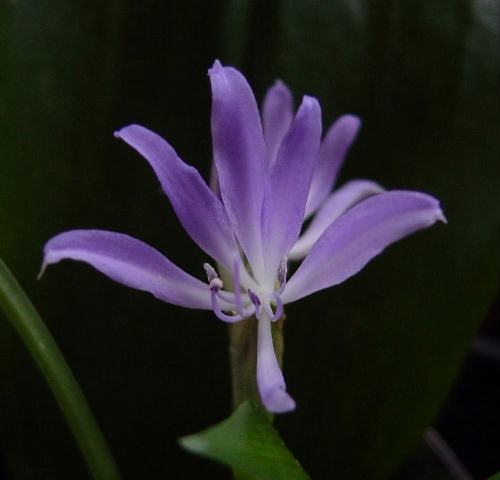
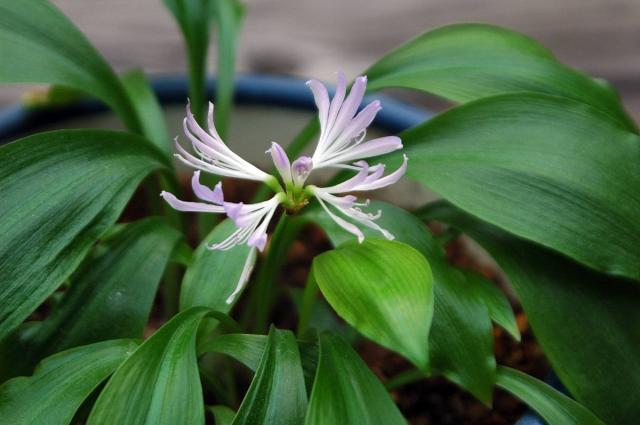
Griffinia aracensis Ravenna is considered the easiest to cultivate. Height range: 25 cm. The first two photos taken by Mark Wilcox are macro photos showing a seed approximately 5/16 of an inch (0.79 cm) long by 1/4 of an inch (0.64 cm) wide and the flowers with a decent depth of field. The black area on the right is part of the remains of the flower. (The black area is actually the remains of an elaiosome, an oil rich body attractive to ants, which is found on all Griffinia seeds. The seeds will not germinate until the elaisome is consumed or otherwise removed - Alan Meerow). The third photo taken July 2004 by Jay Yourch is a close-up of a flower. The fourth photo was taken by Mary Sue Ittner who used to grow this as a houseplant in her bathroom where it remained green for most of the year and flowered reliably. The last photo from Dennis Kramb.
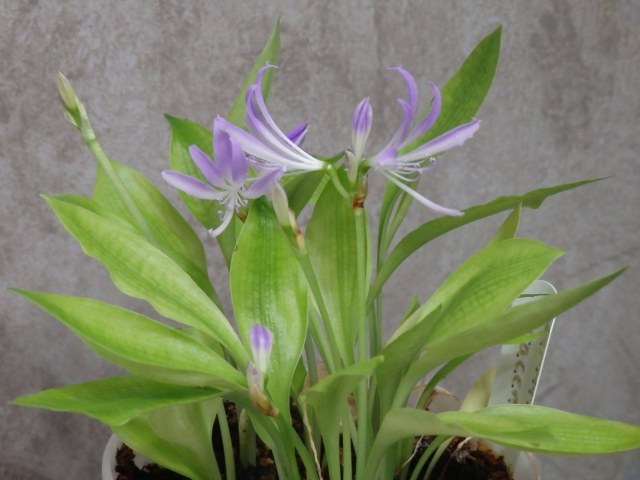
My G. aracensis finally bloomed this year. The flowers are smaller than those of G. espiritensis or G. liboniana and the petals are much narrower. The leaves are also smaller and much narrower than those of espiritensis or liboniana. Photos taken August 2004 by Lee Poulsen.
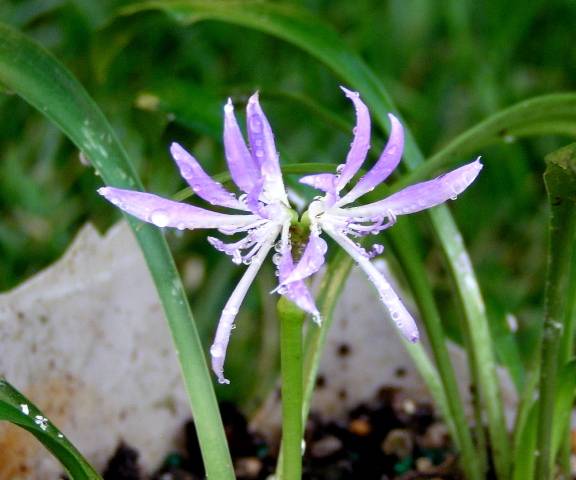
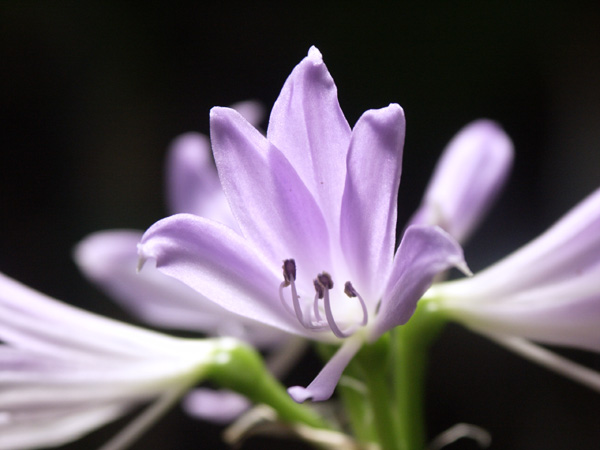
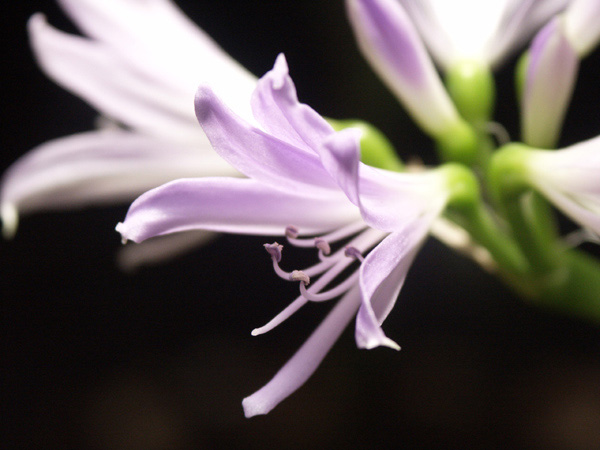
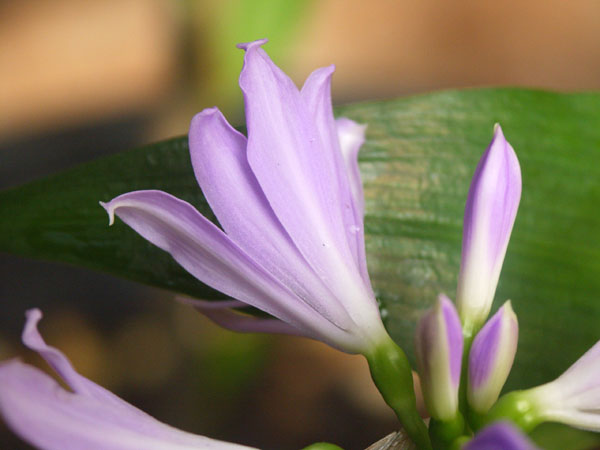
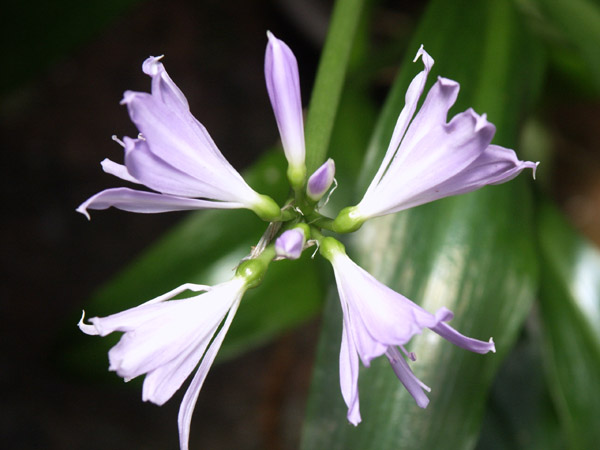
Griffinia espiritensis Ravenna has three varieties: Griffinia espiritensis var. baiana K.D.Preuss & Meerow, Griffinia espiritensis var. espiritensis, and Griffinia espiritensis var. ituberae K.D.Preuss & Meerow. Height range: 25-40 cm. Photos by Lee Poulsen taken August 2003. The second photo shows this species with Griffinia liboniana. Lee noted that both were being grown in his humid unheated pseudo-greenhouse in a well-drained medium. They flowered in shady areas and went dormant in the winter. The liboniana species has spotted leaves.
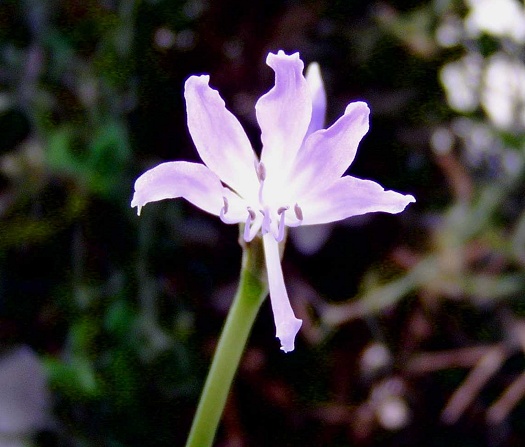

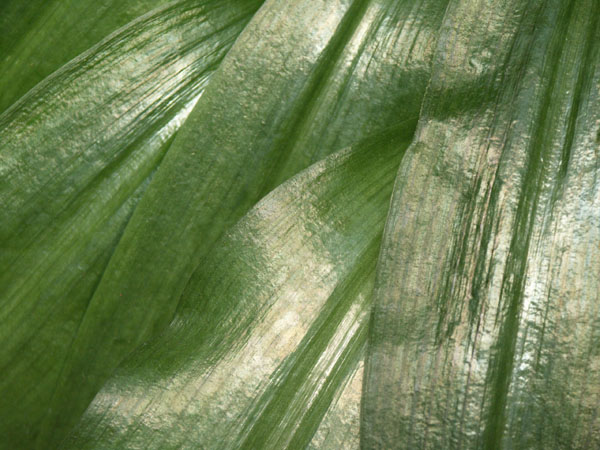
Griffinia espiritensis var. espiritensis photos are supplied by Uluwehi Knecht of plants grown in Honolulu, Hawai`i. He wrote: "In my experience this variety, once established, has proven to make offsets relatively freely and in a somewhat stoloniferous manner. Flowering is usually in late spring. This year I had two inflorescences appear in succession. The flower peduncles are easily knocked over and I've found I must be very careful when carrying the plant so that it won't bend horizontally or break off due to a sudden movement. The leaves are always very glossy. I keep it in a small pot, only 10 cm wide and 8 cm deep."
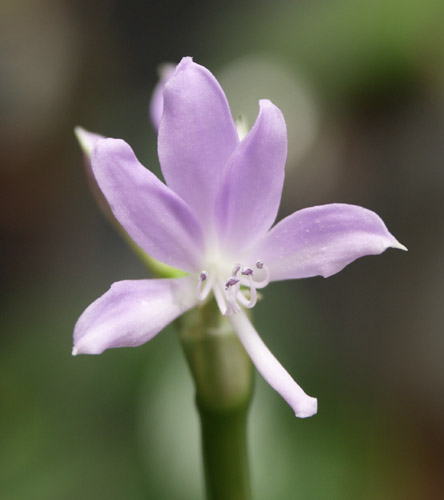
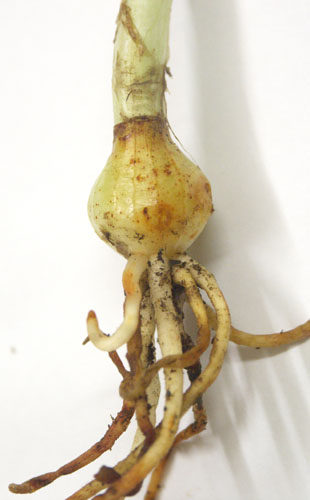
The image below by Uluwehi Knecht is of one of the larger offsets I removed with a simple gentle tug this spring after flowering.
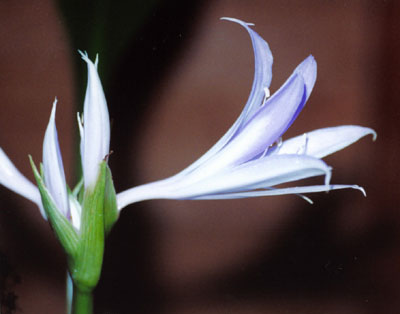
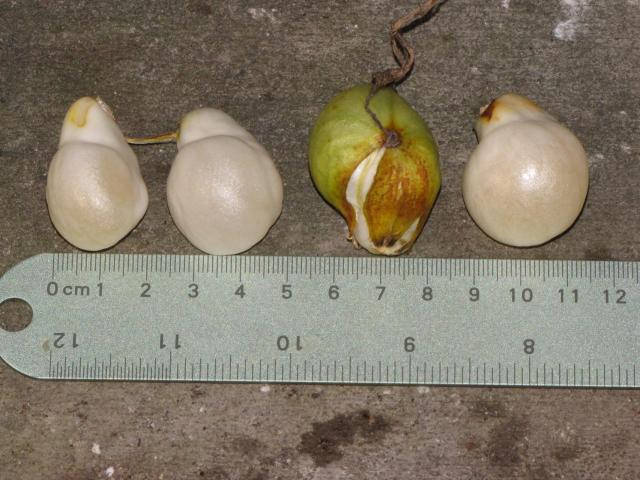
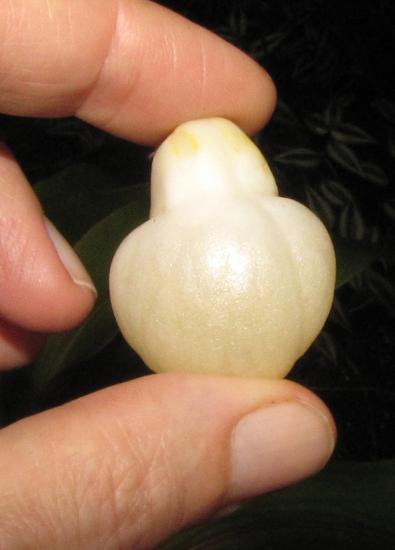
Griffinia hyacinthina (Ker Gawl.) Ker Gawl. is a large plant with broad petiolate leaves and up to 21 flowers per stalk. It blooms mid-summer. Height range: to about 60 cm. Photo 1 was taken by Kevin Preuss.
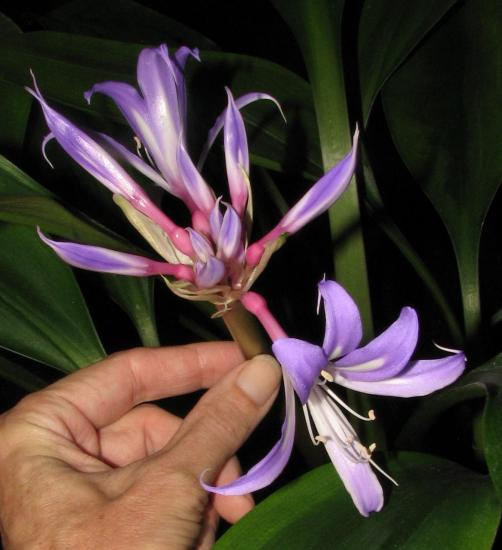
The photos below were taken by Dylan Hannon showing flowers (with hand for scale), and the gigantic fleshy seeds!
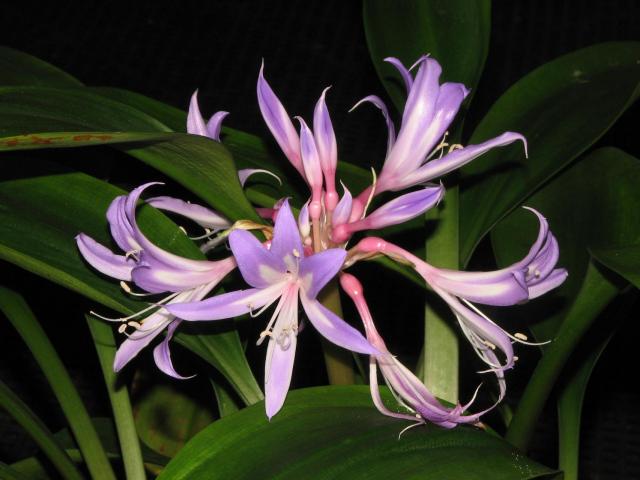
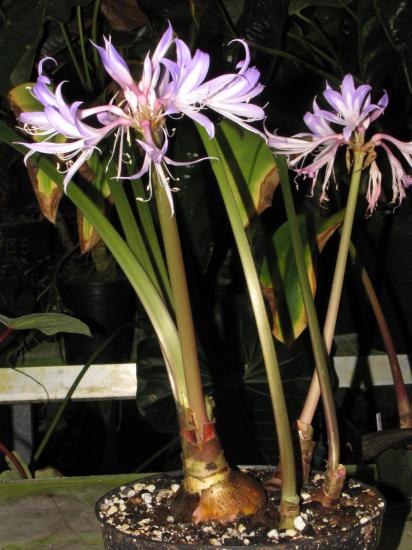
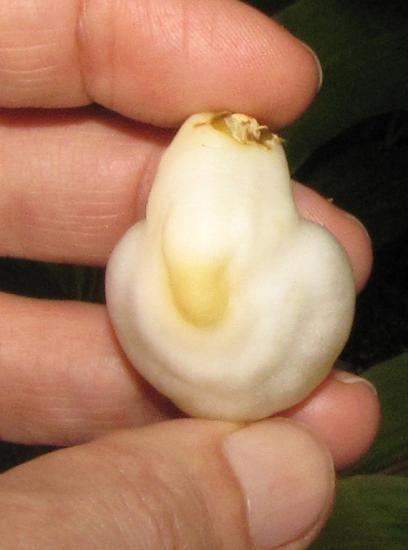
Griffinia intermedia Lindl. is a species endemic to Brazil. Height range: to about 60 cm. Photos by Alan Meerow were taken in situ in Itatiaia National Park, Rio de Janeiro state, Brazil.
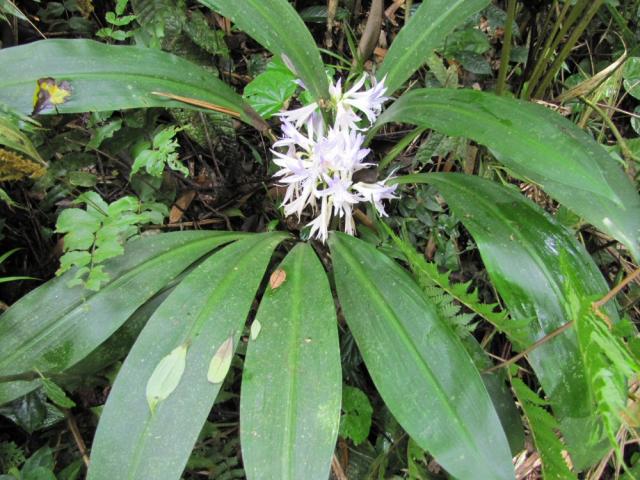
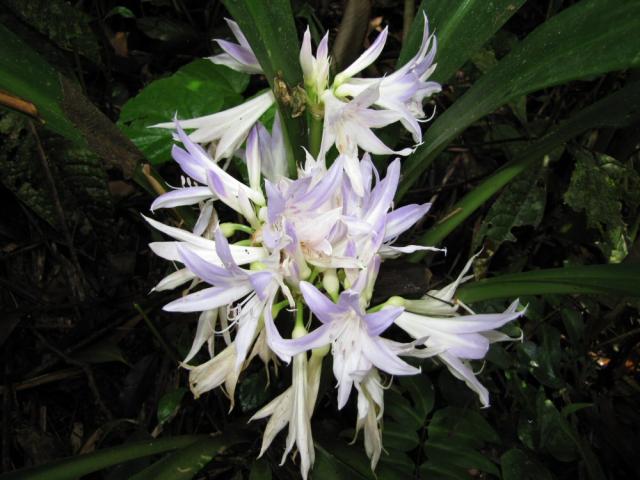
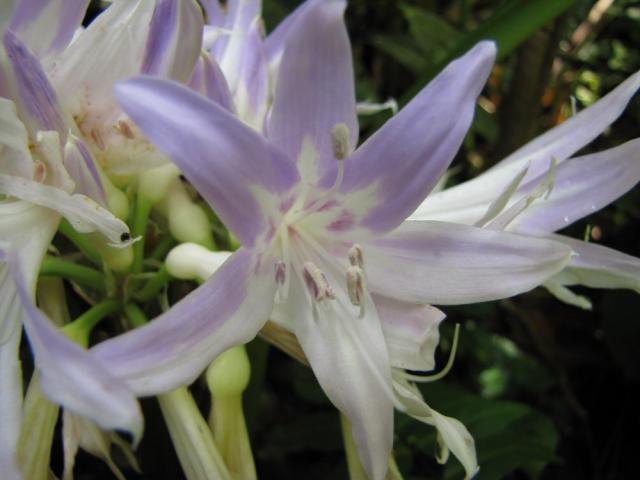
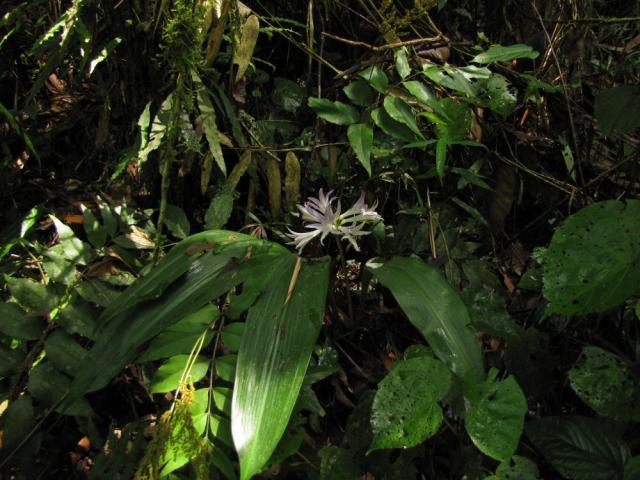
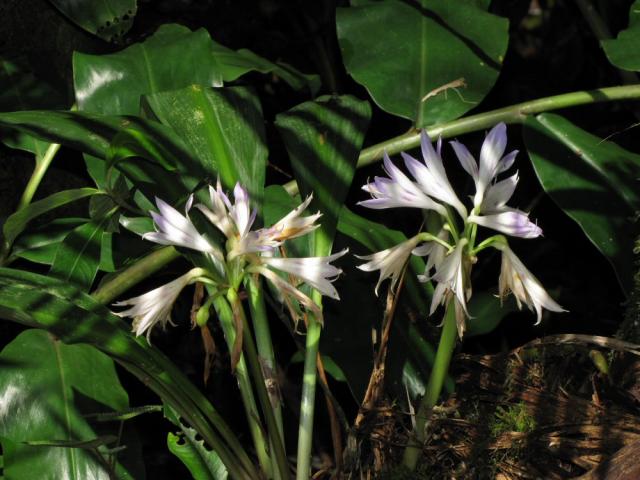
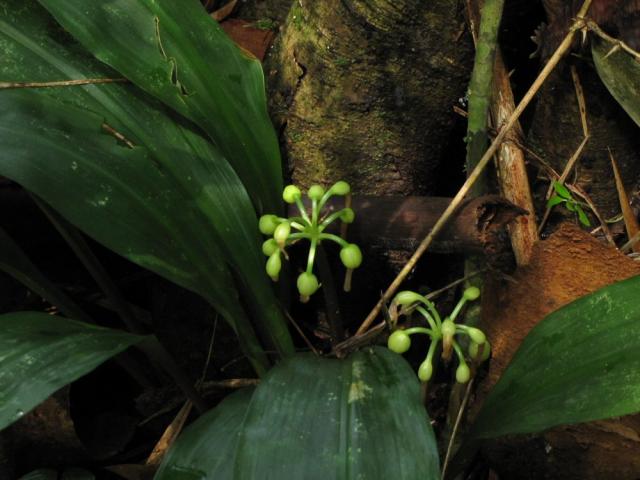
This species grows in a the Atlantic Rainforest habitat shown below, photographed by Alan Meerow in January 2013.
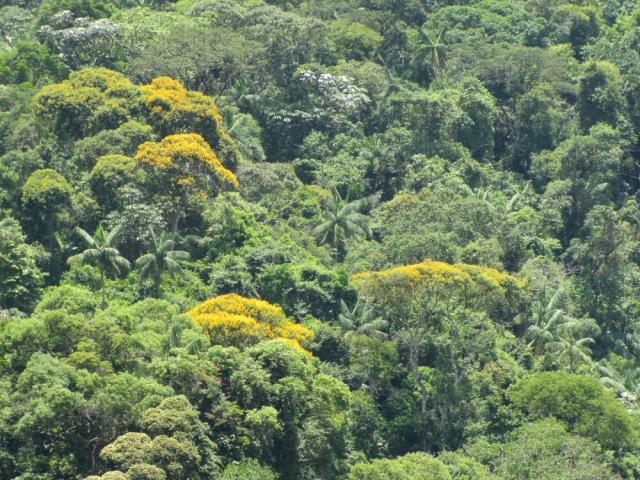
Griffinia liboniana É.Morren is distinctive in that the leaves have clear white spots. It is a slow growing species and thus multiplies slowly. Height range: to about 25 cm. The photos below were taken by Lee Poulsen.
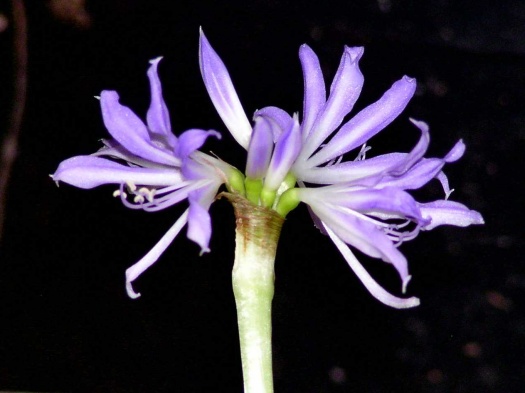
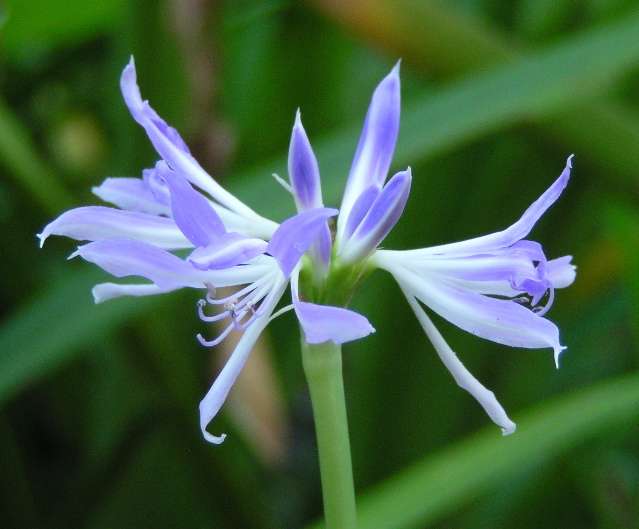
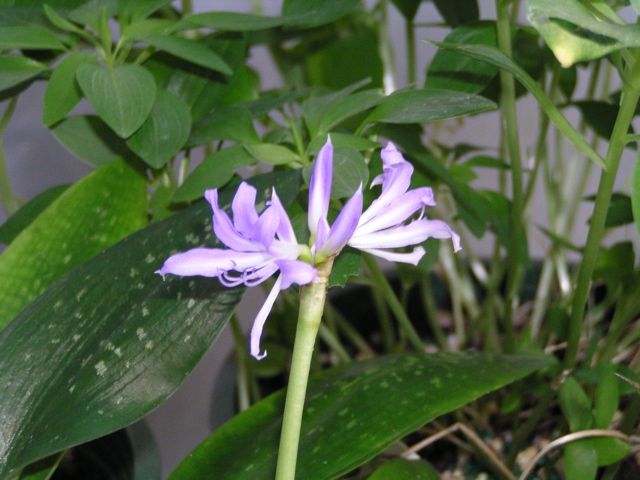
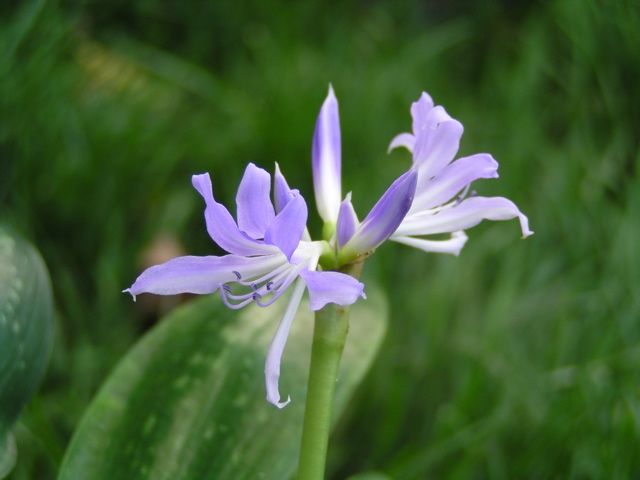
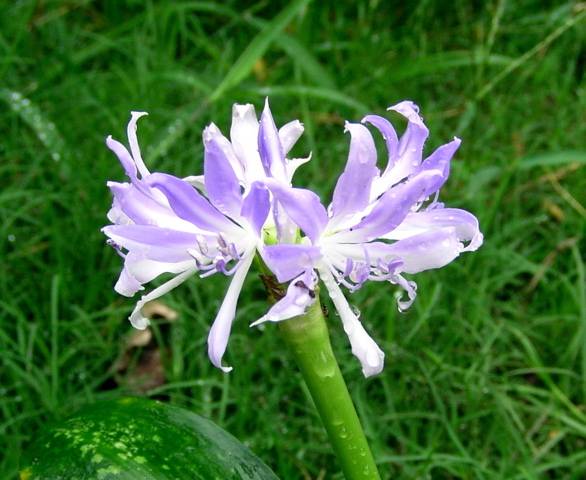
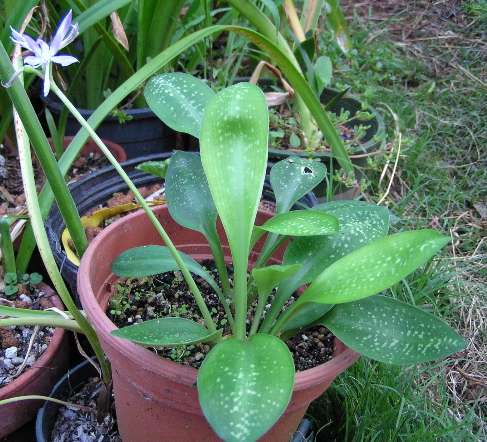
The photos below were taken by Nhu Nguyen of a plant. It went through a short period of drought and as a result, bloomed heavily and beautifully after it was watered again.
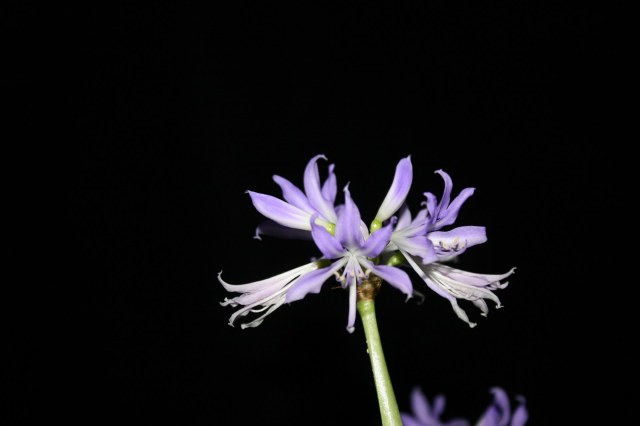
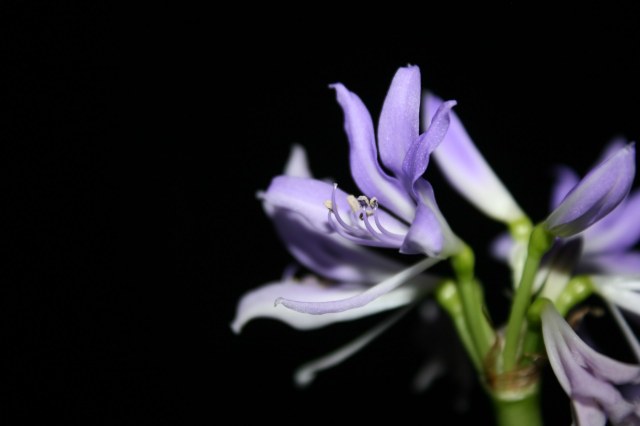
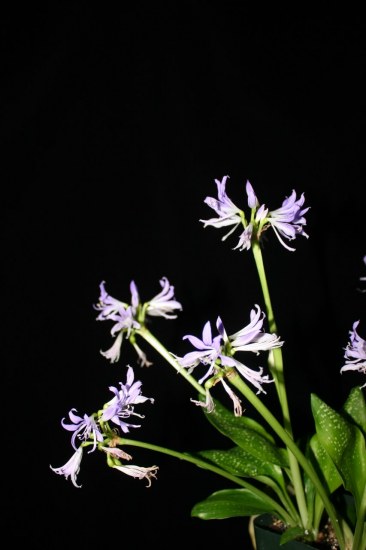
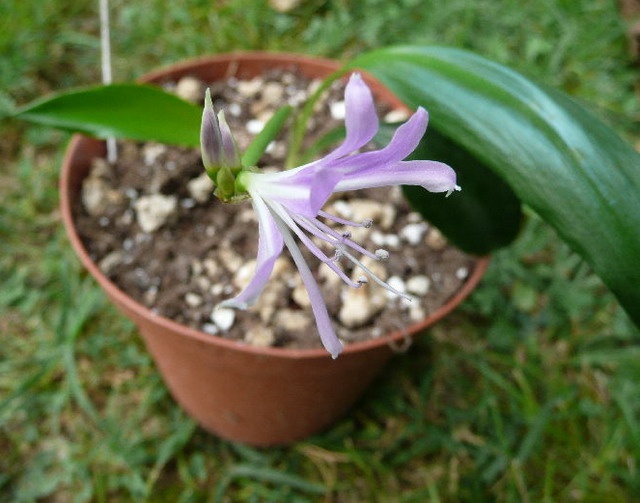
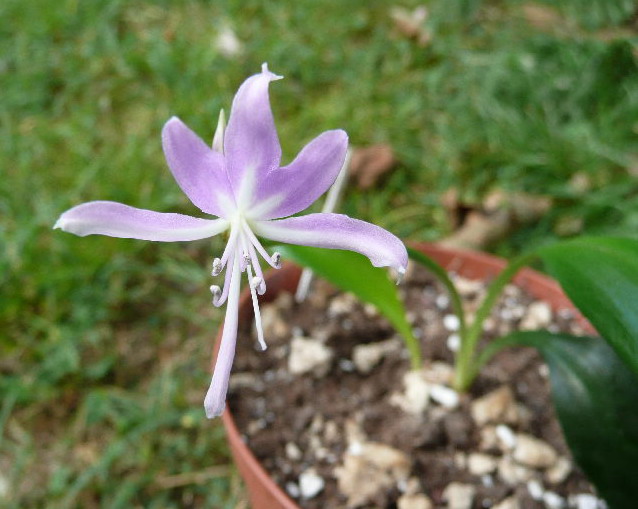
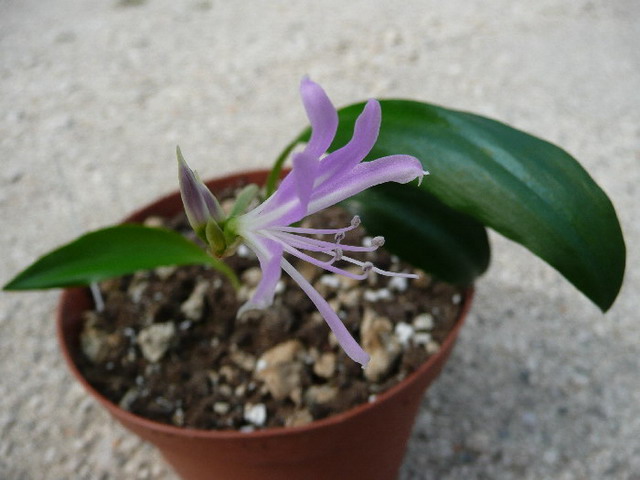
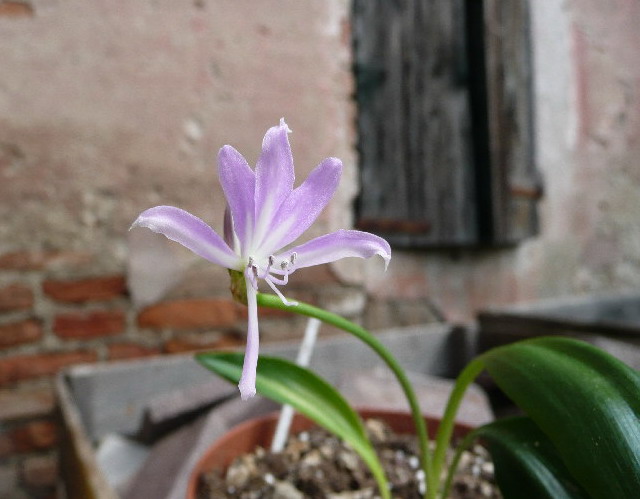
Griffinia rochae G.M.Morel is native to Brazil. Height: 20 cm. Photos from Alessandro Marinello.
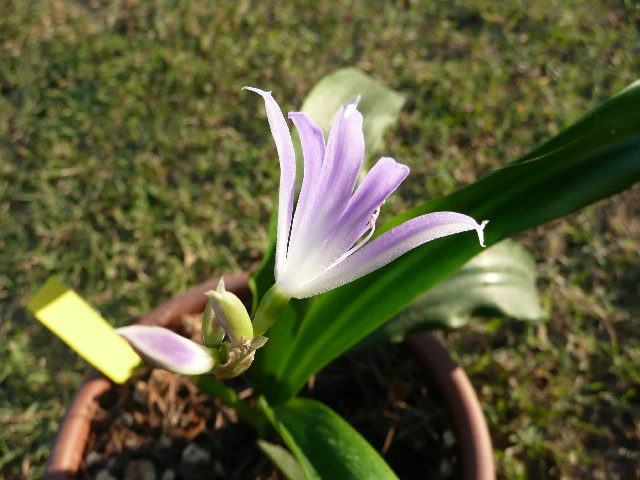
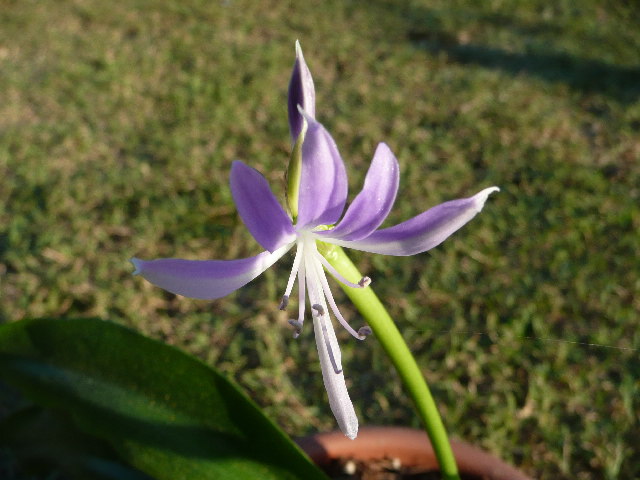
Griffinia sp. The following pictures are from Alessandro Marinello, a still unidentified Griffinia originally purchased from the U.S.