Mandragora L. (or mandrake in English) is a small genus of tap-rooted plants in the family Solanaceae native to Israel and the surrounding region. Like a dandelion or dock, there is a long, slender taproot with a growing point on top of it. The mandrake barely qualifies as a "bulb", but the historical interest of its thick fleshy root probably justifies inclusion on the PBS wiki. Historically, the mandrake was a plant imbued with mystical properties from earliest times. Its root was considered to be humanoid and in fact to be a homunculus of sorts which would scream when dug up. Moreover, the entire plant (like many other members of the Solanaceae) is rich in alkaloids such as scopolamine, hyoscyamine, atropine, and others. For more folklore see Repotting a mandrake according to Harry Potter.
This is mainly a plant for the curious, not for those who want showy flowers. The folklore surrounding this plant should be taken as historical interest only, and should not be used medicinally unless you are under the care of a trained certified professional. The toxins in this plant could potentially kill. However, the fruit has been suggested as being edible, but again, not recommended. The roots are sometimes dug and dried for use as a magical totem, or a curiosity to keep on a shelf and confuse your friends.
Mandrake is best grown from fresh or cold stored seed. Stored seed tends to germinate slowly and erratically, whereas seed sown fresh comes up very well the following spring if sown in Autumn. Sow in a very deep pot so the young taproots have plenty of room. Plant out when the seedlings are two to three years old or show signs of crowding, replenishing potting mix as it settles over time. Once a mandrake seedling is planted out, the growing point rots away during the winter. The surviving taproot eventually calluses over and forms a new growing point; after some years this seems to be no longer subject to rotting. The plants can grow to be quite large, so give at least two to three feet from neighboring plants so they don't become smothered.
The genus Mandragora seems to be in a state of confusion and the number of species is uncertain. However, there are two species that are clearly distinguishable. However, recently taxonomists have grouped all species under the epithet Mandragora officinarum, despite morphological differences, alkaloid content, growth cycles, and flowering times.
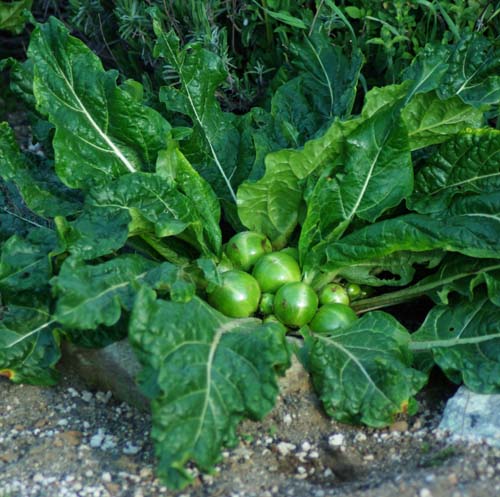
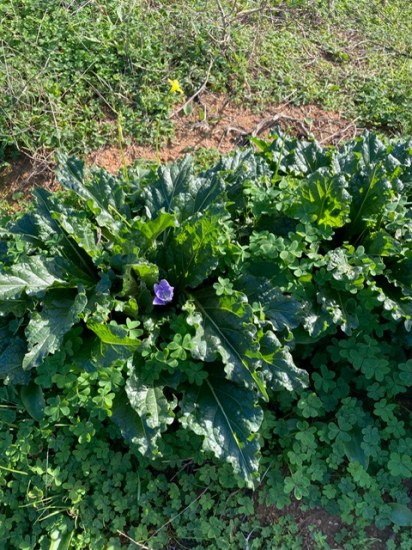
Mandragora autumnalis Bertol. has purple flowers, each with six petals, somewhat ovate with a pointed tip. Flowers to twelve inches. The leaves are dark green, more or less flat, with something of a metallic cast. The fruits are tomato-like, orange, and showy. The plant is sometimes lumped into the all inclusive net of M. officinarum L., yet is distinct in leaf, flower, and cultivation. Plant prefers alkaline, deep, sandy, moist shade. Height: to about 30 cm. First photo by Rodger Whitlock. Second photo of flowers in midwinter, courtesy of Richard A Cech.

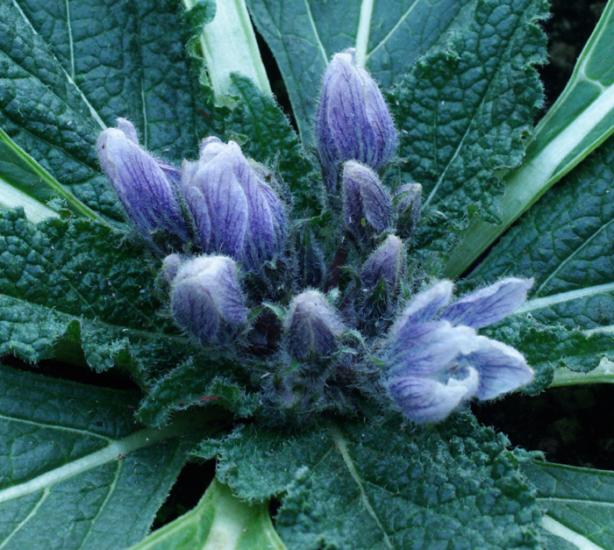
Photos below by Davide Pacifico from wild plants at Riserva Naturale Orientata Barcarello-Capogallo in Palermo, Italy. Many were virus stricken, giving them a color break.
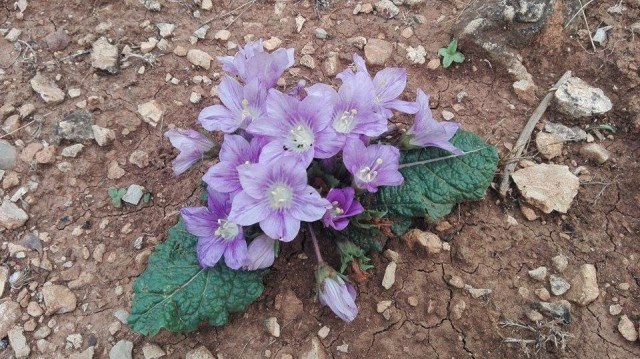
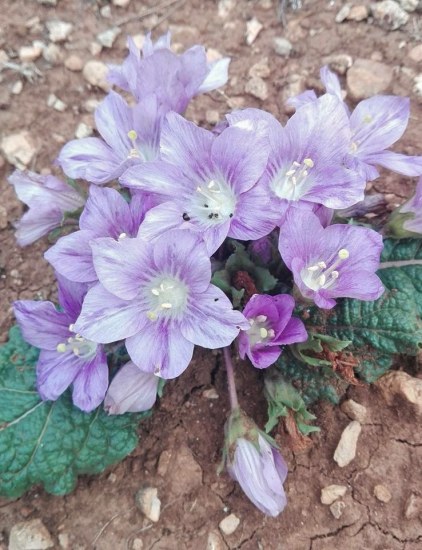

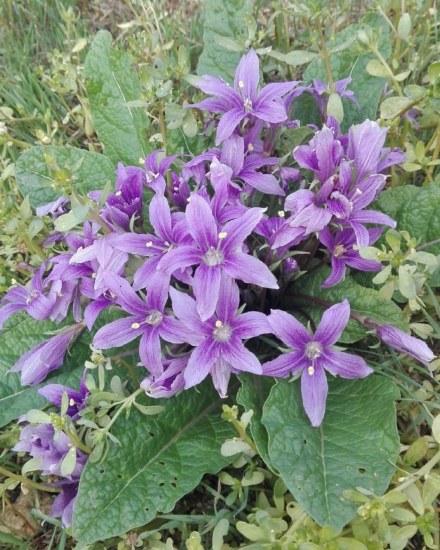
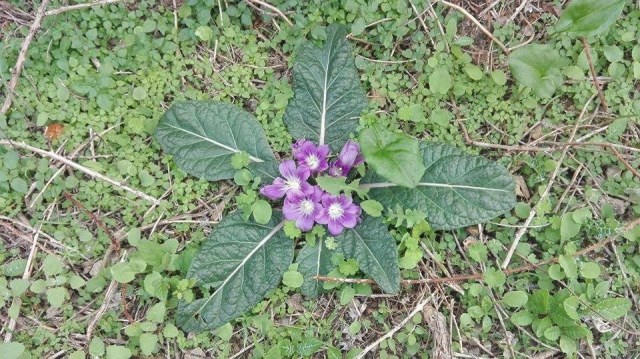
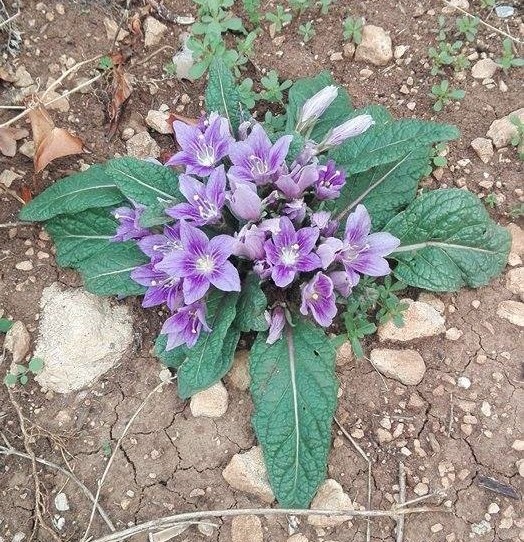
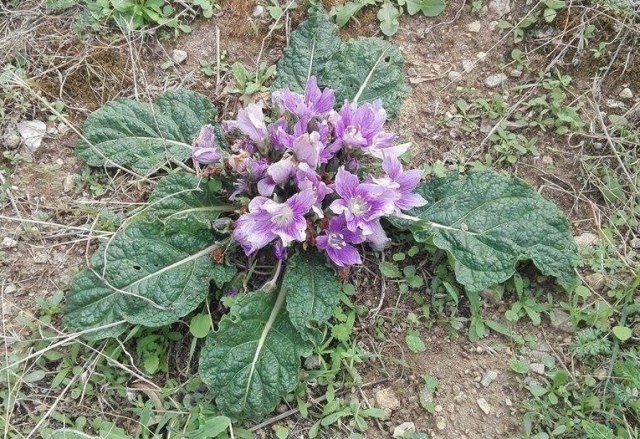
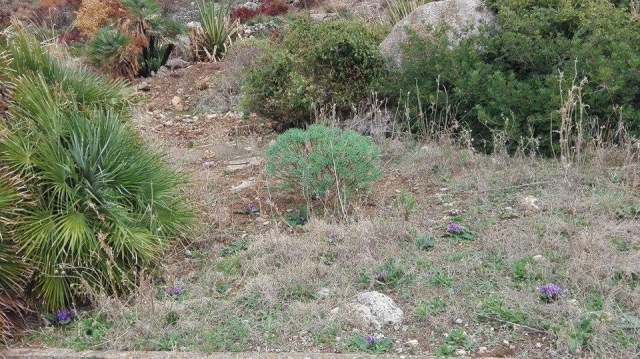
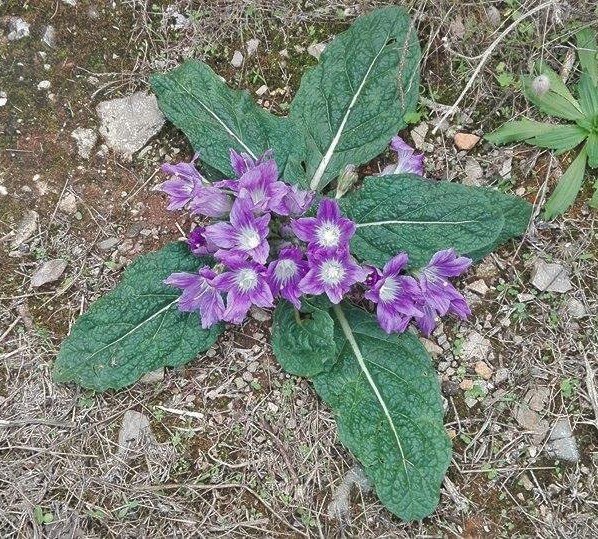
Mandragora officinarum L. is native to Southern Europe and the Mediterranean. Mandrake begins its vegetative cycle in the midwinter, flowers in the spring, fruits, and goes quickly dormant in the summer. The leaves are light green looking somewhat like a demented Swiss chard, flowers mauve to yellowish, with six pointed petals. Plant prefers alkaline, deep, sandy, dry soils in the part-shade. Height range: 30-60 cm. Photo of fruiting plant, courtesy of Richard A Cech. The second picture shows a plant Johannes-Ulrich Urban encountered on a guided tour through coastal wetland in Portugal, January 2022, describing them as "lush vigorous clumps with crinkled foliage and surprisingly large blue flowers".