This wiki page shows pictures of geophytes growing in the wild in northern California along the Sonoma Mendocino coast arranged alphabetically from E through Maianthemum. Rainfall in this location starts in the fall with the most rain coming in December and January with less rain continuing sometimes as late as May. Summers are dry although there are periods of fog in summer which brings some moisture. Temperatures are moderate year round. Habitats are mixed evergreen and redwood forests, bluff scrub, riparian and some limited grasslands, but much of this latter habitat (grasslands) is now gone. Most flowers bloom late spring into summer.
Mendocino Sonoma Coast Index - Allium to Calypso - Camassia to Dodecatheon - Marah to Spiranthes - Taraxia to Zigadenus
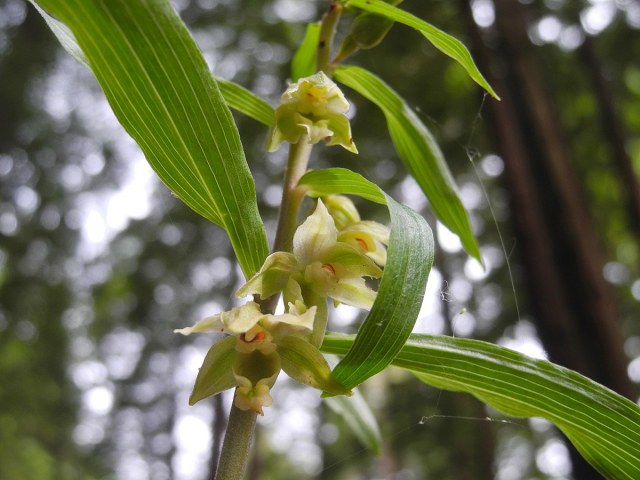
Epipactis gigantea with a common name of stream orchid does not appear until spring and then flowers in the summer. These photos were taken in Sonoma County near the Gualala River. During the winter plants are likely occasionally covered with water when the river is high. The first photo was taken by Peter Baye in 2012. The next three were taken by Karen Wilkinson July 2024. The last two photos from Bob Rutemoeller were taken July 2003 adjacent to the river.
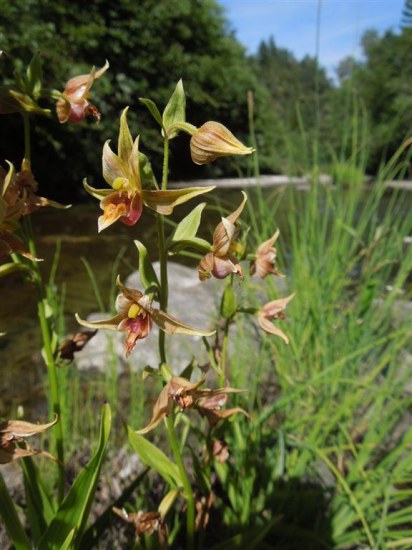


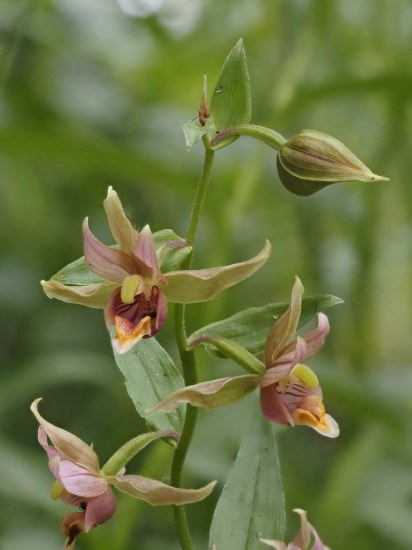
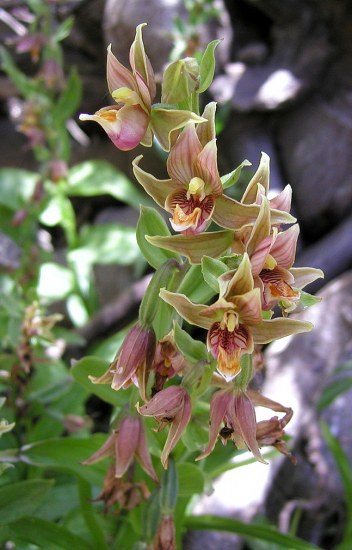
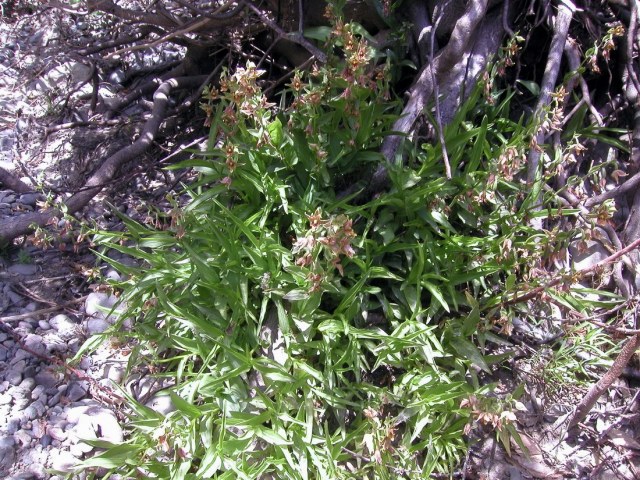
Epipactis helleborine is a rhizomatous geophyte native to northwest Africa and much of Europe and Asia. It was introduced into Canada and North America and has naturalized in the Northeastern United States and other areas of the continent. Photos from Mary Sue Ittner of plants growing along the road on the ridge in Mendocino County in mixed evergreen forest.
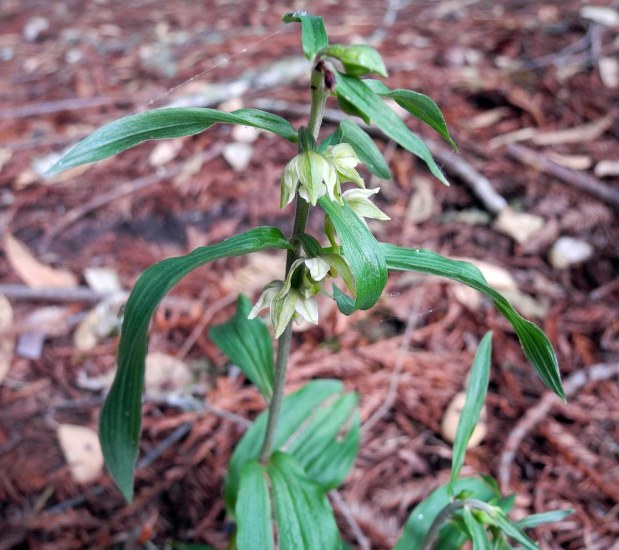
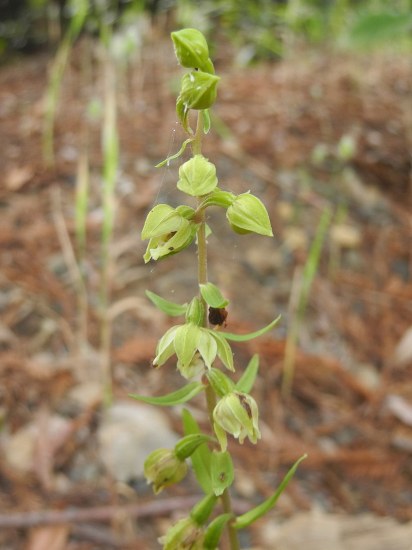
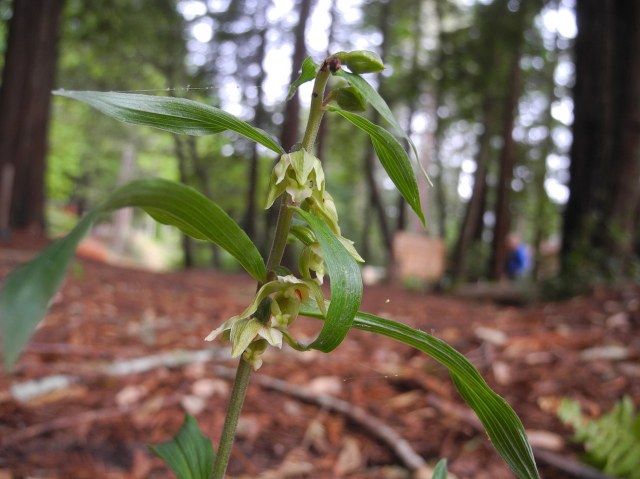
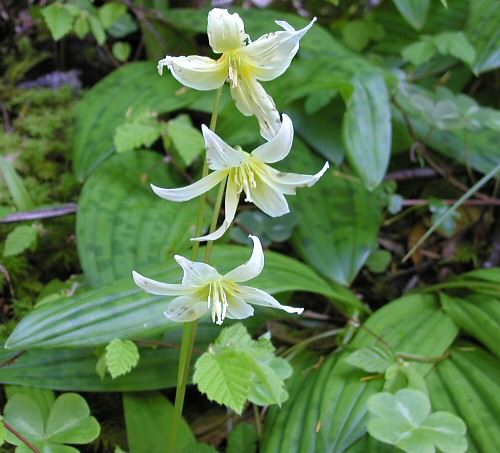
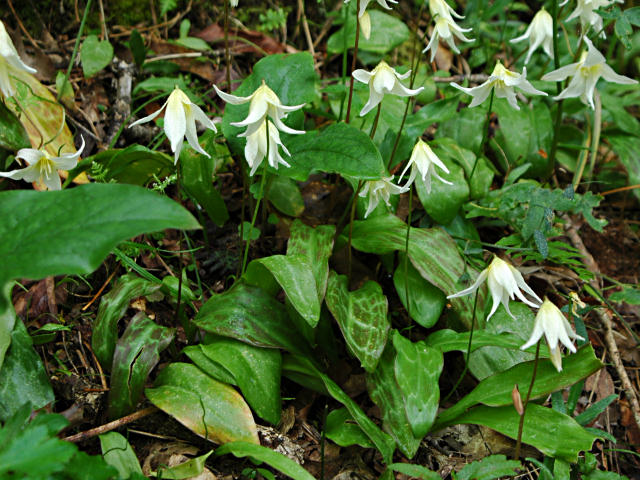
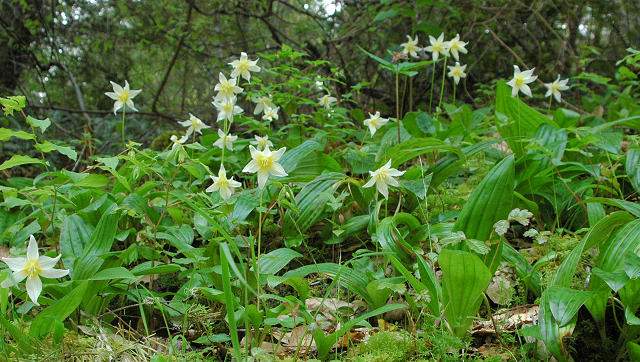
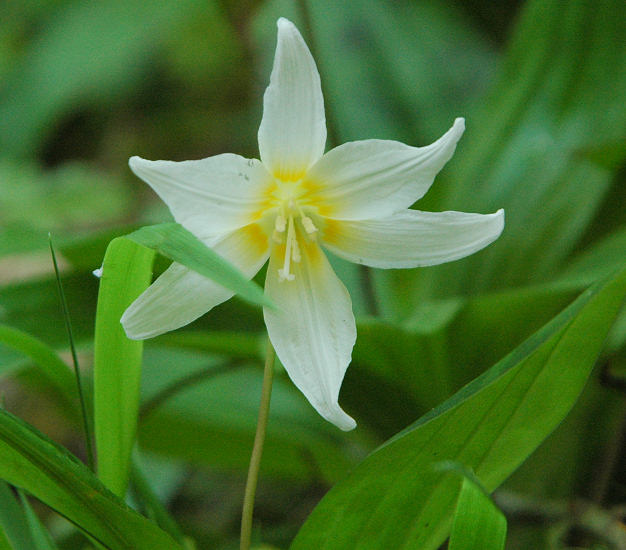
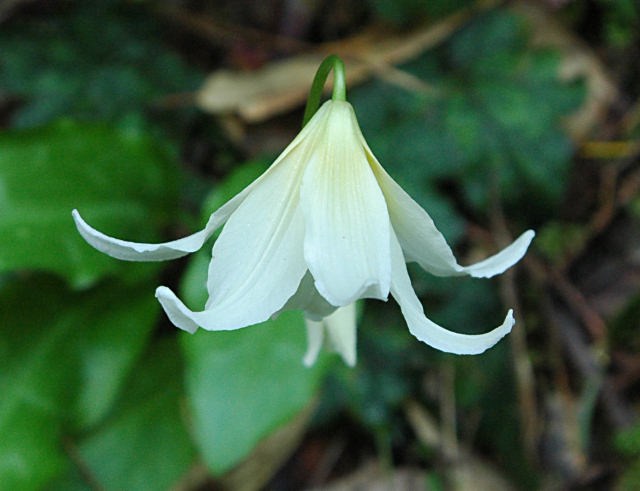
Erythronium californicum known as California Fawn Lily grows in openings in woods and on slopes. The first photo shows one blooming in March 2005 and growing with Scoliopus bigelovii, Oxalis oregana, and Maianthemum racemosum on a wet mostly shady bank. The second taken April 2006 shows a number of them growing along Skaggs Springs Road in Sonoma County. The last three were taken April 2011 along the same road with companions Trillium ovatum, Scoliopus bigelovii, and Prosartes smithii, syn. Disporum smithii shown in photo #3.
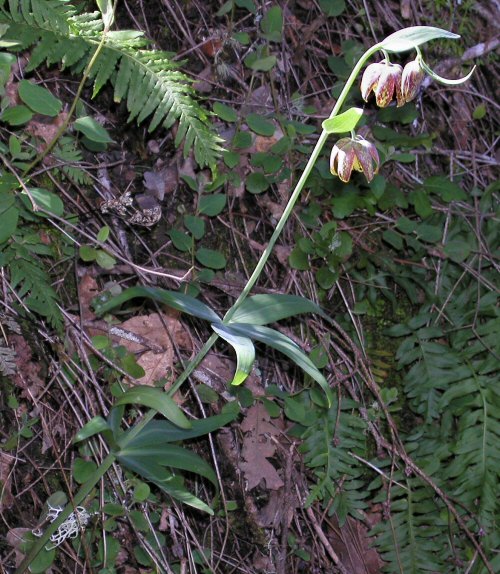
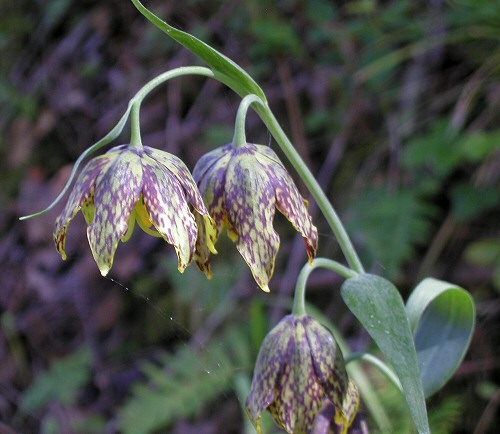
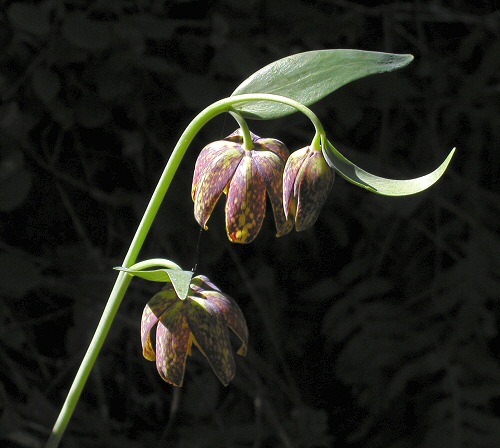
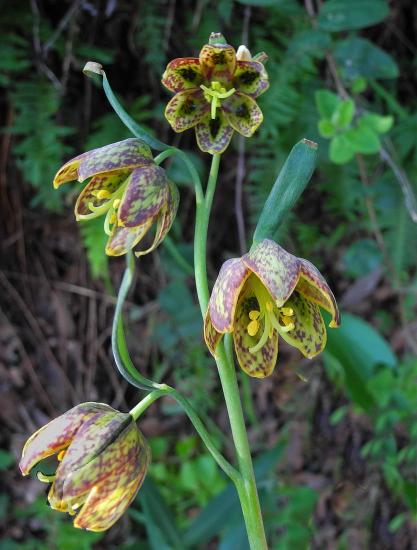
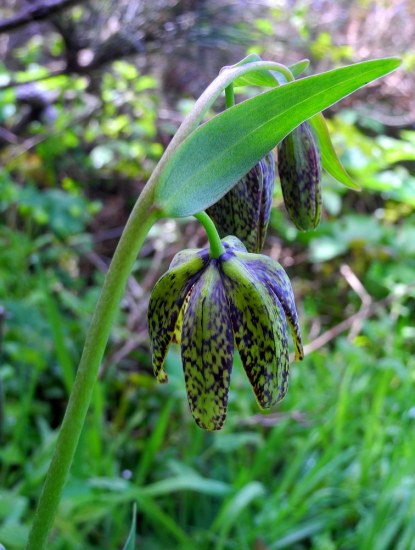
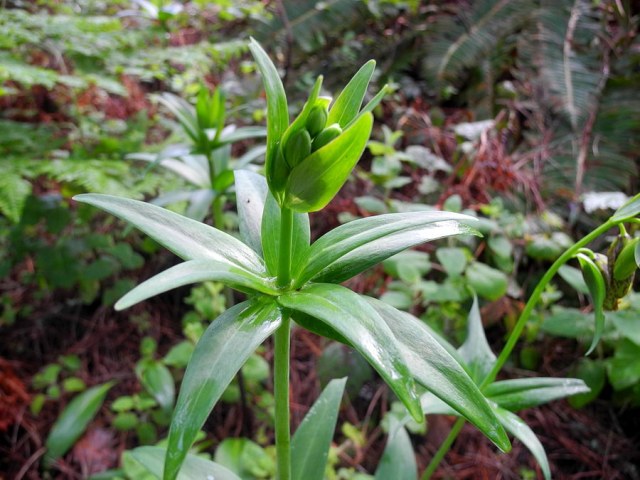
Fritillaria affinis is found in various spots, near the coast and sometimes more inland. It usually grows in the shade so may not be easily spotted since the flowers are often brown. Only when the sun catches it, you may see it. The first three photos by Mary Sue Ittner were taken in late March 2005 a bit inland on a shady bank alongside a road in Sonoma County and the fourth March 2016 in a different, but similar location. The last two were taken in 2018 at Pelican Bluffs in Mendocino County.
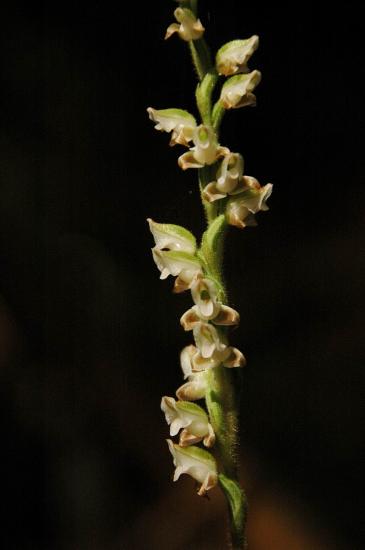
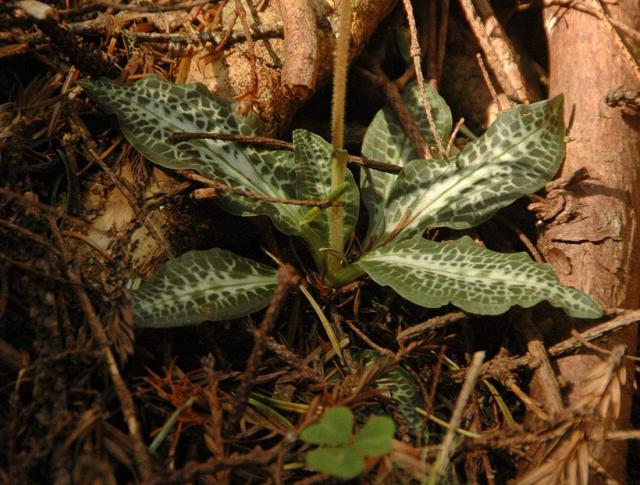
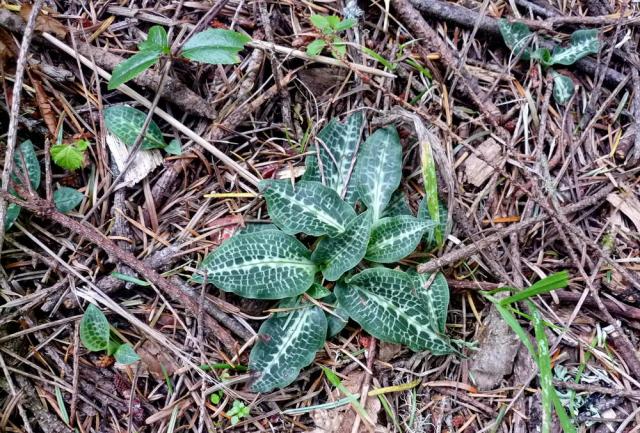
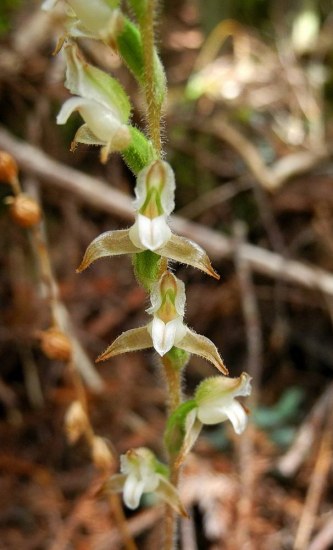
Goodyera oblongifolia is commonly called the Rattlesnake Orchid or Rattlesnake Plantain because of its leaves. It is found in shady woods in the Pacific states and blooms late summer into fall. The first two photos were taken at Stillwater Cove by Bob Rutemoeller. The last two were taken on The Sea Ranch by Bob Rutemoeller and Mary Sue Ittner.
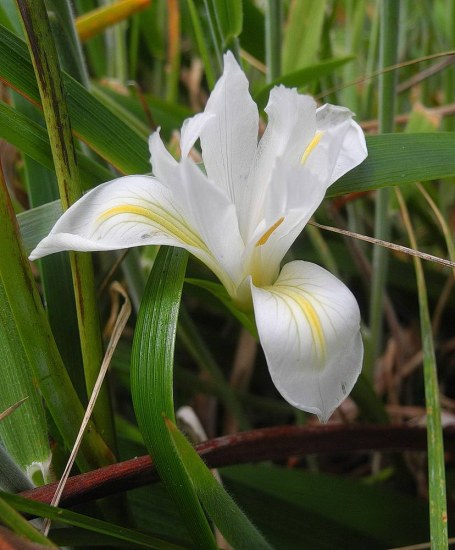
Iris douglasiana Herbert is a native of California and Oregon growing on the edge of coastal forests and on bluffs and prairies overlooking the sea. Flower color ranges from blue to violet to cream and blooming time from late winter into late spring. The first four pictures below were taken at Manchester State Beach (Mendocino County) in the spring. The last photo of a rare white one was taken at the Point Arena-Stornetta Unit of the California Coastal National Monument. Photos by Mary Sue Ittner.
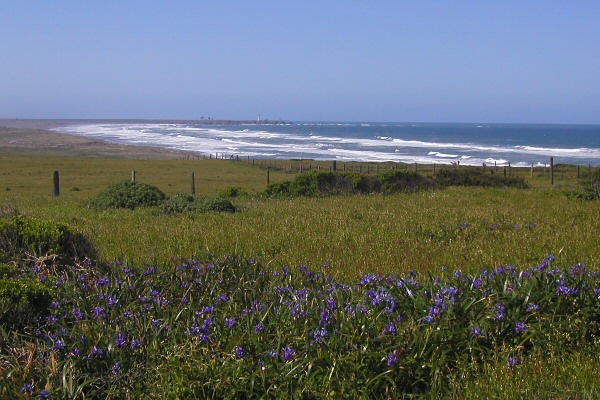
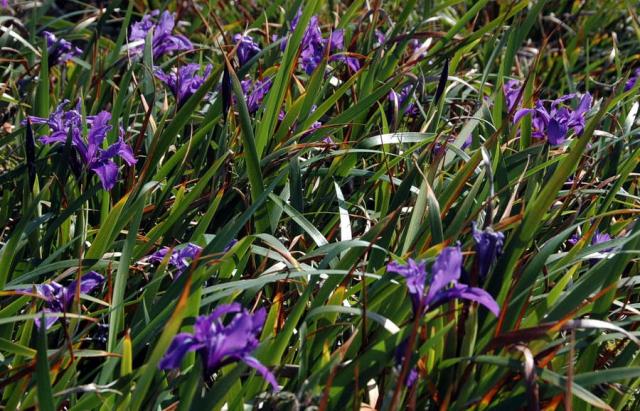
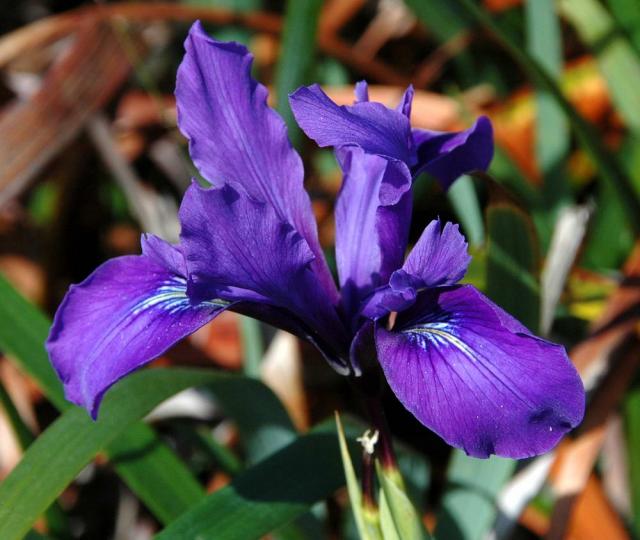
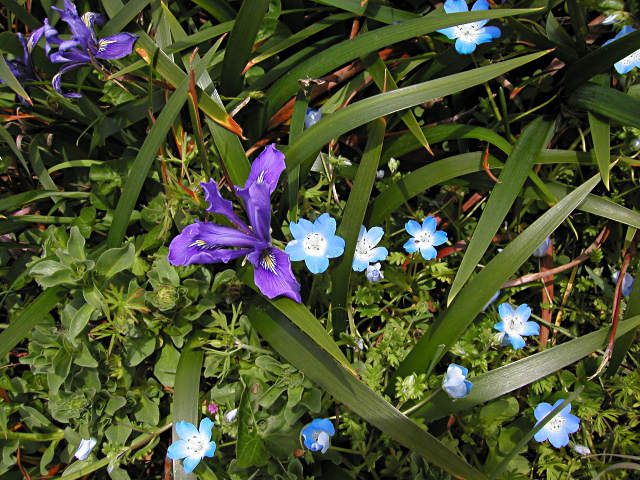
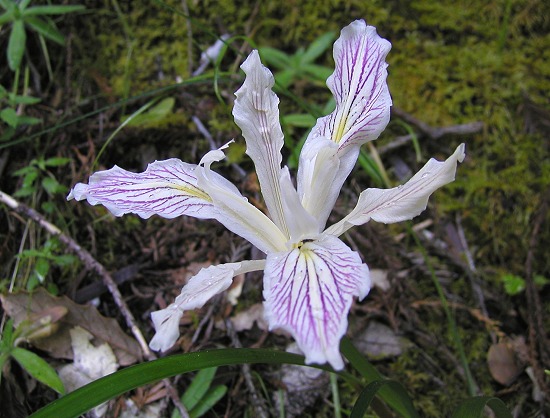
The two photos below were taken by Mary Sue Ittner at Salt Point State Park and The Sea Ranch, both in Sonoma County, California.
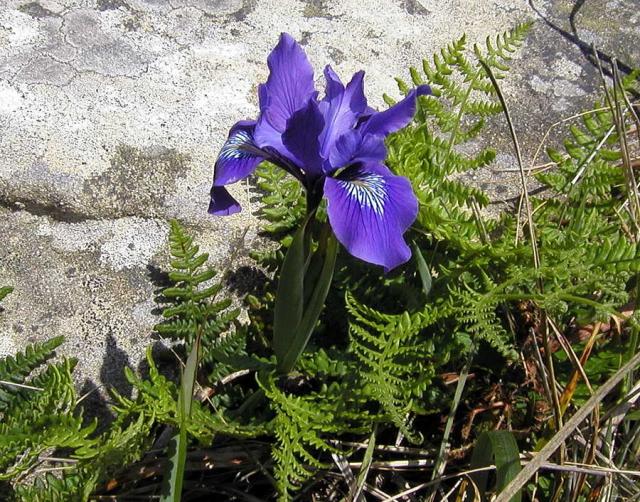
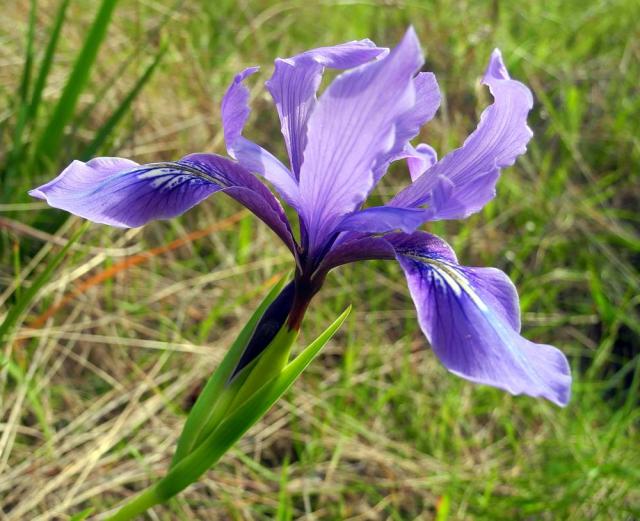
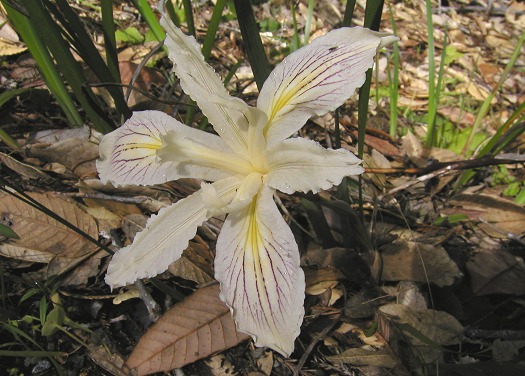
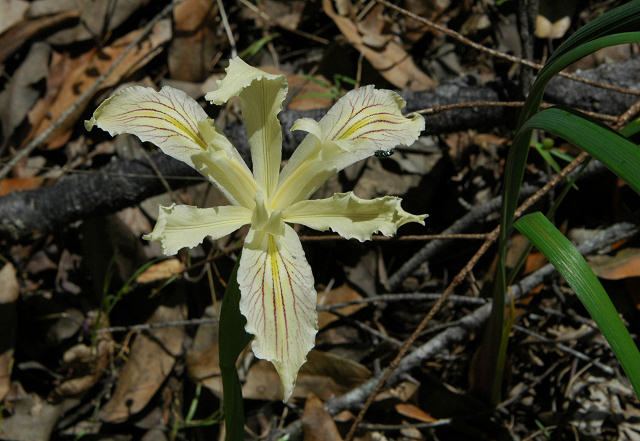
Iris purdyi is found in the coastal forests of the north Coast ranges. It has narrow leaves and pale yellow flowers, often tinted purple or veined with purple or brown. The first two were photographed by Bob Rutemoeller growing wild along the road in Northern California and the third was taken in April 2006 by Mary Sue Ittner.
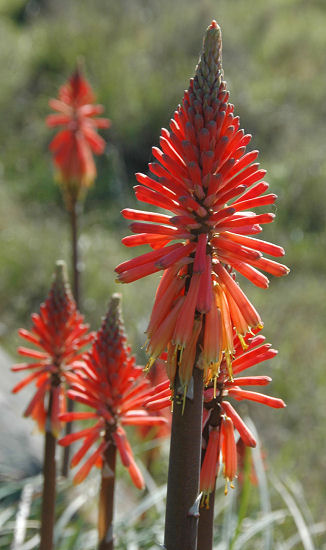
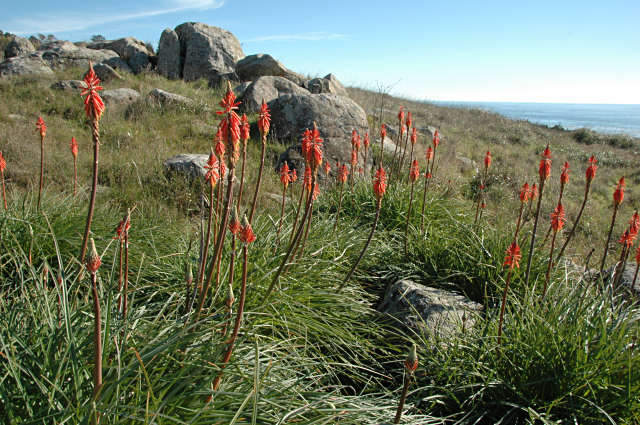
Kniphofia uvaria is native to South Africa, but you see it naturalized in a number of places near the ocean. Photos were taken by Bob Rutemoeller at Salt Point State Park, January 2009.
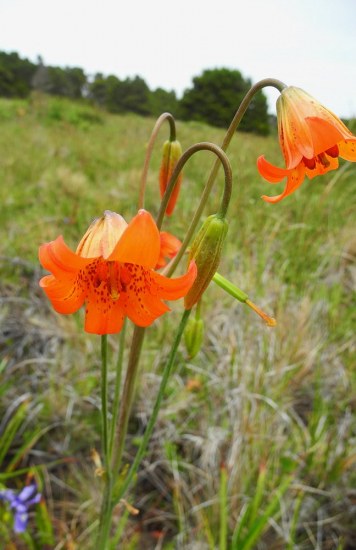
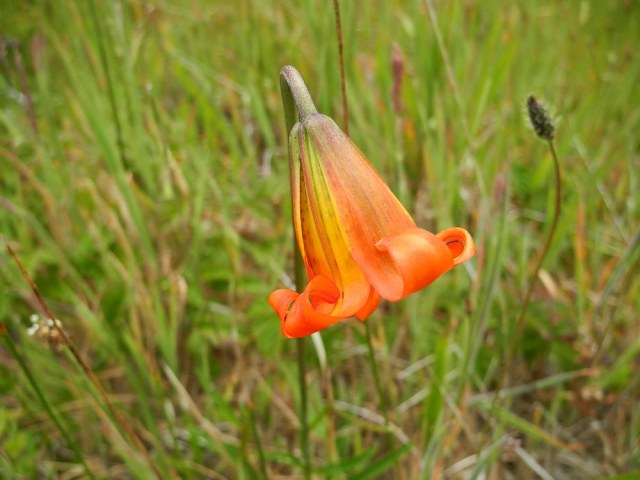
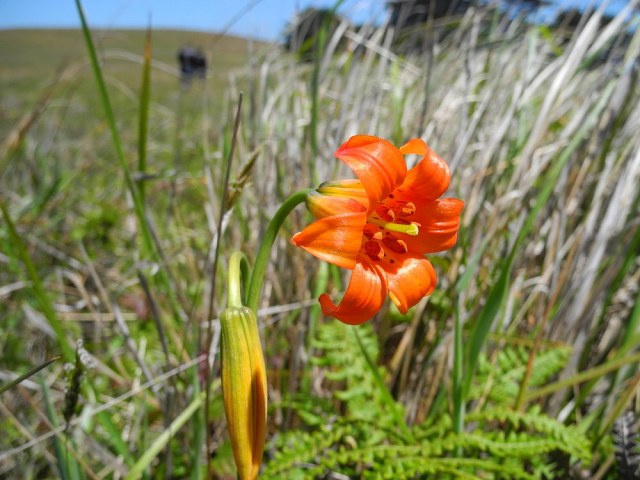
Lilium maritimum is a rare lily with red tubular flowers and is found in California in the southern part of the North Coast ranges where it is found in scrub, fens, or gaps in the closed-cone forests, usually in low places where it stays wet longer. The first two photos by Bob Rutemoeller were taken in a Mendocino County location. The second two were taken by Mary Sue Ittner in an area next to a road when they get extra water. One shows the leaves and another is a close-up.
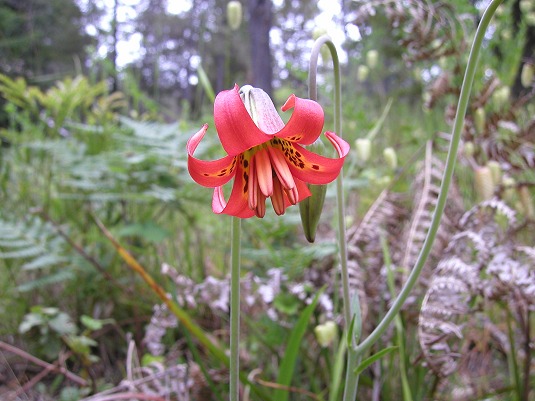
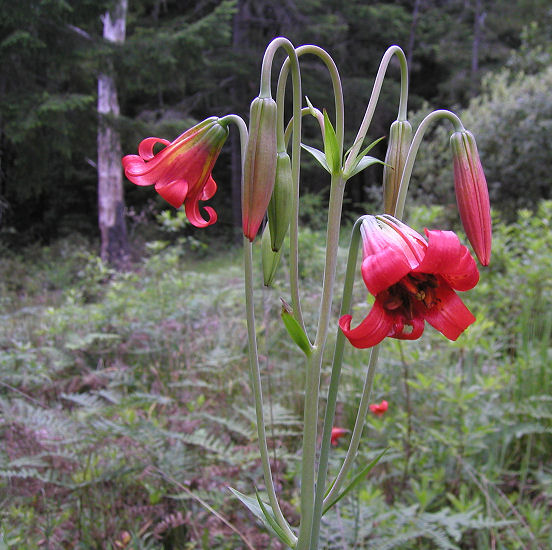
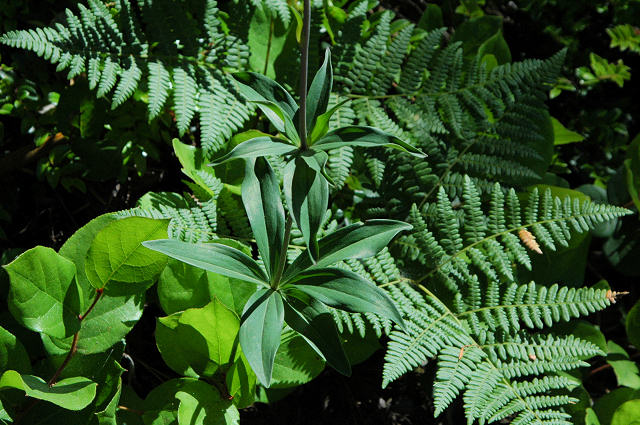
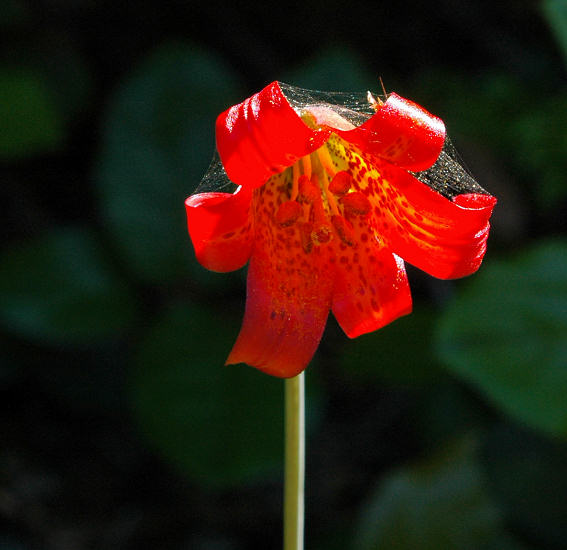
Photos below of a different color form were taken by Mary Sue Ittner at the Point Arena-Stornetta Unit of the California Coastal National Monument.
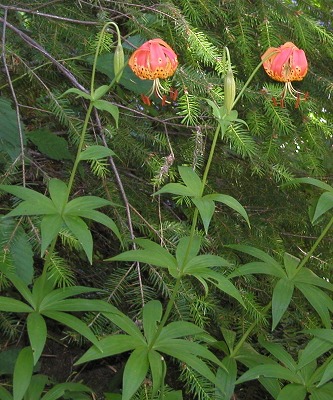
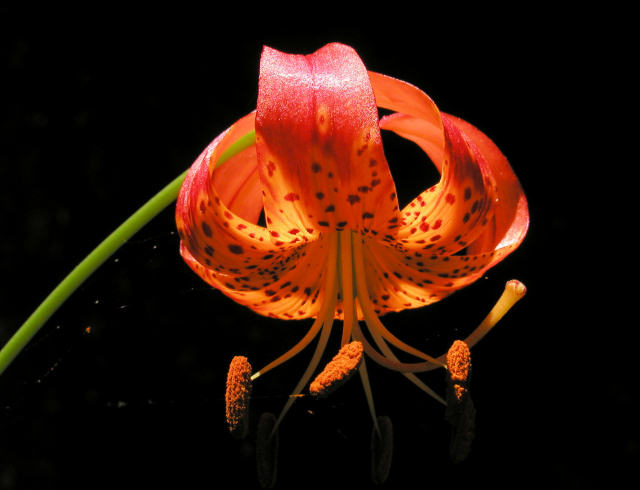
Lilium pardalinum is native to the Pacific Coast (southern Oregon to southern California.) It is a woodland species, often found growing near streams. In these photos by Bob Rutemoeller it is pictured growing near the Gualala River in California in exactly that habitat in photos from July 2002.
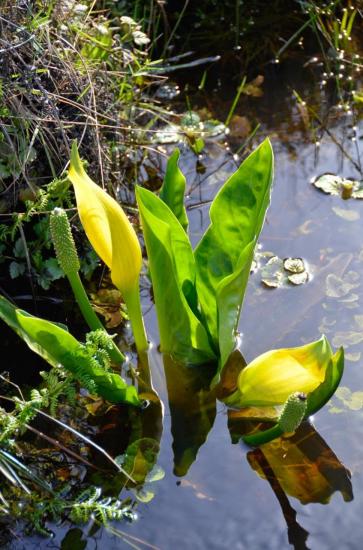
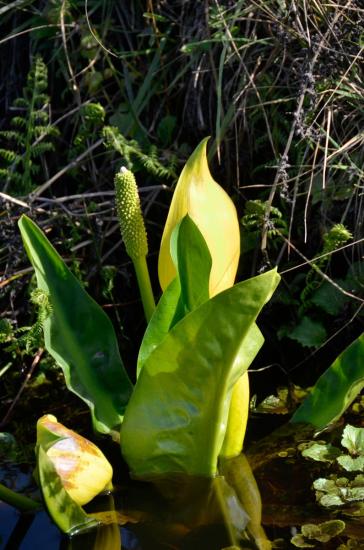
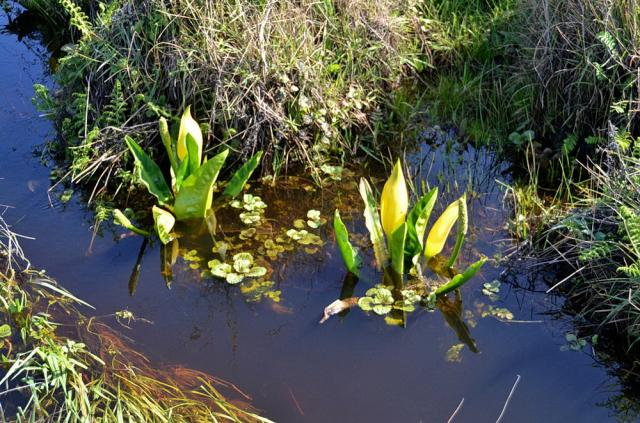
Lysichiton americanus or the western Skunk Cabbage grows in cool swamps and bogs near the coast from Central California north to Alaska. Photos were taken by Rozann Grunig at the Point Arena-Stornetta Public Lands.
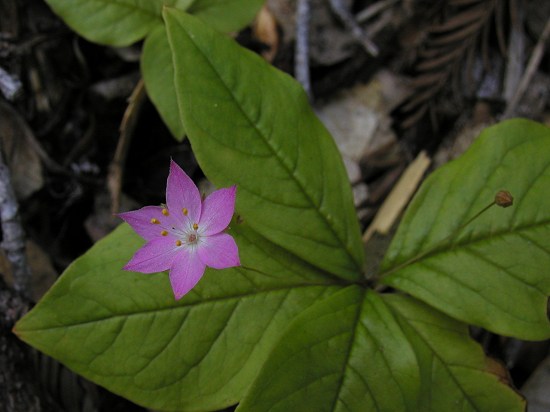
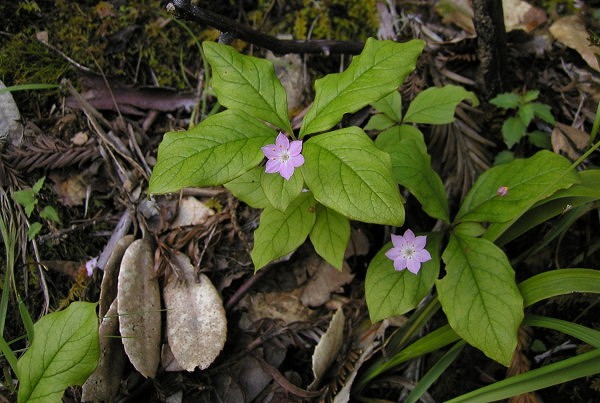
Lysimachia latifolia, syn. Trientalis latifolia, known as Pacific Starflower, is a fall and winter dormant perennial with a deep-seated tuber. It is a short plant of the shaded northwest forests with white to pale pink star-like flowers that appear in spring. The first two photos were taken in May 2003 in Sonoma County, California by Bob Rutemoeller. The third photo was taken by Mary Sue Ittner.

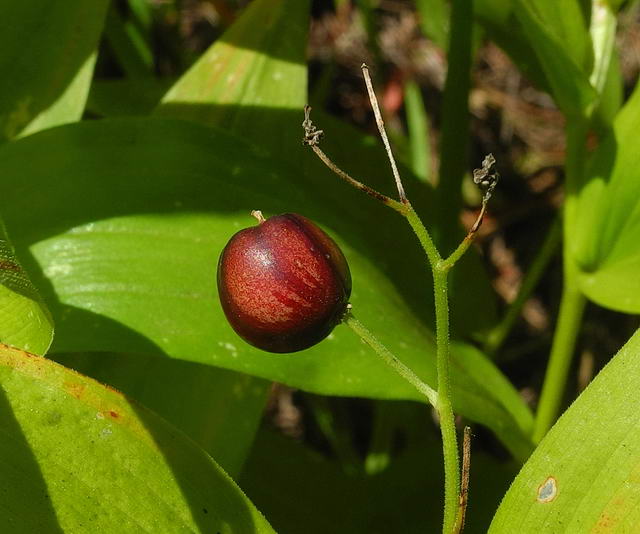
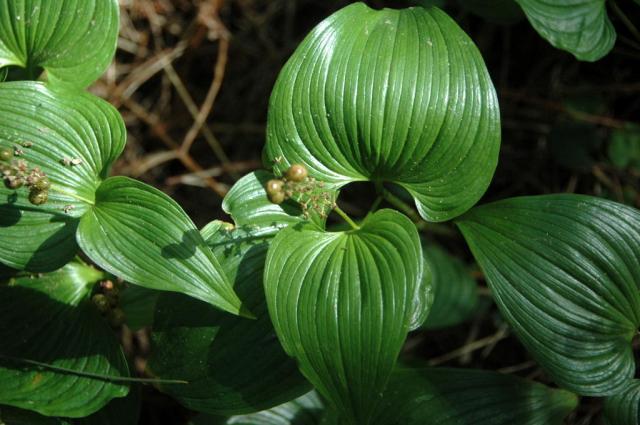
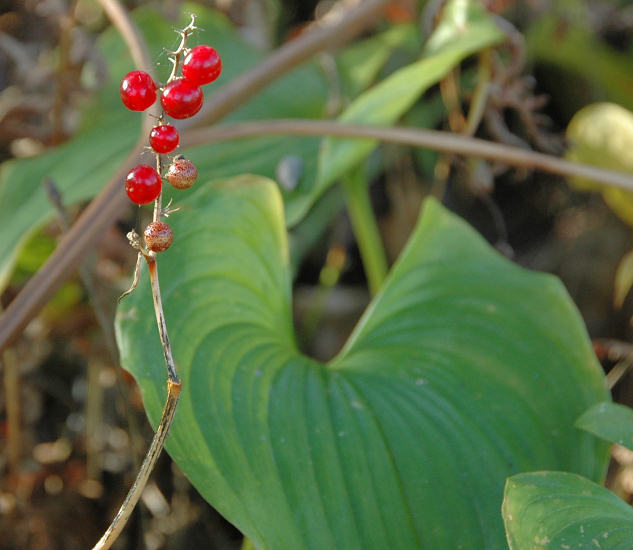
Maianthemum dilatatum (False Lily of the Valley) is found in moist shady woods where it is often seen in large colonies. Photos of the leaves taken at the Mendocino Coast Botanical Gardens by Mary Sue Ittner and of the flowers in Sonoma County and the berries in various stages in Mendocino County by Bob Rutemoeller.
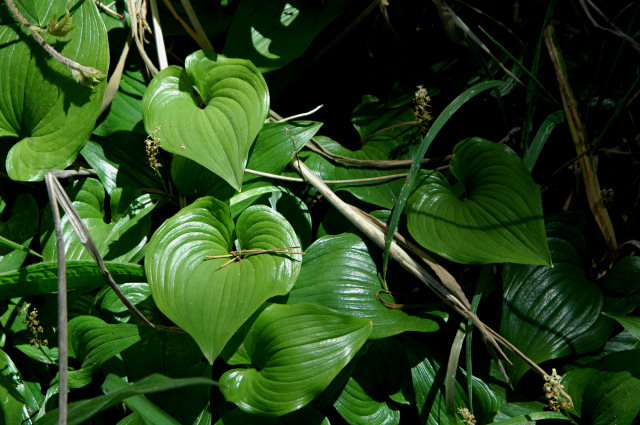
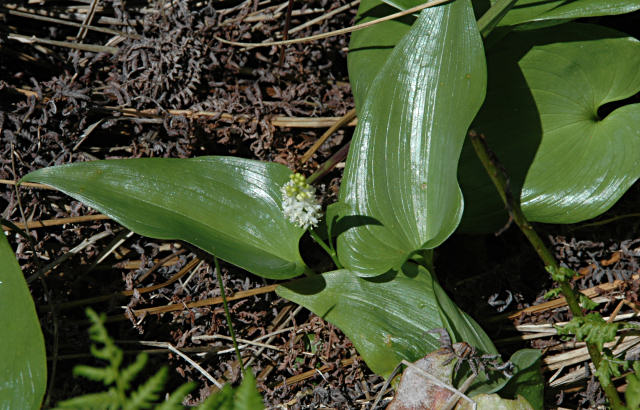
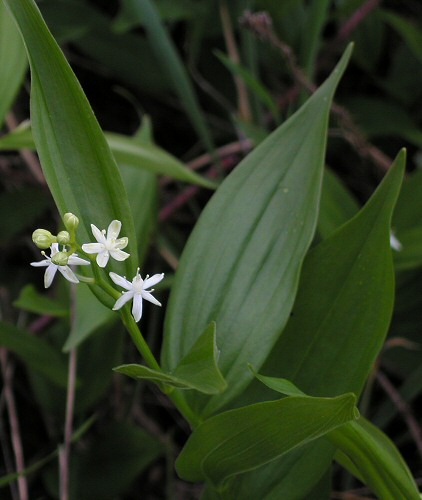
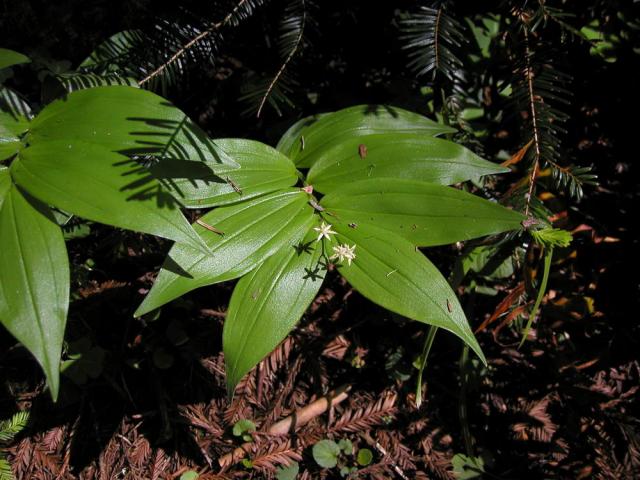
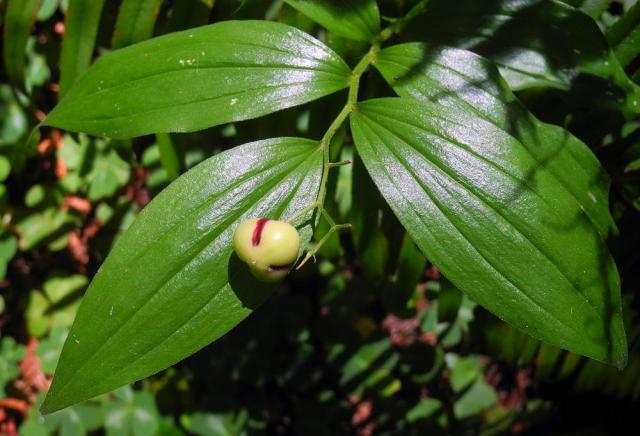
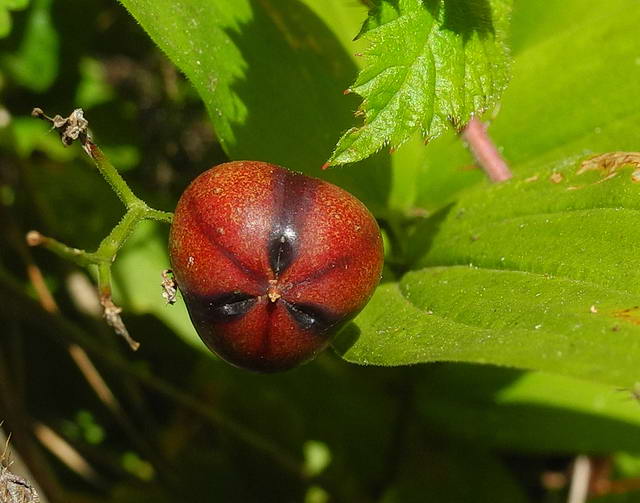
Maianthemum racemosum syn. Smilacina racemosa (False Solomon’s Seal) is found in moist woods and stream banks to open forests. The first two photos by Bob Rutemoeller of plants in flower in May 2003 and fruit June 2004. The second two by Mary Sue Ittner were taken in Sonoma County one month apart in March 2016 and April 2016.
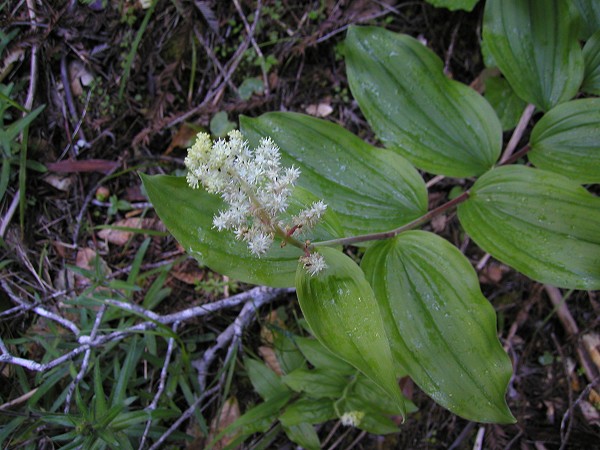
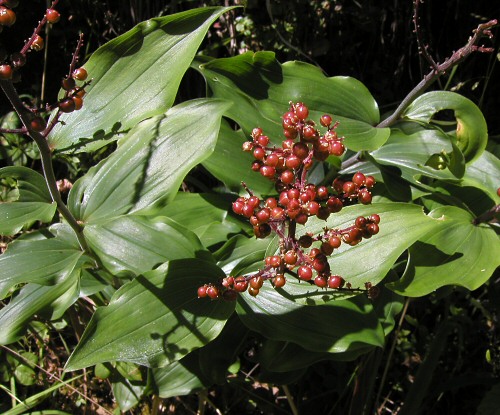
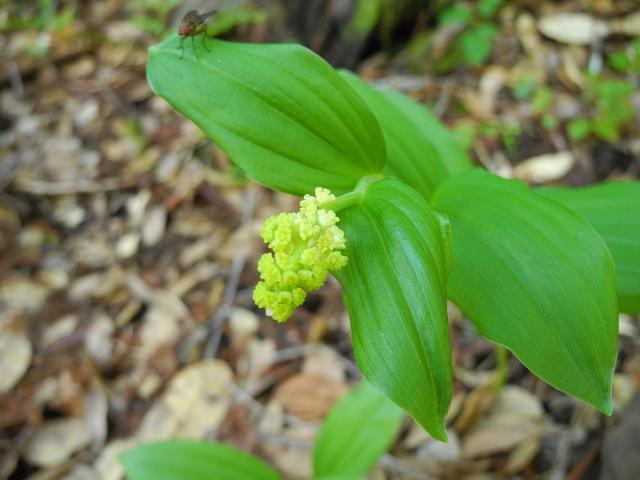
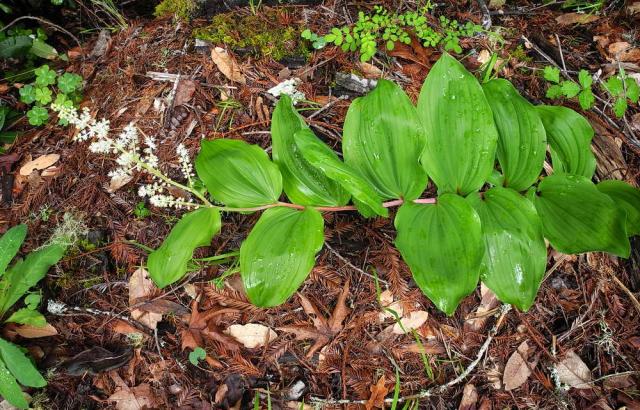
Maianthemum stellatum syn. Smilacina stellata (Star Solomon’s Seal) is found in moist woods, along streams and on well-drained hillsides where it often forms colonies. Photos by Mary Sue Ittner. The first picture was taken near Alder Creek and the next two at Stillwater Cove Park. The last two photos of mature berries were taken in Gualala Point Park.