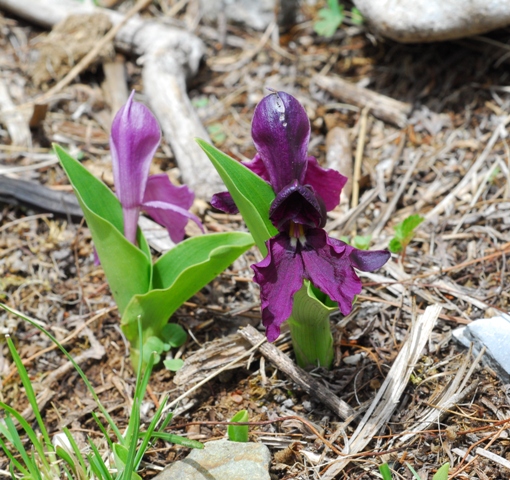
Roscoea Sm. is a small genus of late spring/summer growing plants of the ginger family, Zingiberaceae. They have a growing point from which a cluster of thickened roots descend, somewhat like a Dahlia but in miniature form. The leaves are reminiscent of a miniature sweet corn with the flower at the apex. The flower is somewhat orchid like (thinking Masdevallia) with one large descending petal and several smaller petals above and beside the main petal. Species originate mainly from India, Nepal and China.
In Tasmania they need partial to full shade and additional summer watering to grow well. They tolerate moisture when dormant and do equally well in the ground or pots. For those in cooler climates they are said to be outdoors hardy in Britain. In Canberra, Lyn Edwards found they do better in pots for her than in the ground, probably because of competition from trees and shrubs for water during hot spells. They are not difficult to grow there where there are long, hot, dry summers with temperatures in the 30's °C (90-92 °F) and winters down to -9 °C (16 °F), as long as they have enough water and protection from the sun.
Seeds should be sown fresh if possible and usually germinate easily. When sown in late summer, germination usually occurs in autumn, while seed sown in early spring emerges with the timing of mature plants. Plants in the ground often self-sow. Jack Elliott found that seeds from collecting expeditions, often not very fresh, germinate OK. In such cases, they should be sown as soon as possible and the pots kept outside in the cold through the winter, where they germinate in late spring. Seed is arilate.
Roscoea was discussed by the Pacific Bulb Society list in February 2003 as the topic of the week. Rob Hamilton and Lyn Edwards introduced the discussion. The information above was taken from the introduction. Click here for the whole Co-Introduction. Another good resource is the online Flora of China
The genus was named by James Edward Smith in honor of his friend William Roscoe, the founder of the Liverpool Botanic Garden.
Roscoea growth forms a pseudostem, a tightly-wrapped cone of leaves. The flower which emerges from this has three petals. The top (or dorsal) one is the largest and appears as a hood. The remaining structures which look like petals are four sterile stamens (staminodes); the lower two are fused together to form a labellum or lip which serves as a landing pad for pollinating insects. The stamen has an anther with two pollen sacs, and between these the style runs to the stigma. The base of the stamen has two spurs (yellow in the photos); pressure on these by pollinators makes the stamen bend, depositing pollen and touching the stigma on their back. Annotated photos by David Pilling.
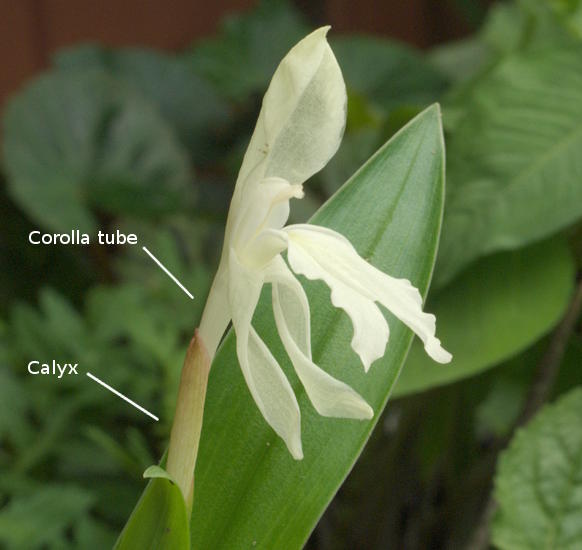
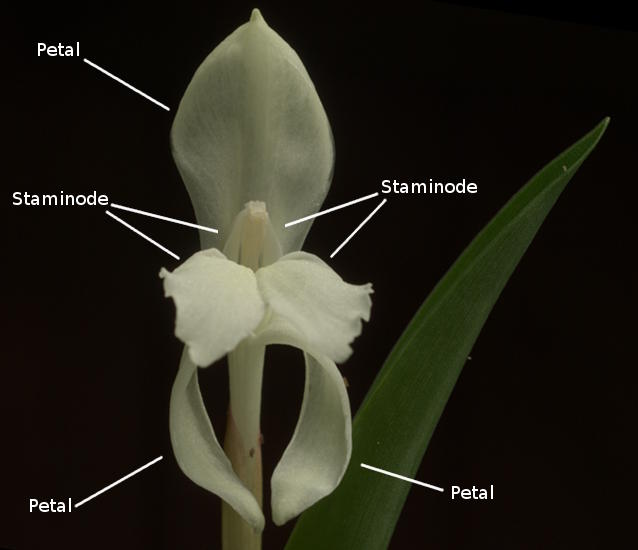
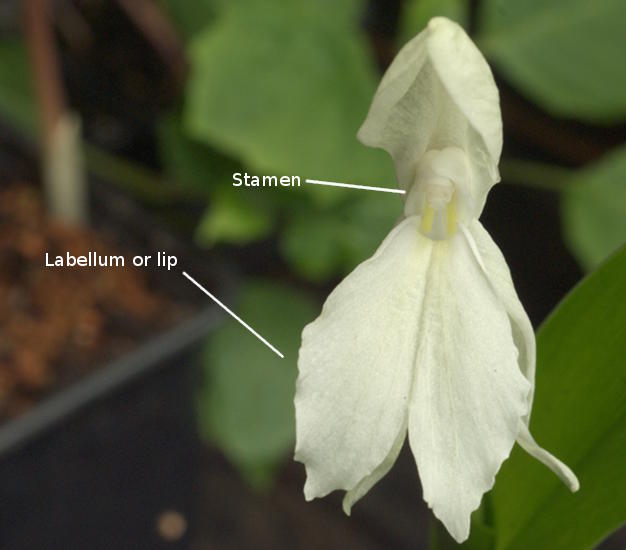

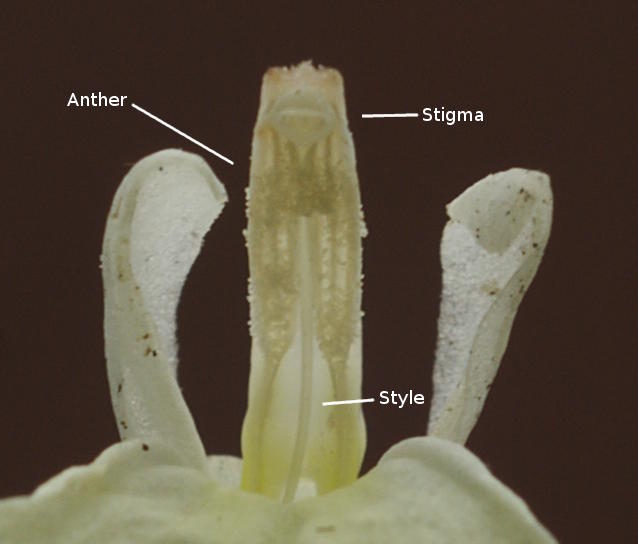
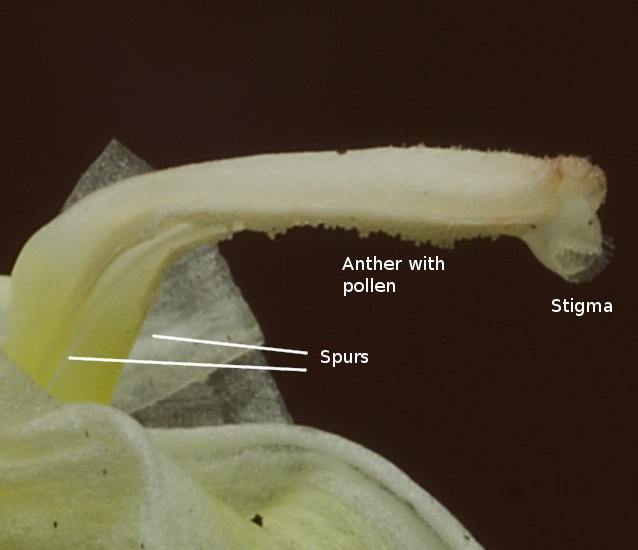
Video by David Pilling, 5 pm June 4th 2013, showing how Roscoea humeana flower works
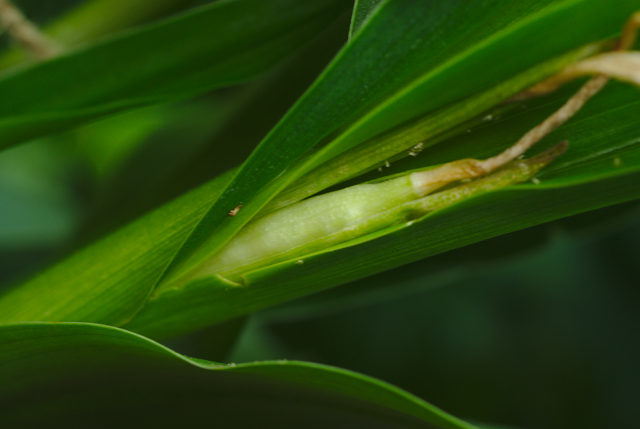
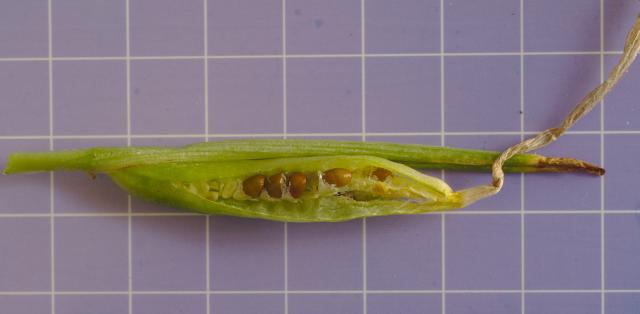
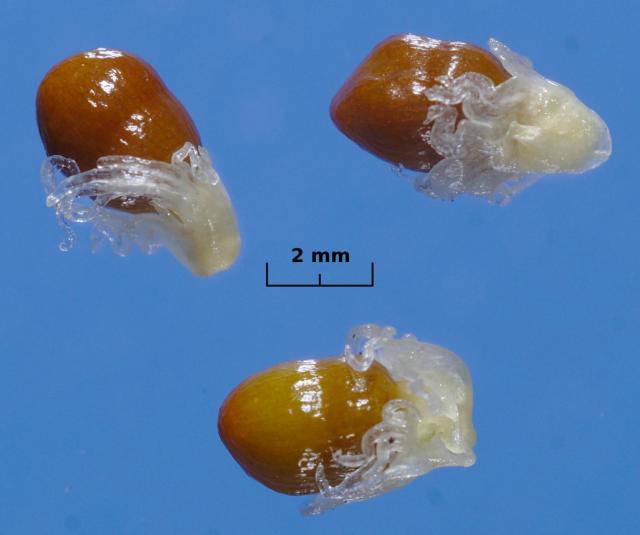
In photograph 1 of typical roots on a 10 mm grid in fall, notice the pinkish area at the top from which next year's growth will come. Photo 2 shows an emerging shoot where the wrapped leaves are apparent. Photo 3 displays a forming seed pod. The stems on some seed pods are not long enough to push them clear of the leaves and it is hard to collect seeds. Photo 4 shows a seed pod which it was possible to pick (10 mm grid). Photo 5 pictures the arils on fresh seeds. Photo 6 shows shoots in Spring.
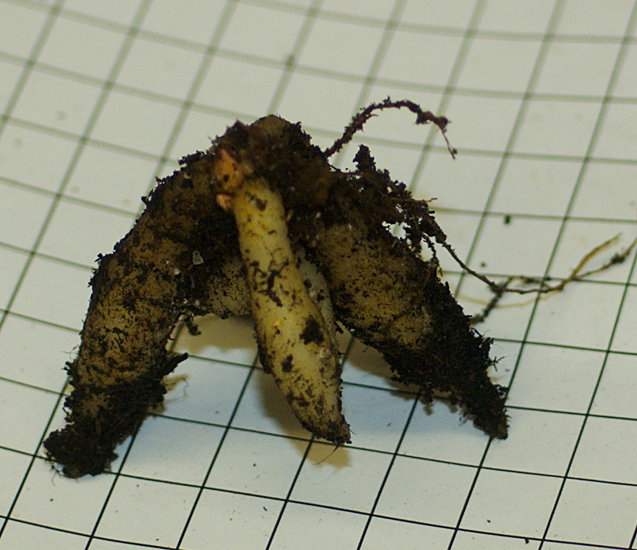
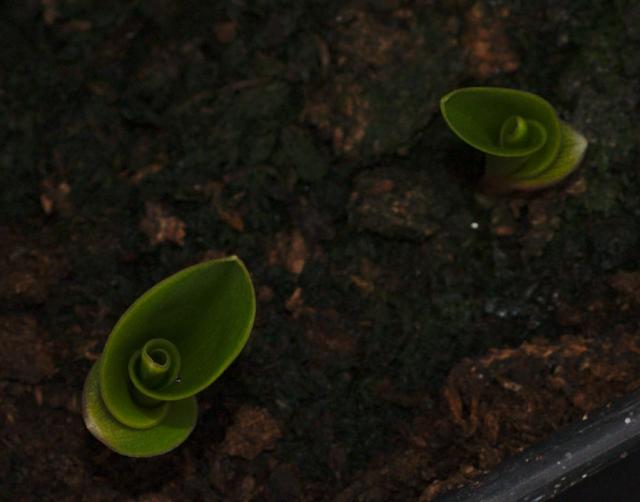

Photos showing flower color can be variable, the two flowers on the left of the first photograph are on the same stem.
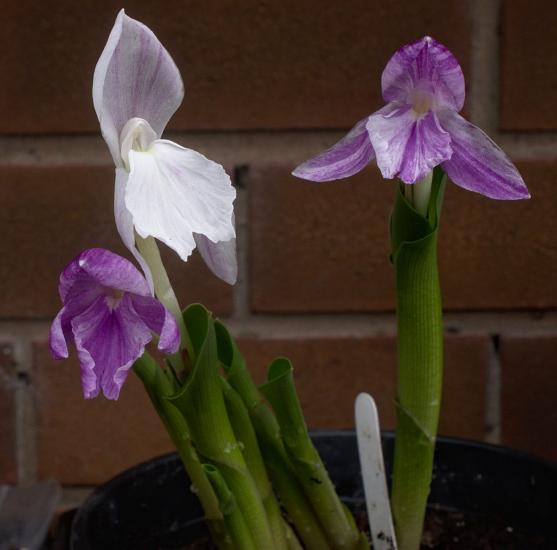
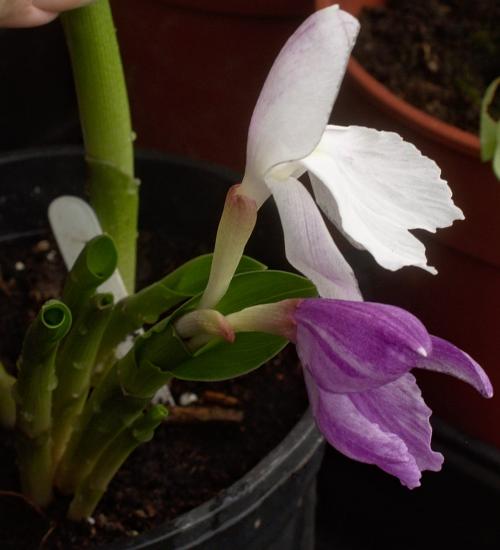
Roscoea alpina Royle is native to the Himalayas, growing to about 30 cm. Photo by Rob Hamilton of plants flowering in January in Tasmania.
Photographs by David Pilling. Photo 1 shows seed on a 10 mm grid, and photo 2 seedlings in a 2-inch wide pot about three weeks after being sown at 65 °F. The remaining photos show the resulting plants flowering later the same year. This is the pink form which is common in cultivation and seed exchanges -- obviously it is quick growing and flowering. In photo 3 the stigma can be seen to have dropped from between the pollen sacs. Roscoea alpina is often confused with Roscoea scillifolia - Flora of China provides a key and Ian Young has a go at explaining the difference here and here.
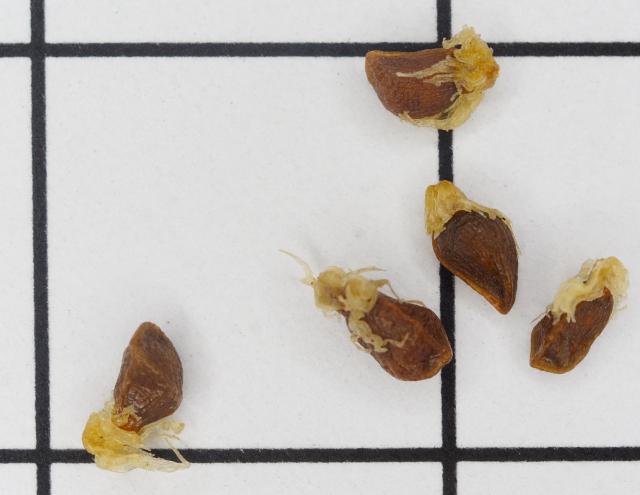
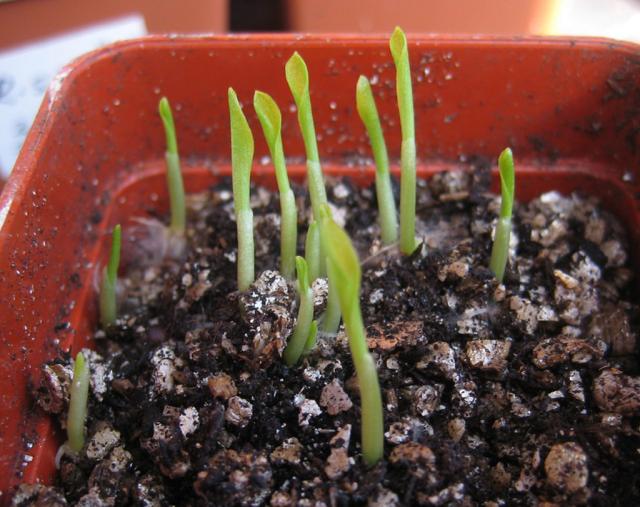
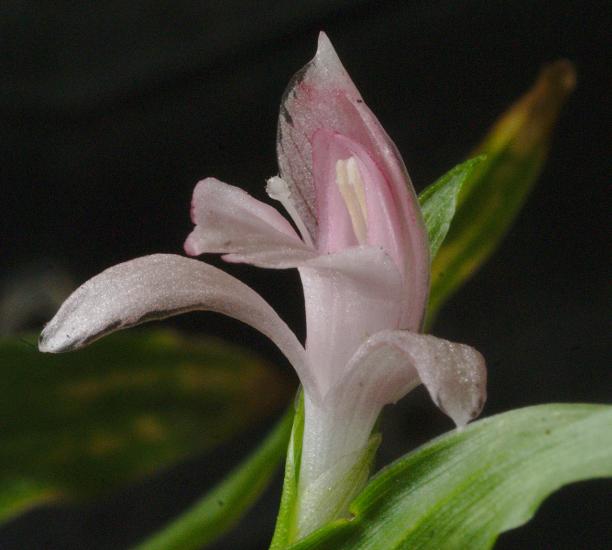
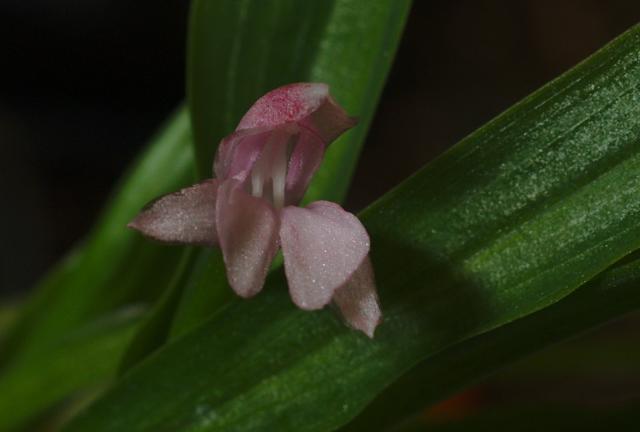
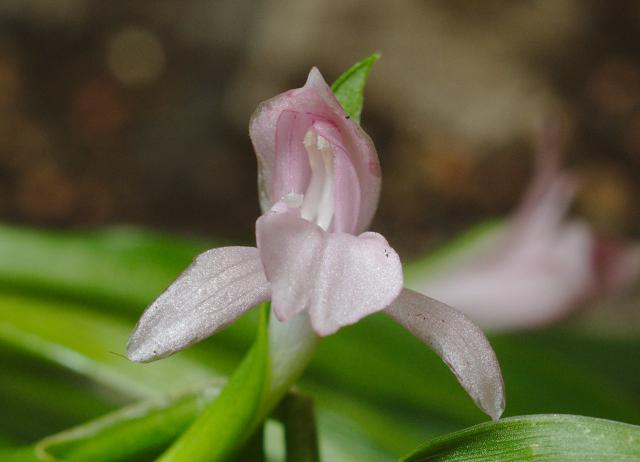
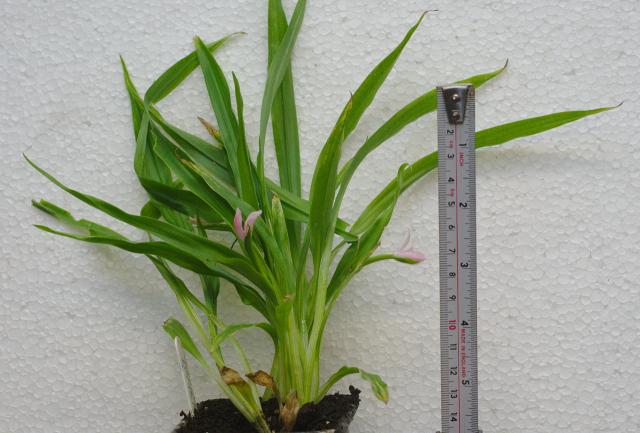
Photo 1 shows a seed pod alongside a flower. Photo 2, the same seed pod after it burst.
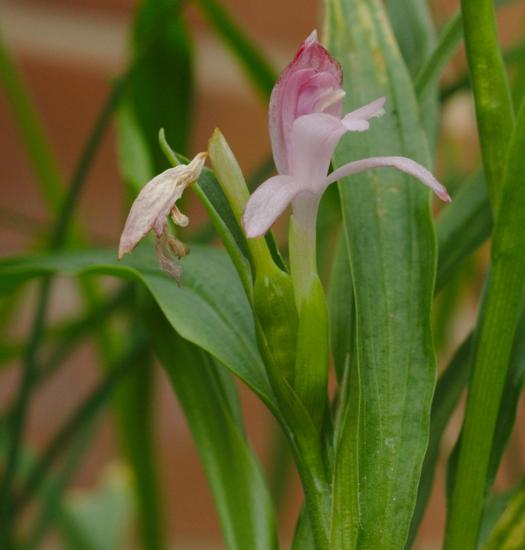
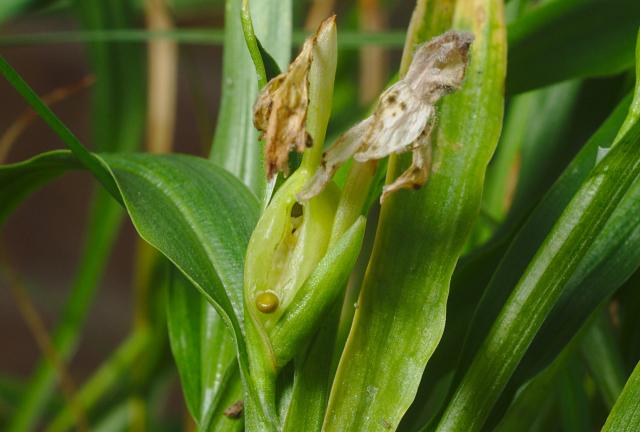
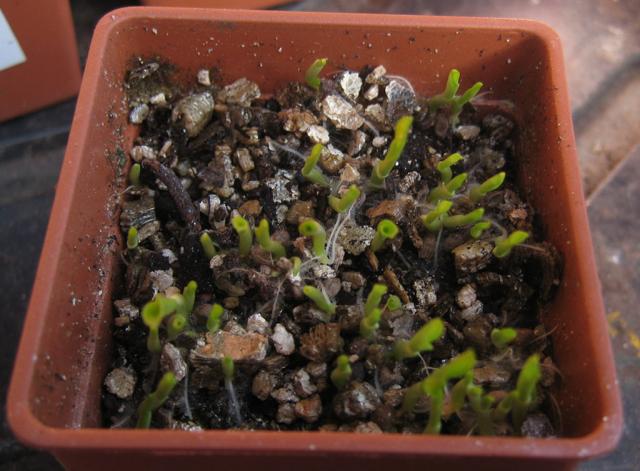
Roscoea auriculata K.Schum. occurs in the eastern Himalayas, in Tibet, Bhutan, Nepal and Sikkim. It grows to about 40 cm high. The first photo was taken by Rob Hamilton of plants flowering in January in Tasmania. The next two photographs from David Pilling show seed on a 10 mm grid and seedlings in a 2-inch wide pot about three weeks after being sown at 65 °F.
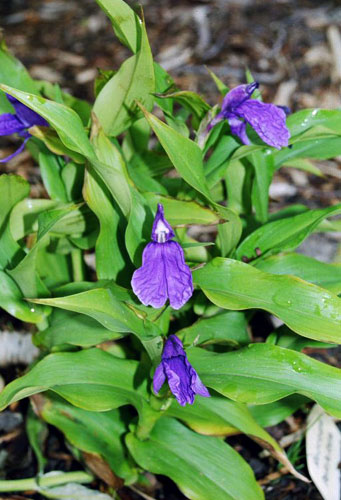
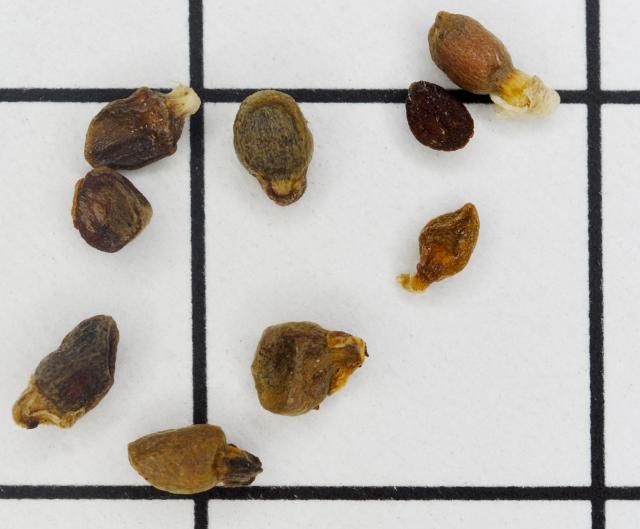
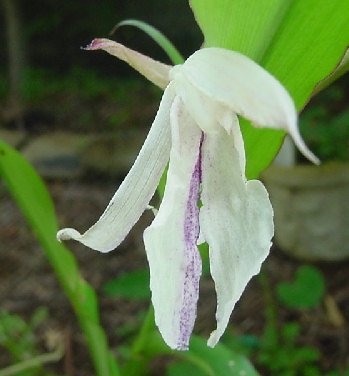
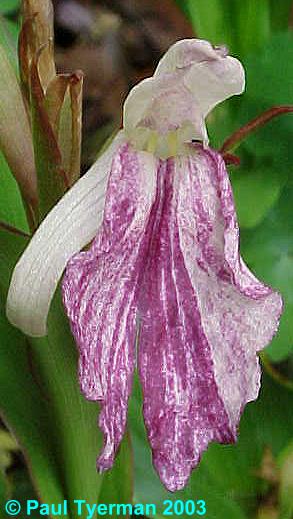
Roscoea × beesiana Cowley & C.Whitehouse is a hybrid between Roscoa auriculata and Roscoea cautleyoides that grows to about 40 cm. It has cream flowers, with the lip often streaked purple. Photos of plants flowering during January in Canberra by Lyn Edwards and Paul Tyerman.
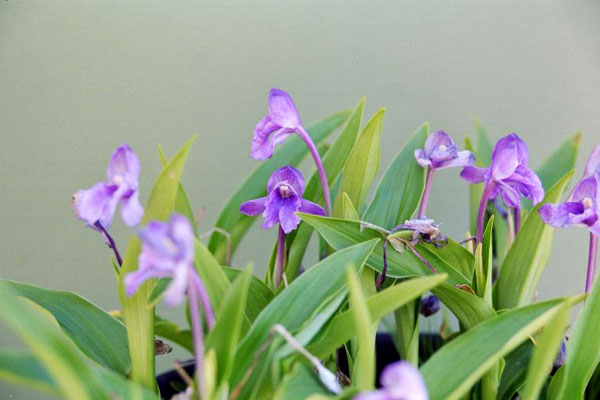
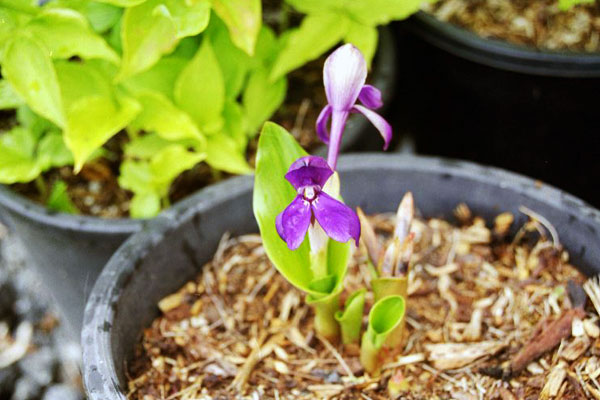
Roscoea capitata Sm. is native to Nepal and grows to 30-50 cm. Photo by Rob Hamilton. of a plant flowering in December in Tasmania that could be this species. It is a rich, deep purple.
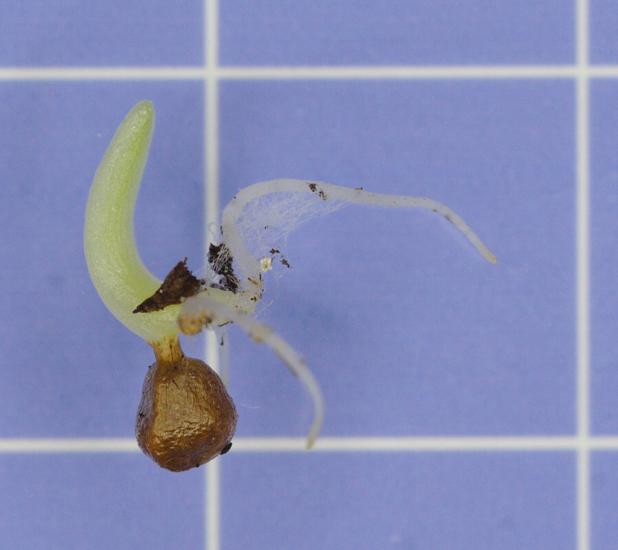
Roscoea cautleyoides Gagnep. is endemic to China, from Sichuan and Yunnan provinces, found growing in pine forests and meadows at 2000-3500 meters. Flower color can vary from yellow to purple, white, or pink. Stems reach 6"-24" (15-60 cm) tall, flowering before or with the leaves, from May-August, depending on the form. Photo 1 was taken by Rob Hamilton of plant flowering during November in Tasmania. Photo 2 was taken by Bob Rutemoeller at Wisley in the UK during May 2005. Photo 3 was taken by Nhu Nguyen at the Royal Botanic Garden at Edinburgh in August 2010. Photos 4-6 of seeds, a seedling (both on a 10 mm grid) and seedlings by David Pilling. Germination occurred after about three weeks exposure to moisture at 65 °F.
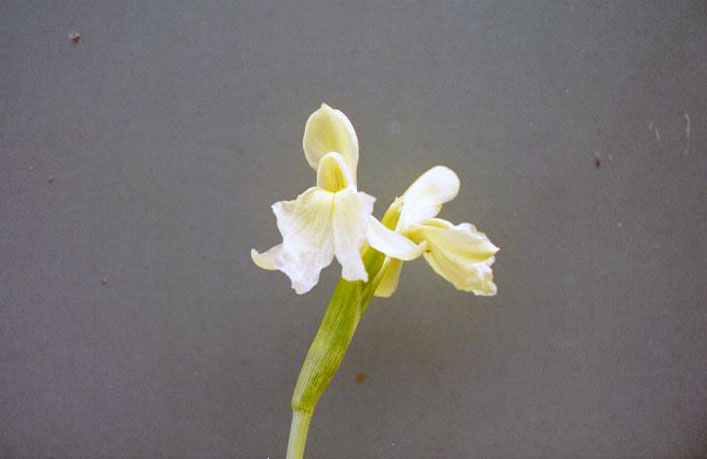
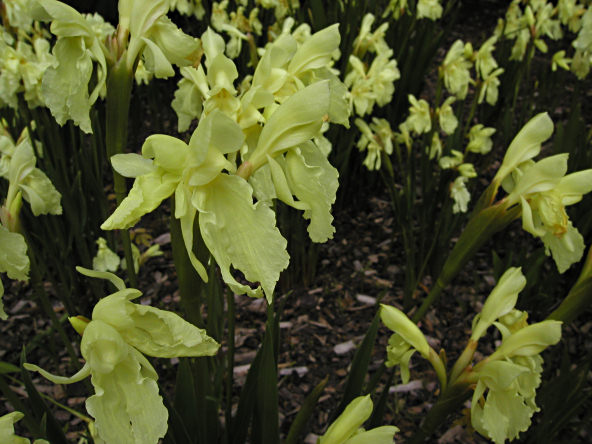
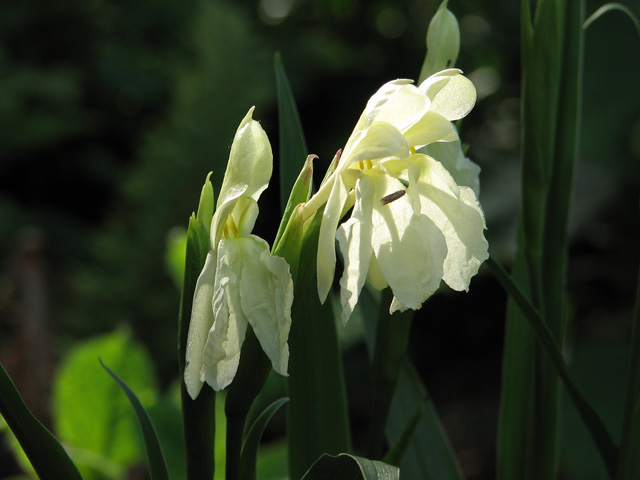
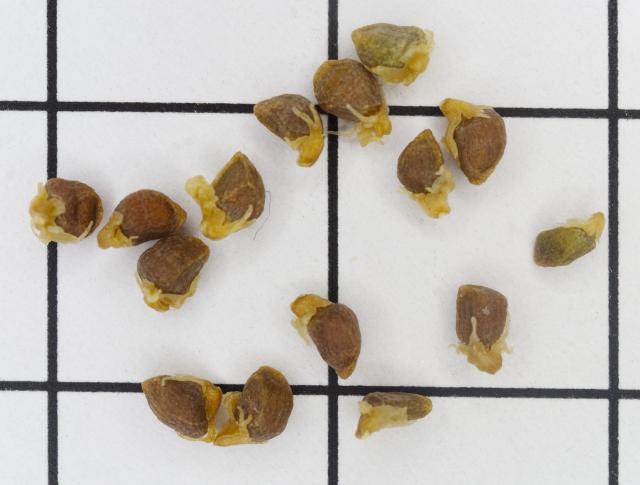

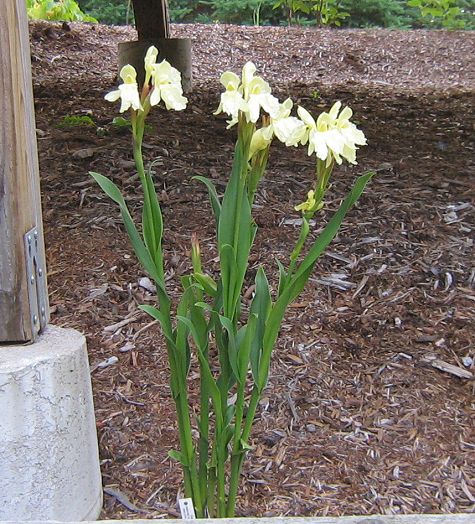
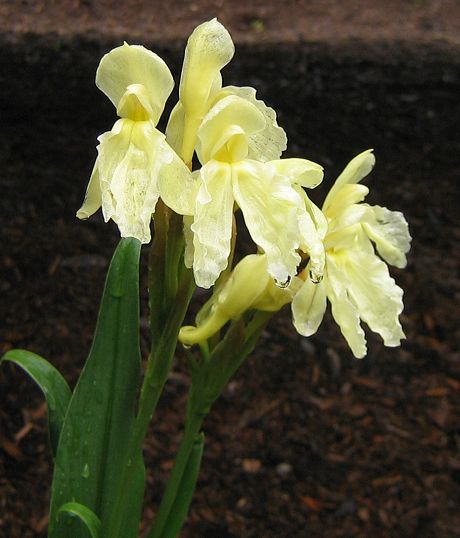
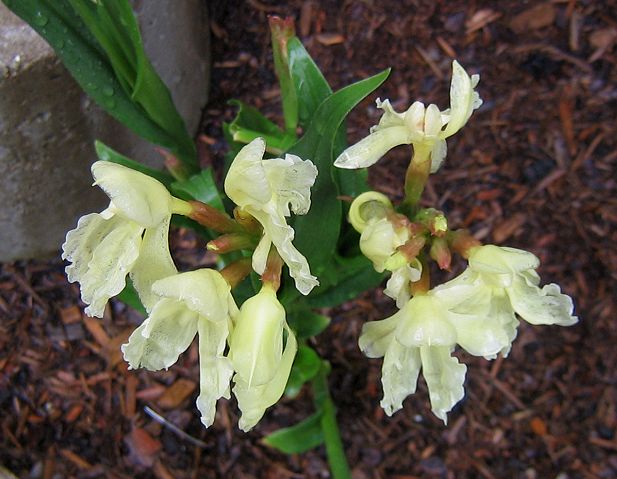
Four photos added by Mark McDonough who wrote:"My plants are May-June flowering, with a fall rebloom, growing erect to 18" (45 cm) tall, and pure light yellow flowers. Difficult to capture the color well in digital photos, here are a few photos to capture the essence of the plant. Photos taken June 8, 2006."
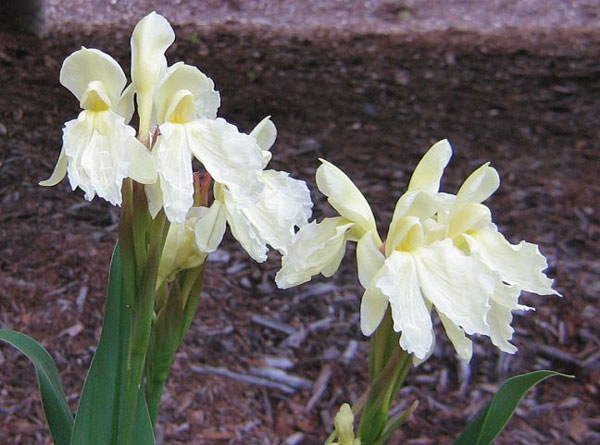
Three photos taken by Oron Peri in its habitat in northwest Yunnan showing two color forms.
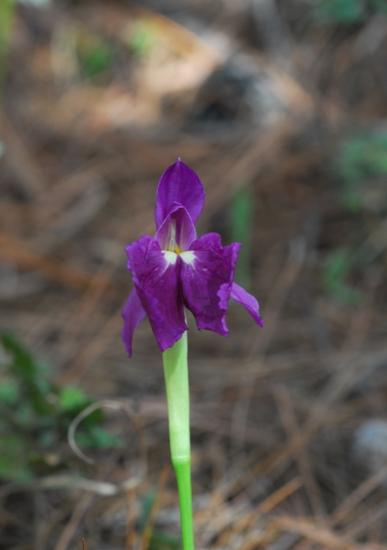
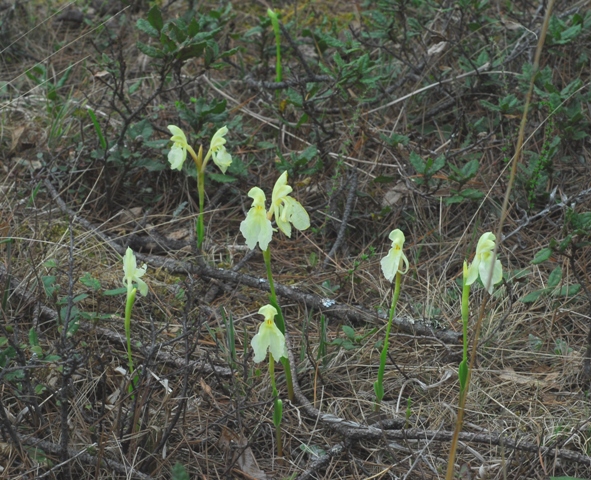
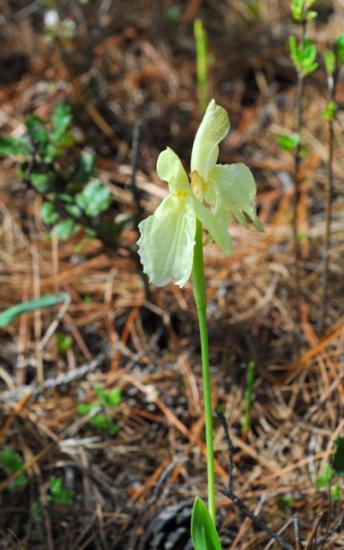
Roscoea humeana Balf.f. & W.W.Sm. is native to the mountainous regions of the Himalayas, particularly found in areas of Nepal, India, and Tibet. It grows at altitudes ranging from 1,800 to 3,000 meters. Height range: to about 30 cm. The first photo of plants flowering during December in Tasmania by Rob Hamilton and the second taken by Bob Rutemoeller at Kew Gardens (England) in May 2004. Photos 3-6 taken by Oron Peri in its habitat in northwest Yunnan; the split dorsal petal in the first of these photos is unusual.
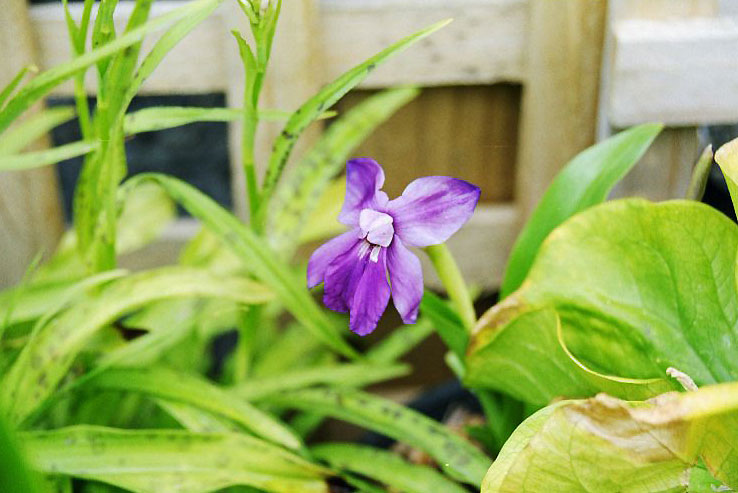

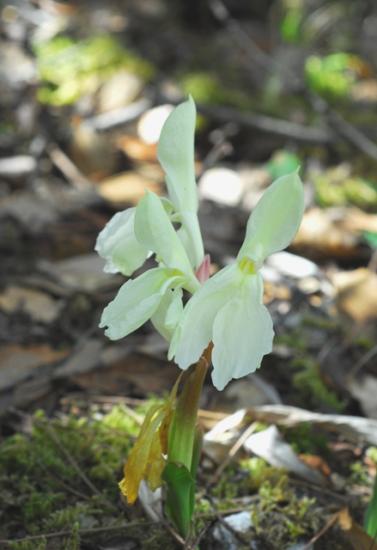
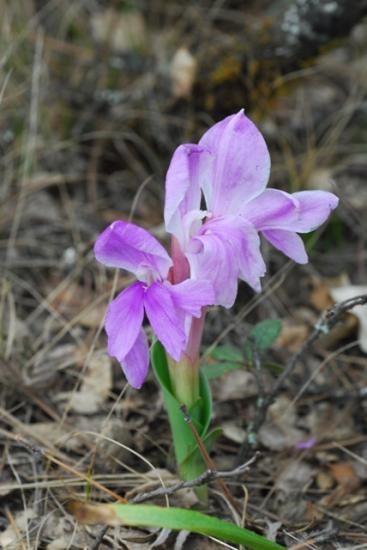
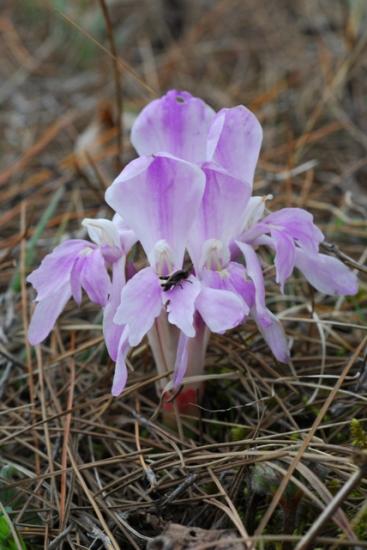
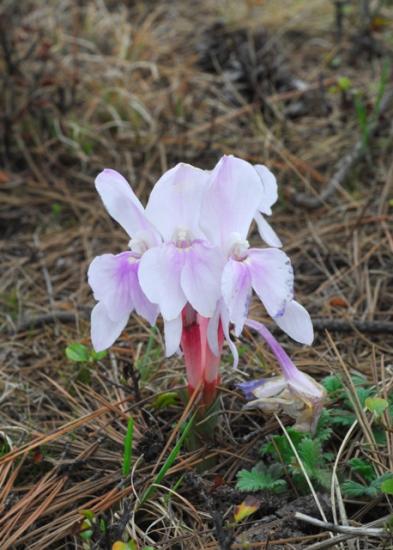
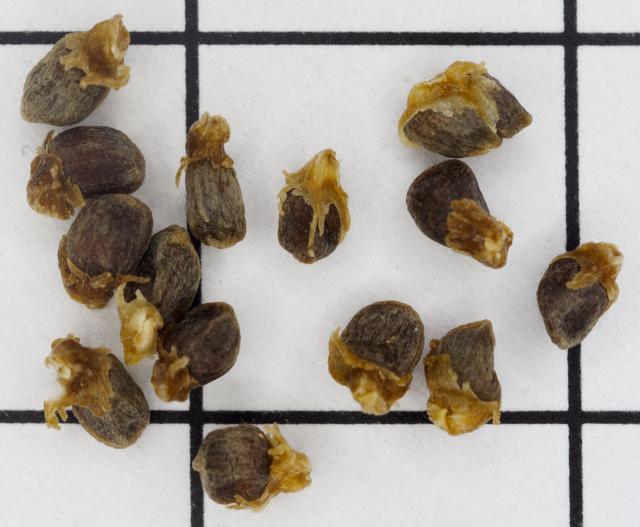
Roscoea purpurea Sm. is native to the Himalayas. This is a low growing form with the stems streaked and striped red-brown on the edges and deep purple-brown underneath, below a pale violet-rose flower 5.5 cm long by 3.5 wide, in which the tube and hood are darker rose. After growth is completed in the autumn, the entire plant turns rich pink-purple before dormancy. Photograph of seed on a 10 mm grid by David Pilling.
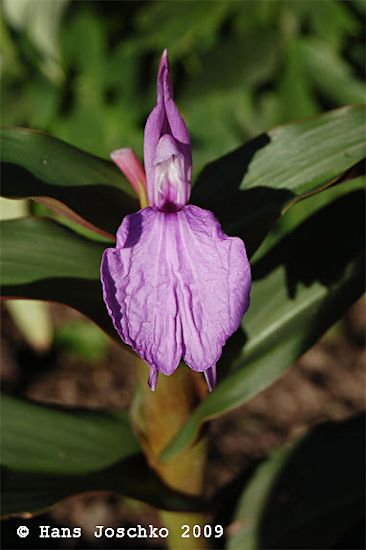
Roscoea purpurea 'Brown Peacock' is low-growing with the stem and back of the leaves streaked with brown. Photographs from Hans Joschko and Martin Bohnet.
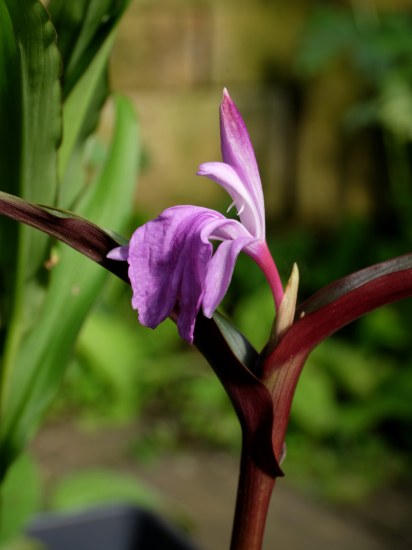
Roscoea purpurea 'Red Gurkha' The photos below were taken by Nhu Nguyen in early August at the Royal Botanic Garden, Edinburgh. It is grown in the ground in a shady spot with only spotted sunlight.
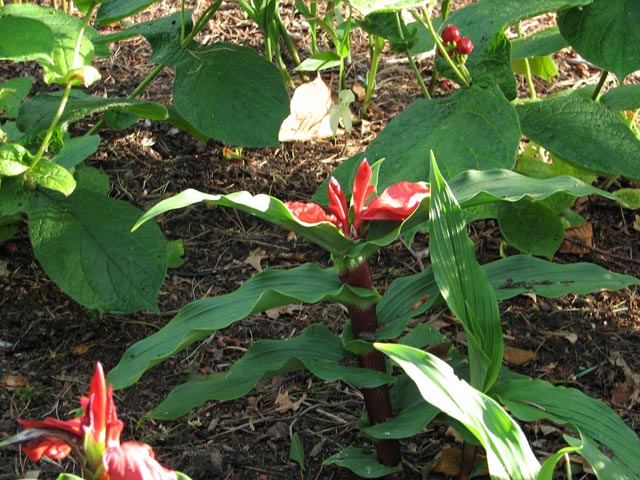
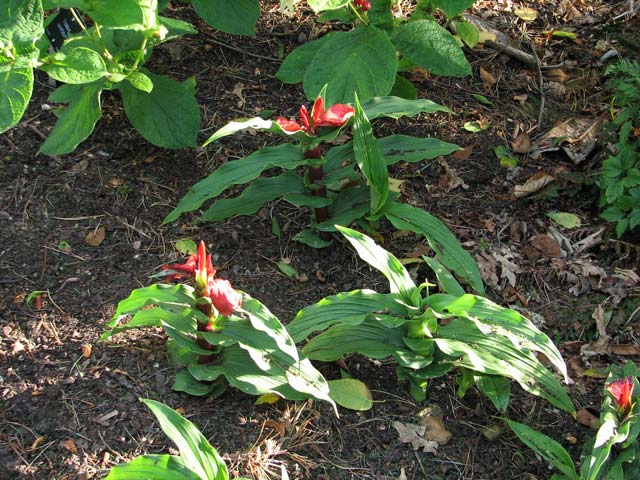
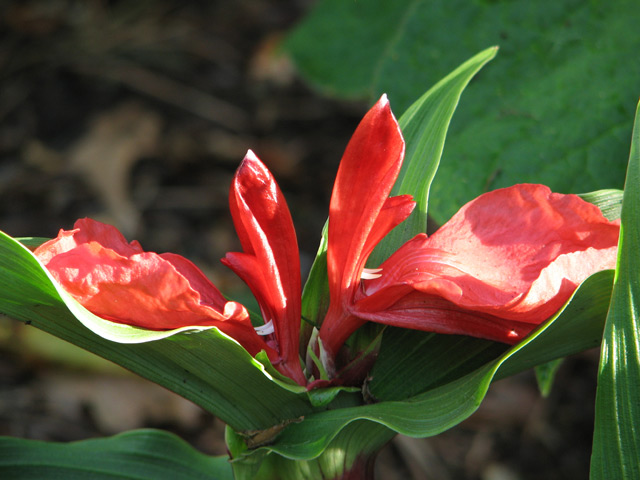
Roscoea purpurea 'Vincent' is reported to be a long blooming cultivar. Photograph from Hans Joschko.

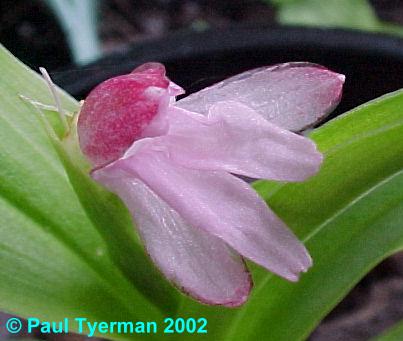
Roscoea scillifolia (Gagnep.) Cowley is native to the Yunnan province in China. The first photo by Paul Tyerman of flowering in Canberra, Australia. The second photo by David Pilling is of seed.

Roscoea tibetica Batalin is native to the mountains of China, being found in Tibet, Sichuan and Yunnan. It is a small species that usually grows in open habitats. Flowers are violet, purple, rarely white, and appear on a short pedicel to be followed by the 1-3 leaves. Photo was taken in its habitat in northwest Yunnan by Oron Peri.