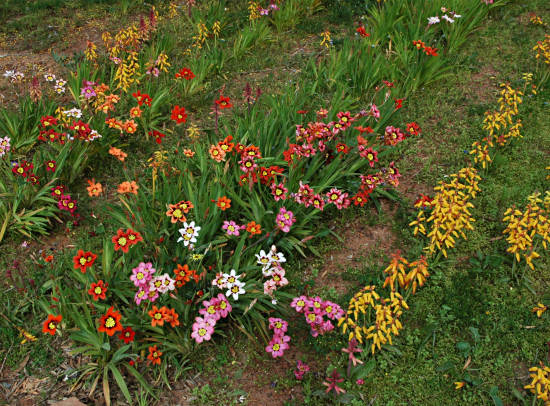
Sparaxis hybrids are often grown and bloom in one to two years from seed. If you let the bees pollinate you get many unusual beautiful flowers. In September 2006 we saw rows of them planted in South Africa near Nieuwoudtville. The second picture shows them growing with Lachenalia hybrids. Photos by Mary Sue Ittner.
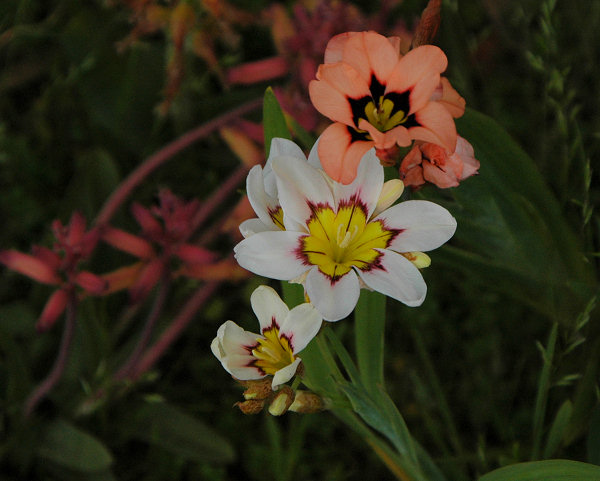
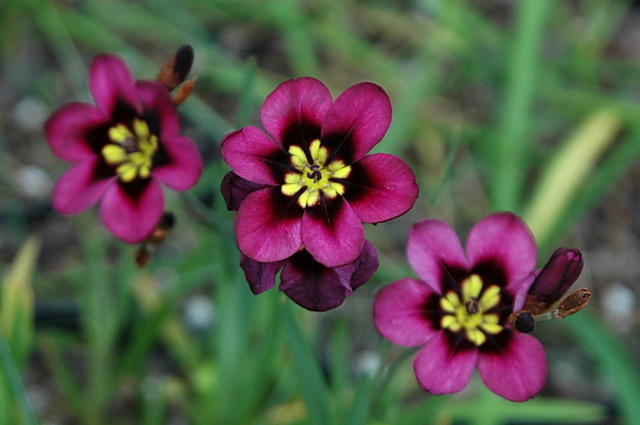
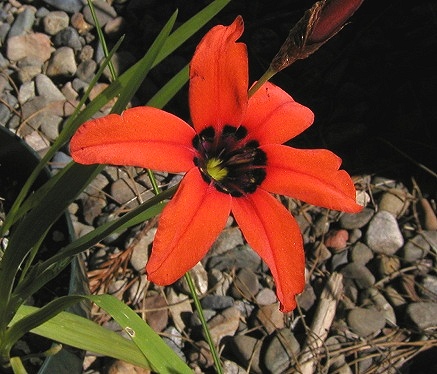
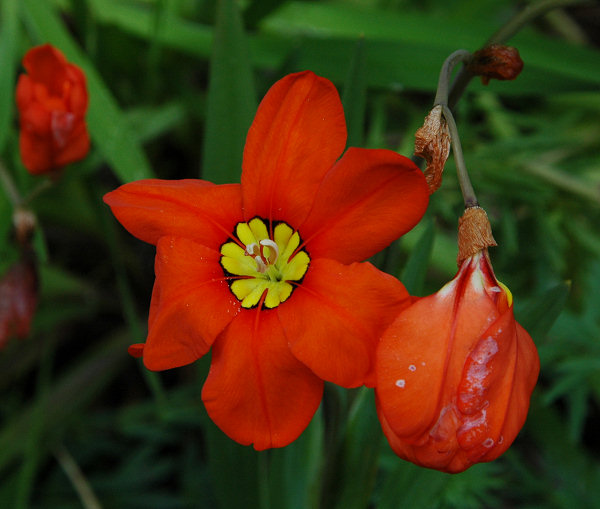
Below are a sampling of hybrids photographed by Bob Rutemoeller and Mary Sue Ittner. The first one may be influenced by Sparaxis grandiflora as the flowers are purple. The second one is red with a dark center, probably with Sparaxis elegans and Sparaxis tricolor in its heritage. The third and fourth are bright red and bright orange and probably have Sparaxis tricolor in their heritage. You might see either offered as that species.


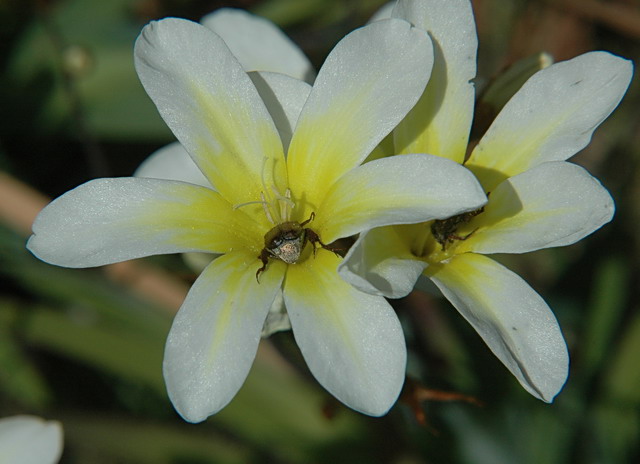
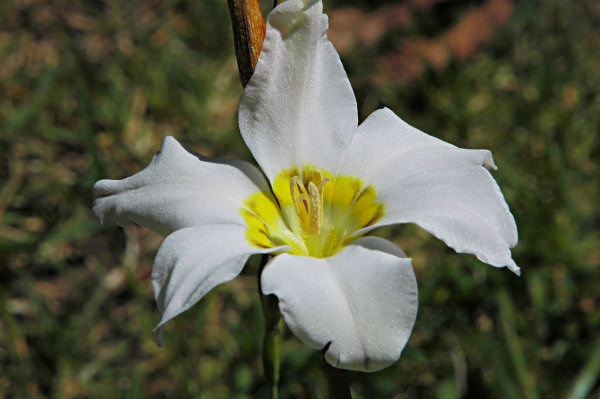
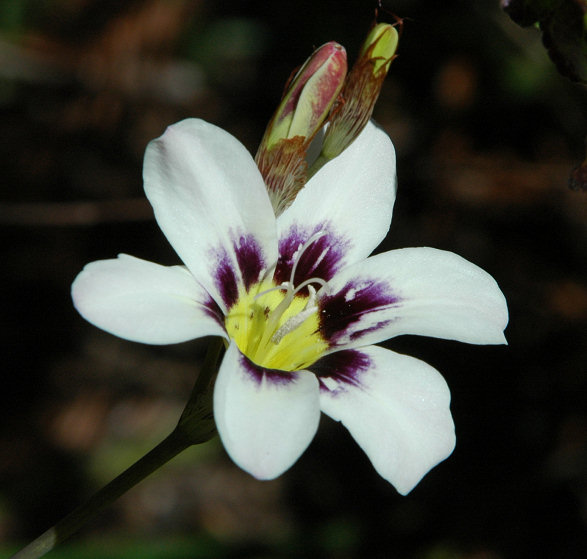
Below are white varieties photographed by Mary Sue Ittner and Bob Rutemoeller. The first picture is a form that no doubt has Sparaxis bulbifera in its heritage. Even in California a beetle has found it to pollinate it. In subsequent years you can have a mass since many multiply by cormlets as is shown in the second photo. Some hybrids grown from seed are more likely to do this than others. The fourth one looks like it could have Sparaxis grandiflora in its heritage.

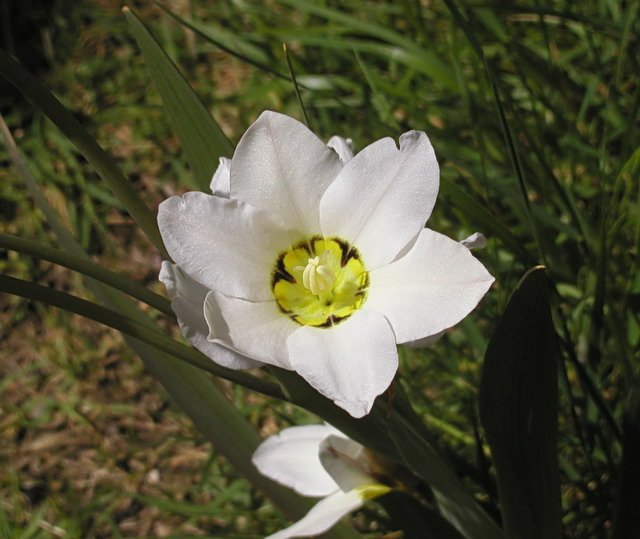
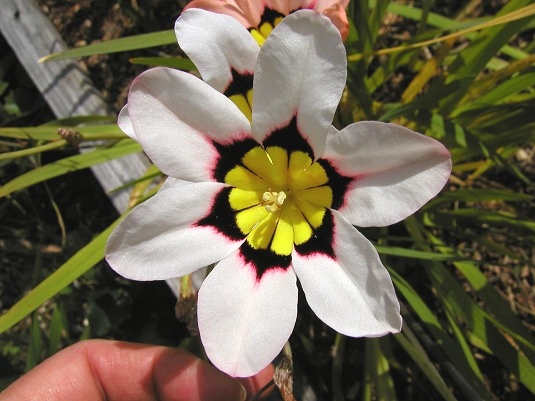
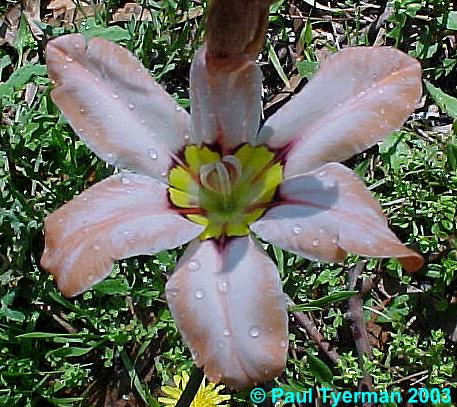
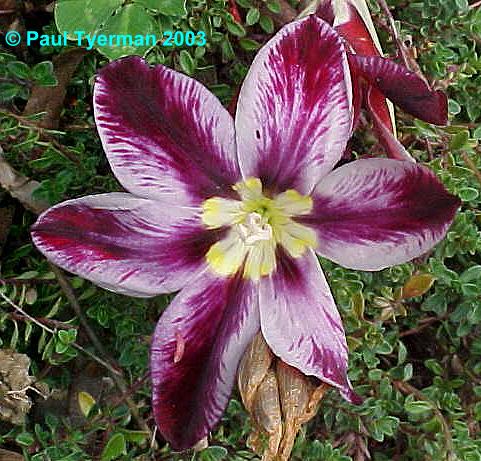
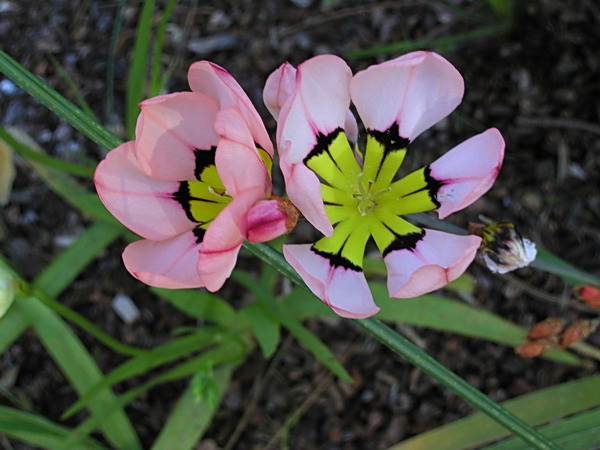
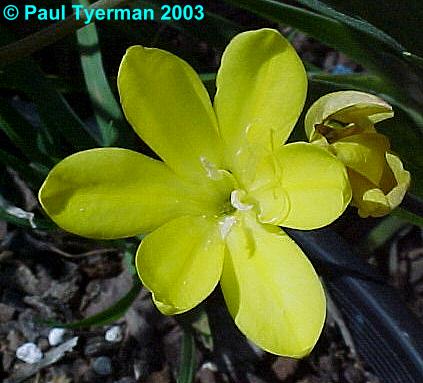
Some more interesting colour combinations. Grown and photographed by Paul Tyerman.
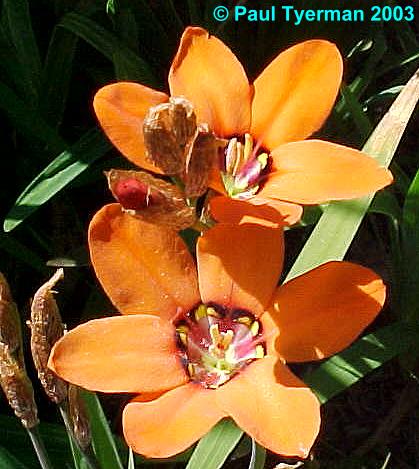
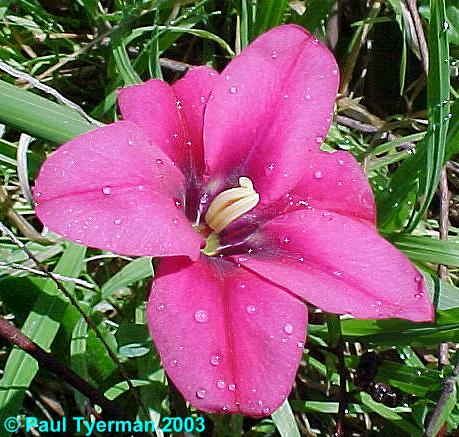
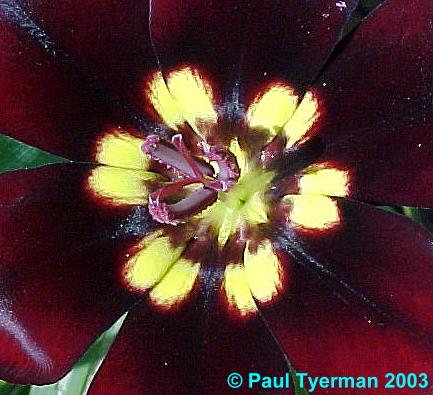
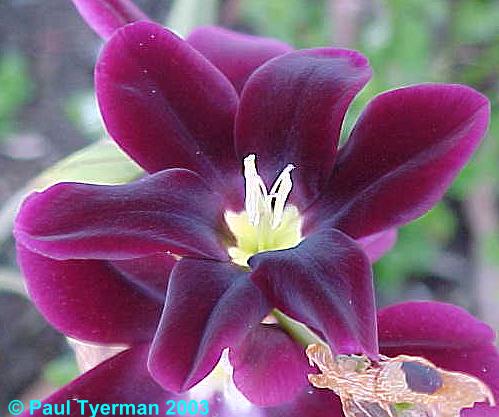
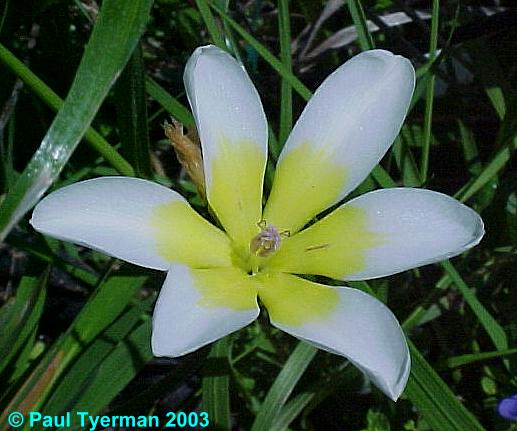
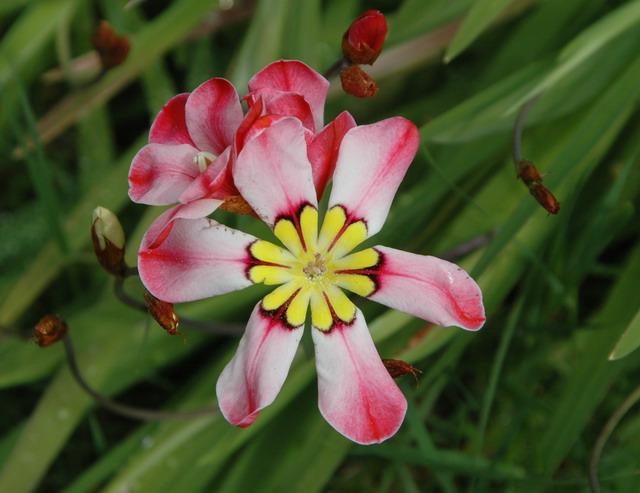
The first two pictures are of two "splash coloured" forms of Sparaxis hybrids grown and photographed by Paul Tyerman. The third is of a form that returns year after year in Mary Sue Ittner's garden. There is a question about whether the color breaks are indications of virus.