Crocus is a genus in the Iridaceae family that is widespread; it is found in Europe, North Africa and in Asia. The standard reference on the genus was Brian Mathew, The Crocus written in 1982, but at least half a dozen taxa, including new species, have been described since its publication. In 2010 Jānis Rukšāns published the book Crocuses: A Complete Guide to the Genus that includes descriptions of species and cultivation information. This PBS wiki page describes Spring Blooming crocus species c-e.
Crocus index - Fall Blooming crocus a-h - Fall Blooming crocus i-o - Fall Blooming crocus p-z - Spring Blooming crocus a-b - Spring Blooming crocus f-l - Spring Blooming crocus m-s - Spring Blooming crocus t-z
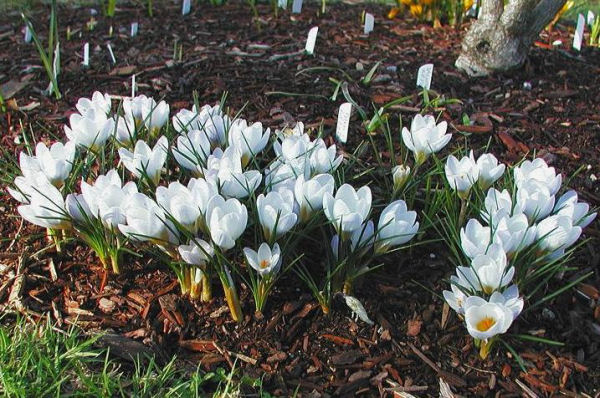
Crocus candidus E.D.Clarke reportedly grows near Mount Ida in northwest Turkey. Bowles said it was one of the last species to bloom in spring (in March to April in the UK), and said some forms of it were also among the most floriferous. "Where weeding and hoeing are not too assiduously practiced it will sow itself freely." Height: 10 cm. Photos by John Lonsdale.

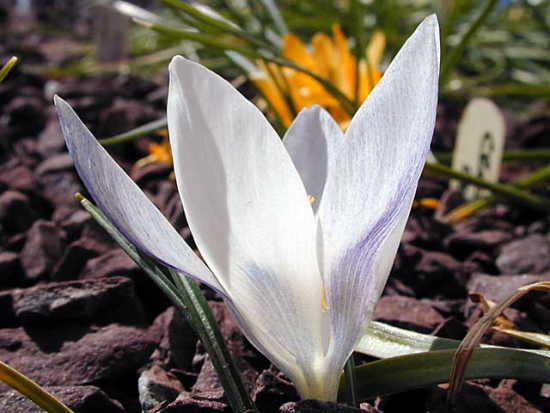
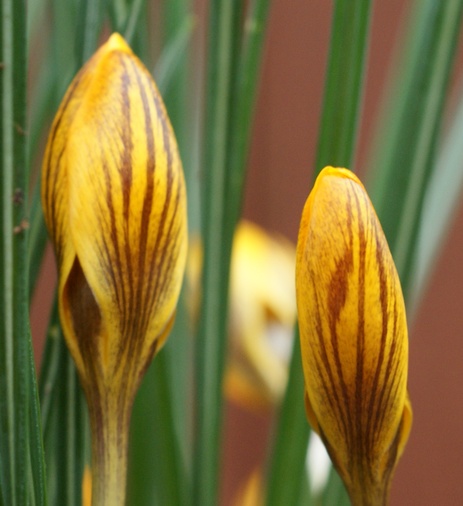
Crocus chrysanthus (Herb.) Herb. see the Crocus chrysanthus page. Height range: 7-15 cm. Representative photos of this species by John Lonsdale, Mark McDonough and David Pilling.
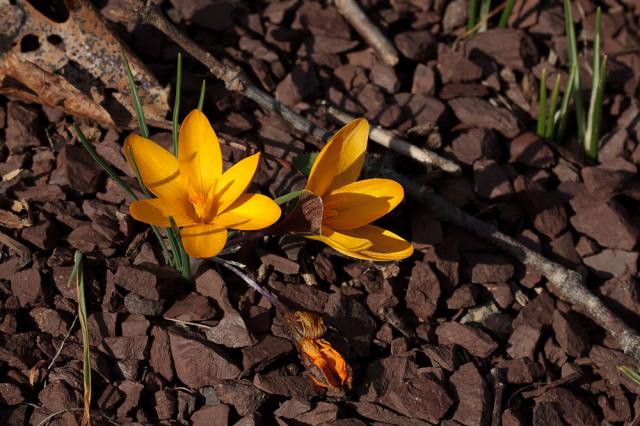

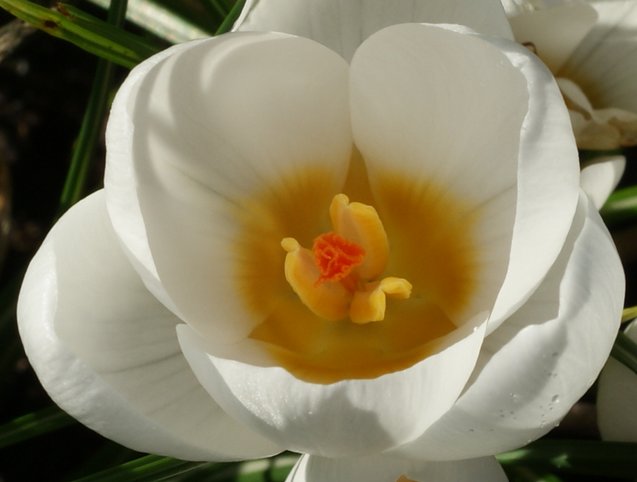
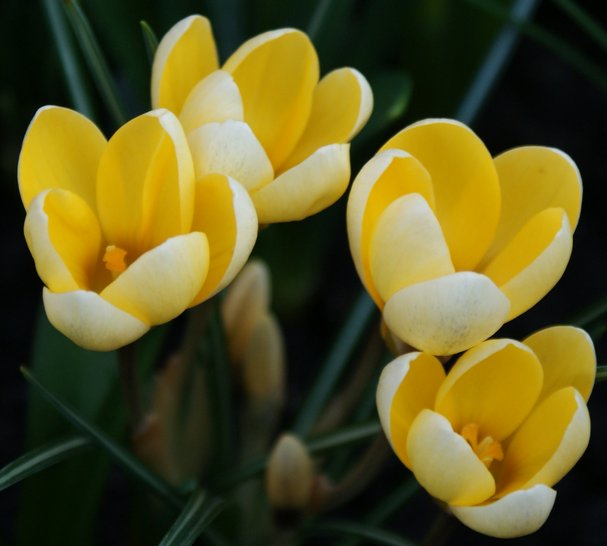
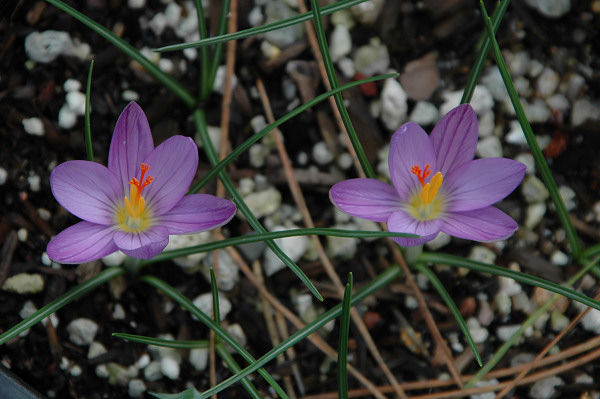
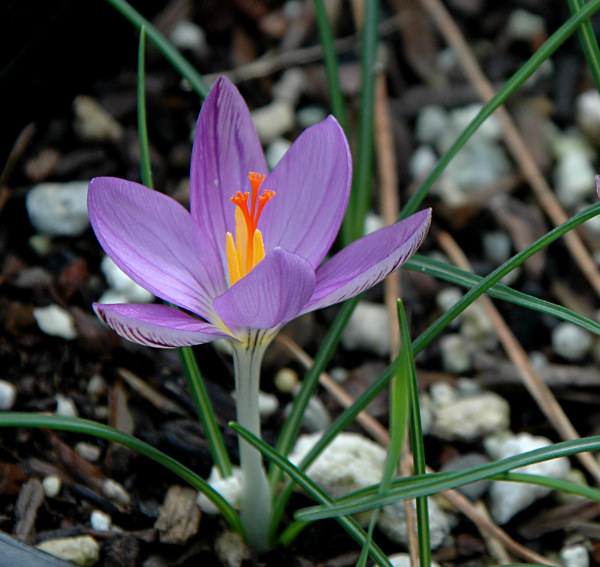
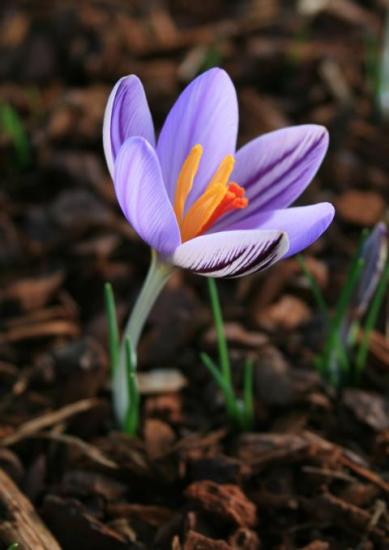
Crocus corsicus Vanucchi is from Corsica where it grows in stony and grassy places in the mountains and blooms in spring. It is lilac, striped on the outside, and has intense orange or red styles. Height: 10 cm. First photograph by Tony Goode and the next ones from Mary Sue Ittner of plants blooming January 2006.

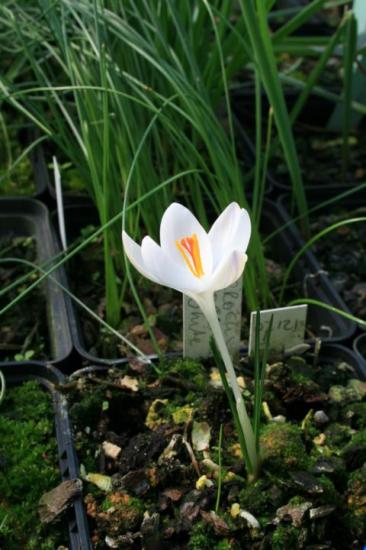
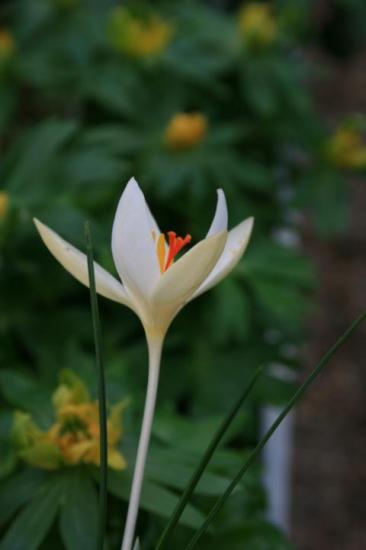
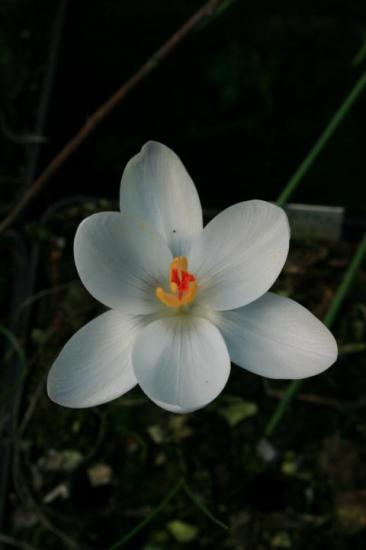
Less usual coloured forms were collected on top of one of the central mountains in Corsica where they were growing in small grass grazed by horses. The white one (rarely seen) was growing in small shrubs and it was a hell of a job to collect in-between the stones and roots without damaging the bulb. Photographs by Roland and Gemma. The last two photos are of a form they call White Mountain when they show it.
Crocus cvijicii Kosanin is native to Serbia, Greece, Albania, and Macedonia and is found in Alpine meadows blooming as the snow melts. It has showy yellow flowers with an orange stigma and blooms in spring just as the leaves are emerging. (In case you're wondering, the name is in honor of Joran Cvijic, a leading authority on the geology of Macedonia in the 1920s. Bowles wrote, "I have never discovered how this name should be pronounced, whether it is better to imitate a sneeze or, as a witty friend of mine put it, 'to play it on the violin.'") Height range: 8-10 cm. First photo by Tony Goode, second by John Lonsdale.
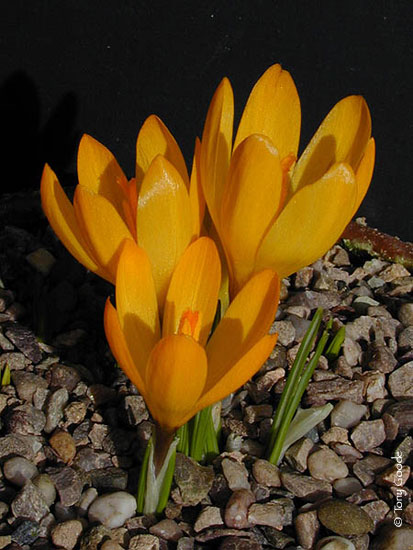
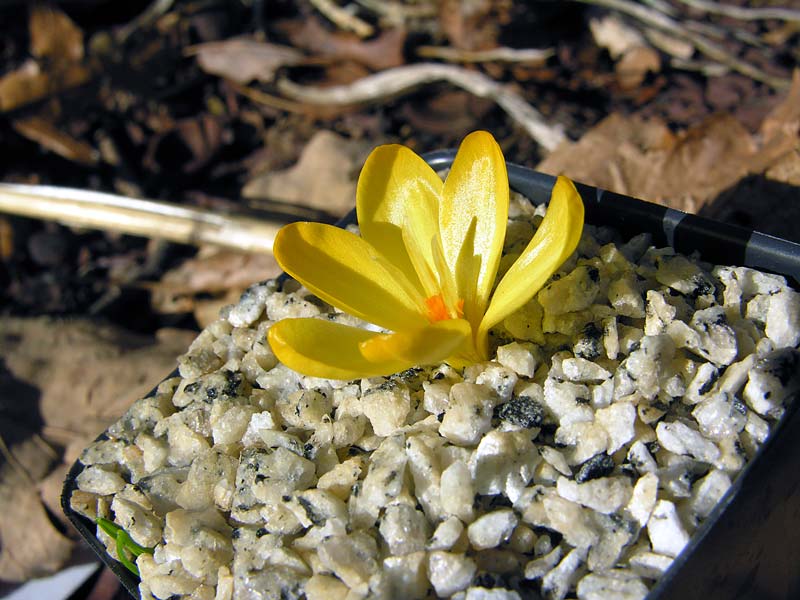
Crocus cyprius Boiss. & Kotschy comes from Cyprus, which should not be a surprise to anyone, considering its name. Bowles commented, "it is rather delicate, but so beautiful that it is worth protecting in a frame or under a hand-light." Height: 10-15 cm. Photos by John Lonsdale.

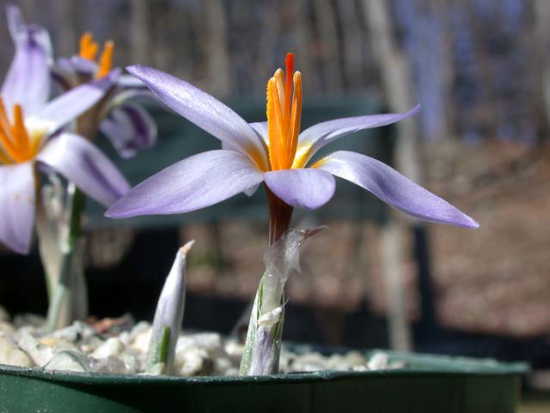
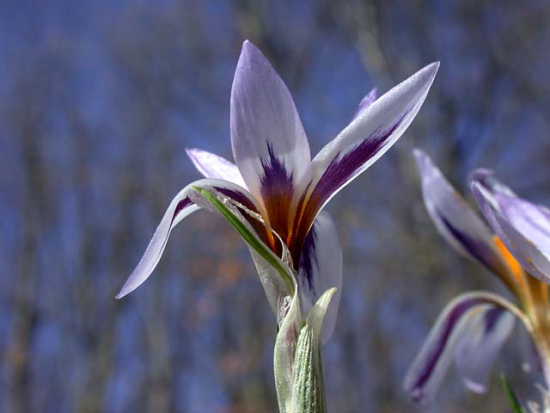
Crocus dalmaticus Vis. grows along the eastern shore of the Adriatic Sea. It has lilac flowers with a yellow center and generally a buff-colored exterior, although Mathew reported finding one that was almost gold-colored on the exterior, and Bowles reported forms with exteriors that were "grayish lavender" and "rosy lilac." Blooms in February in the northern hemisphere. Height range: 10-20 cm. Photos by John Lonsdale and Martin Bohnet.
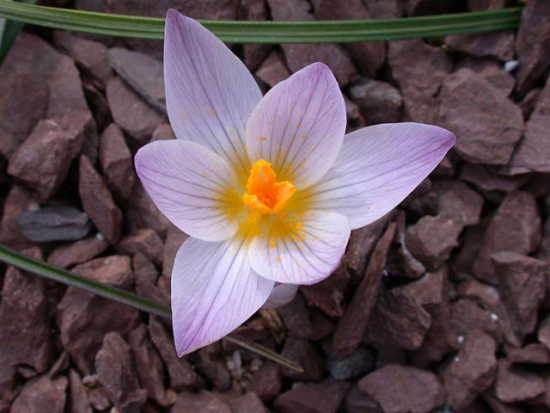


Crocus danfordiae Maw has small flowers, usually pale yellow with gray speckles on the outside, but there are also pale blue and white forms, according to Mathew. Because of its small flowers, Bowles considered it "a botanical curiosity rather than a decorative plant." It comes from the Anti-Taurus Mountains in Turkey. Height range: 25-35 cm. Photos by John Lonsdale.
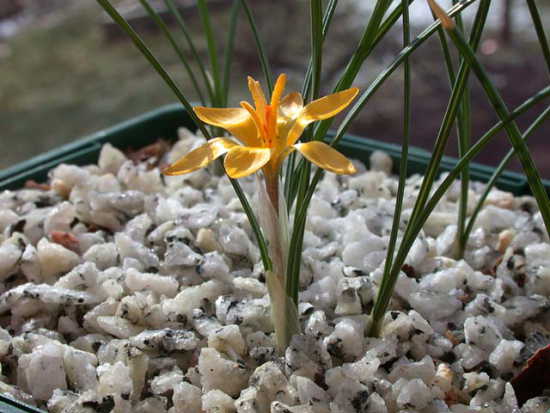

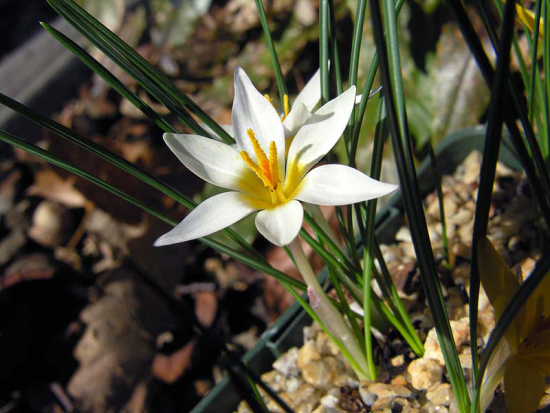
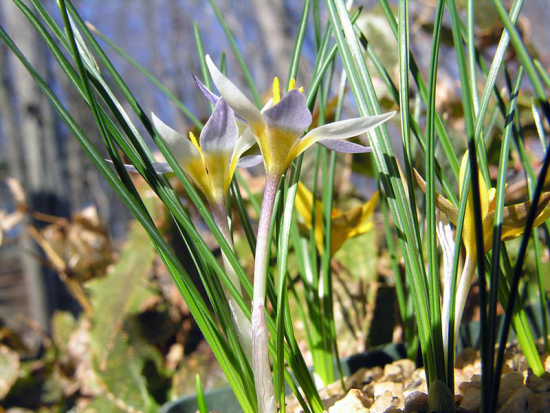
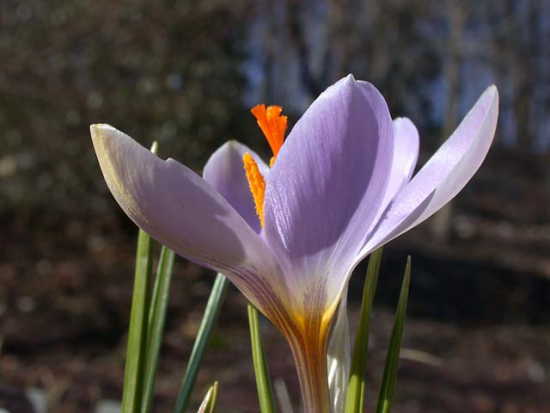
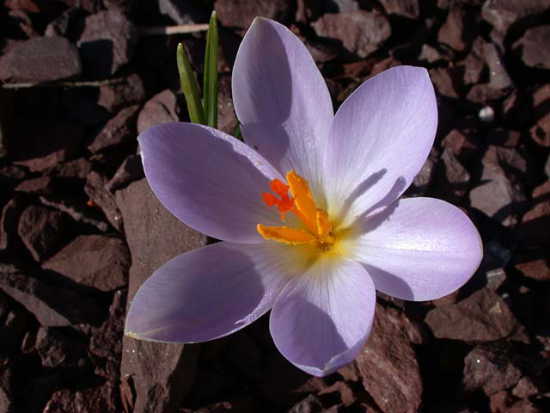
Crocus etruscus Parl. is from northwestern Italy where it grows in woodlands. Mathew reports that it is easy to grow in sun or part sun. Height: 10 cm. Photos 1 and 2 by John Lonsdale. Photo 3 of commercially supplied corms of the cultivar 'Zwanenburg', on a 10 mm grid, by David Pilling.

Crocus index - Fall Blooming crocus a-h - Fall Blooming crocus i-o - Fall Blooming crocus p-z - Spring Blooming crocus a-b - Spring Blooming crocus f-l - Spring Blooming crocus m-s - Spring Blooming crocus t-z