Stenomesson Herb. is a genus from South America in the Amaryllidaceae family found in the Peruvian Andes, Ecuador, Colombia, and Chile. Meerow et al. (2000) transferred some species in this genus to Clinanthus. Stenomesson can be separated from Clinanthus based on the presence of petiolate leaves and various other characters.
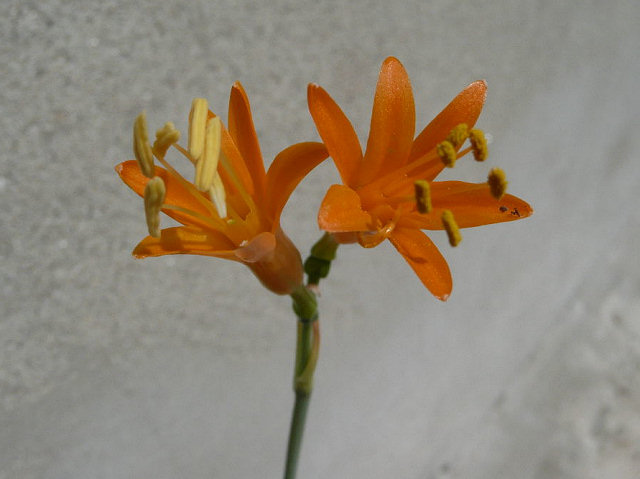
Stenomesson aurantiacum (Kunth) Herb. is native to southern Colombia to central Peru. Most specimens are found in the Quito region of Ecuador. This region experiences an almost constant year round temperature of 13 °C (55 °F). The dry period extends from July-September where rainfall averages to about 25 mm (1 inch). Height range: 25-30 cm. Photos by Alessandro Marinello.
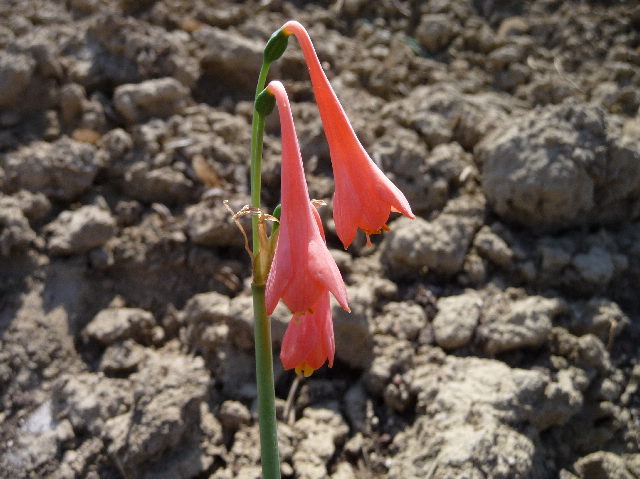
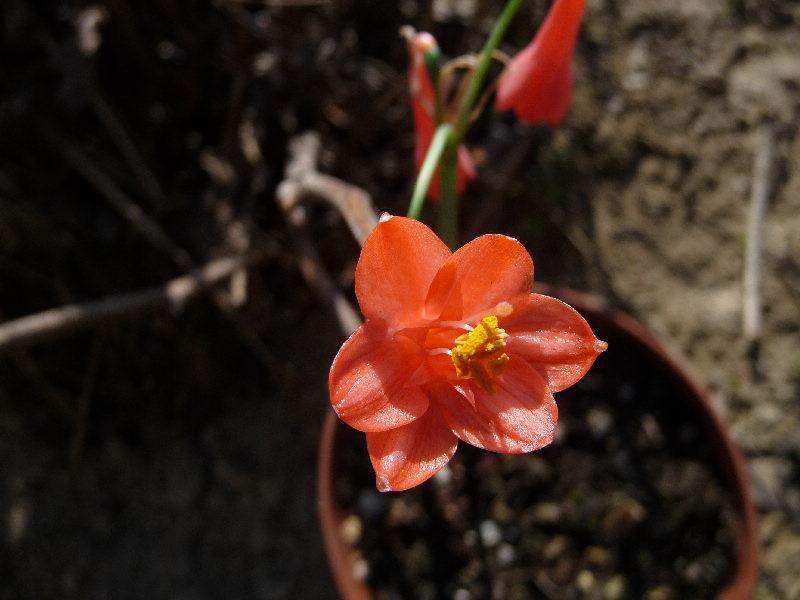
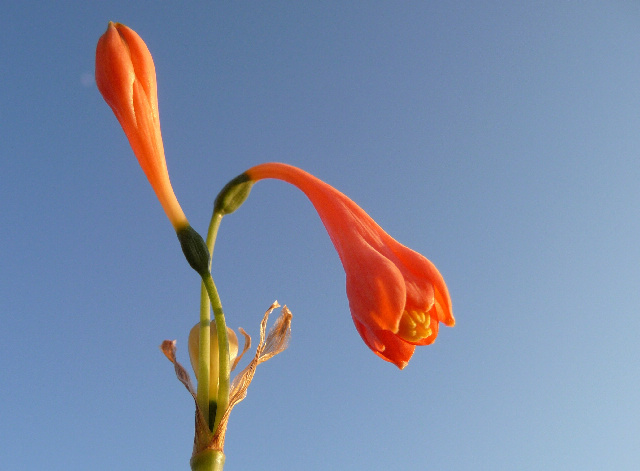
Stenomesson chloranthum Meerow & van der Werff is native to tropical lowlands of the Amazonas area of Peru. Unlike the Andean members of the genus which require cool winters to produce flowers, S. chloranthum needs to be kept above 13 °C [~55 °F]. Height range: 30-40 cm. Photos by Uluwehi Knecht.
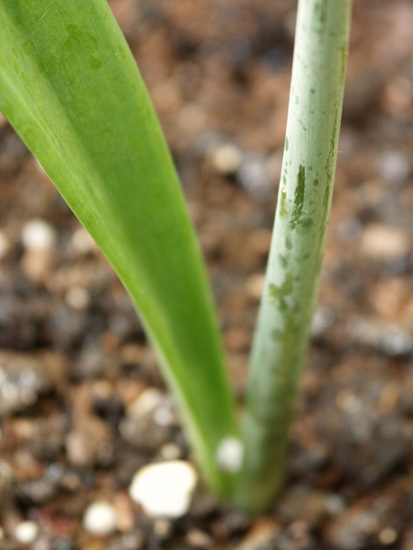

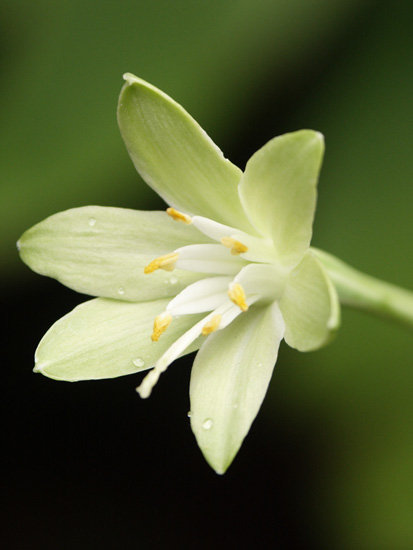
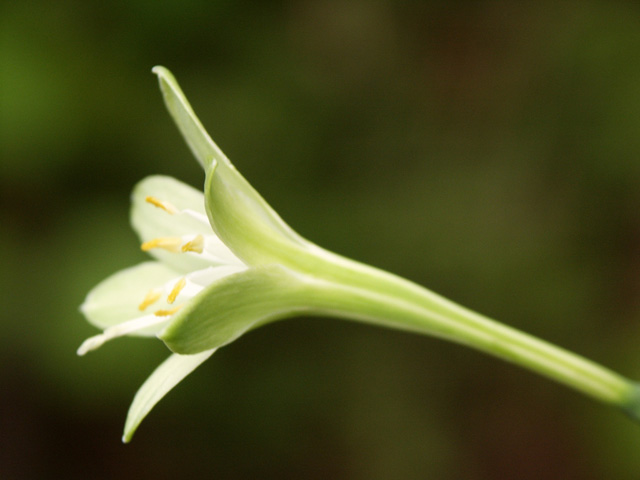
Stenomesson ecuadorense Meerow, Oleas & Jost is native to Ecuador.
Stenomesson flavum (Ruiz & Pav.) Herb. (Basionym: Pancratium flavum Ruiz & Pav.). This species is endemic to Peru. In the coast, the flowers can be seen leafless in the summer and in the winter it only presents a single broad leaf when they receive humidity that comes from the sea breeze. Height range: 15-20 cm. Photos by Norton Cuba Melly.
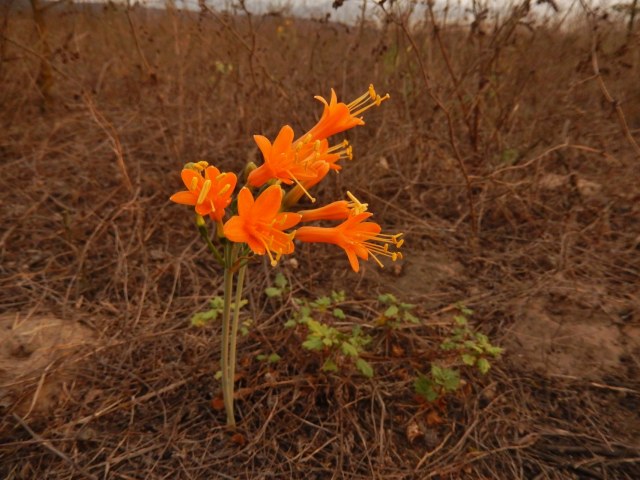
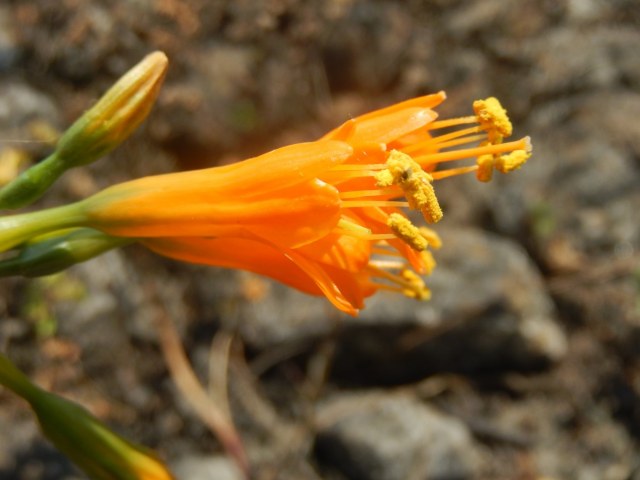
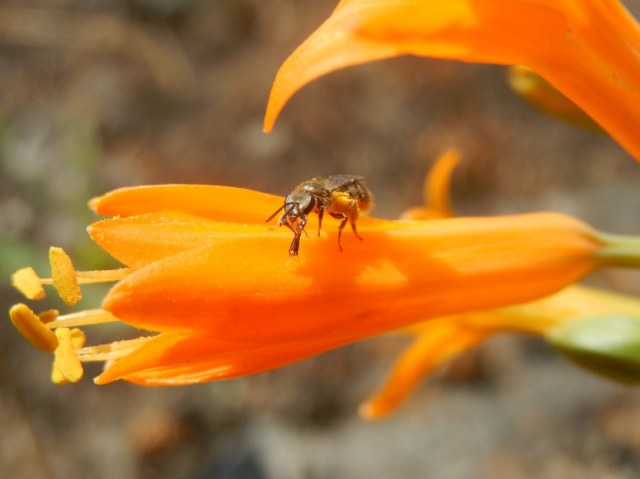
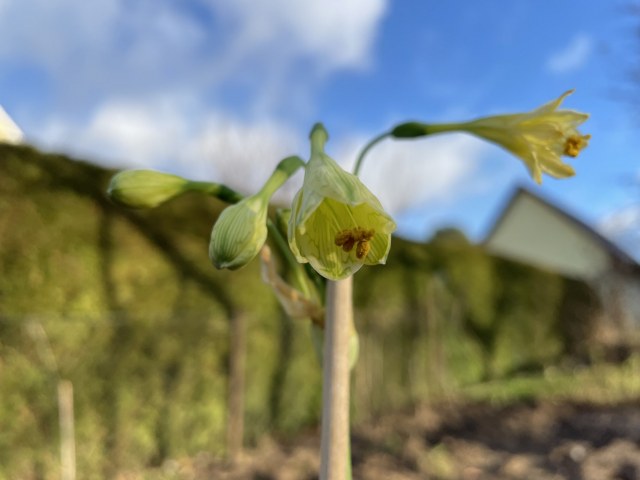
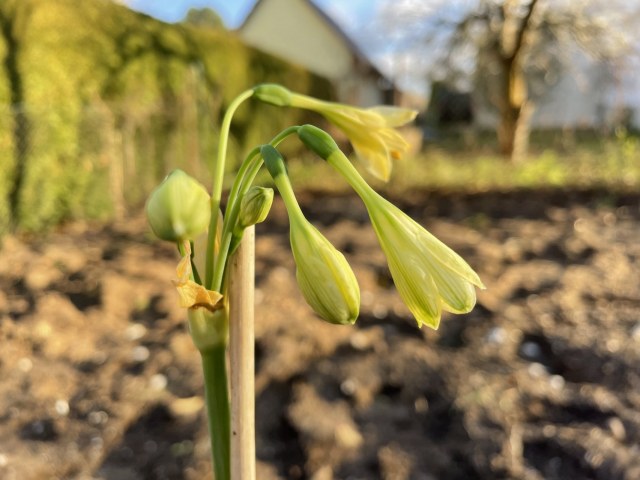
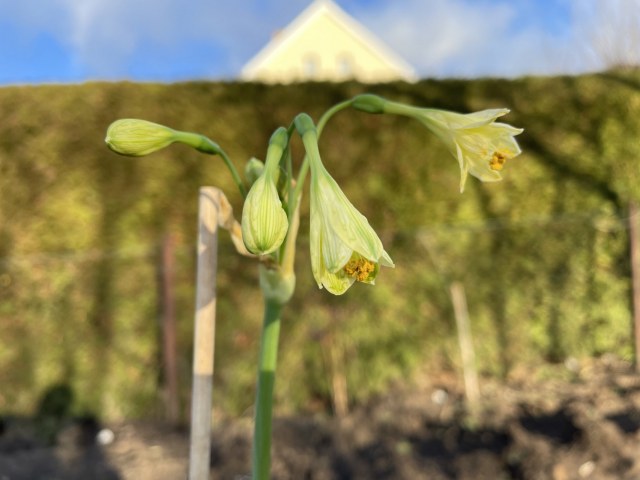
The photos below taken by Alessandro Marinello in Padova, Italy were thought to be Clinanthus coccineus but have been identified by experts as this species instead.

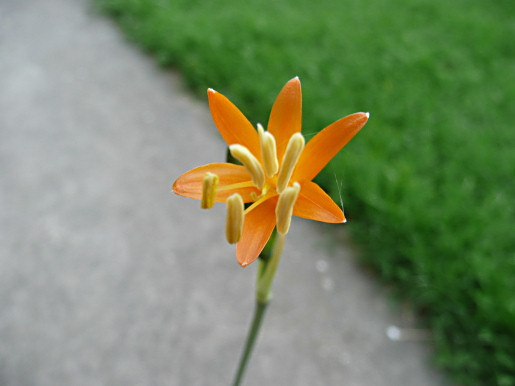
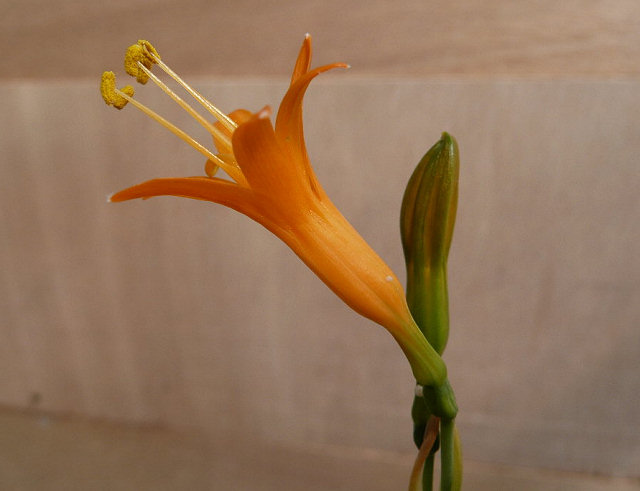
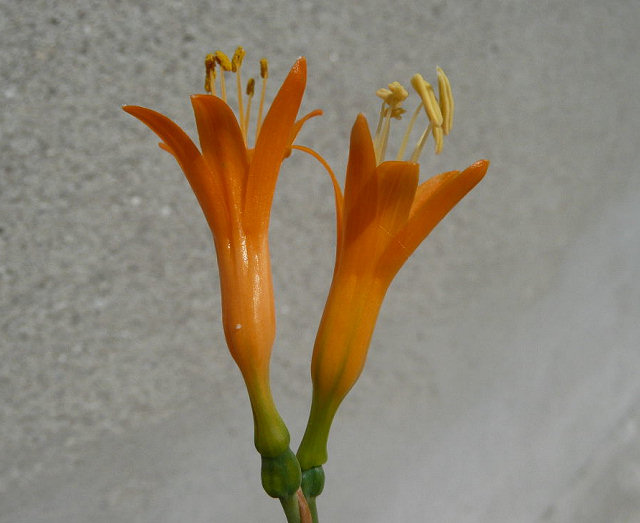
Stenomesson gasteroides Ravenna is native to Peru.
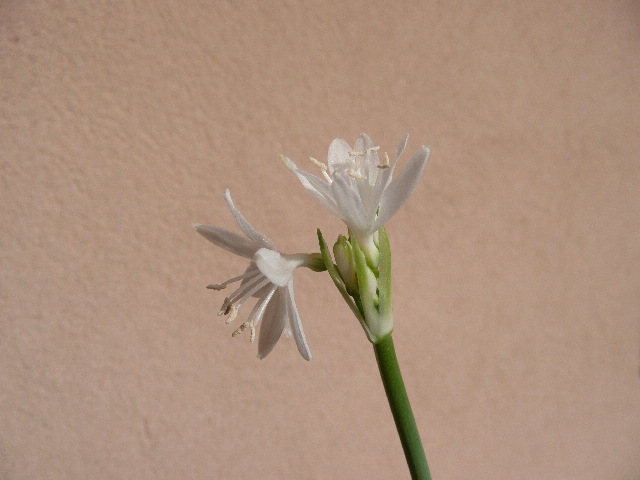
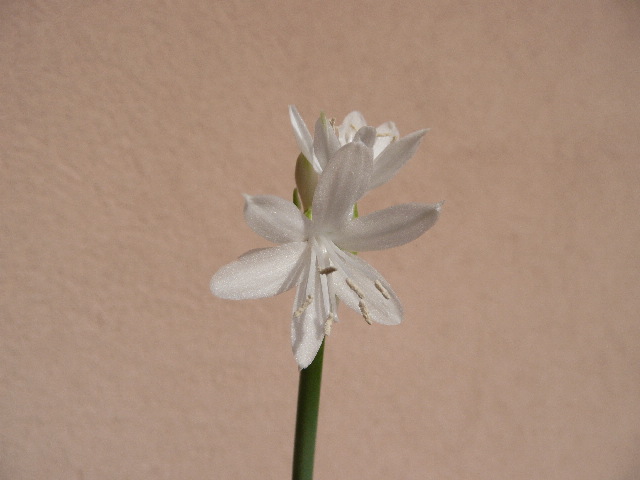
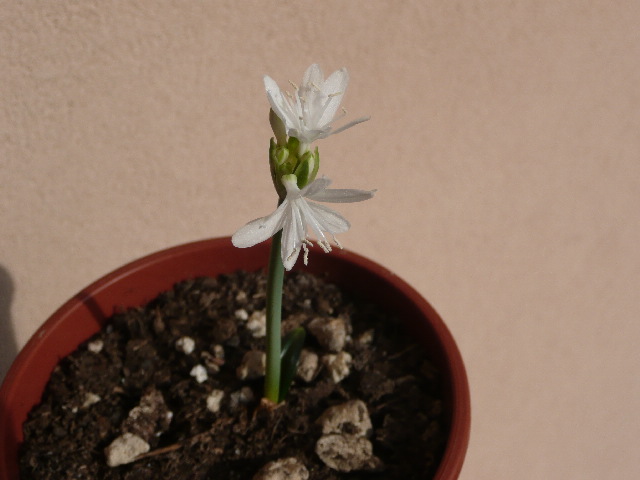
Stenomesson korsakoffii (Traub) Meerow (Basionym: Eucharis korsakoffii Traub) was recently transferred from the genus Caliphruria. This species is relatively small, only known from its type locality in the region of San Martin, Peru. Height range: 8-16 cm. Photos 1-3 below were taken by Alessandro Marinello of his plant. Photos 4-5 from Hans Joschko.
Stenomesson leucanthum (Ravenna) Meerow & van der Werff is native to Peru.
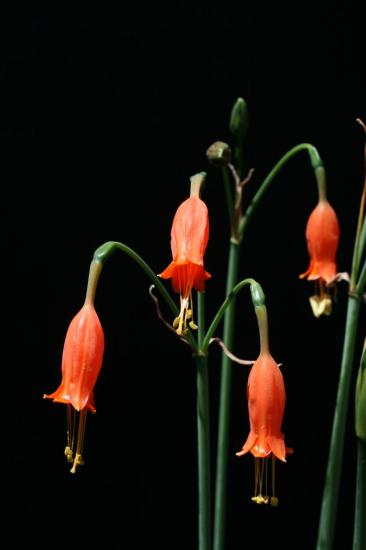
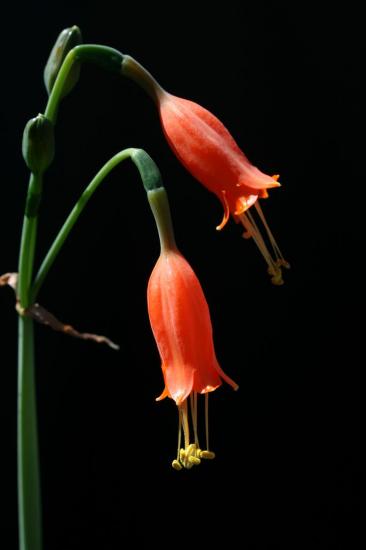
Stenomesson miniatum (Herb.) Ravenna (syn. Urceolina peruviana (C.Presl) J.F.Macbr.). The original name Urceolina reflects the urn-shaped flowers. In 1978, it was put into Stenomesson by Ravenna. The plant is a summer-grower and goes dormant in the winter and flowers in spring before or as the leaves appear. In the Northern Hemisphere cultivation, water should be withheld entirely from mid-October through to March even if leaves show no sign of senescence. Uluwehi Knecht found that while this species will continue to grow year-on-year in lowland tropical conditions in Honolulu, it will not bloom again; cool nights consistently below 13 °C [~55 °F] (at least during winter months) are necessary to produce blooms in future years. Height: to about 1 ft. Photo 1 was taken by Dell Sherk. Photos 2-5 were taken by Nhu Nguyen.


Stenomesson parvulum Ravenna is native to Peru.
Stenomesson pearcei Baker is native to southern Peru and Bolivia from 2700-4000 m (8,800-13,000 feet). In the wild it occurs in loamy soil on dry slopes among shrubs, tufted grasses, and rocks. Colonies are formed through numerous bulb offsets. The plants flower from March-June in habitat. The temperature of the region where this species is found from Cerro de Pasco, Peru south to La Paz, Bolivia is a constant average of about 54 °F (12 °C) year round despite the high altitude. The dry period from May-August experiences only about 5 mm of rainfall. The plants are susceptible to root mealy bugs and flower thrips. In the Northern Hemisphere cultivation, water should be withheld entirely from mid-October through to March even if leaves show no sign of senescence. Uluwehi Knecht found that while this species will continue to grow year-on-year in lowland tropical conditions in Honolulu, it will not bloom again; cool nights consistently below 13 °C [~55 °F] (at least during winter months) are apparently necessary to produce blooms in future years. Height range: 30-45 cm. Photo 1 was taken by Uluwehi Knecht and photos 2-5 were taken by Nhu Nguyen.
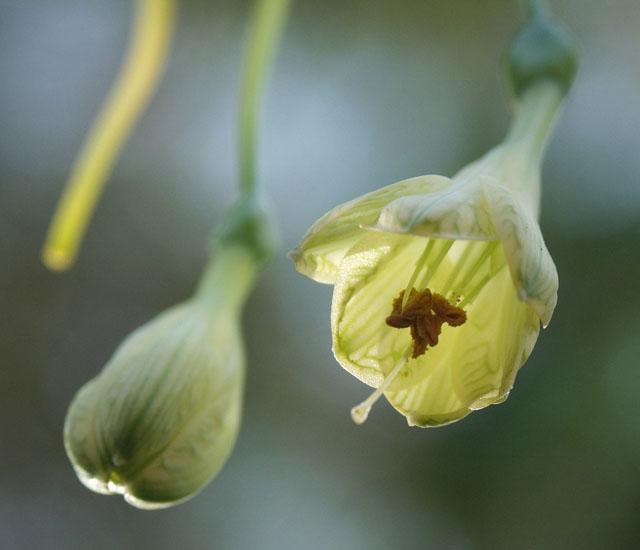
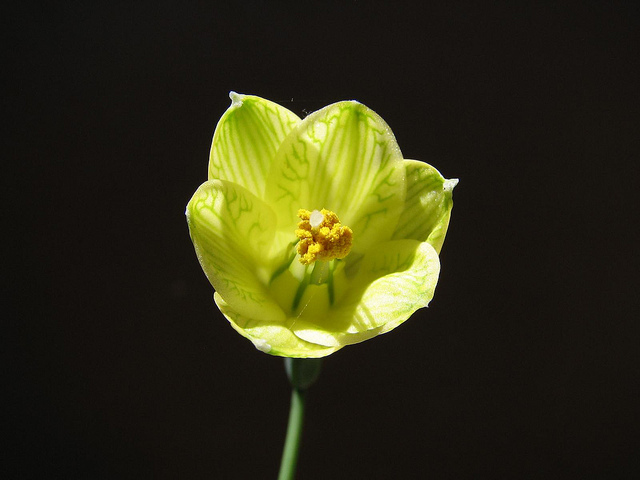

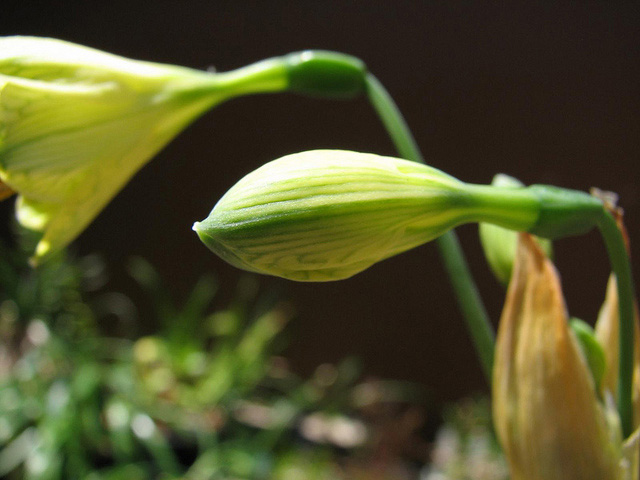
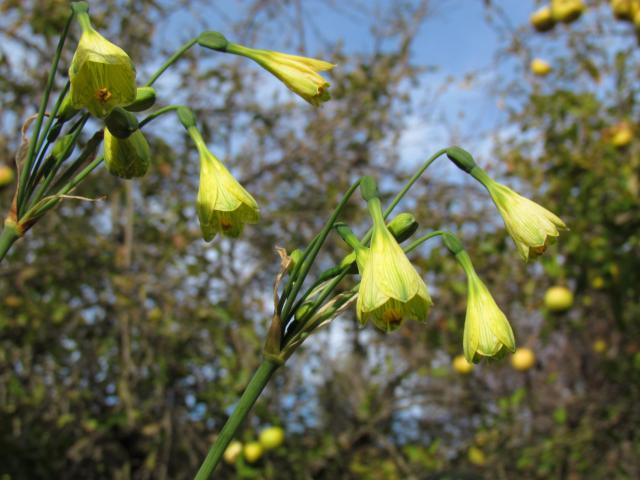
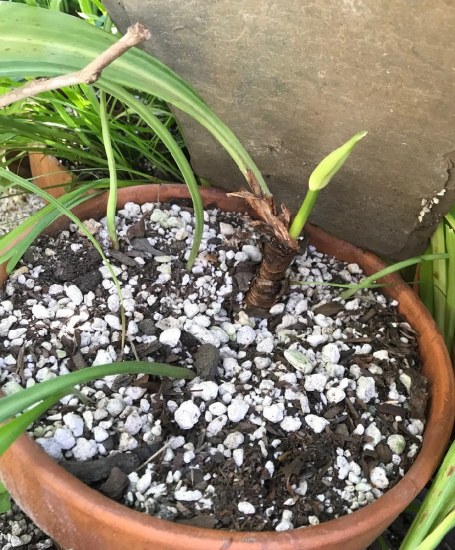
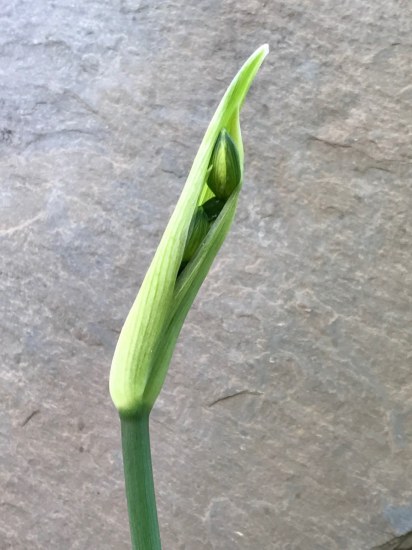
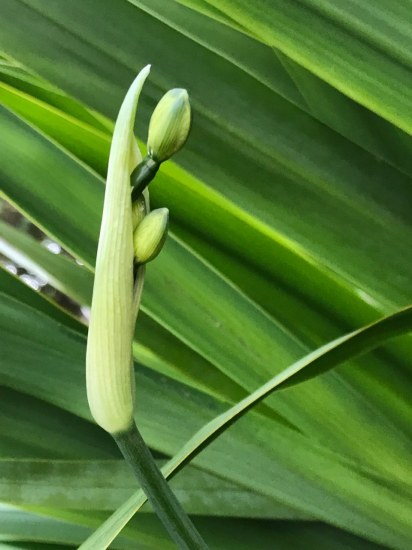
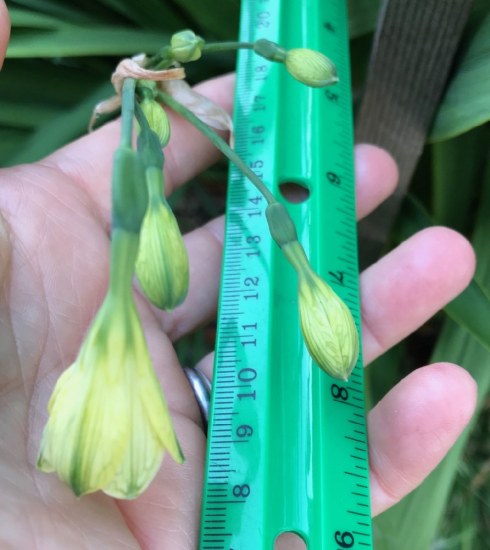
The photos below from M. Gastil-Buhl were originally on the mystery bulbs page, but were subsequently identified as this species. The description from that page was as follows: "This bloomed for the first time since I began growing it in the late 1990's when the university took down the lath house. This one came without any tag. It cannot tolerate even a light frost. The leaves have a distinct light line down the center. Unlike most bulb leaves I grow, these are narrow at the base then wide. It grows all year if given water and protected from frost. The spathe is just about to open and it looks like there are multiple flowers inside. This flower stalk began emerging while its leaf was still green, but as the flower stalk lengthened, its leaf withered. Other leaves in the pot are still green. Here are photos at various stages of growth."
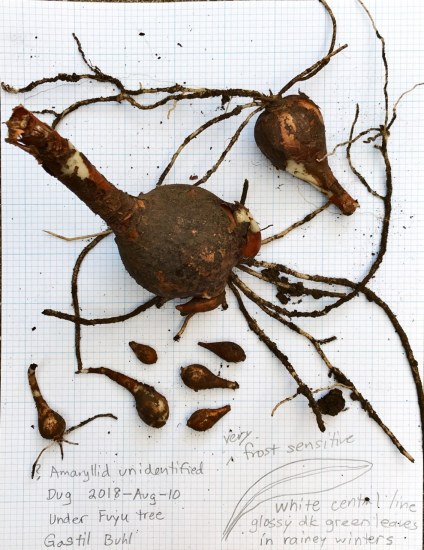
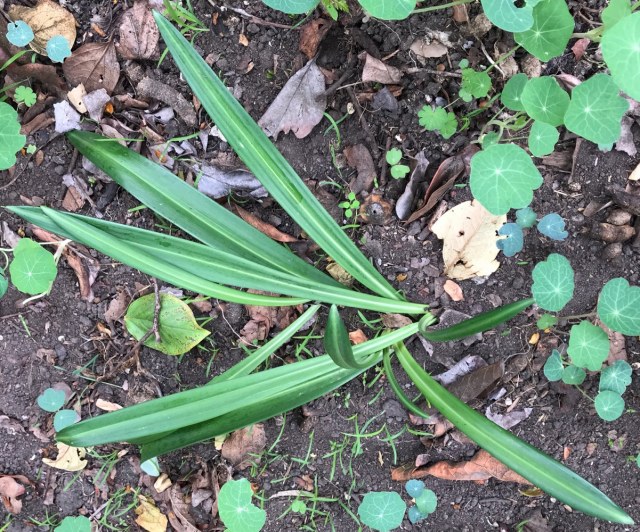
More photos from Vlad Hempel.
Stenomesson tubiflorum (Meerow) Meerow is native to Peru.
Stenomesson weberbaueri (Vargas) Ravenna is native to Peru.