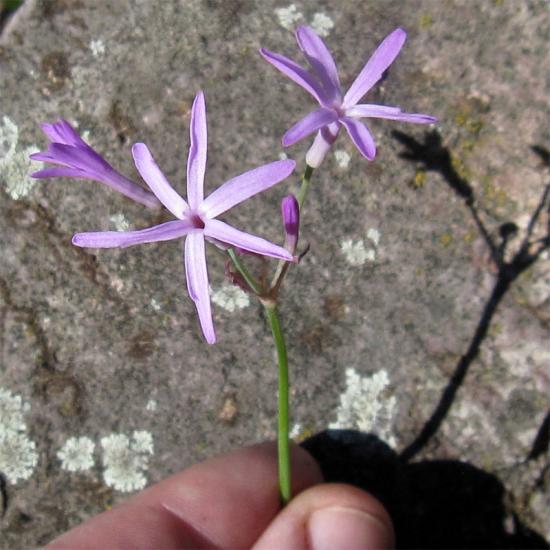
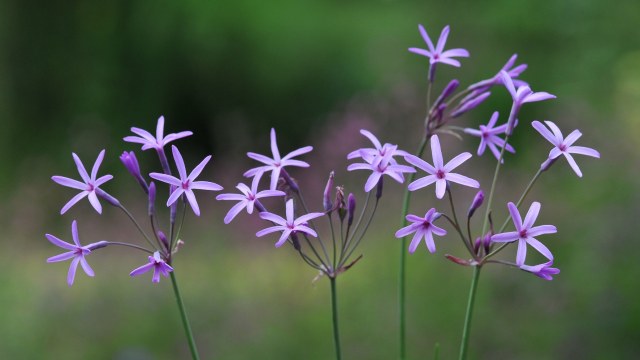
Tulbaghia is a small genus of about 20 species from southern Africa. The genus is very closely related to Allium, and thus a member of the former Alliaceae family now included in Amaryllidaceae. Cameron McMaster has provided interesting information about this genus in an article he wrote for Farmer's Weekly in 2008. Typically the Tulbaghia species are modest, unassuming plants with small flowers, grassy foliage, sometimes with a pungent skunky or alliaceous scent to the robust rhizomatous rootstalks as well as the foliage in some species. A few species are reportedly hardy in the UK, such as Tulbaghia violacea, T. cominsii, T. acutiloba, T. natalensis, and T. montana, although most are rather tender and are best grown as warm greenhouse plants. Many species have intensely perfumed blooms, while at least one species exhibits a foetid aroma. Flowers have a characteristic corona structure.
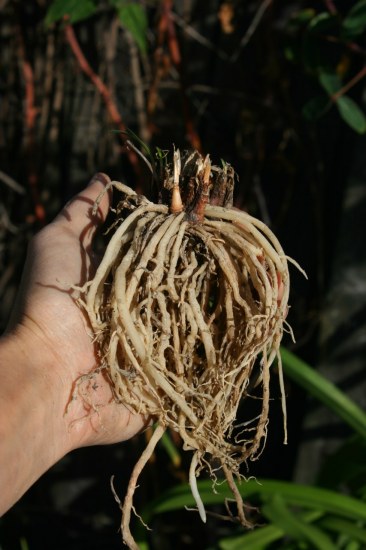
Be very careful to be sure of identification of any seed grown plants. Several seed exchanges list seed of various species of Tulbaghia that have turned out to be the weedy Nothoscordum gracile which is difficult to get rid of once turned loose in your garden. Sow the seeds in a well-drained mix in the appropriate season (spring or autumn). Plants of this genus produce very thick and persistent roots while maintaining only a small bulb. Many plants can be grown in a small container for a few years although they enjoy more root room. The roots can sometimes completely fill up the spaces below the bulb in a pot. The image below of Tulbaghia dregeana shows the typical root morphology of Tulbaghia species. The roots themselves make up a much larger portion of the below ground structure compared to the bulbs. When repotting, be sure to keep these roots intact to maintain the health of the plant. Photo from Nhu Nguyen.
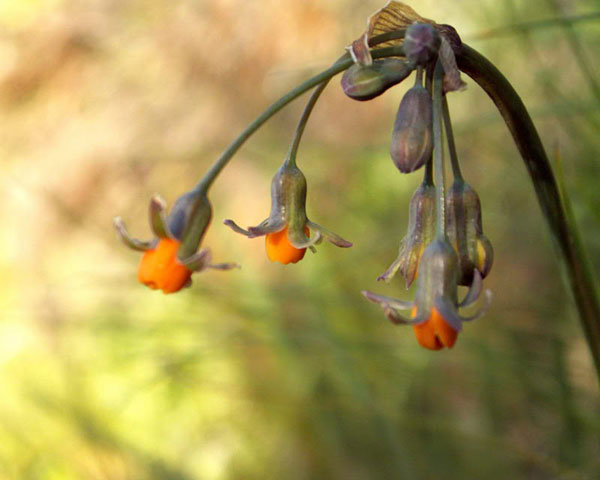
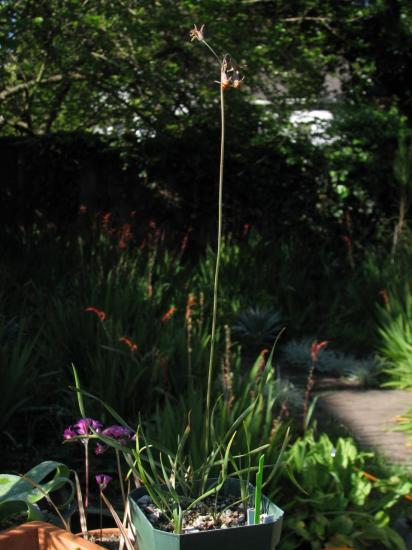
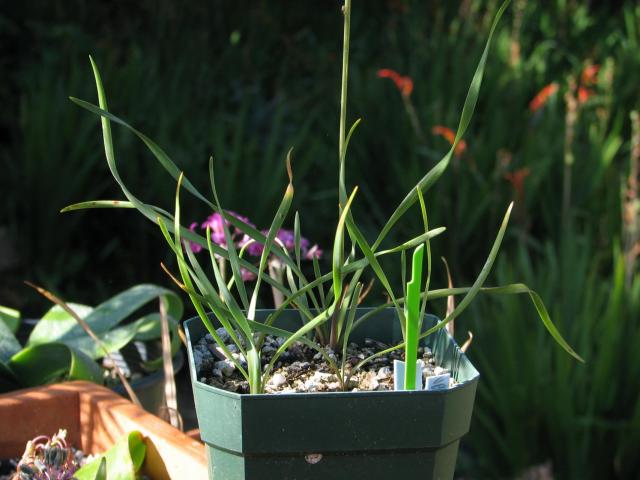
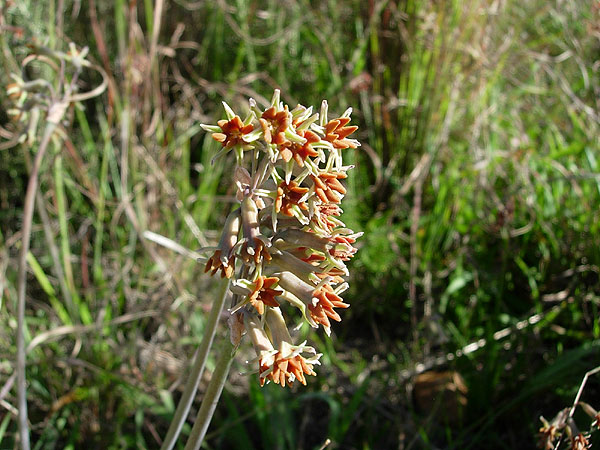
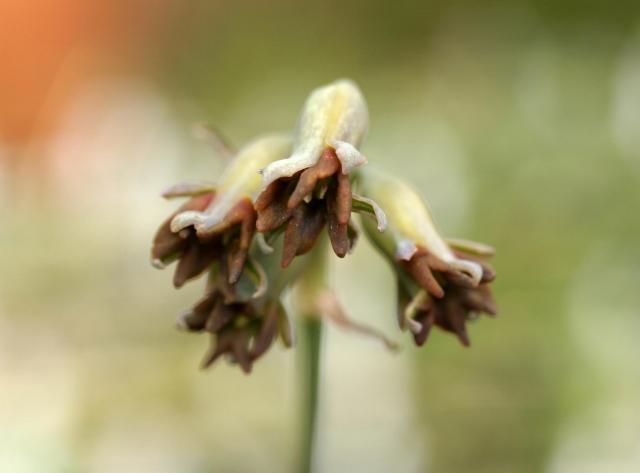
Tulbaghia acutiloba Harv. is found on dry rocky grassland in the Eastern Cape. It has green recurved flowers with a fleshy orange to reddish brown ring and is sweetly scented in the evening. The scent can be carried a distance in the air under certain environmental conditions. The corona is half as long as the flowers and the tepals are often very reflexed. The leaves are up to 4-5 mm wide. It is similar to Tulbaghia cernua, but has narrower leaves and smaller flowers and a corona with indistinct lobes. The species is mostly summer growing and winter dormant. In very mild winters, the leaves will stay on the plant. It can flower several times a year. It takes 3 years to bloom this species from seed. Height: 15-45 cm.
The first three photos below by Cameron McMaster were taken in habitat in the Eastern Cape. The last photo is from Rod Saunders.
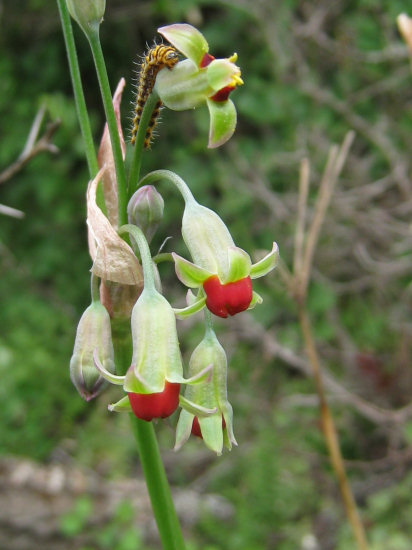
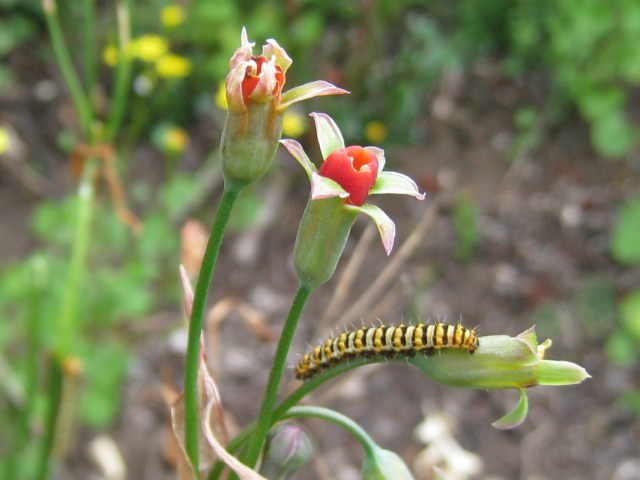
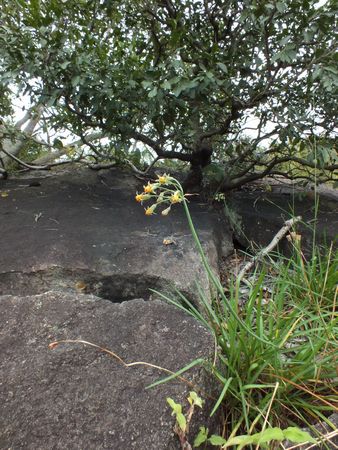
The photos below were taken by Nhu Nguyen of plants in cultivation. Photos 4 & 5 show the extensive root system of this species.

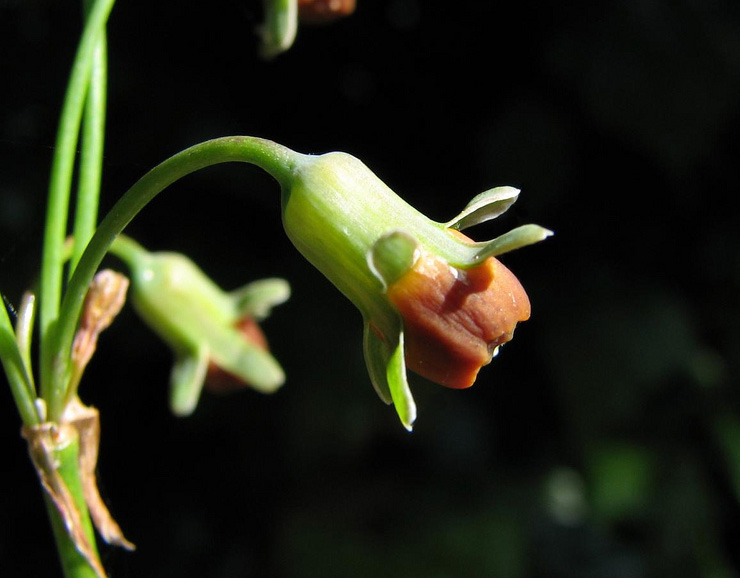
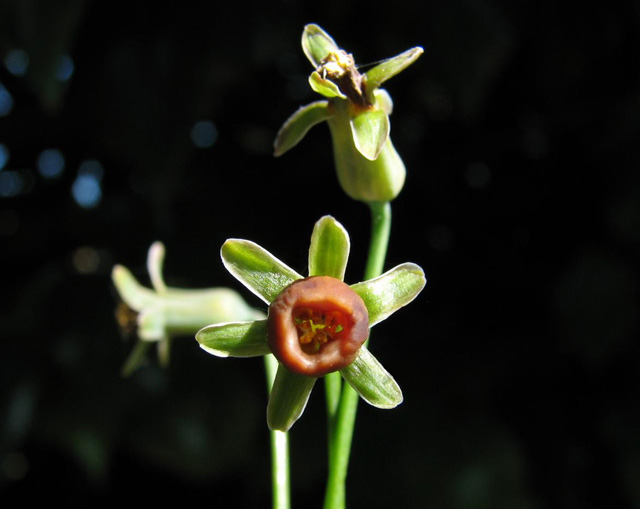

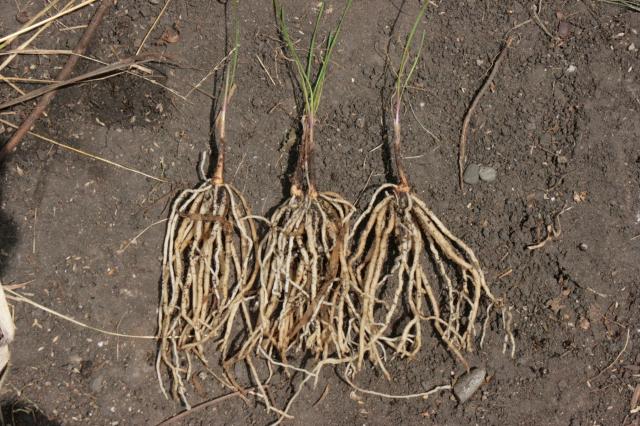
The photos below were taken by Nhu Nguyen and show a form from Devon, Gauteng Province, South Africa.
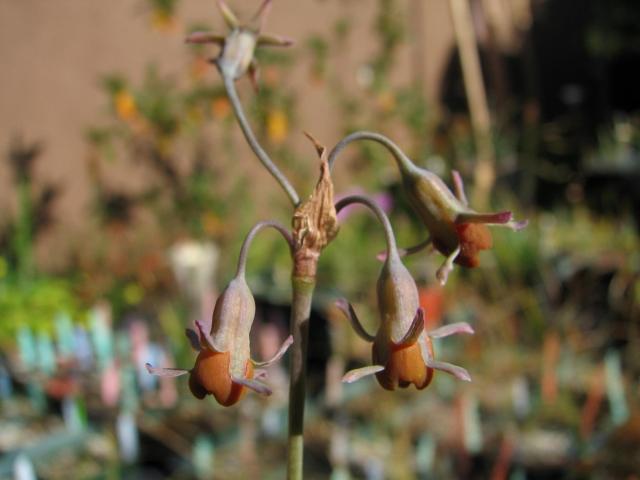
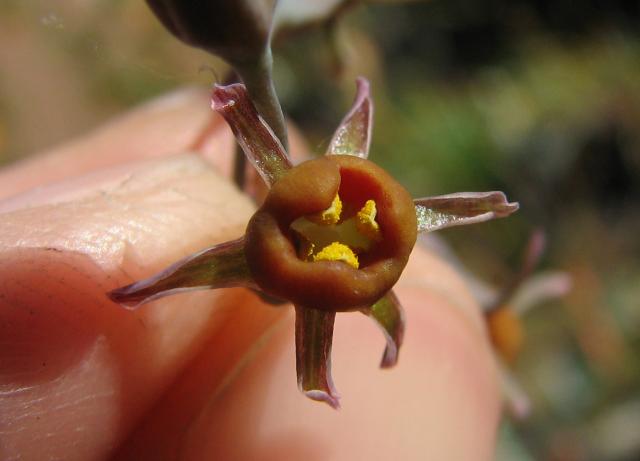
Tulbaghia capensis L. is a widespread (Namaqualand, Western Cape to the Eastern Cape) winter rainfall species found on rocky slopes. Growing from 15 to 35 cm high, it has flowers scented at night that are brownish to purplish and green with an orange corona. It flowers from autumn to late spring. Photo 1 was taken by Cameron McMaster of plants found in the wild near Napier in the Overberg. Photo 2 was taken by Andrew Harvie at Tinie Versveld near Darling in the Western Cape. Photo 3 was taken by Nhu Nguyen of a plant in cultivation. The last photo from the book Plants of the Klein Karoo courtesy of Jan and Anne Lise Schutte-Vlok.

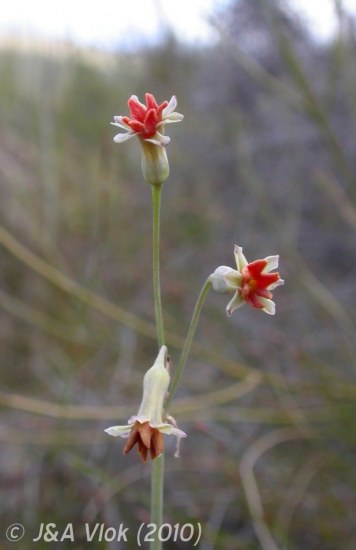
Tulbaghia cernua Fisch., C.A.Mey. & Avé-Lall. is distributed from the Eastern Cape to the Northern Transvaal. It has strap-shaped leaves arranged in a fan and a urceolate or barrel-shaped fleshy corona. It is similar to Tulbaghia acutiloba but with larger flowers and a corona with distinct lobes and is similar to Tulbaghia ludwigiana, but with perianth segments less than 1/3 as long as broad. Leaves are also different in the three species. Height range: 1-3 ft. Photo from Bert Zaalberg.
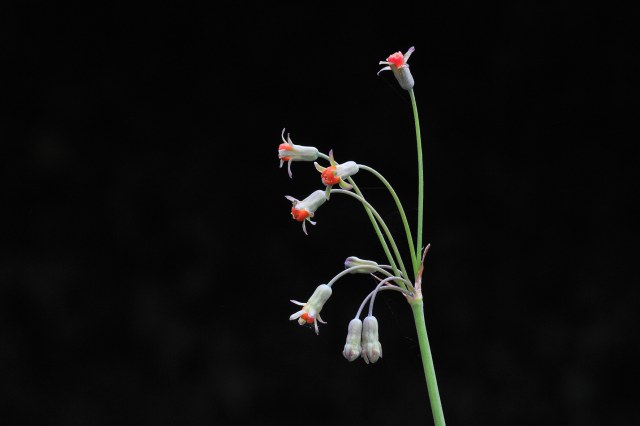
Tulbaghia coddii Vosa & R.B.Burb. is endemic to the Northern Transvaal where it grows in bogs or in wet turf in acid conditions. It is a small species with bright green thin leaves and fragrant pink to white flowers with a yellow-green corona. Height range: 15-25 cm. Photos from Bert Zaalberg.
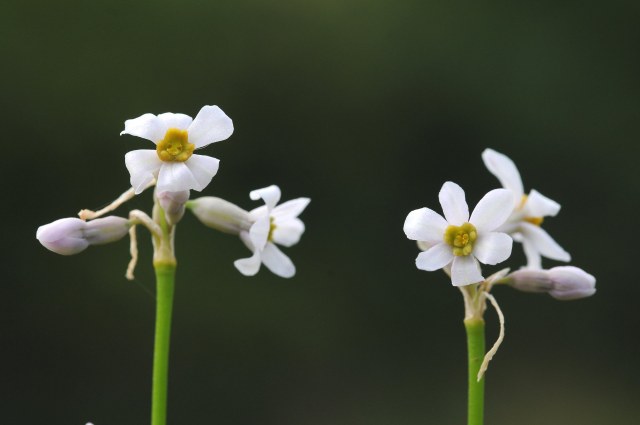
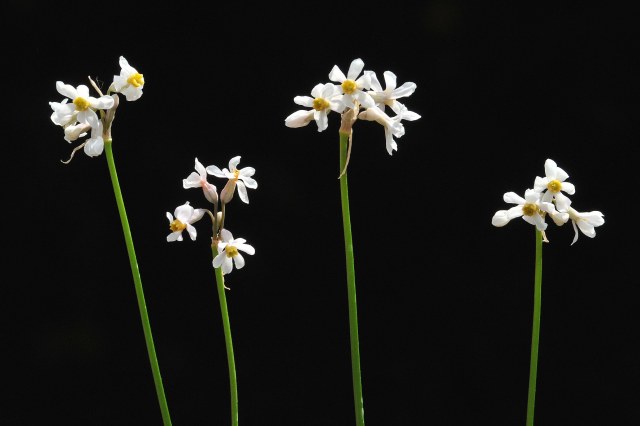
Tulbaghia cominsii Vosa is a very localised Eastern Cape species with starry white flowers that smell like cloves. It is confined to a few populations near King Williams Town where it grows between rocks in a dolerite outcrop. It is a good species for growing in a container. It has also been used in hybridization with T. violacea. Height: 12 cm. The first two photos by Bob Rutemoeller are of a pot in Dave Fenwick's garden and one his wife was growing in cultivation. The third photo was taken by Cameron McMaster. The last was taken near King Williams Town January 2010 by Mary Sue Ittner.
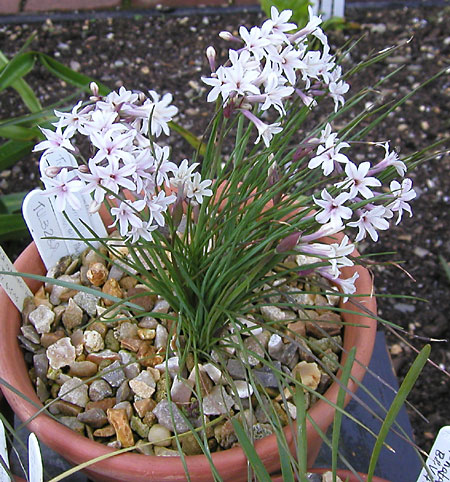
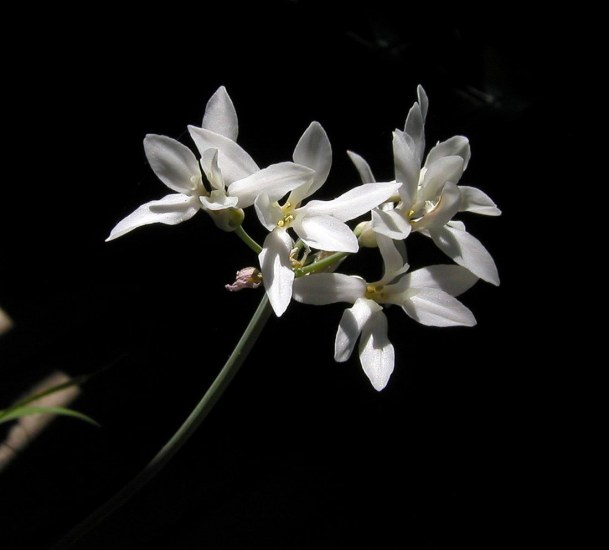
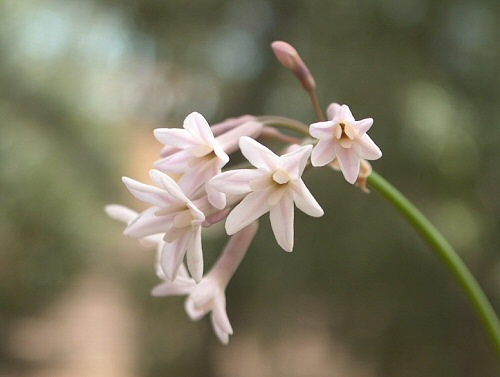
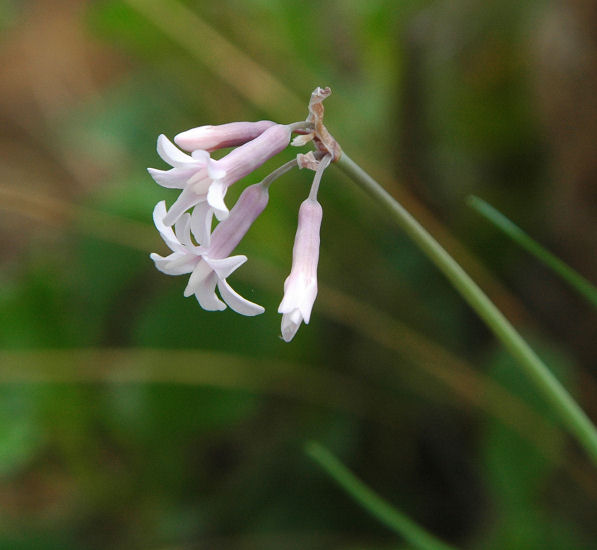
Tulbaghia cominsii × violacea was grown from seed. This plant is long blooming at odd times of the year and looks a lot like the second hybrid described by Mark McDonough below. Photos by Mary Sue Ittner.
Tulbaghia dregeana Kunth is found in stony soils in Namaqualand, the northwest and southwest Cape into the western Karoo. It has cream to greenish yellow flowers with a cream or brown corona. Height range: 15-25 cm. Photos 1-3 were taken by Nhu Nguyen. Photos 1-2 were taken at the UC Botanical Garden. Photo 4 was taken by Mary Sue Ittner in Namaqualand September 2006. Photos 5-6 were taken by Andrew Harvie south of Nieuwoudtville.
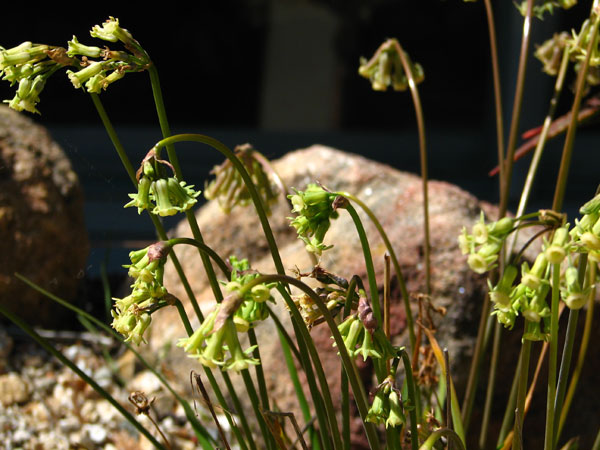
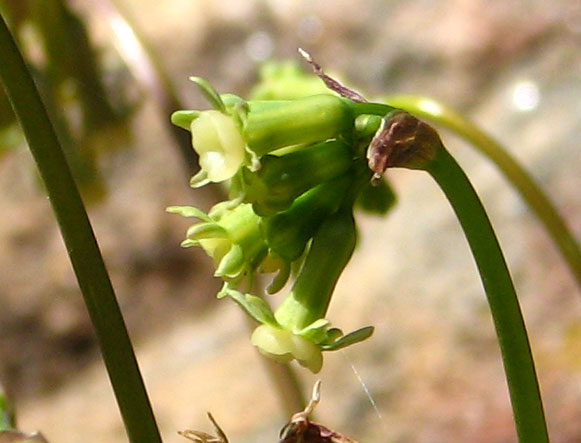
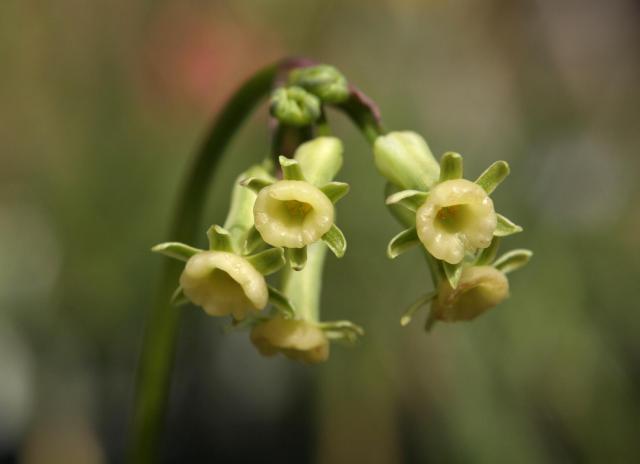
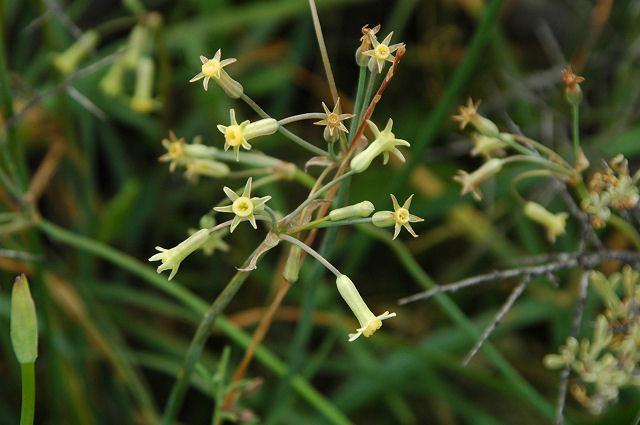
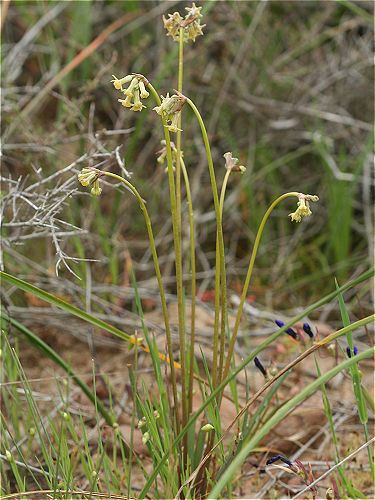
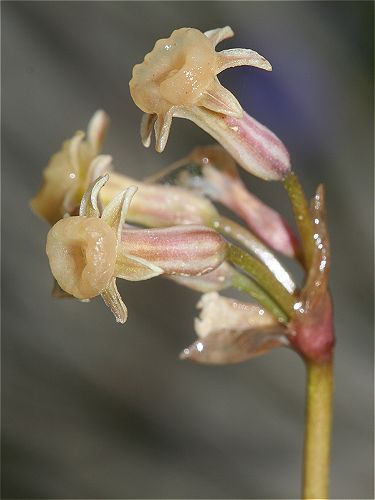
Tulbaghia galpinii Schltr. is a tiny species with greenish-white to pinkish flowers. It starts growth in the spring and flowers early summer. This plant is quick to bloom from seed and easy to grow, and as Mark McDonough said in a PBS list post, "For those who admire small and inconspicuous bulbous plants, this is IT!". The species also produces seeds without needing to be pollinated. Height: 12 cm. Photos 1-3 were taken by Cameron McMaster. The last was taken in Andriesberg.
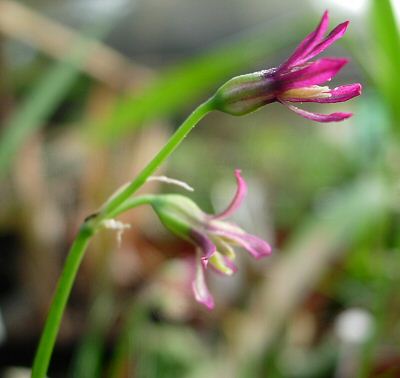
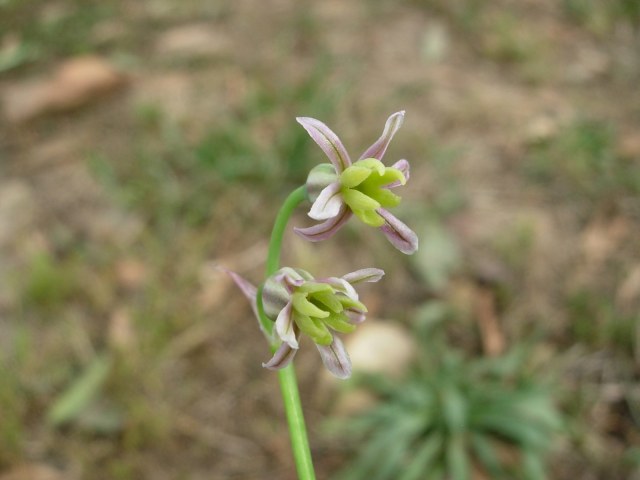
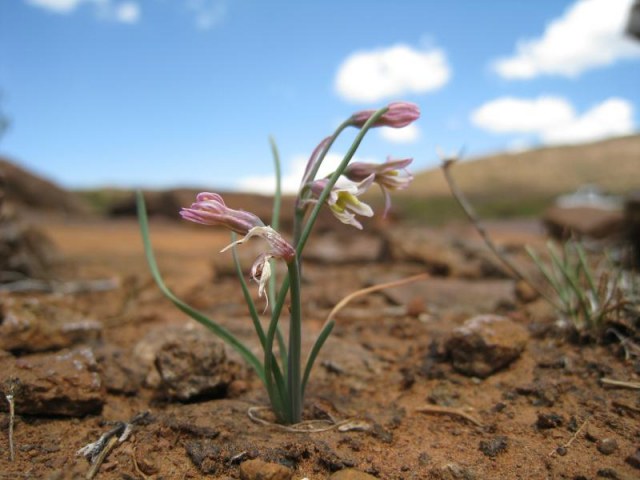
Photos of plants in cultivation taken by Bob Rutemoeller and Nhu Nguyen.
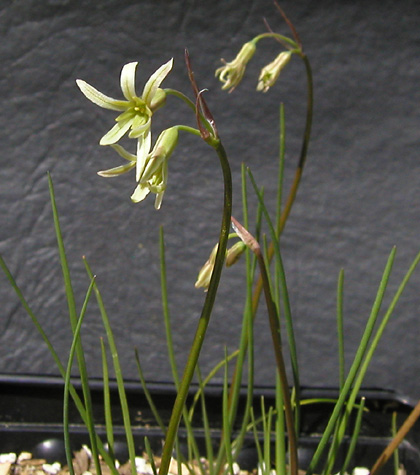

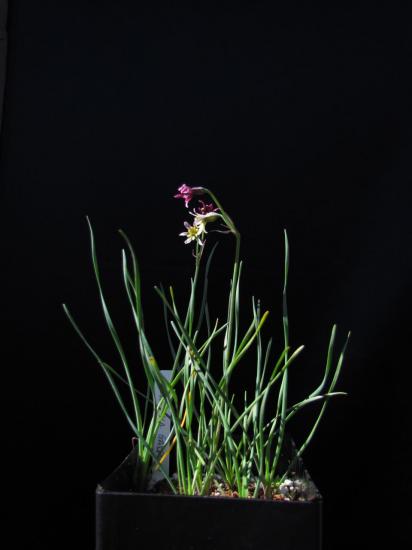
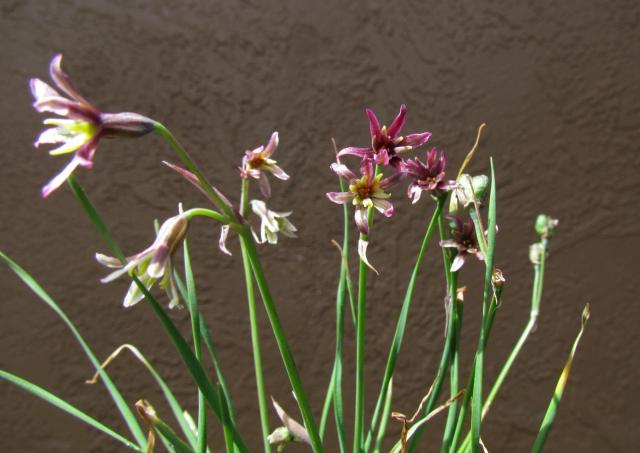
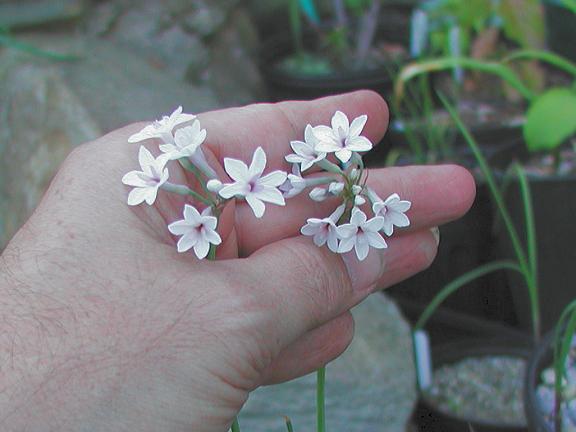
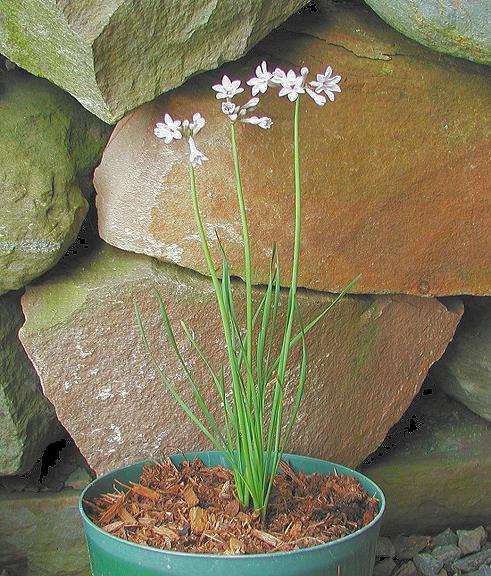
Tulbaghia hybrid 1 (possibly with T. rhodesica) was distributed as T. leucantha. It's a grassy-leaved plant, and lots of 6"-8" (15-20 cm) stems with sideways, few-flowered sprays of whitish flowers and protruding yellow coronas. The flowers have a foetid scent. Pot grown and flowering in June and July (new to my collection); photos by Mark McDonough. Please excuse my hand being in the photographs, it's a technique I use to focus on thin bulbous plants using digital cameras not designed for close-up photography where focus is a major obstacle.
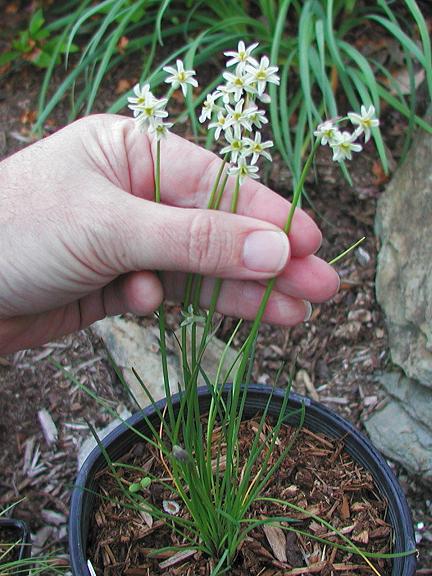
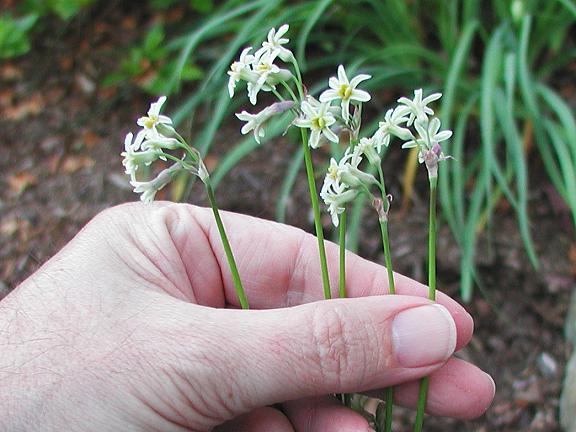
Tulbaghia hybrid 2 is probably one of the many forms of cominsii x violacea. It is a lovely Tulbaghia, with palest baby pink blooms and a deeper pink throat. Sorry, but my photos are washed out and the blooms appear to be white. The graceful flowers are on stems 8"-9" (20-22.5 cm) tall, and are enticingly sweet-scented. Photos by Mark McDonough.
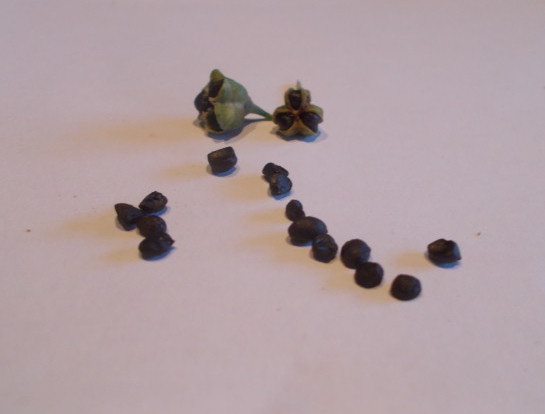
Tulbaghia leucantha Baker is a widespread species native to Botswana, Zambia, Zimbabwe and South Africa often found in grassland and open woodlands usually on sandy soils. Flowers are greenish with white edges and an orange-crimson corona. Seed capsules are obocordate, to 10 mm long and the ovoid seeds are black and up to 2 mm long. Height range: 2-3 ft. The first three photos by Nicholas Wightman of plants naturally occurring in Lilayi, Zambia. The last three photos were taken by Bert Zaalberg.
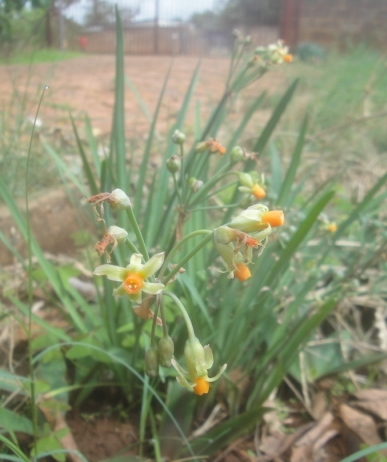
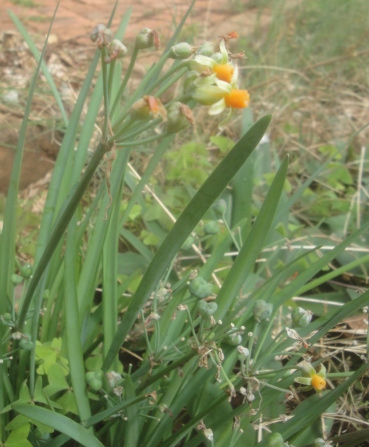
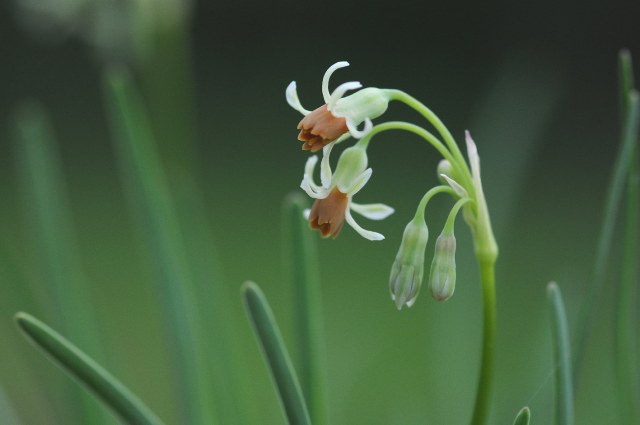
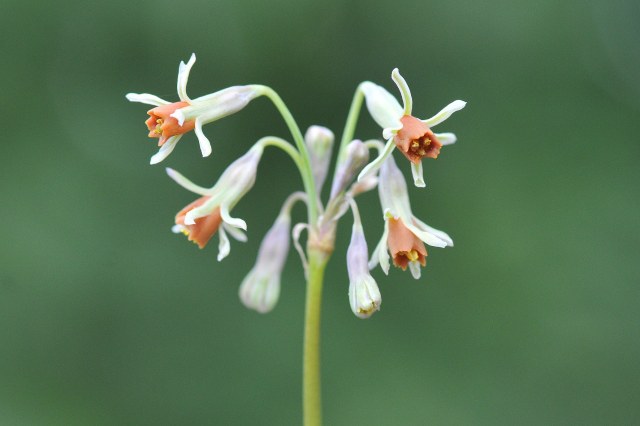
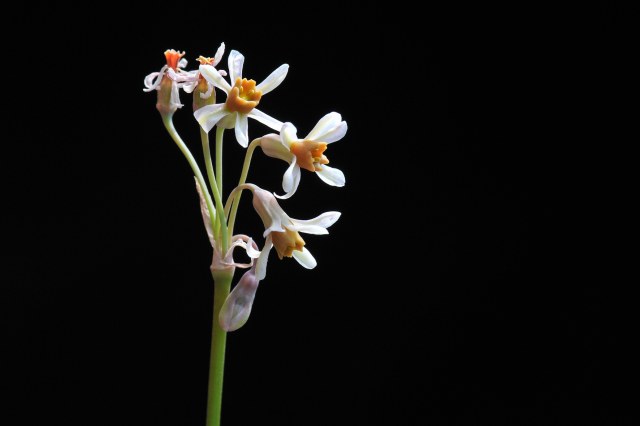
Tulbaghia ludwigiana Harv. is a vigorous species found in highland grassland in the Eastern Cape. This species is closely allied to Tulbaghia cernua but it is distinguished by its very broad greenish grey strap-like leaves that are purple at the base and lie flat on the ground. It has broad and green to purple flowers with a colored fleshy ring and a strong sweet scent. Height range: 30-45 cm. Photos by Cameron McMaster, Rod Saunders, and Bert Zaalberg.

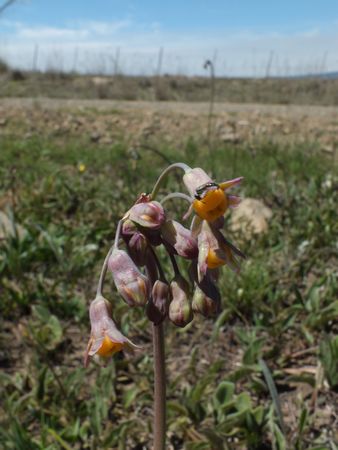
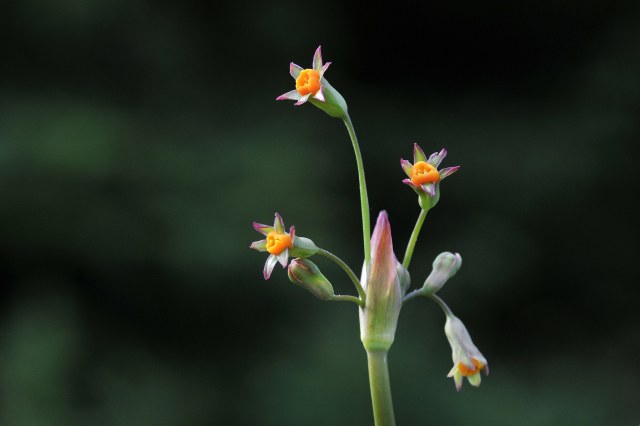
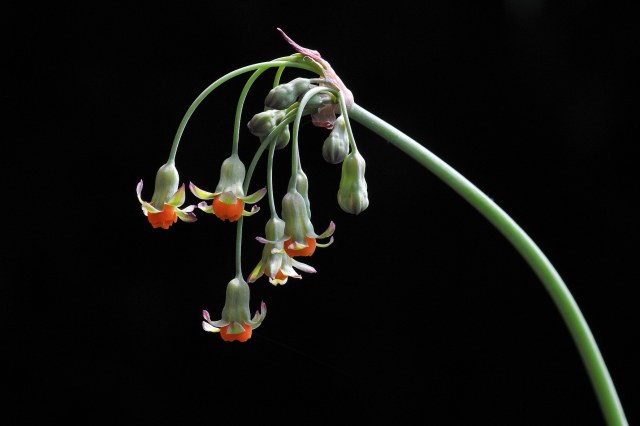
Tulbaghia montana Vosa is a high mountain species found in the Drakensberg. The perianth segments are gray edged with white and the corona is orange. Height: 18 cm. Photos were taken January 2010 by Cameron McMaster and Mary Sue Ittner at Naude's Nek.
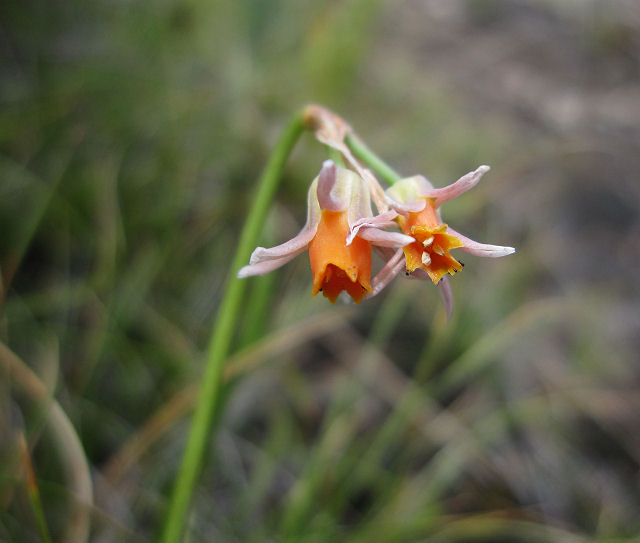
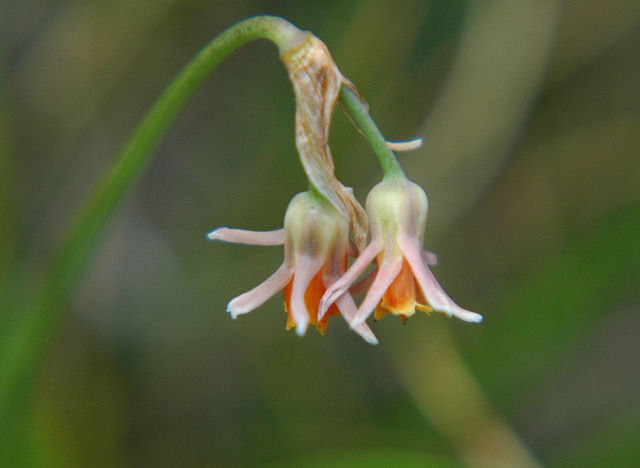

Tulbaghia natalensis Baker is found on rocky or marshy ground at 800 to 1800 m from the Eastern Cape to KwaZulu-Natal. It has white tinged purple to pale pink flowers that are 3 lobed, with a green to yellowish orange ring. It flowers September to December. This species is used as a culinary herb. Height: 25 cm. Photo from Bert Zaalberg.
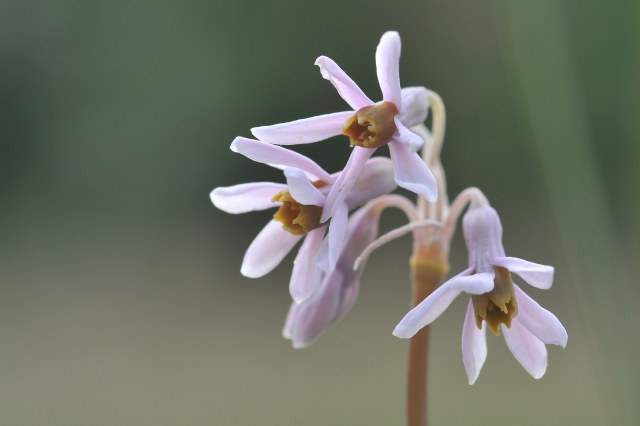
Tulbaghia simmleri Beauverd (syn. Tulbaghia fragrans Verd.) is one of the showiest species of the genus with strap shaped leaves. Found in the same areas in the wild as Clivia miniata, it is sometimes called Sweet Garlic or Pink Agapanthus. It is sweet smelling and the leaves look a bit like Agapanthus leaves. It generally has light purple (lilac) flowers, but a white form exists, as does a pink one with a white corona. Planted in Mary Sue Ittner's Mediterranean garden where it probably doesn't have enough moisture in summer and maybe too much in winter, it still occasionally blooms twice a year, in the spring and the fall but it has never increased after many years. At the UC Botanical Garden it is treated as a fynbos plant where it gets little to no summer water and lots of winter rain. It grows and multiplies very well and blooms in late summer to late fall/early winter (December in the Northern Hemisphere). The plant is hardy to light frost, although the inflorescence will be killed from the lightest frost. The best growing conditions for this species are a cool summer with lots of sunlight and good watering. It should be kept dryish in the winter where it may drop all of its leaves. The species can be grown easily from seed, which takes 4 years to bloom. Height: to about 70 cm. Photos 1-2 were taken by Mary Sue Ittner, photos 3-4 by Nhu Nguyen at the UC Botanical Garden in November 2008. Photo 5 was taken by Nhu Nguyen of a plant in a small pot. It multiplied slowly but has been blooming reliably for years.
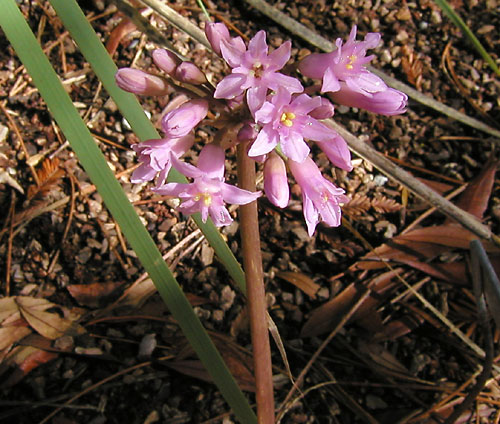
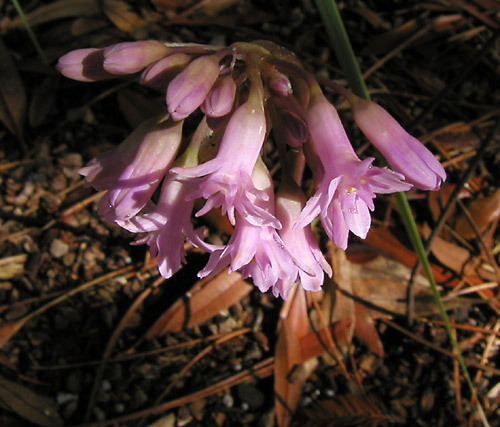

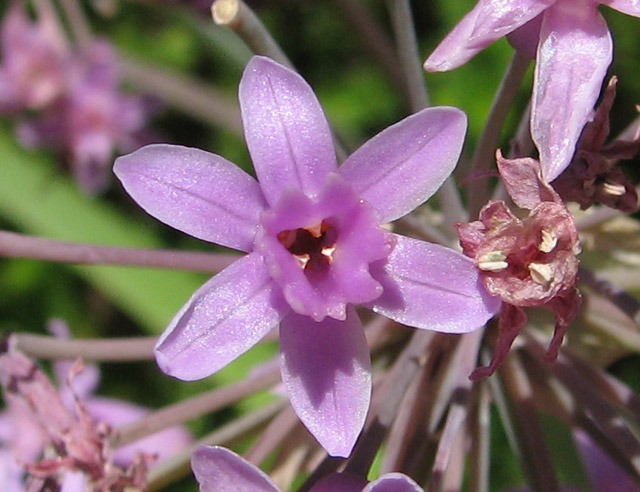
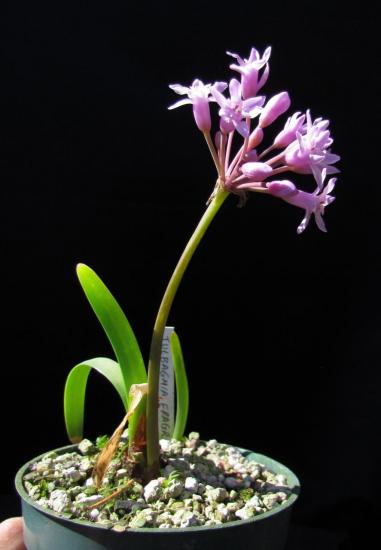
The photos below show a white or near white flower. Photo 1 was taken by Alessandro Marinello and photos 2-3 were taken by Nhu Nguyen. Photos 2-3 show a very light pink form, almost white.
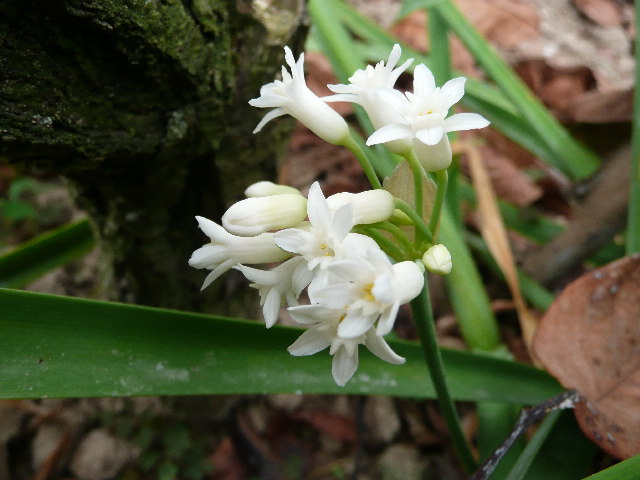
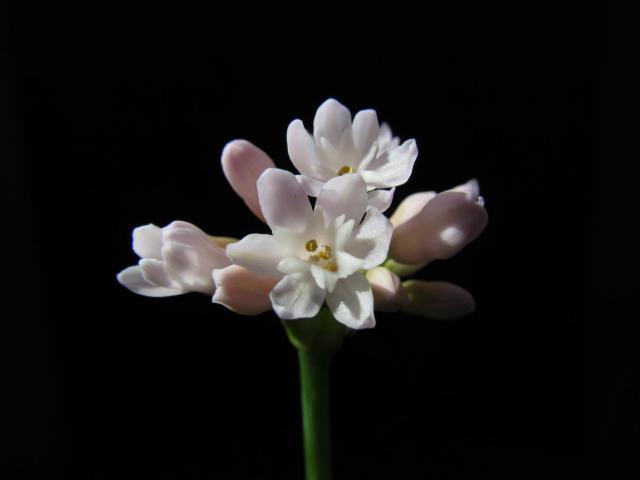
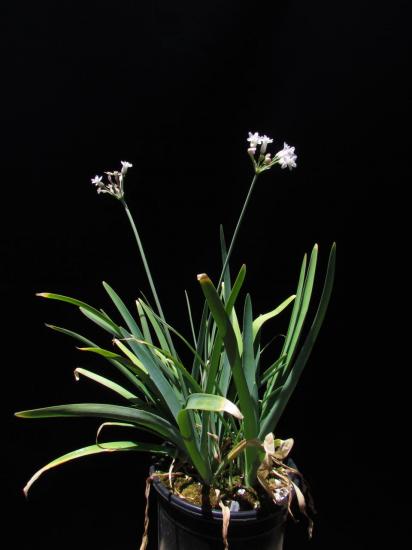
Tulbaghia sp. Kachubwa is a deciduous species collected on the edge of a wetland area near Kachubwa village in Eastern province, Zambia. Plants grow up to about 30 cm tall and produce numerous inflorescences with white to slightly pinkish tinged evening scented flowers. Seed capsules are obocordate to 10 mm long. Photos taken by Nicholas Wightman of plants in Lilayi, Zambia.

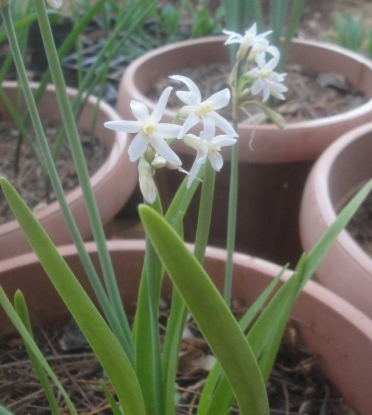
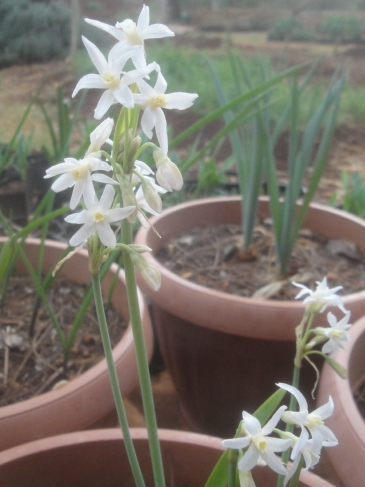
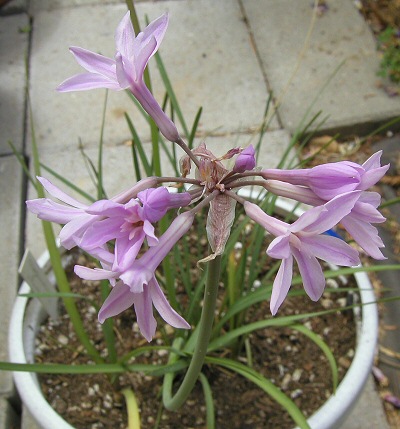
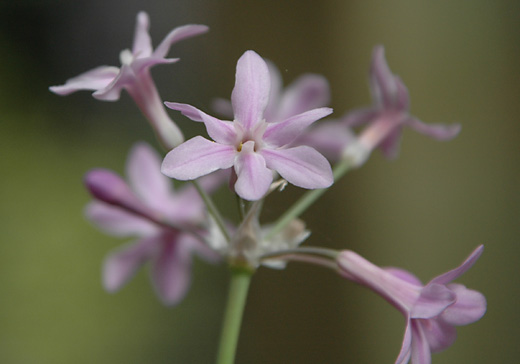
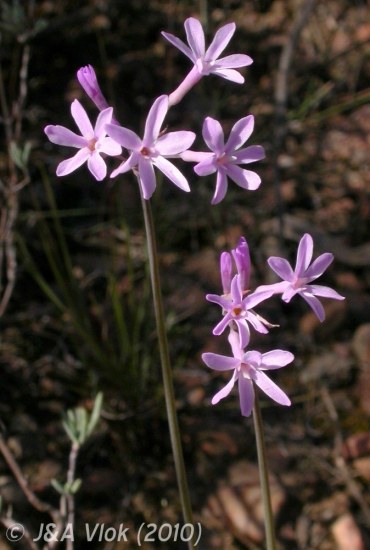
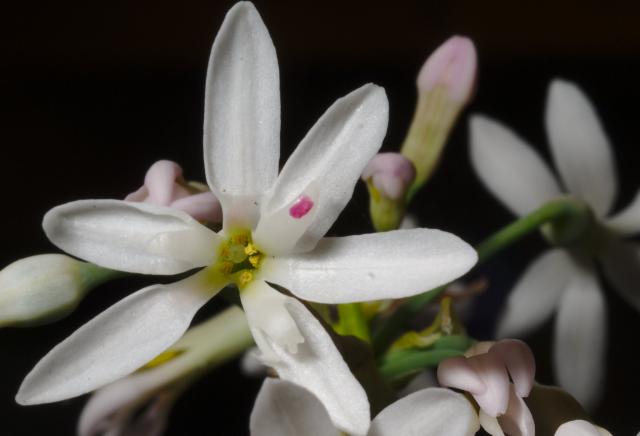
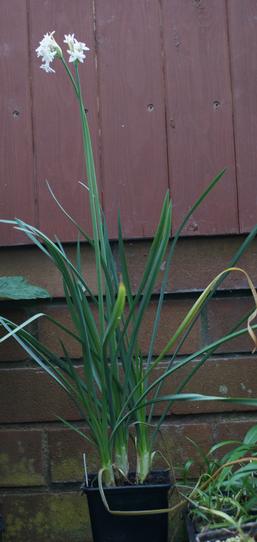
Tulbaghia violacea Harv. is an evergreen plant distributed from the Little Karoo to KwaZulu-Natal. Growing from 20 to 35 cm high, it flowers from summer to autumn. It is the species most often found in cultivation, both in containers and in the garden. All parts of the plant smell strongly of garlic if you brush against it. It also smells strongly on a warm day. Despite this or perhaps because the scent is not as strong as real garlic, it has the common name "society garlic". The plants are strong and can be grown in the ground. It is one of those plants that could even be grown outdoors (although marginally successful) in the Gulf Coast states. It is often used in hybridization with other Tulbaghia species. The often mauve and sometimes white flowers bloom from late summer into fall. The first photo is by Cameron McMaster. The second photo from the book Plants of the Klein Karoo courtesy of Jan and Anne Lise Schutte-Vlok. The third plant pictured by Mary Sue Ittner was grown from seed furnished by David Fenwick and is white (often called var. 'alba'). The remaining photos are by David Pilling of a plant grown from AGS seed sown in early 2009, first flowering in late Summer 2011.
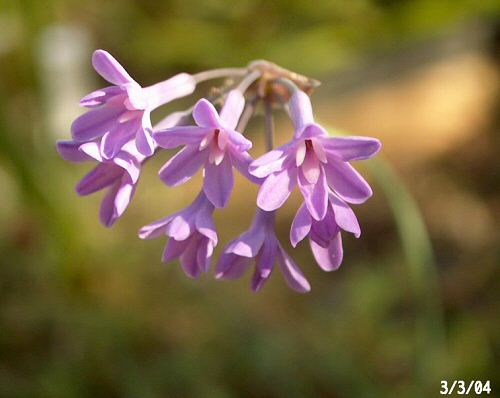

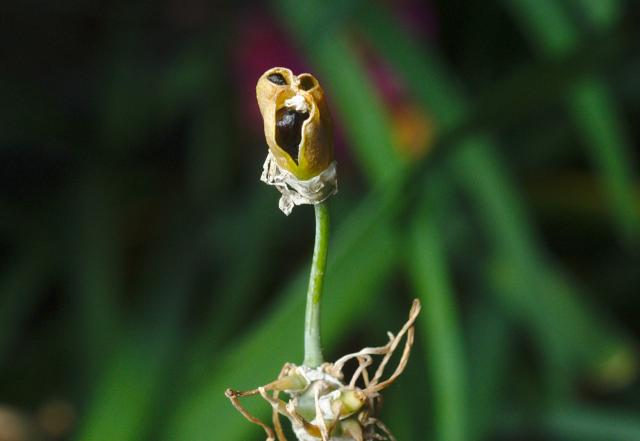
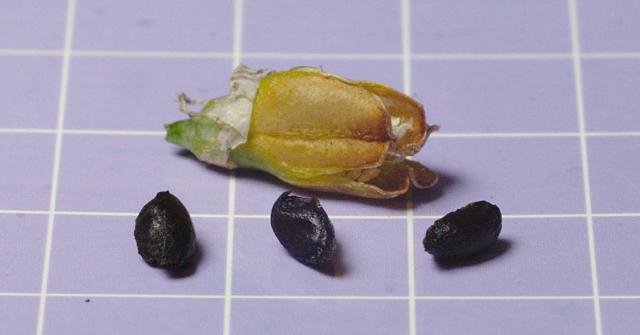
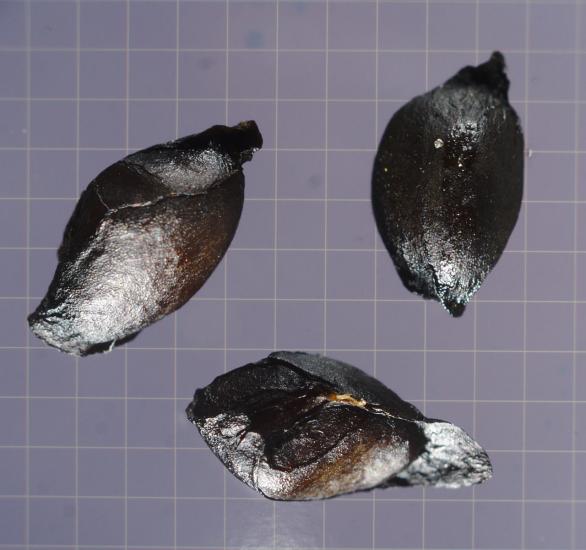
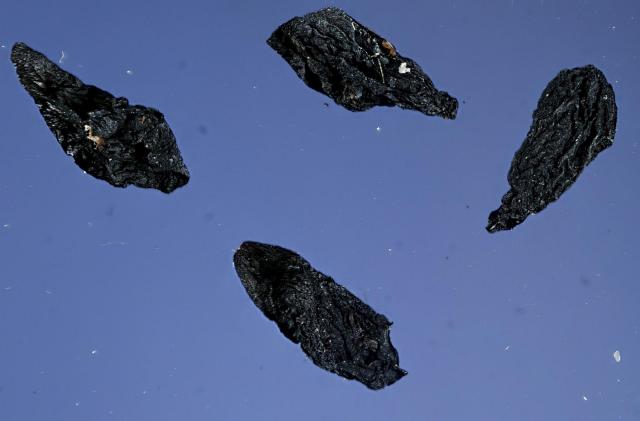
Photographs by David Pilling of seed pods and seed. The coin is about an inch in diameter and the grid in photo 3 is 10 mm and in photo 4 is 1 mm. In photo 3 all the seeds came from the pod shown, but one locule of the three was empty. Fresh seed is very fleshy but soon dries out and looks shriveled as in photo 5.

Tulbaghia violacea ssp. macmasteri Vosa was described in 2010 (Herbertia 63:119). It features longer tepal segments than the common cultivated variety. The first three photos below were taken by Hans Joschko of plants grown from seeds. The last photo is from Bert Zaalberg.