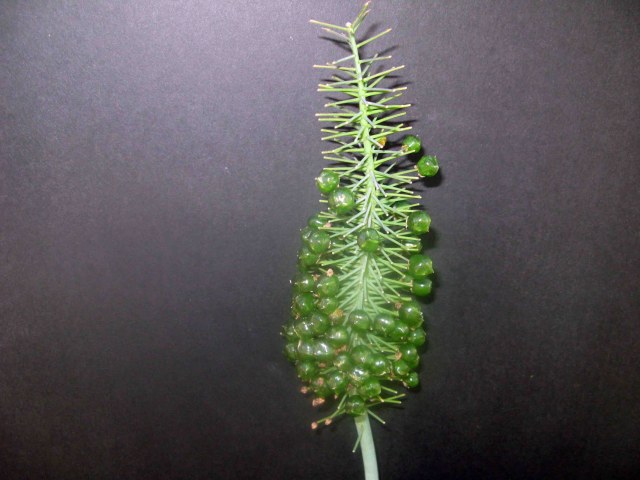
Autonoe is one of the genera in the 2003 proposed split of the genus Scilla. This genus is in the Hyacinthaceae (or most recently in the subfamily Scilloideae under the umbrella of the Asparagaceae family). It includes four species native to Morocco, Western Sahara, and Macaronesia (the Canary Islands, Madeira, and Selvagens). It has large plants, distinct in having orange to purple, fleshy fruits and unique in not producing nectar. Seeds are quite large. In 2025 this genus is accepted by iNaturalist and Plants of the World Online, but not by World Flora Online. On World Flora Online Autonoe is a synonym for Scilla. We will list information here and on Scilla.
Autonoe berthelotii (Webb & Berthel.) Speta, syn. Scilla berthelotii Webb & Berthel. is native to the Canary Islands (Lanzarote and Fuerteventura).
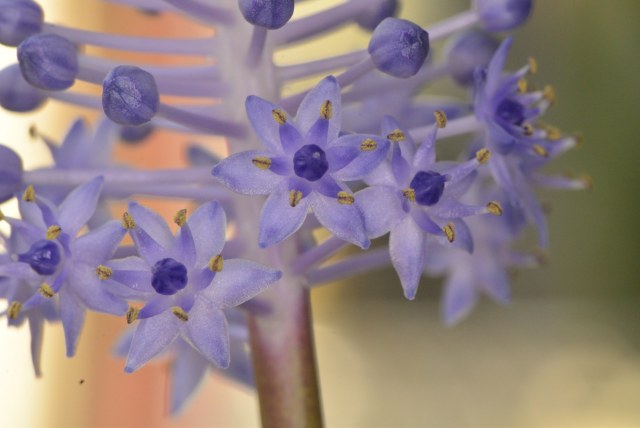
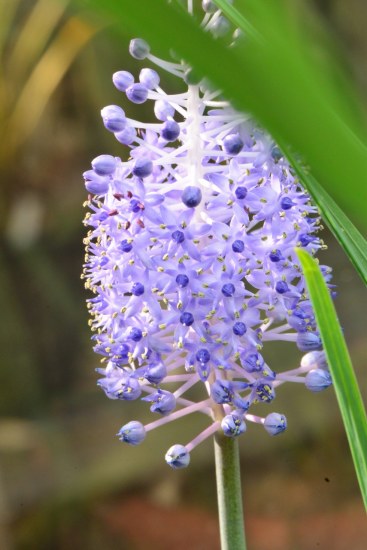
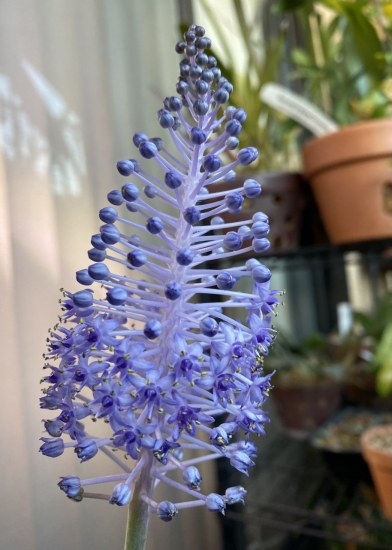
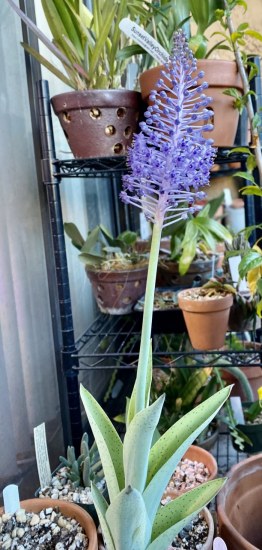
Autonoe haemorrhoidalis (Webb & Berthel.) Speta, syn. Scilla haemorrhoidalis Webb & Berthel., is from the Canary Islands. It flowers in late winter in shades of pink, mauve and blue. The name which may mean 'blood red', 'bleeding' or 'veins', may refer to the red stems. The three leaves are wide and fleshy. Photo taken by Oron Peri of a plant in his collection.
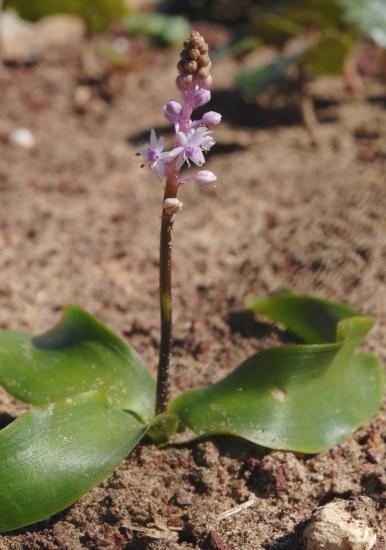
Autonoe latifolia (Willd. ex Schult.f.) Speta, syn. Scilla latifolia Willd. ex Schult.f., is native to the Canary Islands, Morocco, and the Western Sahara. Photos from iNaturalist were taken by sebsant January 2008 on Ténérife, Canary Islands and shared under a CC BY-NC license.


Autonoe madeirensis (Menezes) Speta, syn. Scilla madeirensis Menezes, is native to Madeira. This species has been discussed on the pbs list a number of times. It is thought to be rare in the wild, perhaps nearing extinction, but one correspondent from Madeira has seen it in a number of locations there flowering in September to October, although when grown in cultivation at Kew it blooms later as the dormant plants are not watered until October. It grows in nature in partially shaded or north facing rocky slopes in Madeira with very little fluctuation in temperature (not very hot or cold). It was described on the pbs list as growing in an "eternal spring" climate under the constant influence of the trade winds. It is only dry for a few months in summer, but there still is high humidity from cloud condensation in summer. Several growers have found that their plants do not set seed, but others have been more successful, some by pollinating with a paint brush and others find the bees do the job when flowering occurs when they are abundant. Seed pods take a number of months to dry off. If seeds can be obtained, they germinate easily, but like the mature bulbs need to be protected from frost. Mature bulbs are a distinctive purple color and are potted on the surface of the soil and pull themselves down a bit, but the neck and shoulders remain exposed. A blog post describes how they grow this species at Kew and shows photos of the mature bulbs and flowers. In referring to the color of the bulbs in the photos, Brian Whyer commented that "the Kew photos maybe exaggerate this because they have been inspected and well cleaned to minimize any mealy bug problems which they are prone to. The nice round young bulbs become quite scaly with age."
References are made to this species under the spelling of Scilla maderensis, both on the pbs list and the Internet. This spelling is not listed on IPNI, Plants of the World Online or World Flora Online. In 2011 the pbs list correspondent from Madeira described this plant as "a very rare variant known only to occur in the remote archipelago of Selvagens Islands, and even here they only grow on the Selvagem pequena, an islet which is less than 1 km square of area. The amazing thing is that the flowers are scented and might be pollinated by endemic lizards... The leaves are more silvery too and I suspect this might be a new species as it differs a lot from the standard form."
The first two photos below were taken by Brian Whyer who saw it in a nursery growing in a 12" (30 cm) diameter pot, with stems to no more than 24" (60 cm). The bulbs visible on the soil surface were about tennis bulb size. The third photo was contributed by Terry Laskiewicz and was taken at the Kew Gardens early December 2010. The last three photos were supplied by Ken Preteroti who had obtained a bulb from Longwood Gardens.

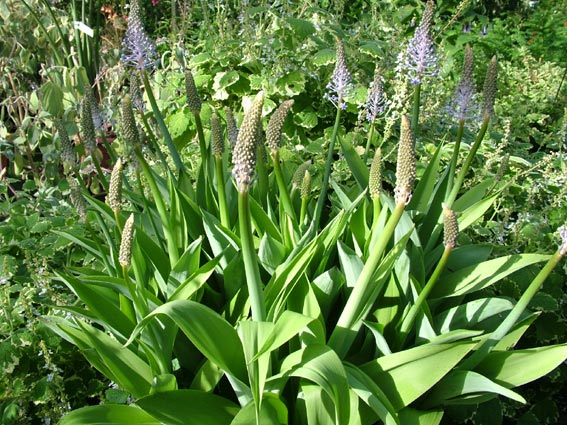
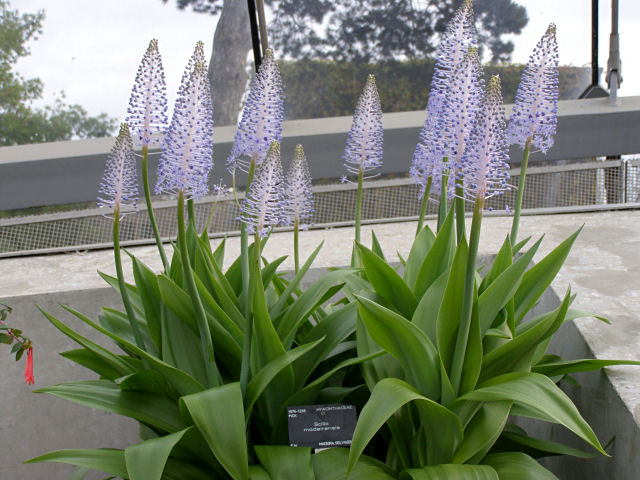
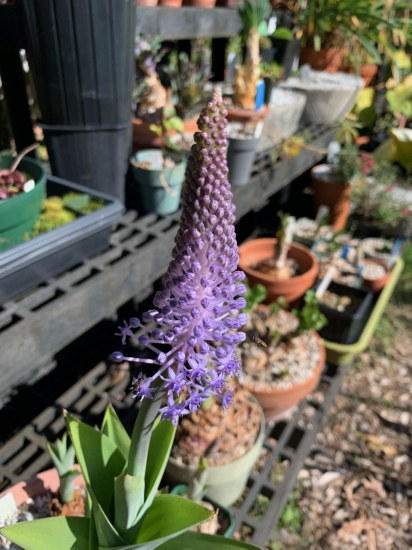
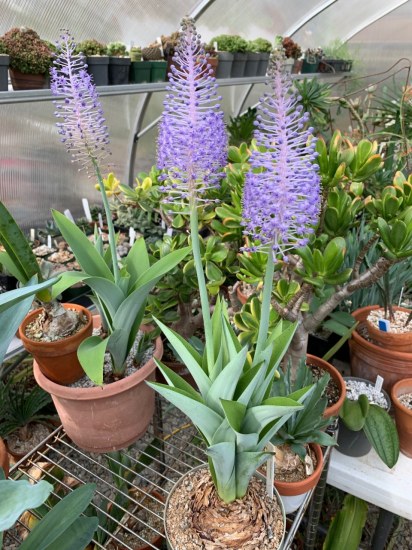
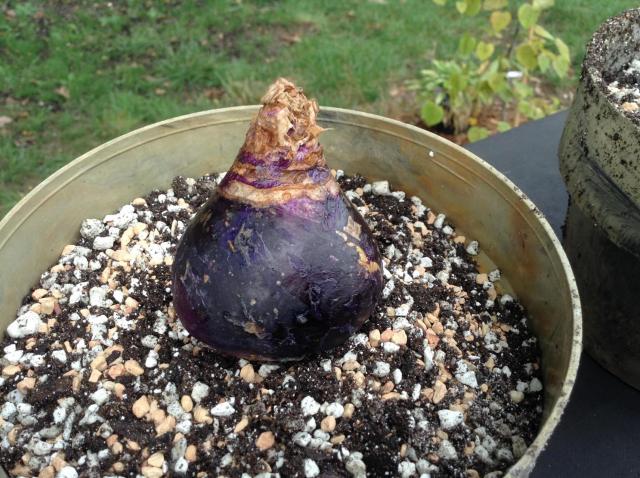
The first two photos from Arnold Trachtenberg who writes: "I think the point about a hard dry summer rest is important. I let mine sit on the basement shelf without any moisture for the entire season." Photos of the flowers from Mike Lowitz. The photo of the seed pods is from Pamela Slate.