Cardiocrinum (Endl.) Lindl. is a small genus in the Liliaceae family whose members are distributed from northern India to Japan. Three species are in cultivation. Cardiocrinum giganteum has been well established in cultivation in England for well over a century. Given the rarity of these plants in eastern North American gardens, it's hard to believe, but Peter Hanson grew C. giganteum in Brooklyn, New York, USA during the second half of the nineteenth century. Although originally introduced long ago, C. cordatum and C. cathayanum have only recently become readily available.
Generations of writers have repeated the incorrect notion that these plants are monocarpic. They are not monocarpic. Yes, the flowering stems die after seed set; in fact, they die whether seed is set or not. But so do the fruiting stems of tulips, lilies, fritillaries and a host of other similar plants. The perennial stem (i.e. the basal plate) and its offset bulbs live on from year to year.
A relaxed approach used by Stephen J. Vinisky to germinating seeds is to sow them in a 5 1/2 inch "azalea" pot. He uses a 1/3 grit mixture. The pot size holds about 18 seeds comfortably. After sowing on the surface of the firmed mix, top the seeds with 1/4" of chicken grit. The pots go outside (under the eaves of the house in a shady, eastern exposure to keep off the majority of our almost continuous rain) and are subject to whatever the winter weather provides. In late spring, the seeds put up one very tiny leaf that attracts every slug and snail for miles around. Sluggo is a less toxic way to effectively keep slugs away.
A more active approach is to sow seeds in good potting mix, water and place in a plastic bag at 55-65 °F (13-18 °C) for 2-3 weeks. Then place in the fridge to stratify for 4-6 weeks and return to germination temperature. Remove from the plastic bag and keep the mix moist. Germination can be very slow.
Transplant seedlings when they're large enough to handle. Both seedlings and adults should be grown in part sun with plenty of moist and organic rich soils (much like conditions for growing hostas). A little fertilizer is recommended during the growing season.
Fresh Cardiocrinum seed has underdeveloped embryos, and a temperature cycle is required before these embryos develop to the point where the seed can germinate. If seeds don't have developed embryos they won't germinate soon.
Research Post-dispersal embryo development, germination phenology and seed dormancy... American Journal of Botany 93(6): 849–859. 2006 shows that seed given a spell of warm 25°/15 °C, developed embryos at 15°/5 °C, which after a period of stratification at 0°–5°C, started to grow at 5°–15°C. "Seeds that have an underdeveloped embryo at the time of dispersal and require specific temperature conditions for embryo development and radicle and cotyledon emergence have morphophysiological dormancy (MPD)". See also Fritillaria Germination. In other words, seeds require the heat of summer followed by the cool of fall to develop embryos. Exposed to the natural temperature cycle they will often, as in nature, take over a year to germinate as they first wait for high temperatures and then low ones. Professor Norman Deno describes a germination pattern in need of 2-3 simulated winters with the paper towel method, which is consistent with the behavior Martin Bohnet observed.
The photographs below by David Pilling show what fresh seeds and seeds with developed embryos look like.
The first set are of fresh seed using reflected light and on a 10 mm grid.
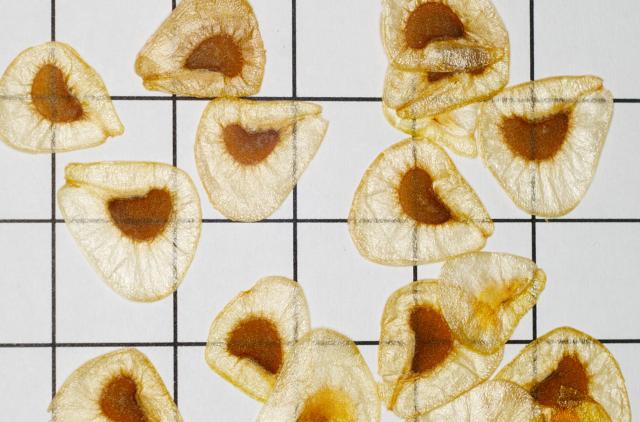
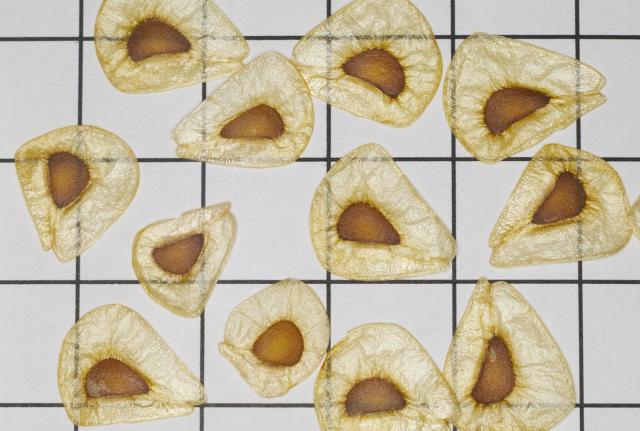
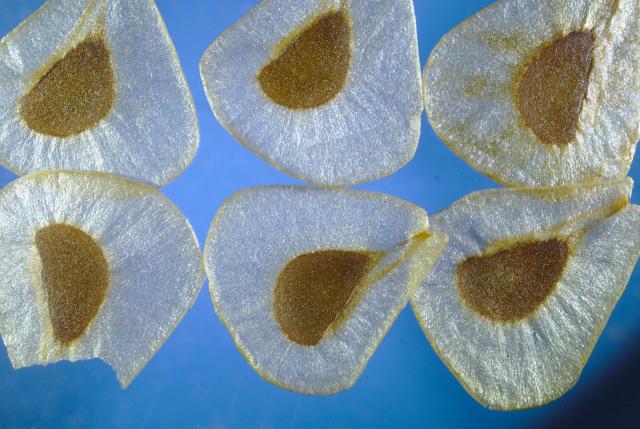
The second set are of the same seeds using transmitted light, it is apparent they have no large visible embryos, however the undeveloped embryo is visible.
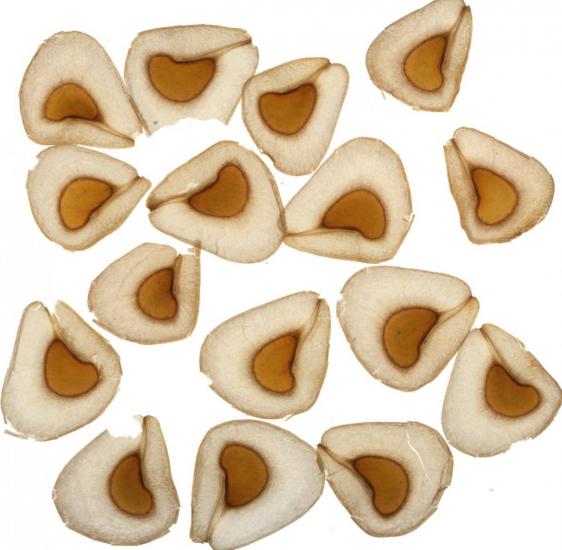
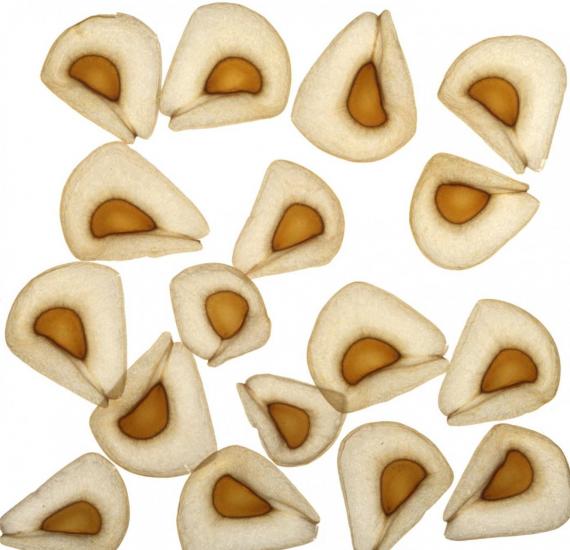
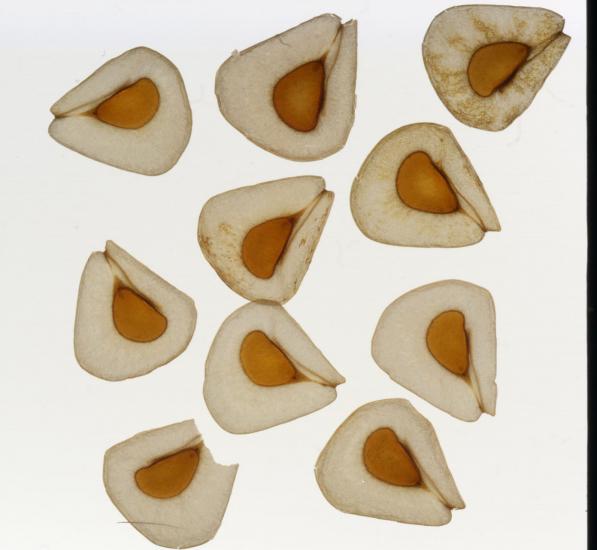
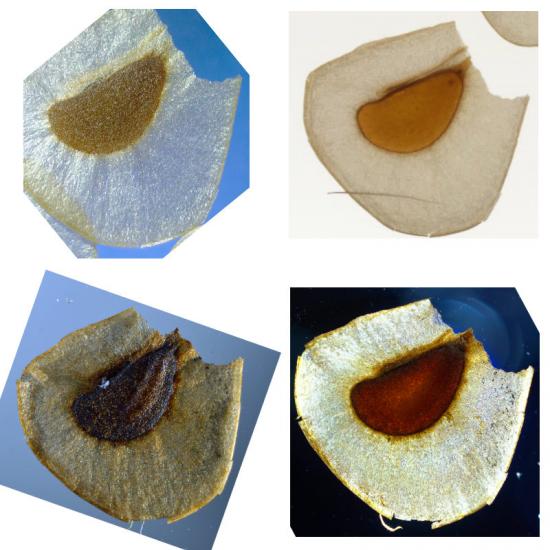
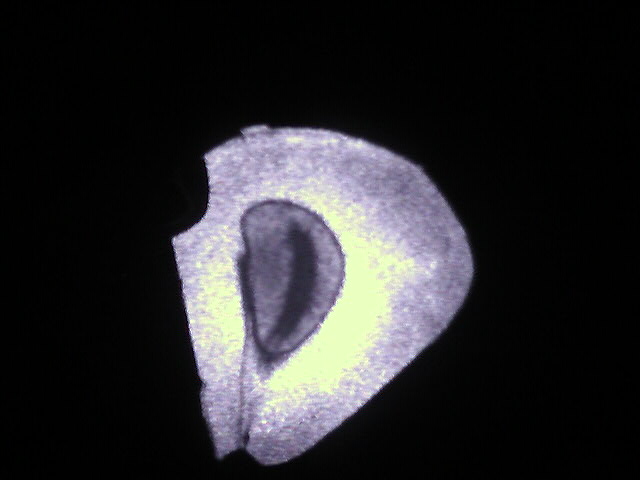
The idea was to show how embryos develop over time when the seeds are exposed to moisture and changing temperatures, however all the seed in the first two photos rotted, although all of that in the third photo developed embryos and the seeds in the next photos all come from it. The first photo below shows one seed using reflected and transmitted light at the start of January 2013 and at the end of February 2014. Deciding if seed is viable from the sort of photographs above is problematic, could one look at the three photos and decide which was the good packet of seed. The second photo shows another seed from this batch using transmitted infra-red light which makes the embryo easier to see. Photo 3 uses a dark field transmitted visible light technique. Photo 4 shows two seeds germinating one of them is the seed in Photo 1.

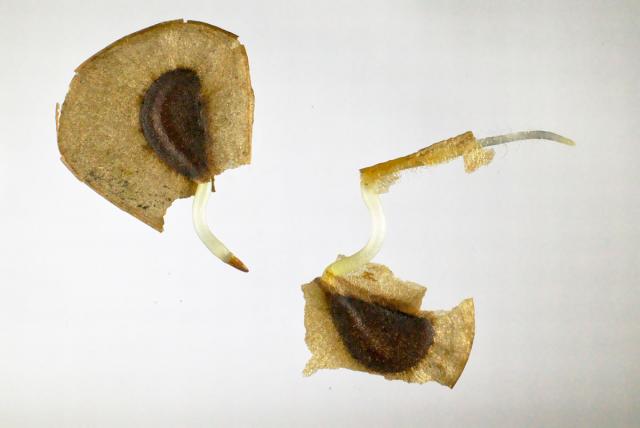
The next two photos show a seed that has been kept moist through Summer and Winter and has developed an embryo; photo 1 reflected light, photo 2 transmitted.
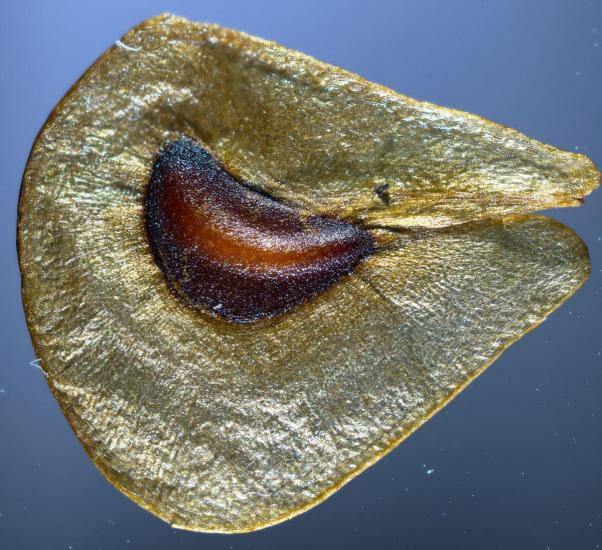
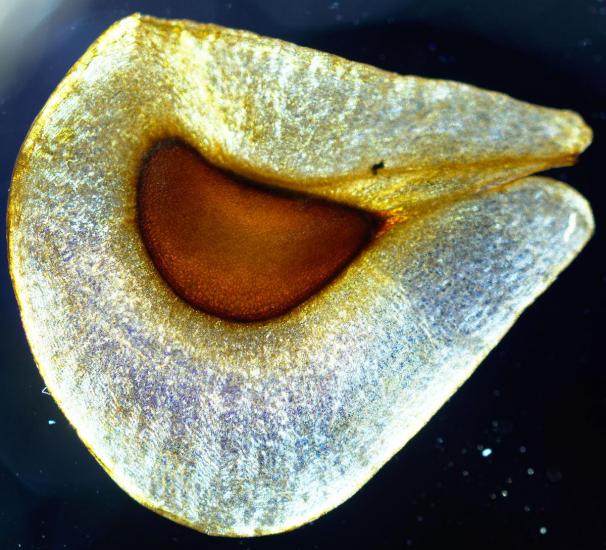
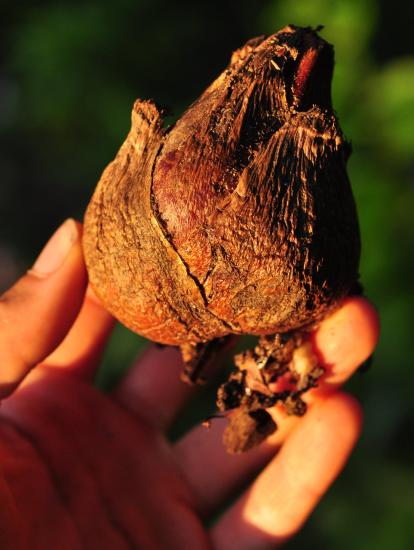
Cardiocrinum cathayanum (E.H.Wilson) Stearn is from China, described in 1925 by E.H. Wilson as Lilium cathayanum. Height range: 4-7 ft. Photographs by Pontus Wallstén, who comments "I find that C. yunnanense tends to have bronze or purplish leaves on emergence, which eventually turn a nice lime green, while C. cathayanum mainly tends to be lime green already on emergence". Compare the bulb image with that of Cardiocrinum giganteum var. yunnanense below.

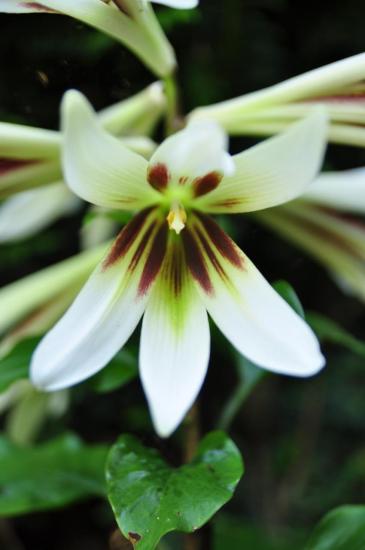

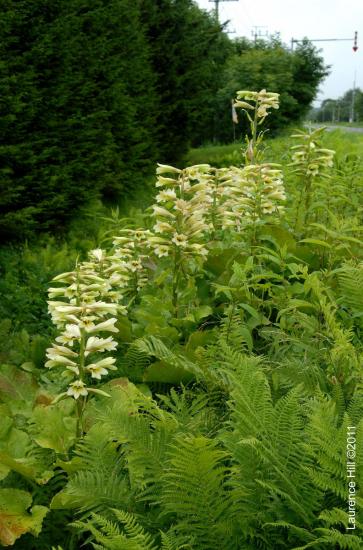
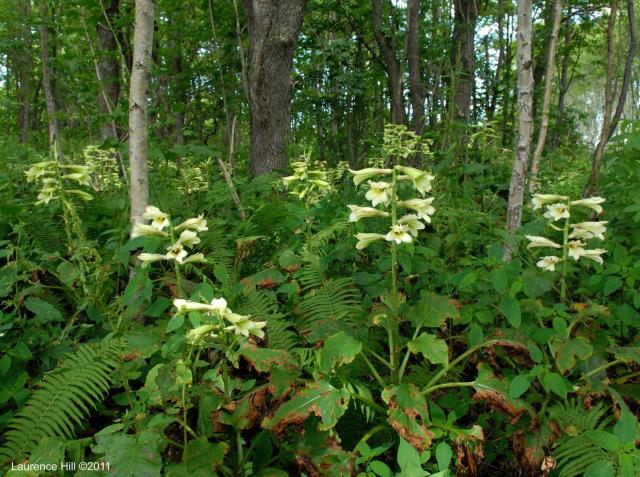
Cardiocrinum cordatum (Thunb.) Makino is from the North of Japan, the Kuril Islands and Sakhalin; growing in conifer, oak and bamboo woods in cool moist places in the mountains. Height range: to about 6 ft. Photographs by Laurence Hill. The first one in Japan: Hokkaido, along road verges in great numbers, 24 July 2011; second and third in Japan: Hokkaido, nr. Lake Tofutsu, very moist woodland – Acer mono, Alnus japonica, Arisaema serratum, Fraxinus mandshurica, Hosta rectifolia, Iris setosa, 23 July 2011.
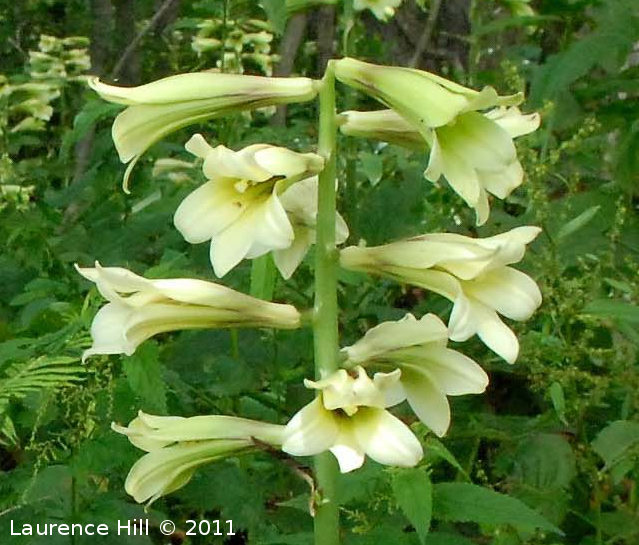
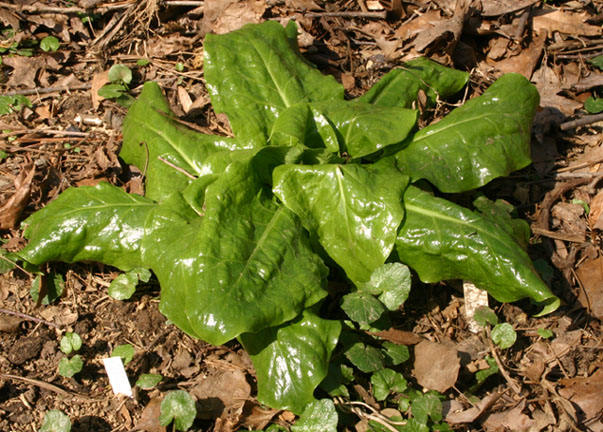
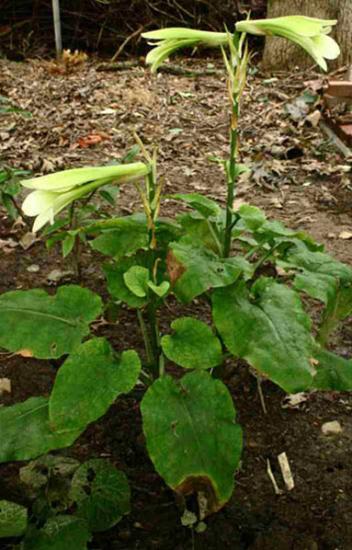
The photos below show phases in the life of the species photographed in the garden of Jim McKenney. The plant shown first bloomed in July, 2000, and is now about to bloom again in 2004. The first photo is of the foliage as it appears in early spring. Freezes are still common when this foliage starts to grow, but so far cold damage has not been observed here. Plants not vigorous enough to bloom remain at this stage all season, resembling skunk cabbage.
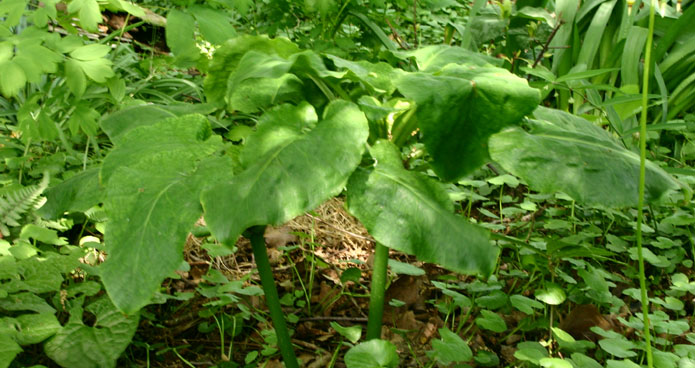
The second photo shows the plant with its two stems about a month later. At this time, the annual stems have elongated, raising the whorl of foliage well above the ground. This is the "hosta on a stick" phase. The plants remain like this for weeks, seemingly inactive. But if you look carefully at the center of the leaf whorl, you will see the slowly differentiating inflorescence. The inflorescence may eventually extend upward another two or three feet.
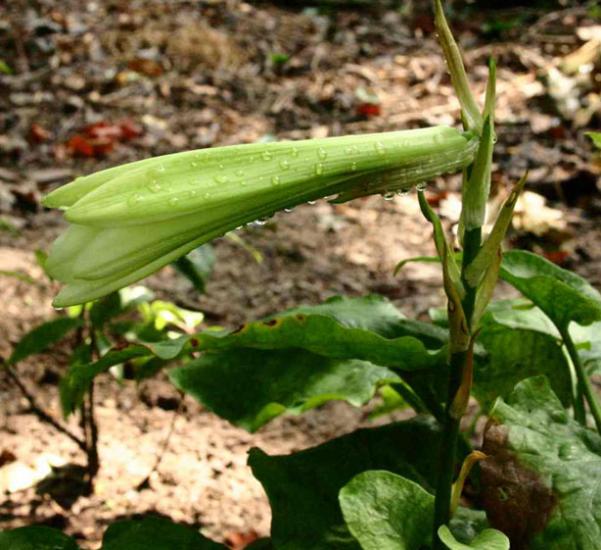
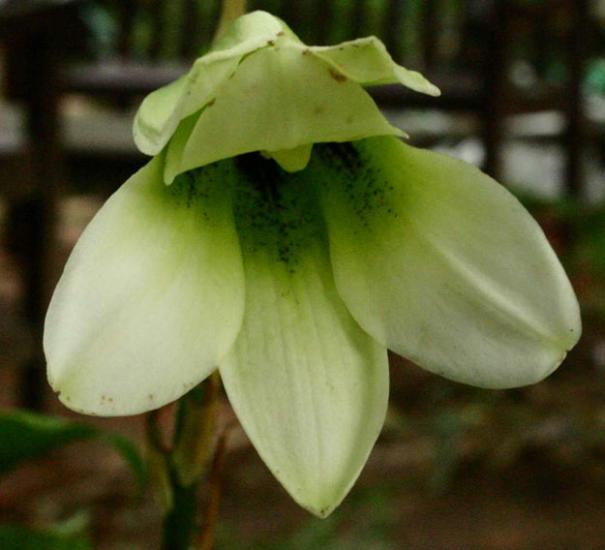
Photos 3-5 are of the same plant blooming on July 25, 2004. Photo 3 shows a fully developed bud, photo 4 shows the interior of the flower, and photo 5 shows two blooming stems.
In 2014 there was a PBS list post from Jim McKenney describing Cardiocrinum cordatum growing wild in Maryland. Click below to see videos of the scene.
Cardiocrinum cordatum in a Maryland woodland 1/2
Cardiocrinum cordatum in a Maryland woodland 2/2
Cardiocrinum cordatum var. glehnii (F.Schmidt) H.Hara, is a non-recognised variety characterised by being shorter than the species. Height: 3 ft. The first photo is by Mari Kitama of var. glehnii in Japan. Photo 2 by Pontus Wallstén is of a bulb a year or two away from flowering size.
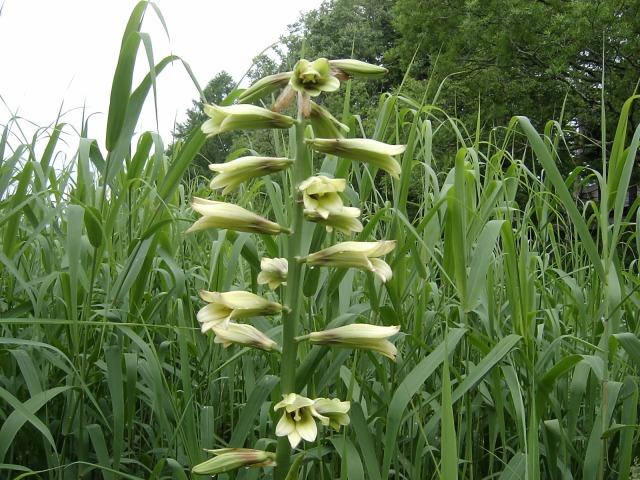

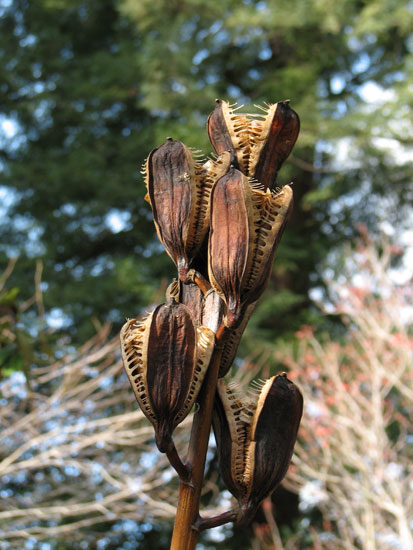
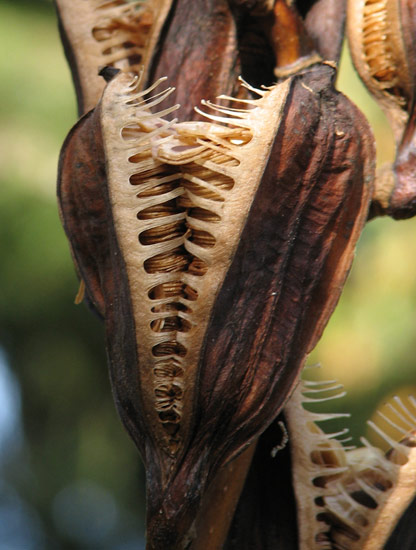
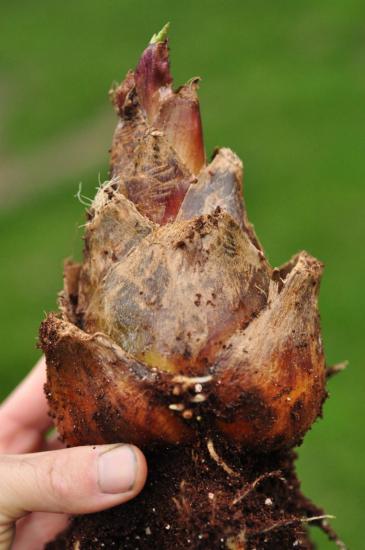
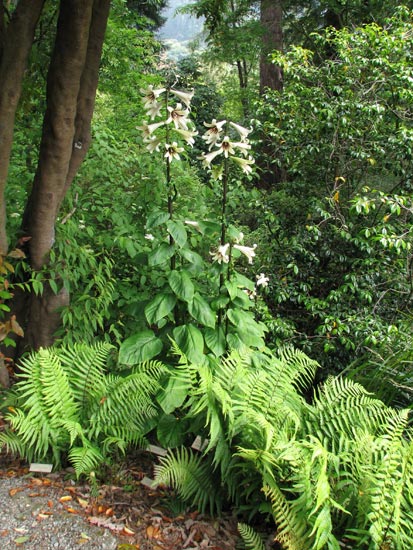
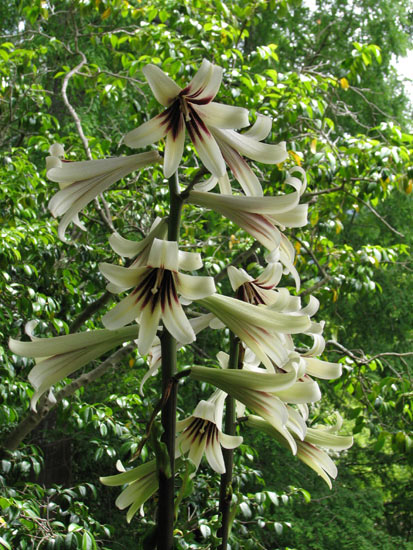
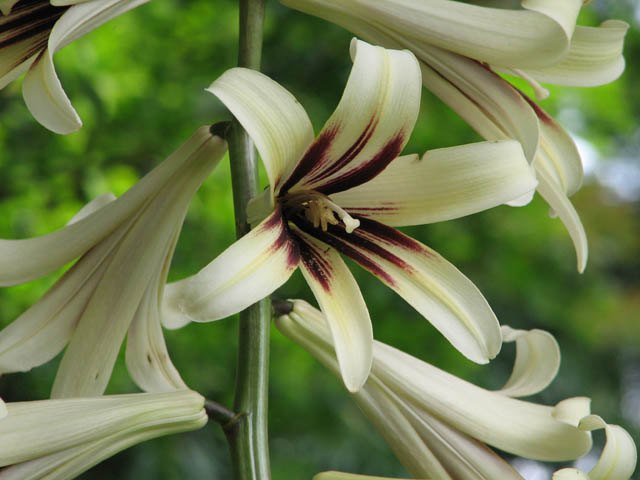
Cardiocrinum giganteum (Wall.) Makino is native to the Himalayas east to Myanmar (Burma) and China. Height: to about 8 ft. Photos 1-2 were taken by Jane McGary in northwestern Oregon of plants originating from a Chadwell collection in the early 1990s. Planted in rich humus soil and well fertilized, the original bulbs have produced a series of offsets with flowers most years, beginning 5 years after sowing. This species is intolerant of hot, sunny exposures, where the foliage is liable to burn. In the evenings, the flowers emit a heavy oriental, sweet but spicy scent. Photos 3-4 taken by Nhu Nguyen at the UC Botanical Garden show the seed pods and seeds of this species. Photo 5 by Pontus Wallstén shows a flowering size bulb.

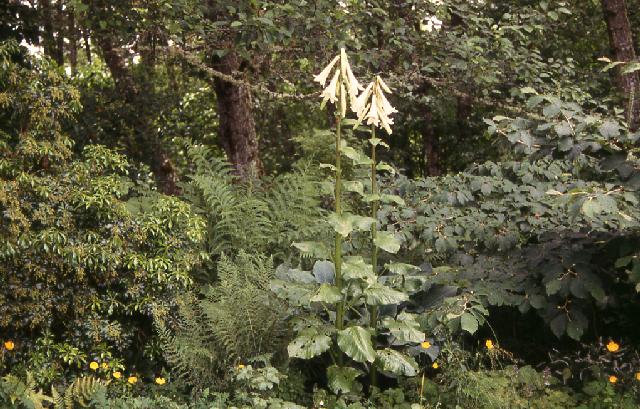
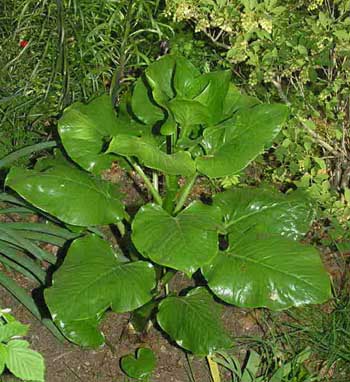
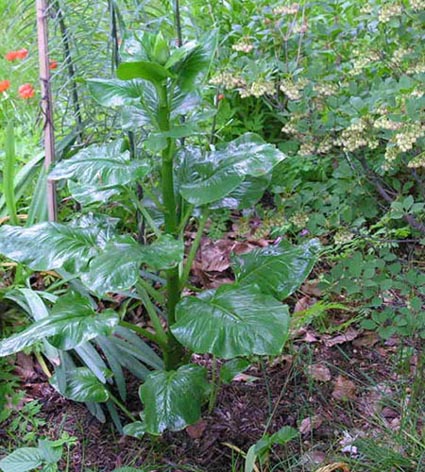
Growing in New Jersey for three years. Each year the size and number of leaves increases and soon a flower. Has some offsets that have sent up a single leaf this year. This plant has produced a stalk. The following images taken by Arnold Trachtenberg will show periodic changes.
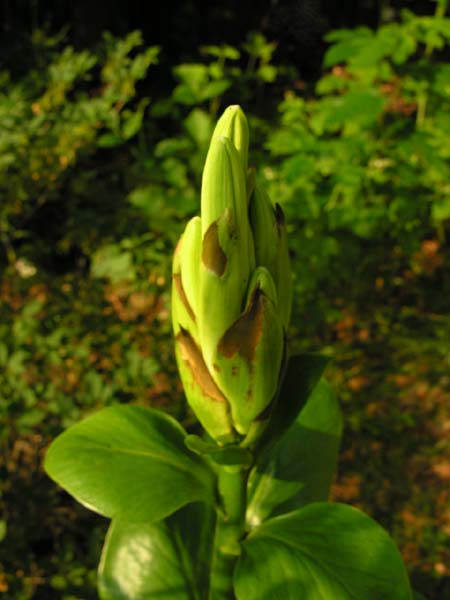
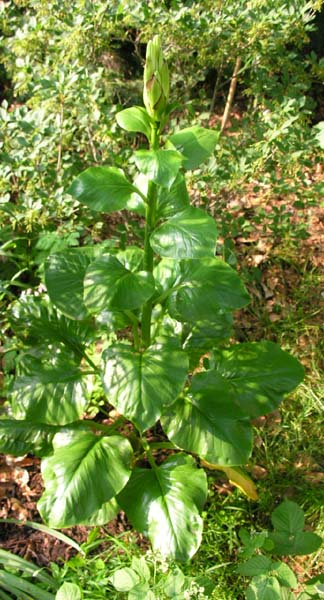
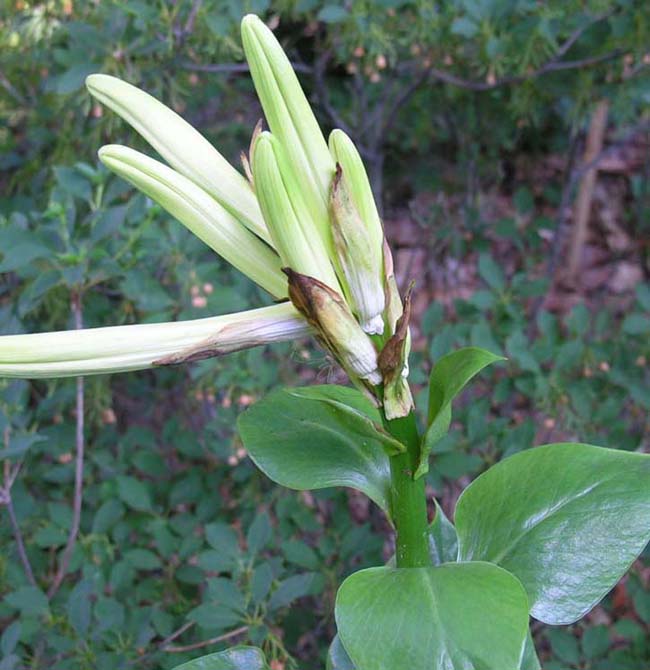
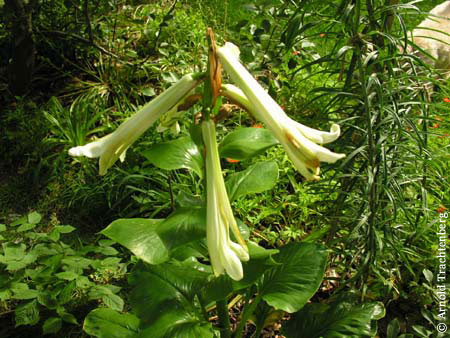
Cardiocrinum giganteum var. yunnanense (Leichtlin ex Elwes) Stearn is native to Yunnan province of China and northwestern Myanmar (Burma). Height range: 10-12 ft. The first three photos below were taken by Nhu Nguyen at the UC Botanical Garden. Photo 4 is by Pontus Wallstén who comments "I find that yunnanense bulbs are usually dark brown or purplish in colour, while C. cathayanum bulbs tend to be more light brown". You can see the difference with the Cardiocrinum cathayanum bulb image above.

Major reference works covering Cardiocrinum include