Crocus is a genus in the Iridaceae family that is widespread; it is found in Europe, North Africa and in Asia. The standard reference on the genus was Brian Mathew, The Crocus written in 1982, but at least half a dozen taxa, including new species, have been described since its publication. In 2010 Jānis Rukšāns published the book Crocuses: A Complete Guide to the Genus that includes descriptions of species and cultivation information. This PBS wiki page features Crocus species k-o that bloom in the fall.
Crocus index - Fall Blooming crocus a-h - Fall Blooming crocus p-z - Spring Blooming crocus a-b - Spring Blooming crocus c-e - Spring Blooming crocus f-l - Spring Blooming crocus m-s - Spring Blooming crocus t-z
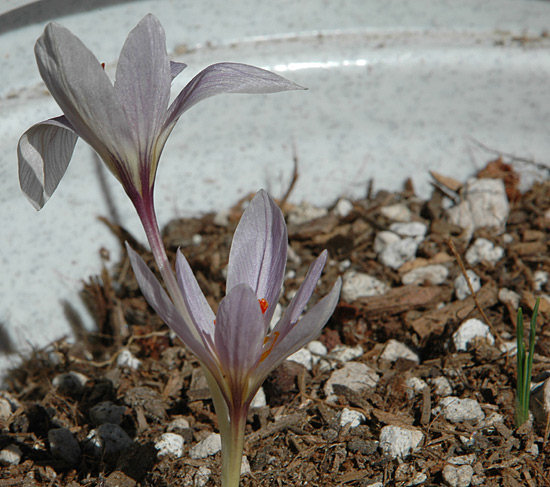
Crocus kotschyanus K.Koch (formerly known as Crocus zonatus J.Gay ex Klatt) is a somewhat weedy species usually flowering in October before the leaves appear. Its native range is Central & S. Turkey, NW. Syria, N. & Central Lebanon. Height: 10 cm. It has a bad reputation not only because it is a rampant self-seeder, but also because many forms have flowers that are woefully undersized. There is a form in commerce that appears to be badly infected with a virus, as the flowers are not just small, but seriously deformed. A good form of Crocus kotschyanus with flowers of reasonable size is worth having, however. In some lights the flower color approaches a delicate pink, and one can forgive a self-seeder of such beauty. The plants depicted are descendants of a feral colony in Victoria, British Columbia, with flowers not much smaller than those of Crocus speciosus. Photo by Rodger Whitlock.
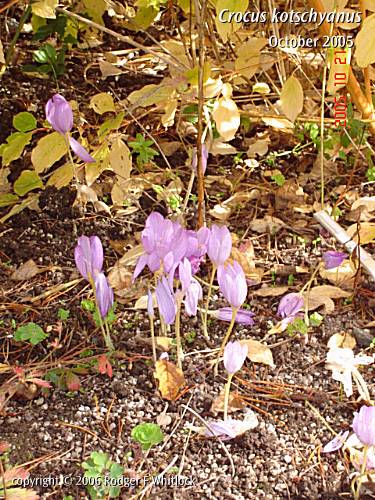
Crocus kotschyanus ssp. kotschyanus 'Reliant' This species is native to Turkey to Lebanon, and it is an easily grown, particularly in this named selection. It is usually the first to flower in my garden, opening flowers in late September or early October. The flowers are pale lilac that reveal beautiful detail when peering into the open chalices; a bright undulating ring of gold at the center and a fine tracery of darker lilac veining. The first two photos are side views, the third photo is an overhead bee's-eye view. Photos by Mark McDonough taken October 2, 2005.
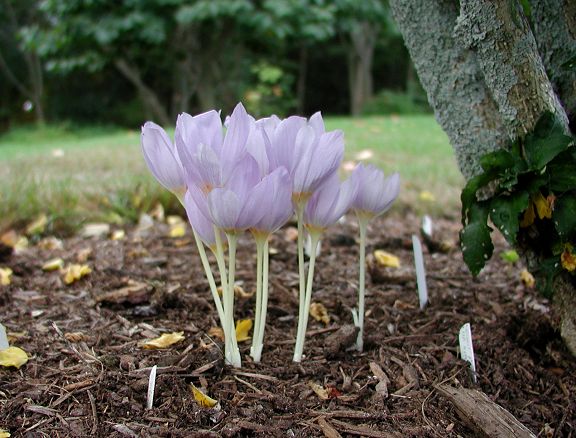
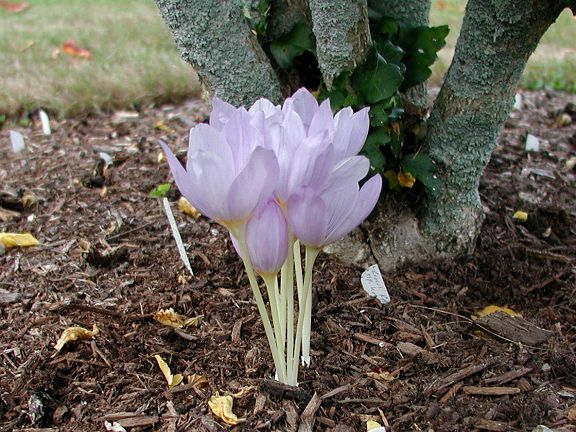
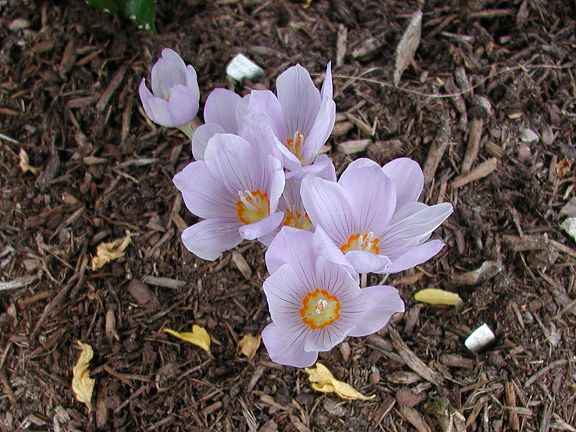
Crocus kotschyanus ssp. kotschyanus Photos by John Lonsdale.
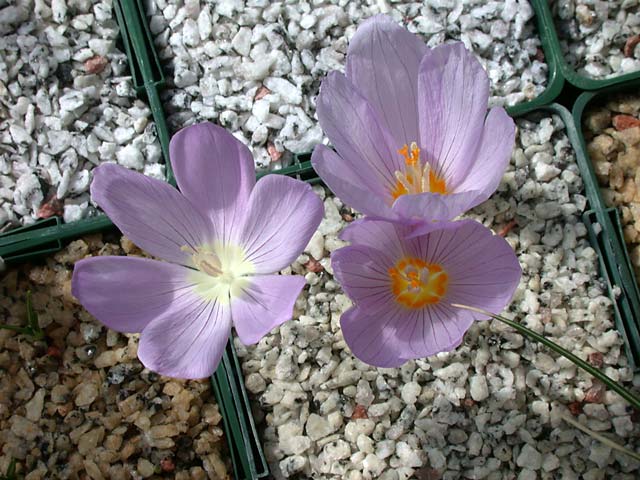
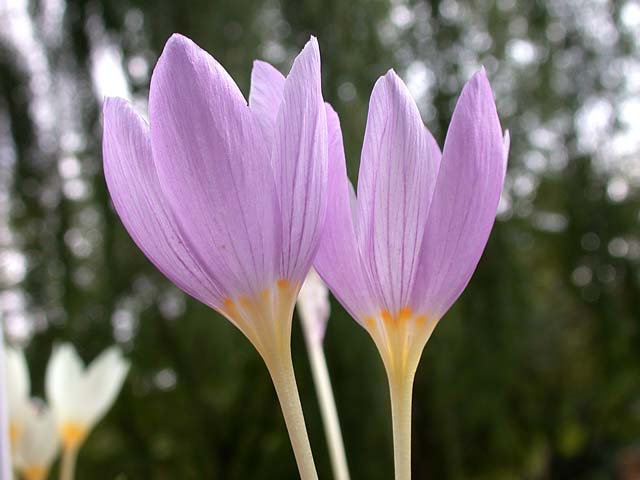
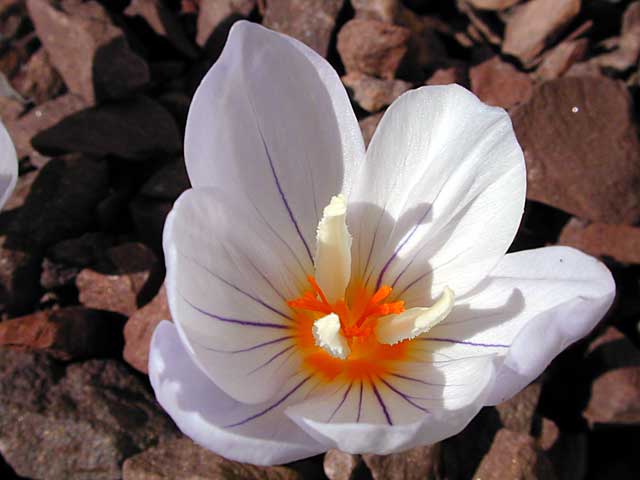
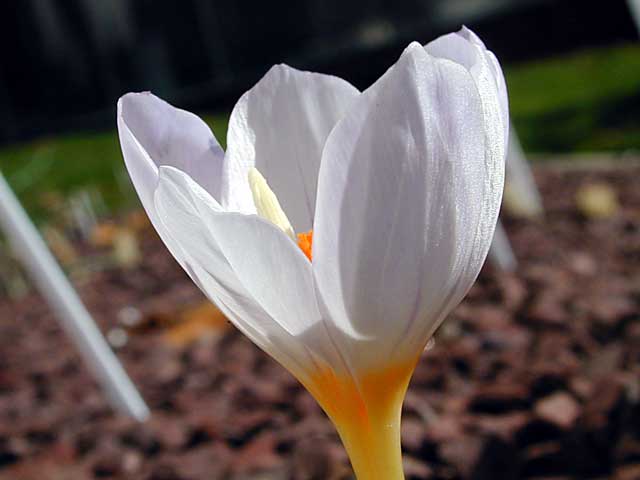
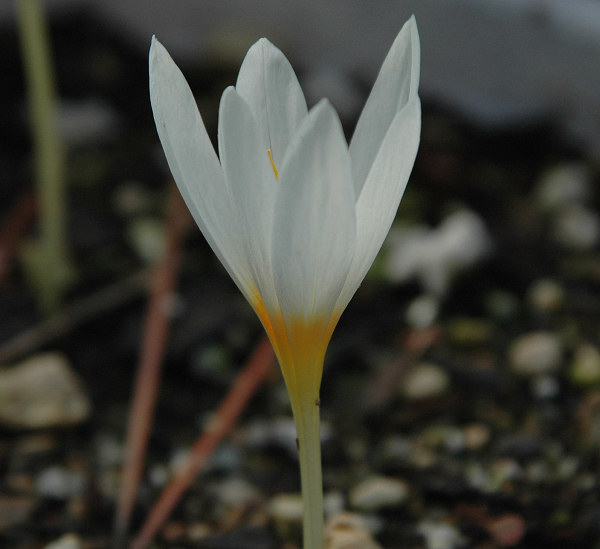
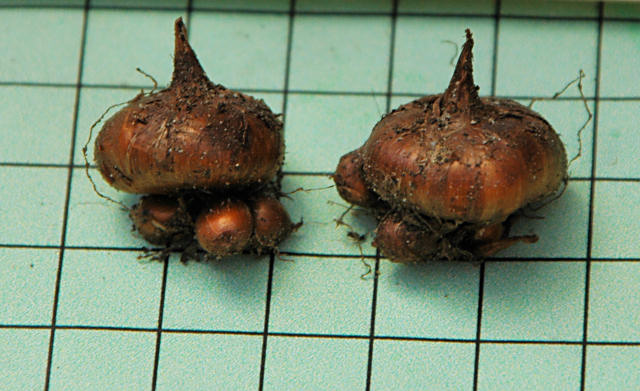
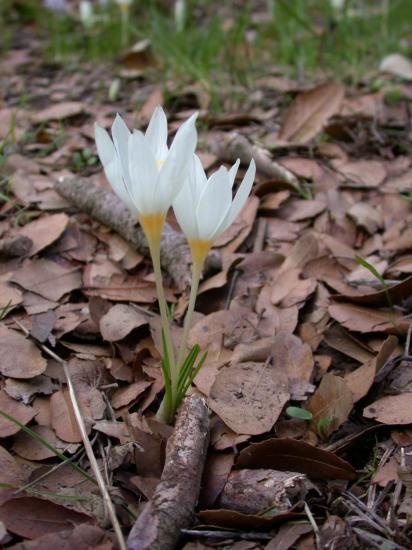
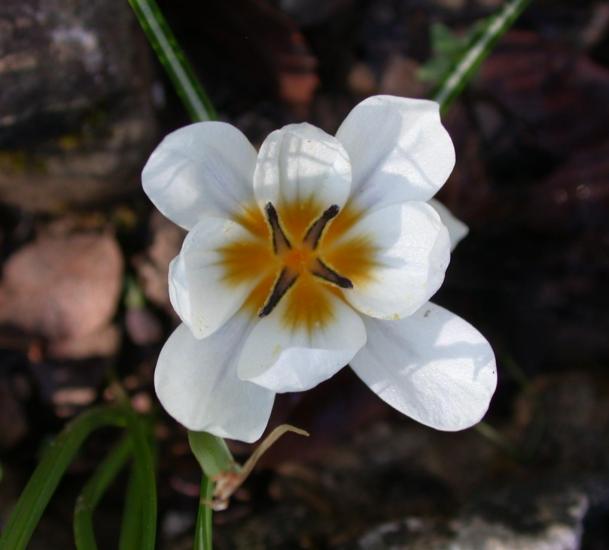
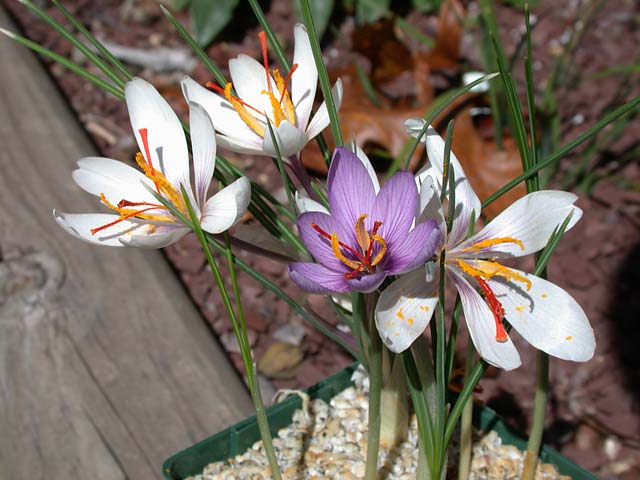
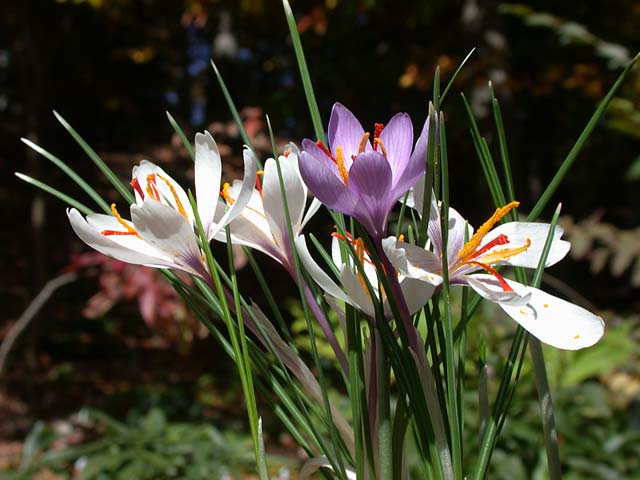
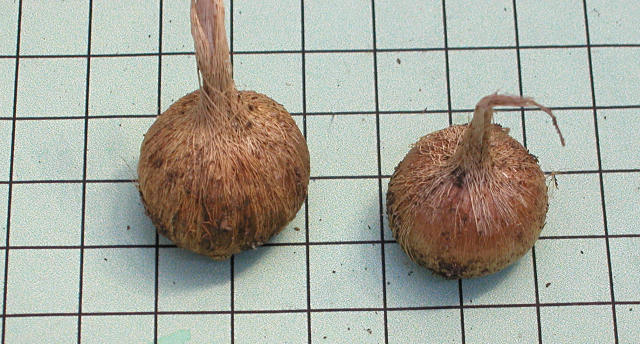
Crocus laevigatus Bory & Chaub. from Greece flowers with the leaves present in late fall, sometimes early winter. It has white to lilac-violet flowers with a deep yellow zone. Height: 8 cm. The first two photos were taken on Nov. 9, 2008 by Nhu Nguyen at the UC Botanical Garden. The third photo is by Michael Mace. The last photo by Mary Sue Ittner shows the corms on a 1 cm grid.

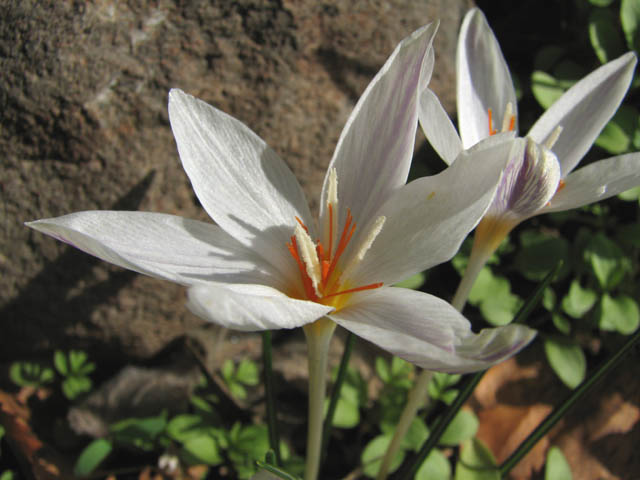
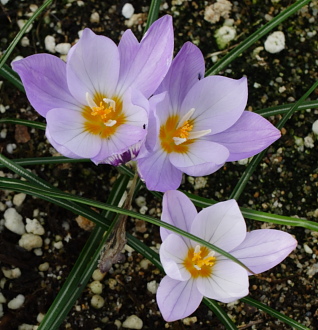

Crocus laevigatus 'Fontenayi' is fragrant, striped and feathered purple on the outside. It has white anthers and an orange stigma divided into many branches. Photos #1-2 were taken by Mary Sue Ittner December 2004. Photo #3 was taken by Arnold Trachtenberg and #4-5 were taken by Steve Burger (2006) who writes: "These crocus are grown terrestrially (not potted) in Atlanta, Ga USDA 7b. This is their 3rd year at this location."

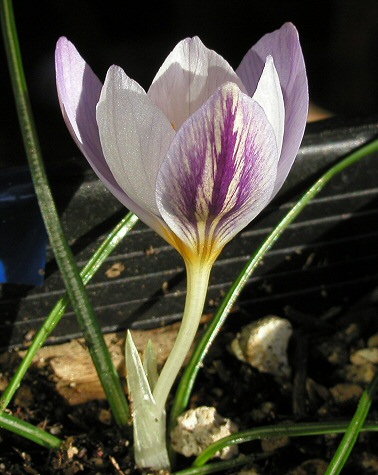
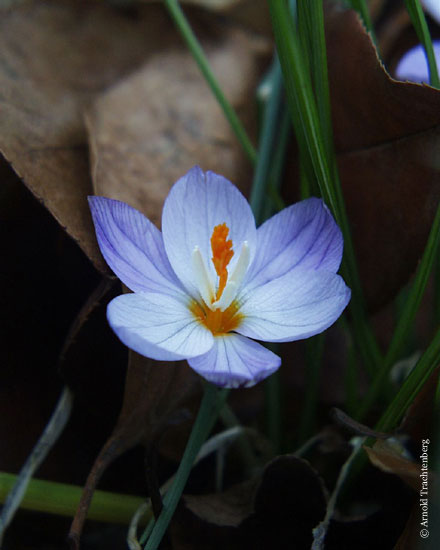
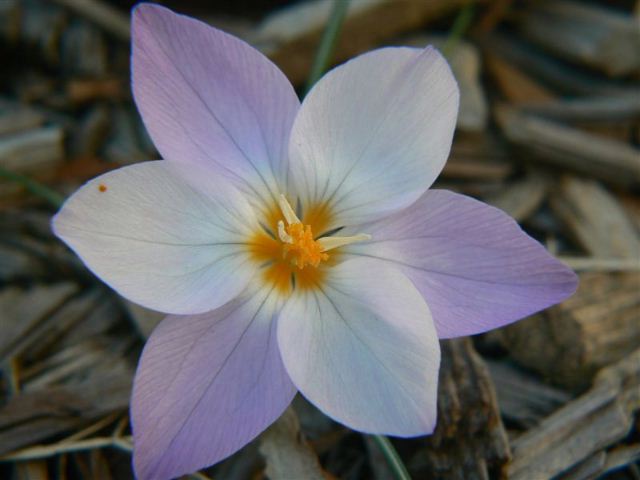
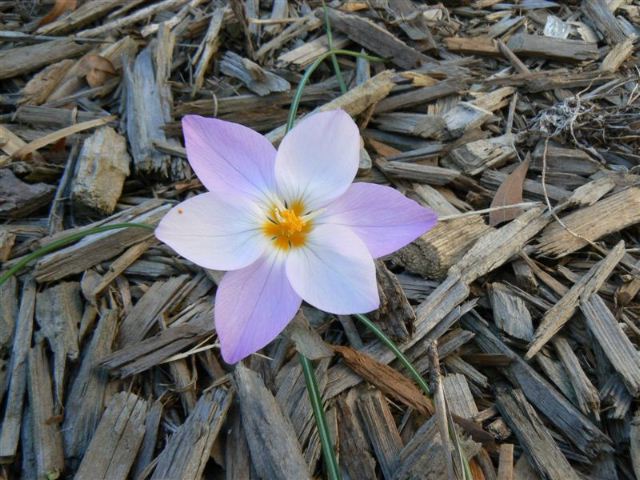
Crocus longiflorus Raf. is from southern Italy, Sicily, and Malta. It's reportedly very fragrant, and is variable in color, pale to deep lilac with darker striping on the outside. It has yellow anthers and an orange-red style, and a finely fibrous corm tunic. It flowers with the leaves. Hardy in the UK. Height: about 5 cm. Photos by John Lonsdale including a white form.
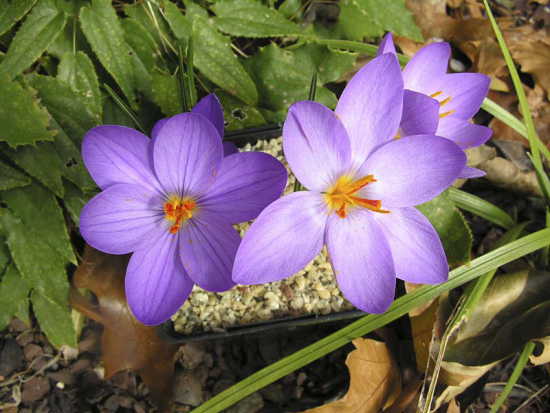
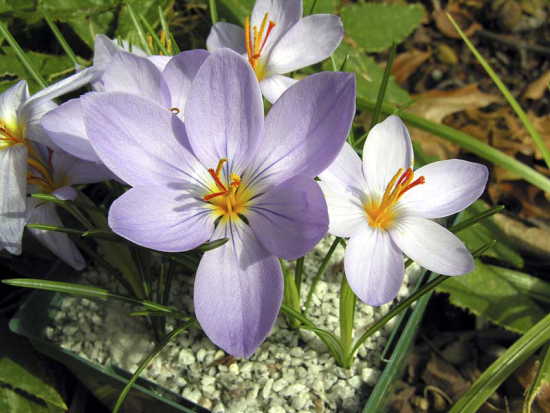
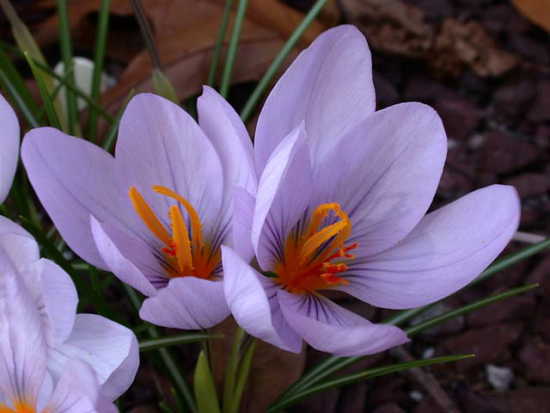
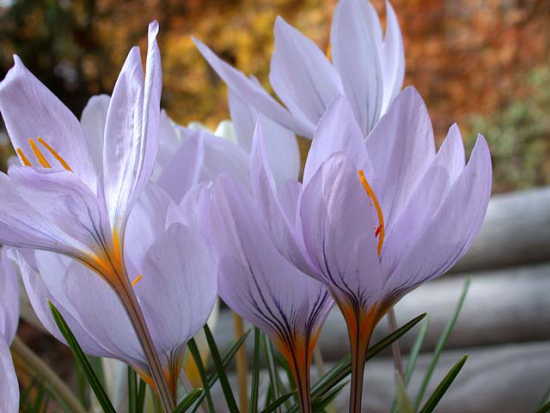
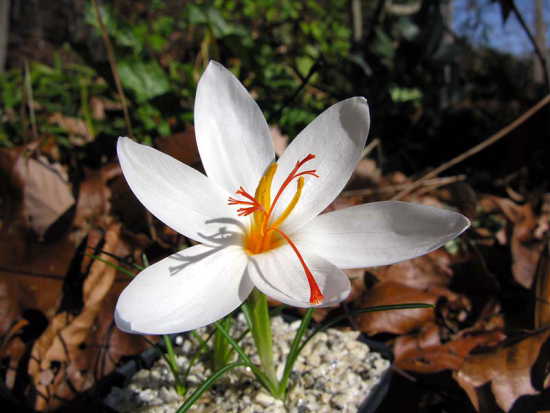
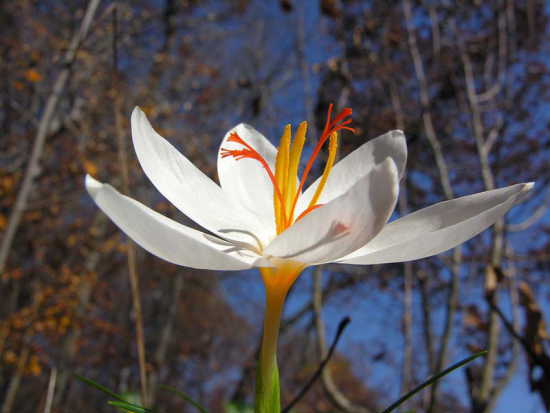
Crocus mathewii Kernd. & Pasche is native to a few sites in Turkey and was recently discovered and described. Height: about 10 cm. Unfortunately, it has been reported that collectors then visited the type site and dug most of the population. The species is established in cultivation, however, seed having been distributed from the initial collections. The plants shown were grown from seed produced in Michael Kammerlander's collection in Germany and sent by him to David Hale, who kindly passed the seed on to Jane McGary. The seed was sown in winter 2001 and here is the first flowering of 3 corms (October 2004), grown in a bulb frame not dried out totally in summer. The striking coloration shown here is what made this species famous, but it is reported that not all individuals have such a strong violet central zone. Leaves are well emerged at flowering. Photo labeled JMW1 was taken in the wild in Turkey, November 2006, of a typical plant growing in short turf around a herding family's summer camp, the sheep having left by that time so the crocuses (C. cancellatus also present) survived. Photo labeled mathewii x pallasii was taken a few days later on the slope of Tahtali Dag, Turkey, in a small clearing in scrub (goats present, crocuses threatened) where the crocuses in flower included typical C. mathewii, C. pallasii, and C. cancellatus; its color and shape suggest a hybrid, and some authorities think C. mathewii probably should be included in C. pallasii at some taxonomic level. First three photos by Jane McGary, fourth and fifth by John Lonsdale.

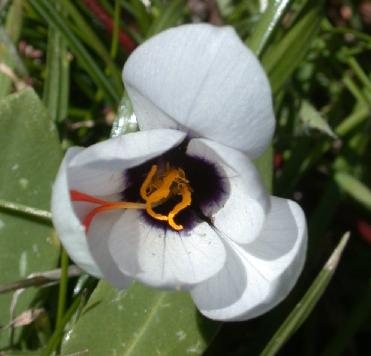
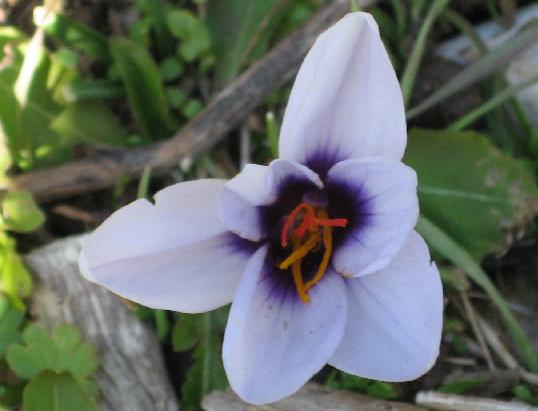
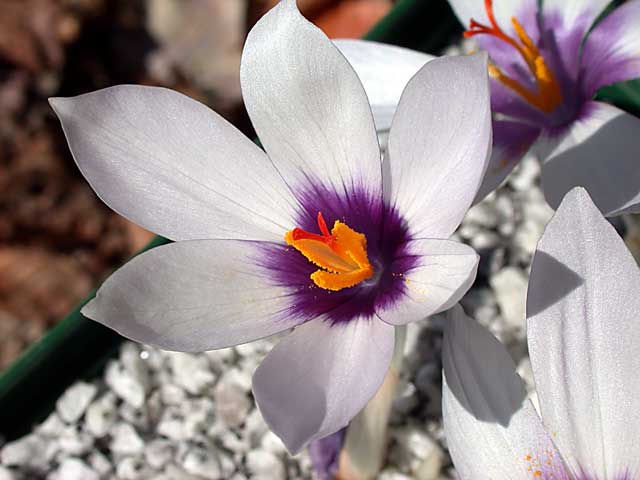
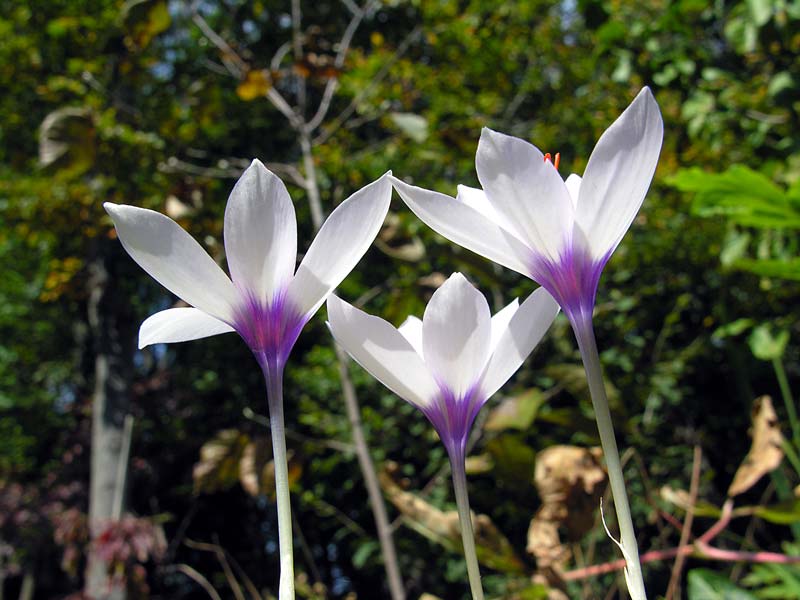
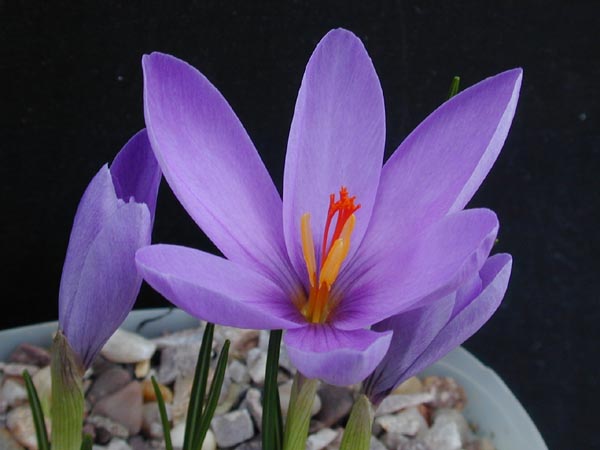
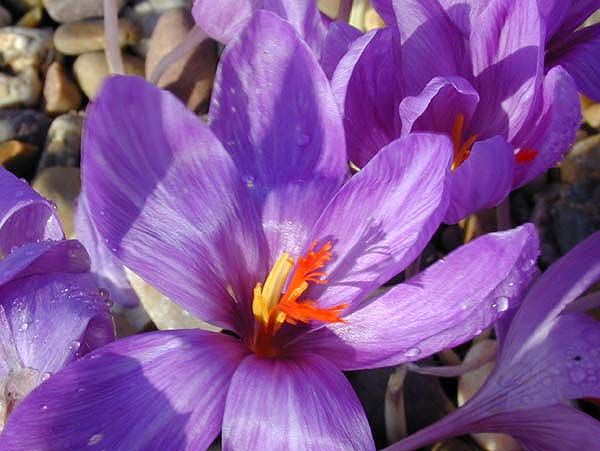
Crocus medius is native to France and Italy where it grows in grassy places and woods and blooms in the fall. It is purple with yellow stamens and an orange or reddish divided stigma and flowers before the leaves emerge. Height: to about 10 cm. The first photo below is of a seemingly virus free form grown by John Lonsdale, Jane McGary and others perhaps. The second shows the widely distributed virused form. Photographs by Tony Goode.
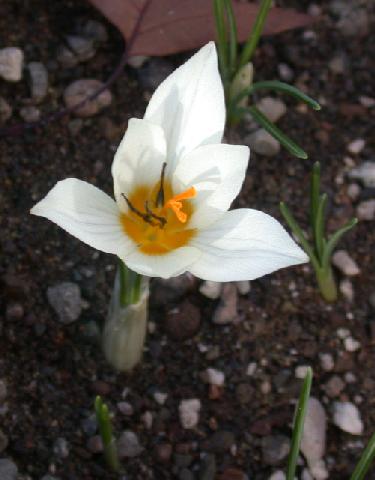
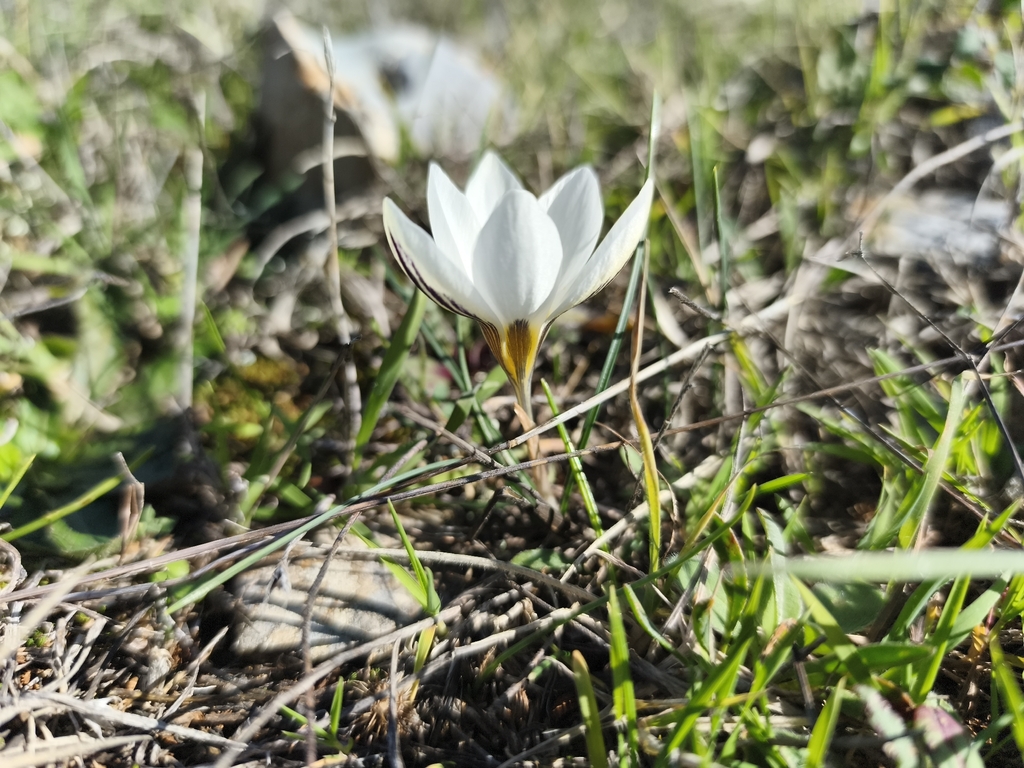
Crocus melantherus Boiss. ex Maw grows, syn. Crocus biflorus ssp. melantherus B.Mathew, is found in short grassland and maquis on limestone formations in the southern and western Peloponnese. The outer petals of the large white flowers are grey-veined or speckled and the throat is yellow. The stamens are black. It is long-flowering, sometimes into winter. The outside of the petals are purple-gray striped and rarely spotted. It requires protection from freezing temperatures in winter. Leaves are slightly visible at flowering. The first photo is from Jane McGary of one of several plants grown from seed obtained from the Gothenburg Botanical Garden. The rest of the photos from iNaturalist were taken in December in the Peloponnese by Pantazi Katerina and shared under a CC BY license.
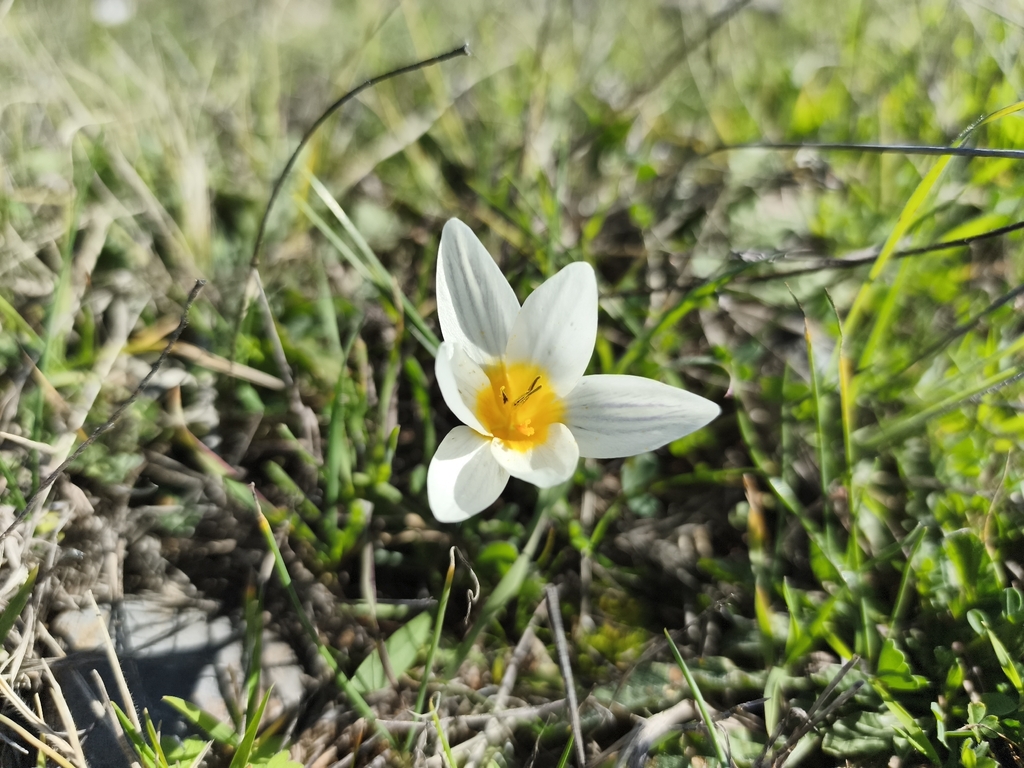
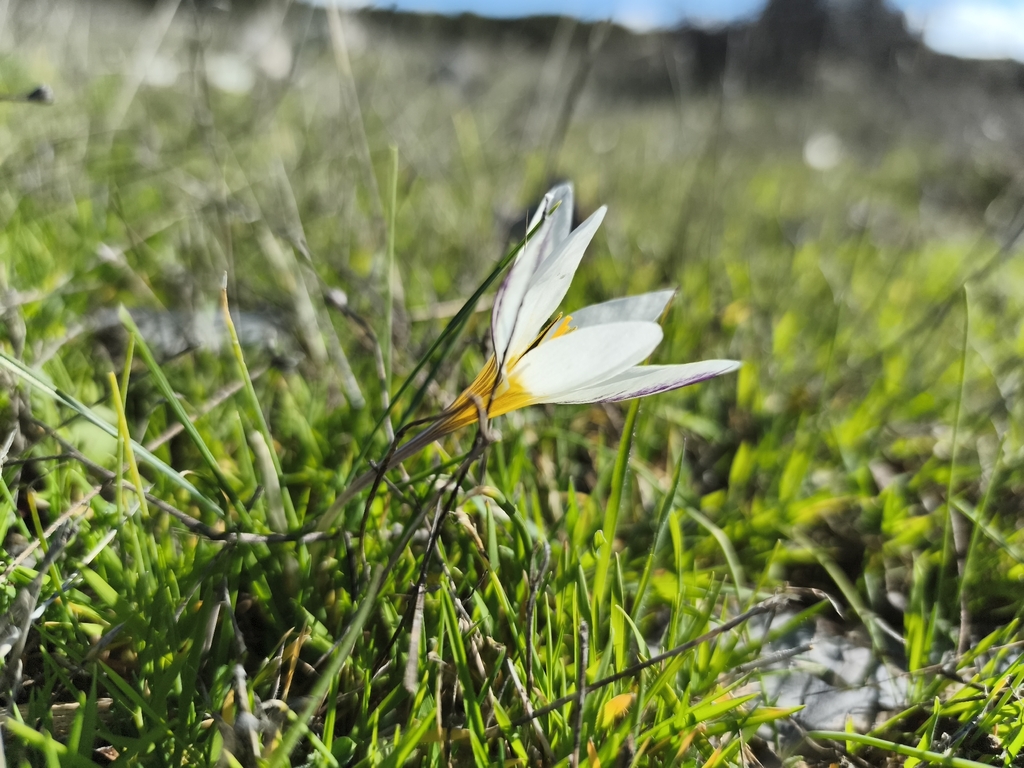
Crocus moabiticus Bornm., native to the Moab region of northern Jordan, is one of the rarest crocuses in nature and cultivation. It is a member of the Crocus section of the genus, or saffron crocuses. Height range: 10-15 cm. The plants in the first photo, representing several clones, were grown from seed collected by Michael Salmon in the early 1990s under number SBL171. They flower in this bulb frame in northwestern Oregon in late October to early November and are hand pollinated to obtain seed most years. Leaves are barely visible at flowering but develop soon afterwards. First photo by Jane McGary, next two by John Lonsdale.
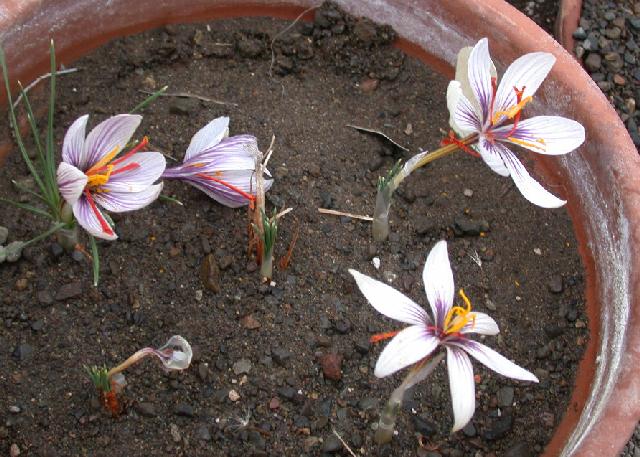
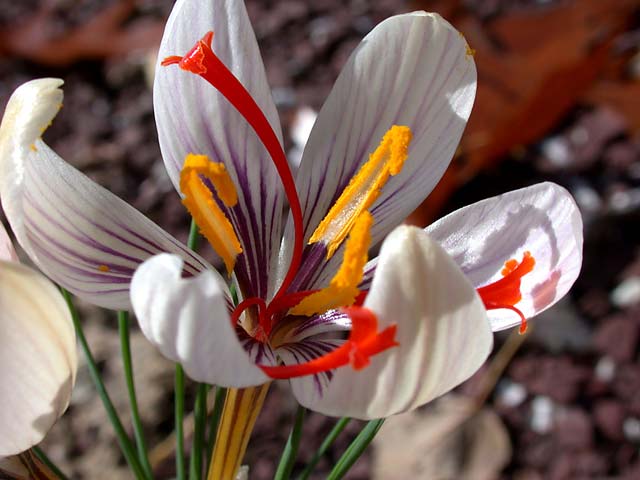
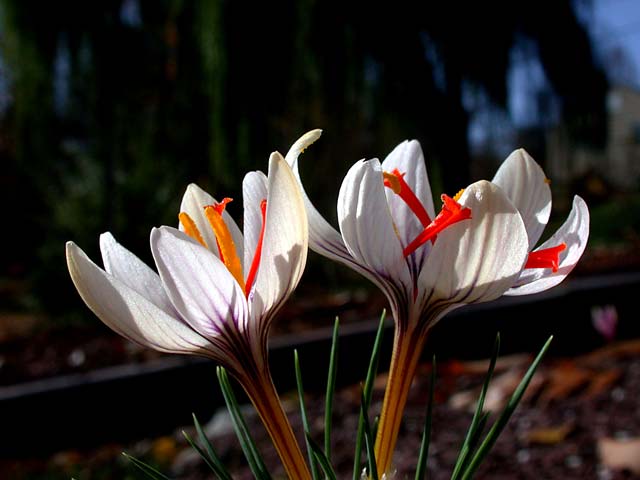
Crocus nerimaniae Yüzb. was discovered in the 2000s by Turkish botanists, in southwest Anatolia. There has been some discussion as to whether this is a subspecies of Crocus biflorus. Height: 12 cm. Photos by John Lonsdale.
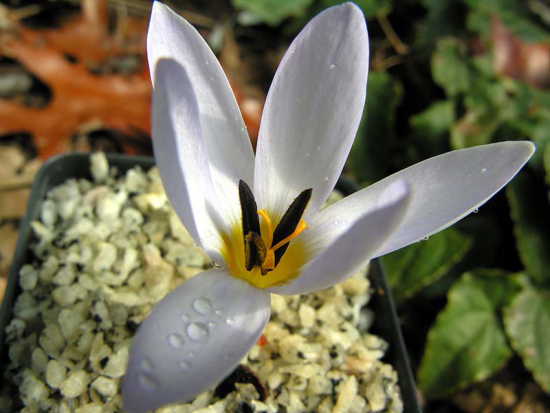
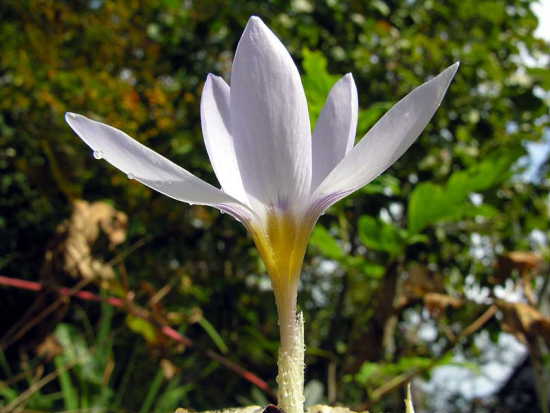
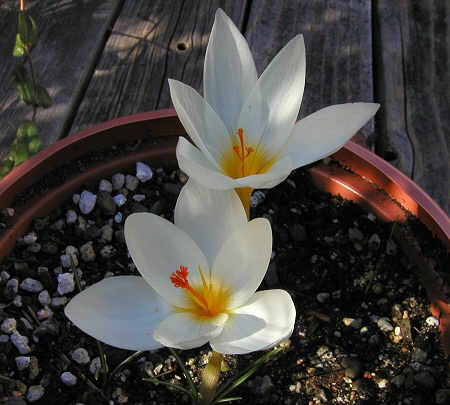
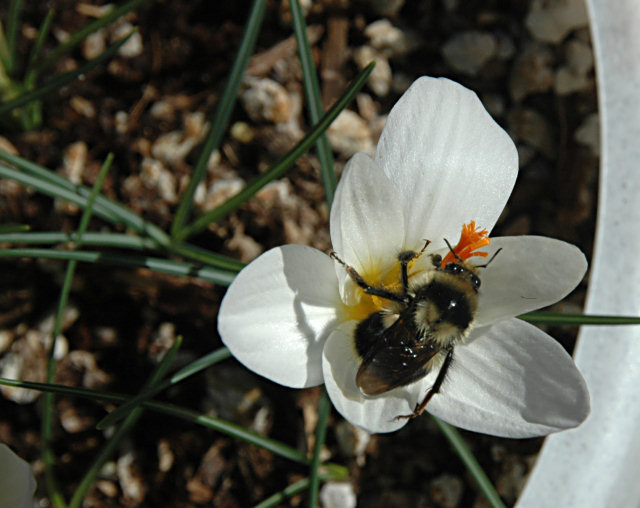
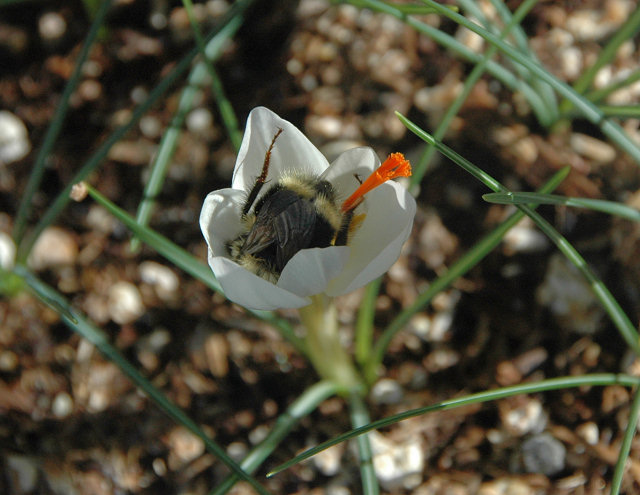
Crocus niveus Bowles is an autumn flowering crocus with one of the largest white or lilac flowers with a yellow throat, yellow stamens and red styles. It is from Greece, often found in olive groves and the leaves appear with the flowers. An established clump will put on quite a show as seen in some of the photos below. This is among the very best autumn crocus, with a long succession of large white or lilac-tinged goblets. It's very hardy and is among the first autumn crocus to bloom and among the last to end the season. Height: to about 12 cm. Photo #1 was taken by Arnold Trachtenberg. Photos #2-3 were taken by Mark McDonough. Photo #4 was contributed by the UC Botanical Garden and #5 was taken by Nhu Nguyen November 2008.
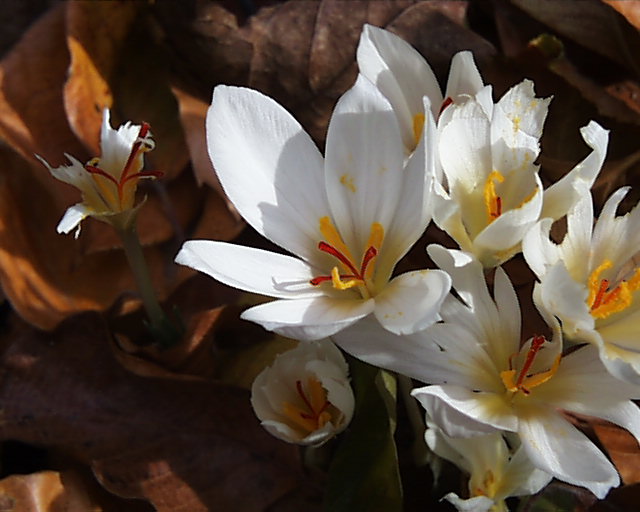
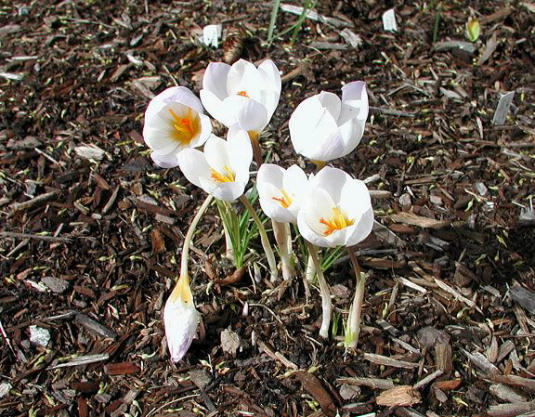

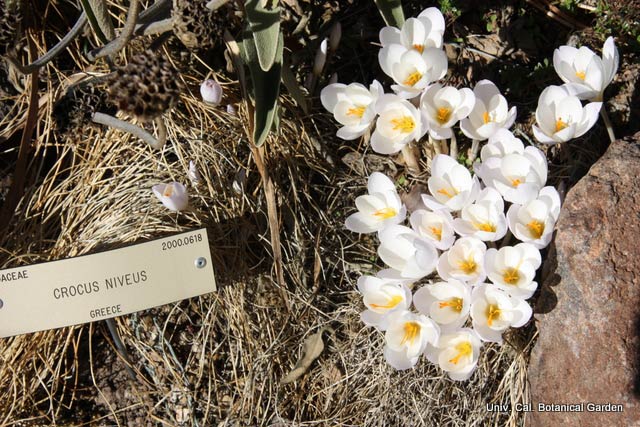
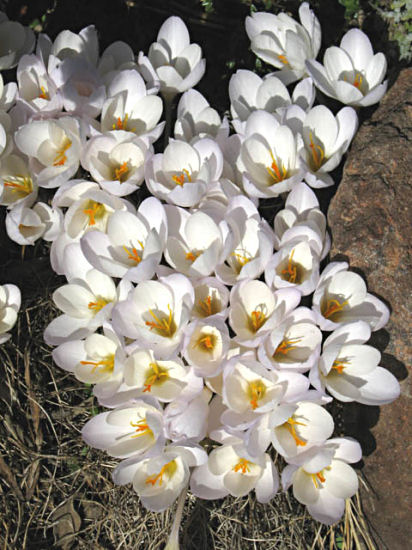
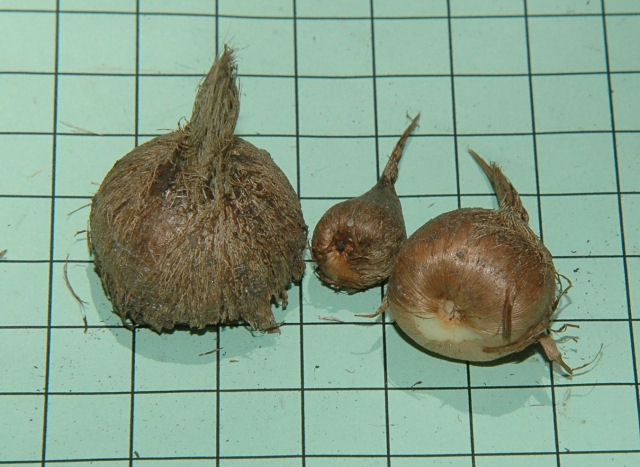
The photos below from Mary Sue Ittner and Bob Rutemoeller are ones growing in Northern California. The first shows a very large, tall flower opening and the second two flowers in bloom. The next two show bees pollinating the flowers and the last corms on a 1 cm grid.

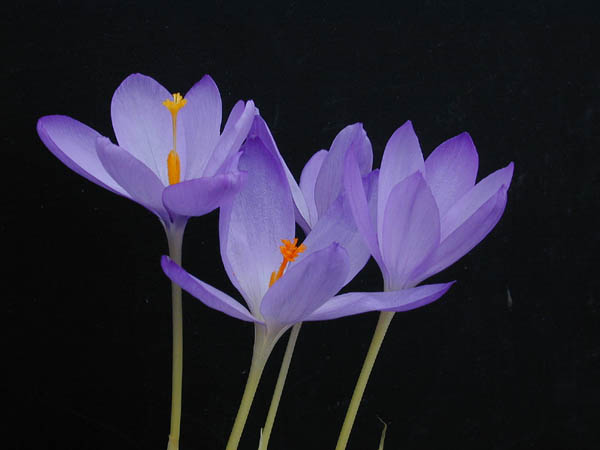
Crocus nudiflorus Sm. from France and Spain where it is found in moist meadows is an autumn bloomer with long tubed purple flowers that appear before the leaves. Spreading by stolons, it has naturalized in the UK. Height: 10 cm. First photo is of plants raised from seed collected in the Pyrenees, by Tony Goode. Photos 2-3 by John Lonsdale. Photos 4-5 from Mary Sue Ittner including a photo of corms on a 1 cm grid.
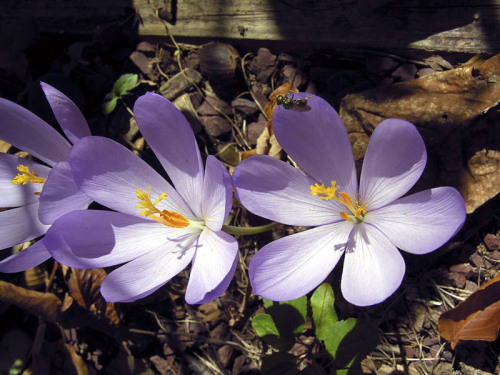

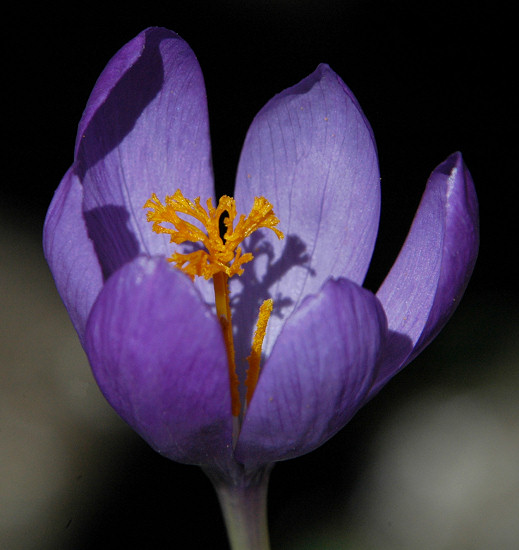
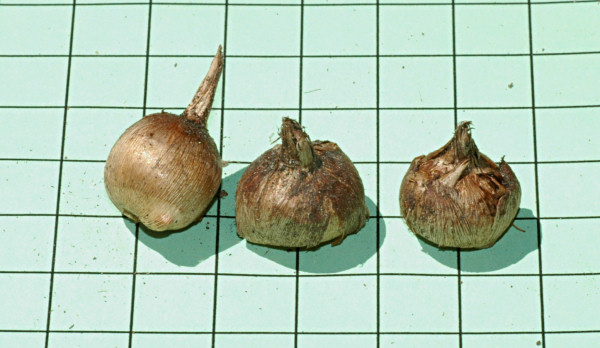
Crocus ochroleucus Boiss. & Gaill. is native to Syria, Lebanon, and Israel, mostly in rocky hills. Despite its origin it is quite cold-hardy, surviving 0 degrees Fahrenheit in the open garden here. It flowers in November and December with the leaves, opening repeatedly whenever the weather permits over a long period. This is a small crocus. Its corms tend to pull down very deeply in the soil, probably contributing to its hardiness and ability to evade rodent predation. This species produces a lot of small cormlets so increases rapidly. Height: 10 cm. The plant pictured in the first photos from Jane McGary was purchased about 18 years ago as Dutch commercial stock. The second and third photos from Mary Sue Ittner show the back and the corms with cormlets photographed on a 1 cm. grid.
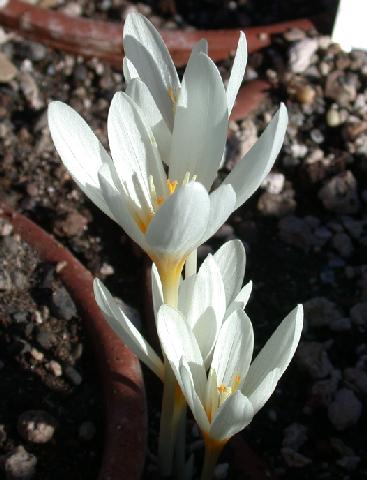
Photos of wild plants, the second a mutant, by Gideon Pisanty.
Crocus oreocreticus B.L.Burtt is in the Crocus sativus complex and has the long red style-branches and purplish flowers without a yellow throat. However, it has a glabrous throat and a buff-colored or silvery wash over the exterior of the flower. Leaves are slightly emerged at flowering and soon develop. It is from the mountains of Crete. Height: to about 15 cm. First two photos by Mary Sue Ittner of the front and back of flowers obtained from Jane McGary blooming October 2005. I'd call them light purple, almost silver. The next three photos by John Lonsdale. The final photo from Mary Sue Ittner was taken of the corms (characterized by finely netted fibers) on a 1 cm grid.


Crocus index - Fall Blooming crocus a-h - Fall Blooming crocus p-z - Spring Blooming crocus a-b - Spring Blooming crocus c-e - Spring Blooming crocus f-l - Spring Blooming crocus m-s - Spring Blooming crocus t-z