Anemone L. is a large genus in the Ranunculaceae family with many tuberous or rhizomatous species. Species are distributed in both the cold and temperate regions of both hemispheres. Species that produce seed with a cottony material around the seed coat can be grown from stored seed; those without this feature tend to have short viability after ripening.
Anemone is one of the battlefields of modern taxonomy, with some bold approaches both from the splitter and the merger faction, so depending on scholars and papers, this may include Pulsatilla, Hepatica and even Clematis, or may be broken up into several smaller genera. For a while, Plants of the World Online had moved the small European wood-lander species to Anemonoides, while the bigger Mediterranean ones stayed in Anemone sensu stricto. As of December 2024, this has been reversed, while the large, fall blooming Asian species often sold as Anemone stay separated in Eriocapitella.
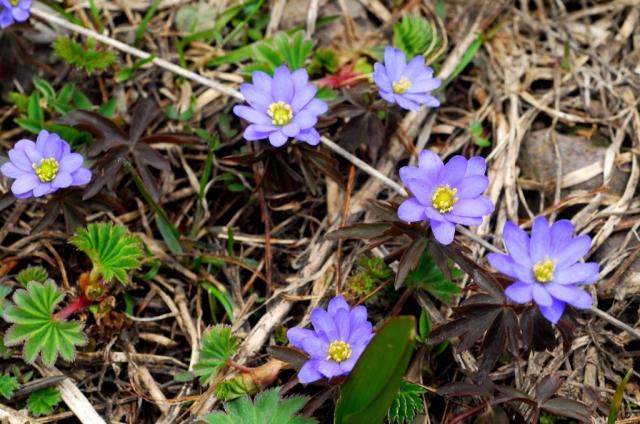
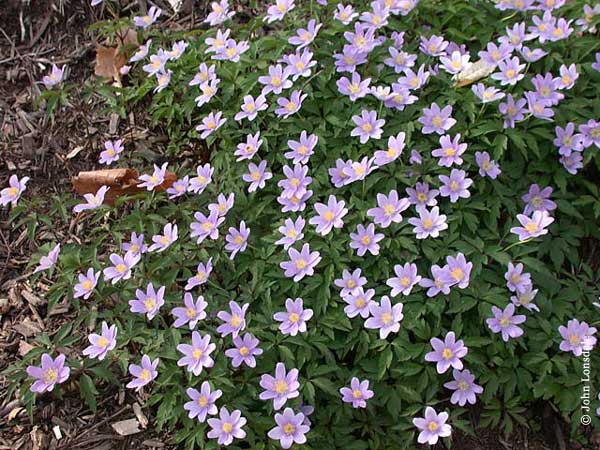
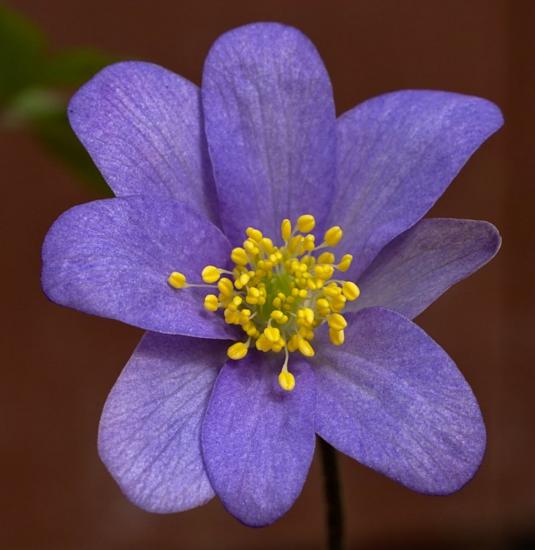
Anemone apennina L. is a rhizomatous plant of open woodland from Southern Europe with pale to deep blue flowers. Height range: 10-20 cm. Photos by John Lonsdale and Hans Joschko.
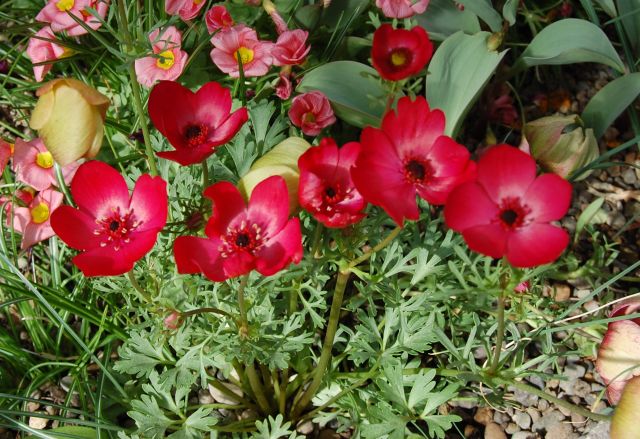
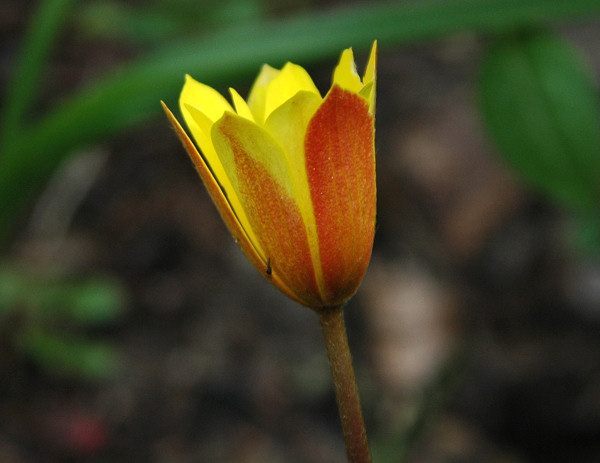
Anemone biflora DC. is a tuberous species native to western Asia, growing in rocky habitats. The illustrated plants were grown from seed collected by Jim and Jenny Archibald in western Iran. It is about 12 cm tall in flower. The flowers are about 4 cm in diameter and are held well above the somewhat succulent foliage, which appears before flowering. Note that the red flowers close up after pollination and slowly turn yellowish. Photo by Jane McGary of cultivated plants about ten years old, in a raised bed in an unheated, covered Mediterranean house in Portland, Oregon.
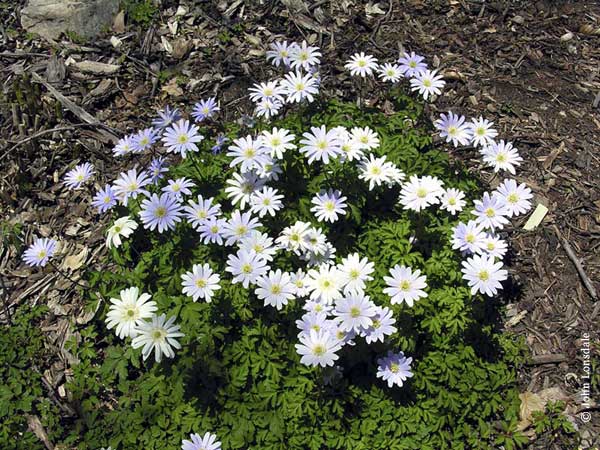
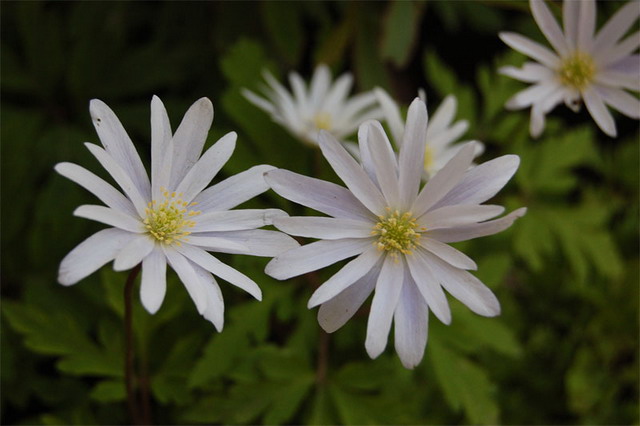
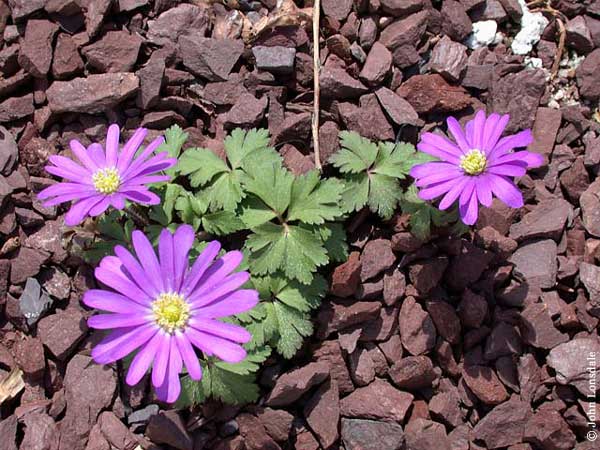
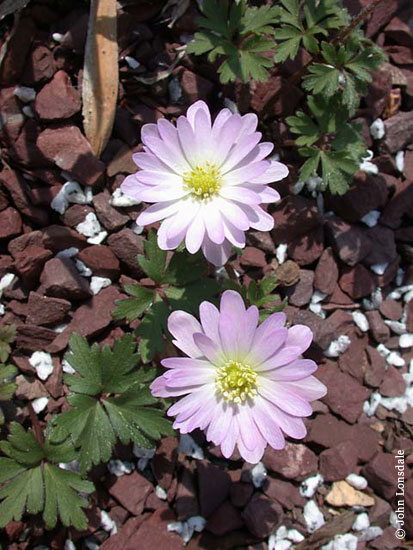
Anemone blanda Schott & Kotschy is a tuberous species native to Greece and Turkey. Many cultivars are suitable for garden use. Height range: 10-20 cm. The first photo is of the species in its habitat on Tahtali Dag, SW Turkey taken by Oron Peri. Photos 2-4 by John Lonsdale show the flowers.
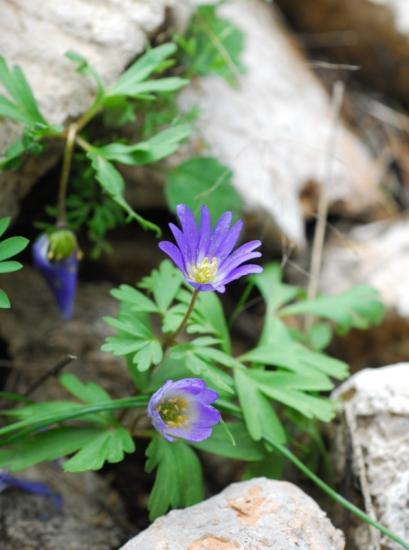
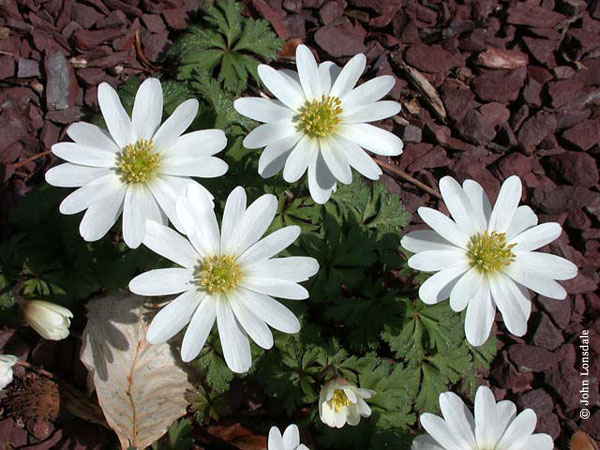
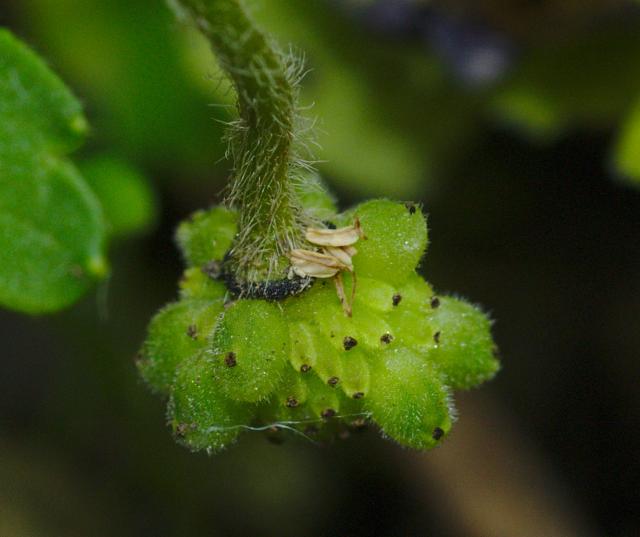
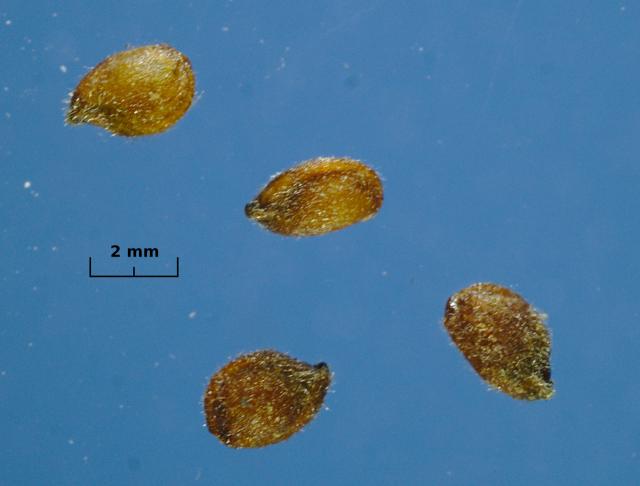
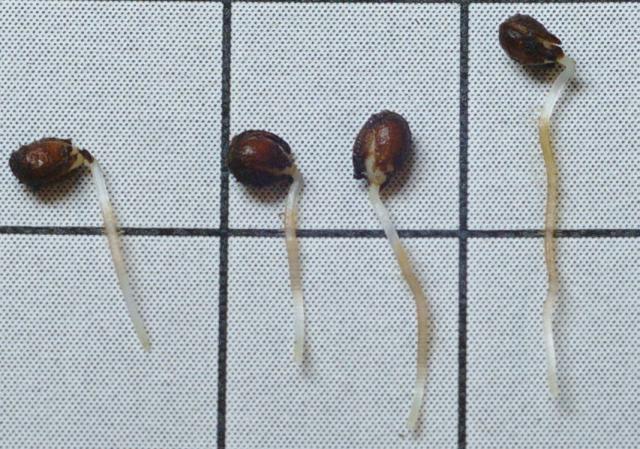
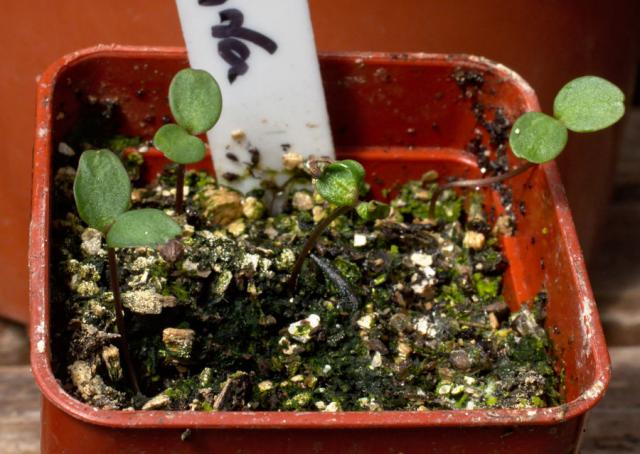
Photos by David Pilling show the tubers on a 10 mm grid, developing seeds and ripe seeds. The seeds in photos 2 and 3, taken at the end of June 2013, were kept moist at outside temperatures and germinated in February 2014 as shown in photo 4 (10 mm grid); photo 5 shows the resulting seedlings a couple of months later.

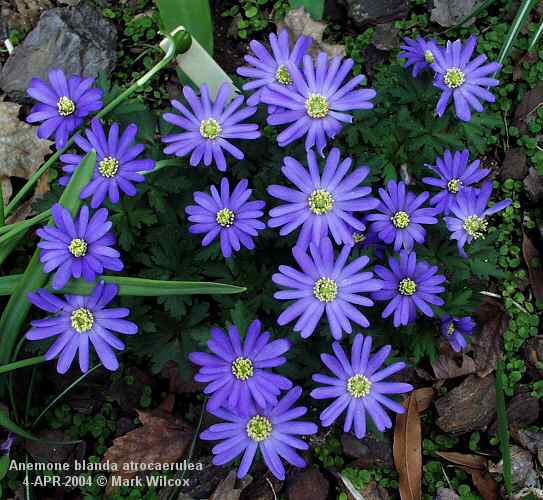
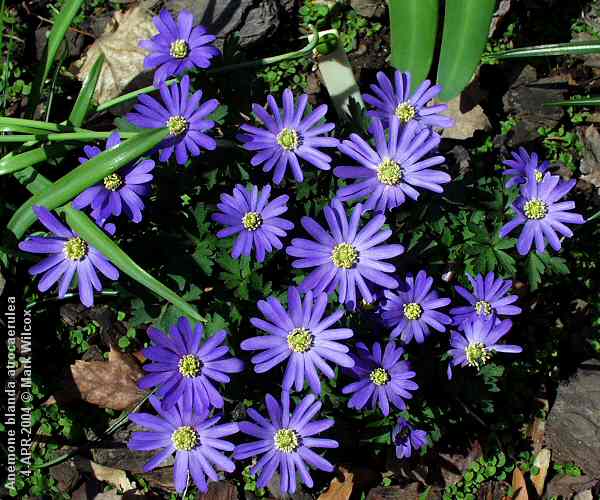
Anemone blanda 'Atrocaerulea' taken in sun and shade by Mark Wilcox on 4 April 2004.
Anemone caucasica Willd. ex Rupr. is a common species distributed from NE Turkey to North Iran. It is mostly a species of deciduous forests, but can be seen also in open grounds at high elevations, flowering in a matter of days after snow melts. It is variable in number of petals as well as color, from pure white to shadows of light blue and purple. Height range: 15-30 cm. Photos are taken by Oron Peri in various locations in the Caucasus Mountains in Georgia.
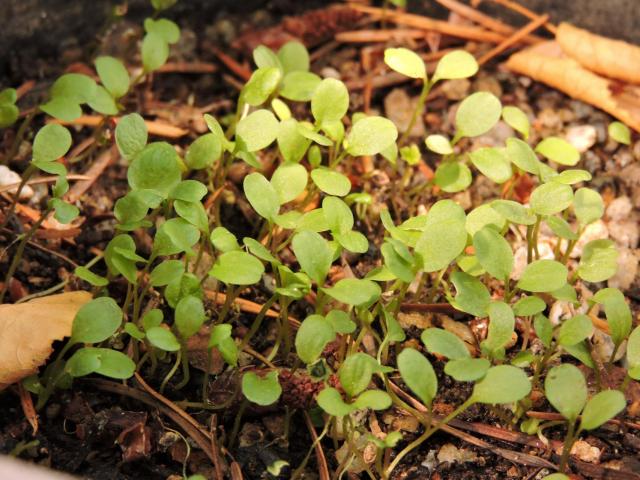
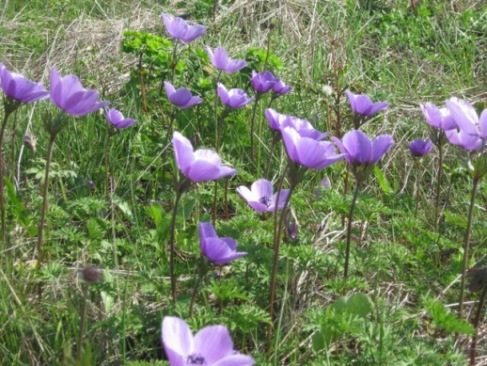
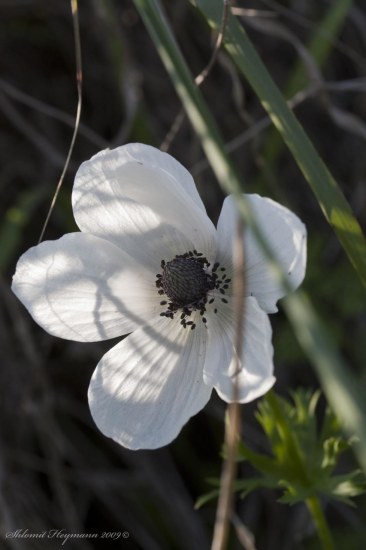
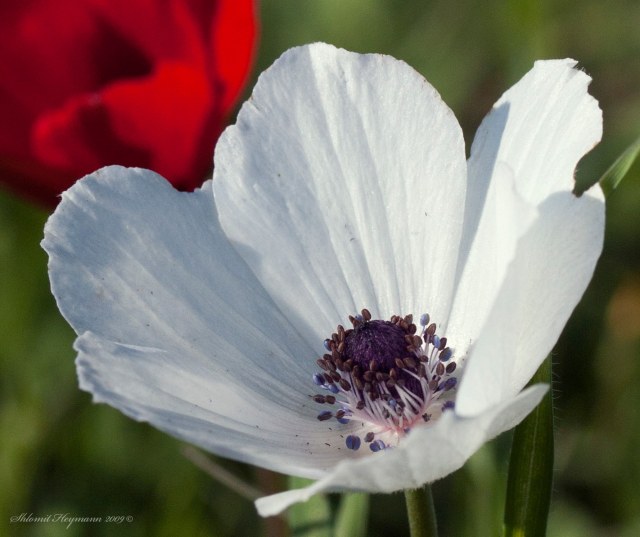
Anemone coronaria L., the poppy anemone, is a native of the Mediterranean, including France, the Iberian Peninsula, the Apennine Peninsula, the Balkan Peninsula, Turkey, the Eastern Mediterranean, Egypt, Tunisia and Algeria. Height range: 10-30 cm. First photo below of a field of Anemone coronaria in full bloom in the Shokeda Forest in Israel, 2012, by Wikipedia contributor Zachi Evenor (see the original image on Wikipedia here). Second photo by Travis Owen shows typical looking seedlings, mixed into the surface of the potting soil in a gallon pot shortly after they were ripe. The pot was kept moist and in high-canopy shade, germination occurred within six weeks. Photos 3 an 4 show plants in habitat in Apulia - Southern Italy by Angelo Porcelli. Shlomit Heymann took photos 5 and 6 in habitat in Israel on February 14, 2011.



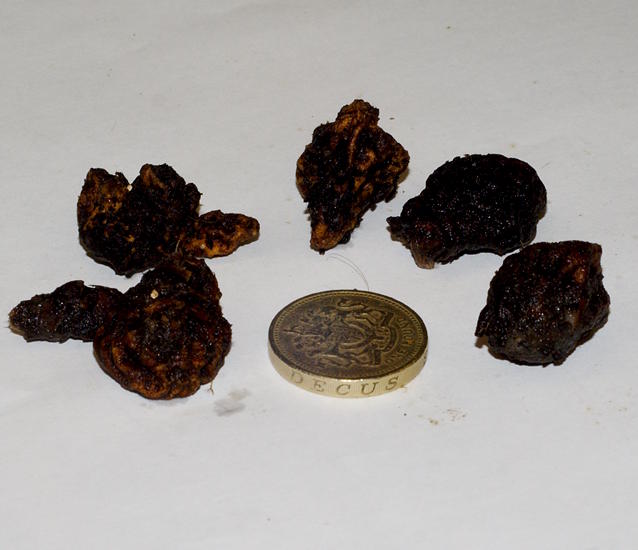
Anemone coronaria 'Hollandia' is one of the poppy anemones, here pictured in the first photograph by Jim McKenney in his Montgomery County, Maryland, USA, zone 7 garden. These plants had the protection of a cold frame during the winter. This species will survive the winter here without protection, but such plants rarely bloom well because the foliage is apt to be severely damaged. Remaining photos by David Pilling: the coin is about 1 inch in diameter. Tubers planted in autumn soon produced foliage which grew throughout the winter, with flowers starting early in March. Photo 4 shows some anthers have opened revealing the pollen inside. Photo 6 shows that the stamens move forward as the flower ages.
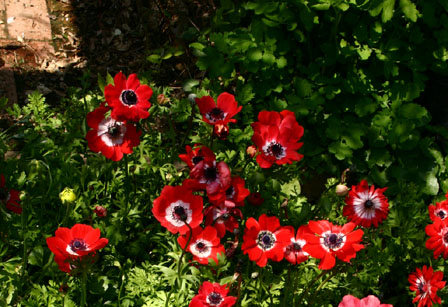
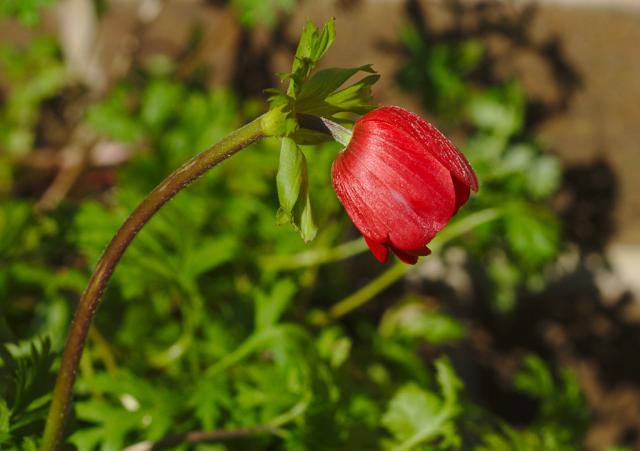


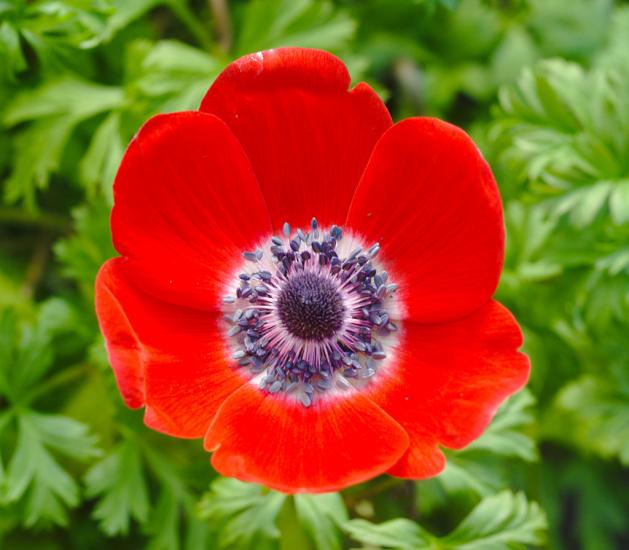
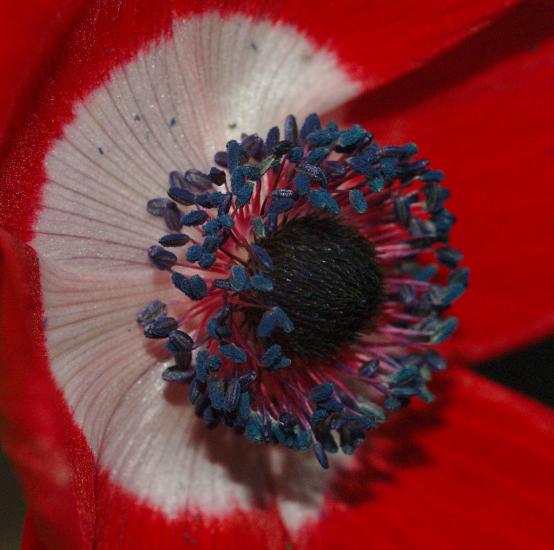
More photos showing a double form, and tubers.
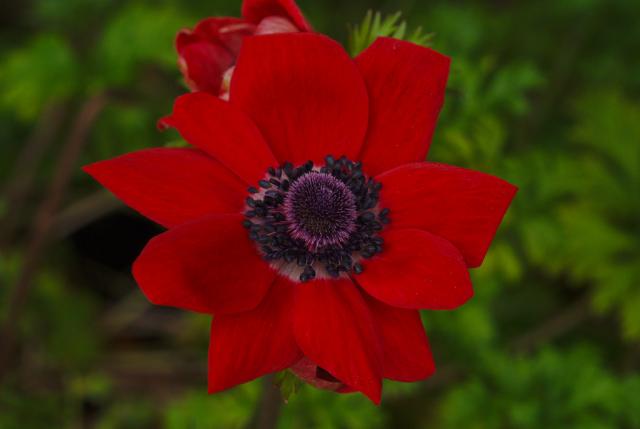
Video time lapse by David Pilling, taken on the 19th. April 2013 from 14:22 to 17:07 of flower closing as shadow passes over greenhouse
Anemone hortensis L. is the ancestor of many modern hybrids. Its variability has helped to get a wide range of colours. In habitat it occurs in all shades between white and purple. Height range: 15-40 cm. Photos 1-2 were taken by Angelo Porcelli and photos 3-5 were taken by Nhu Nguyen at the UC Botanical Garden.
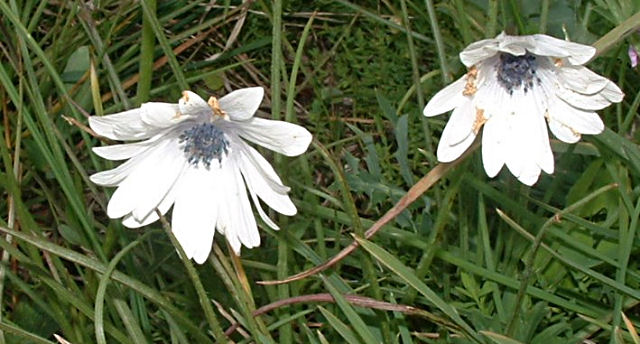
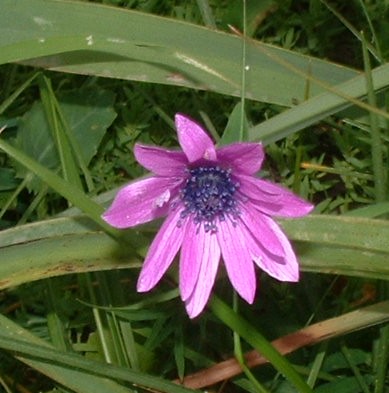
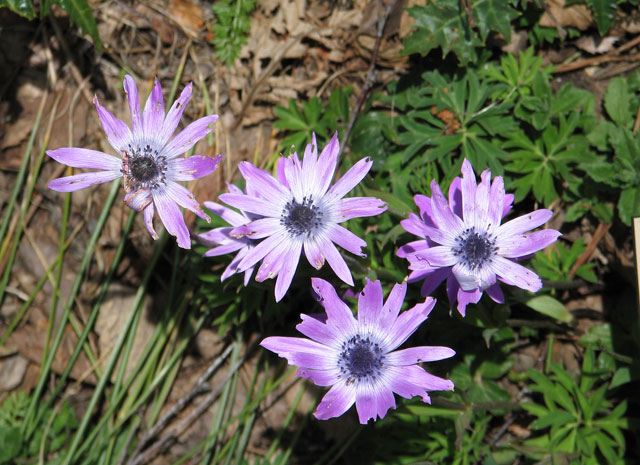
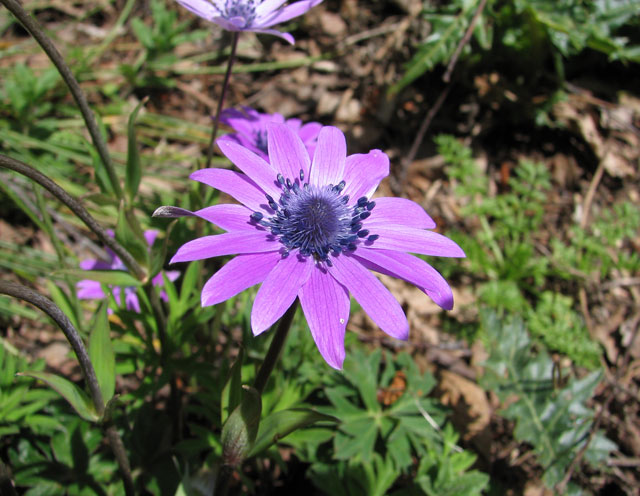
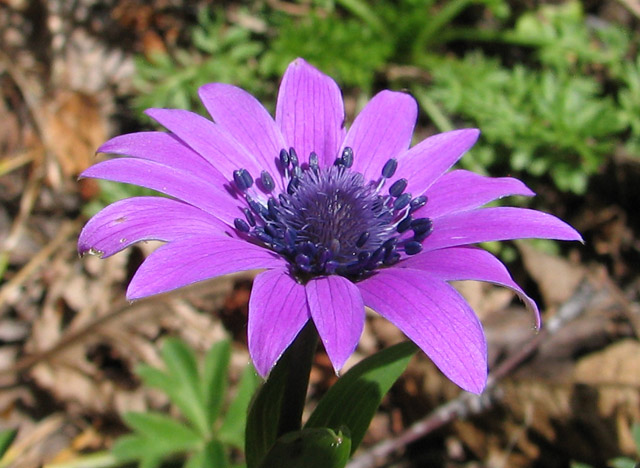
In 2025 Anemone pavonina by many authorities is considered to be a subspecies, Anemone hortensis ssp. pavonina (Lam.) Arcang.
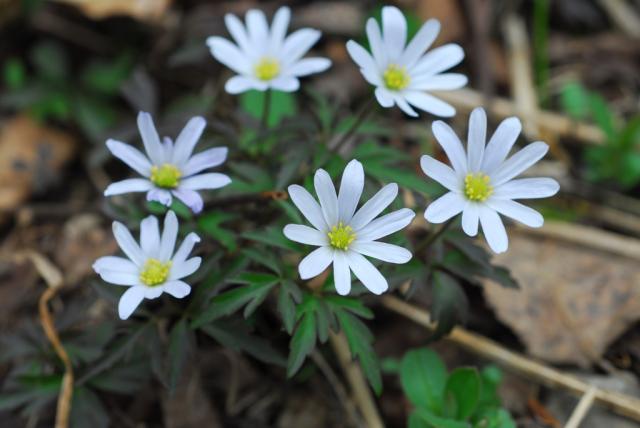
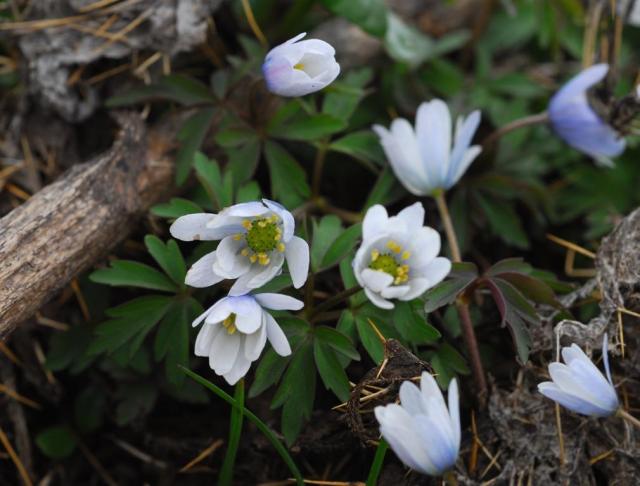
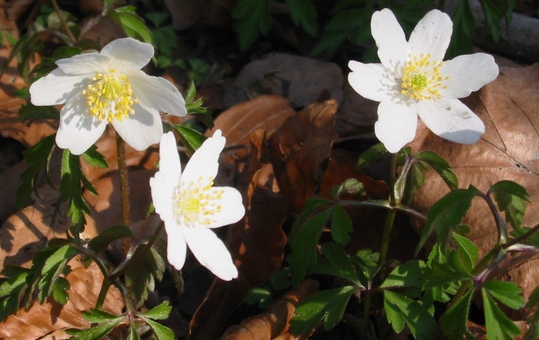
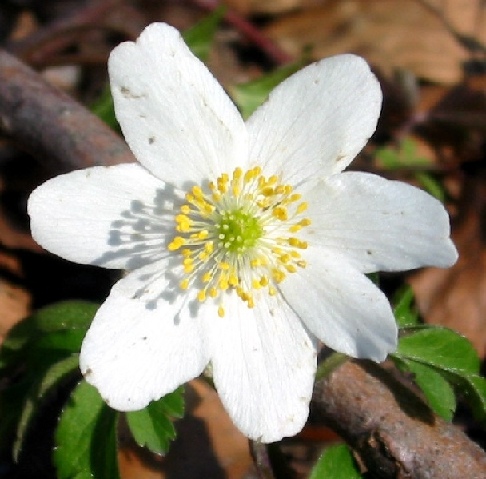
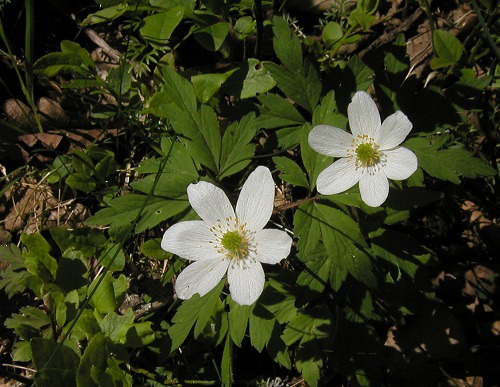
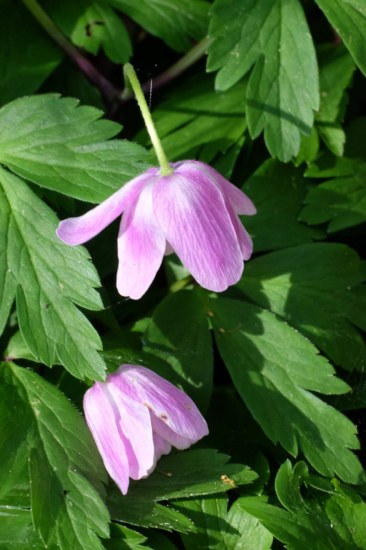
Anemone nemorosa L., accepted by some authorities as Anemonoides nemorosa (L.) Holub, is a very common wild flower in the woods around Cologne, Germany, typically blooming in the first week of April, often covering the floors of beech forests. Height range: 10-20 cm. Photos by Jamie Vande and John Lonsdale. The fourth picture was taken in the woods near Aberfeldy, Scotland by Bob Rutemoeller in May 2004. The last picture shows a pink, nodding form which usually grows between the common up-facing white form on the Swabian alp, southern Germany. It makes up about 20% of the population in that area. This species is rhizomatous.
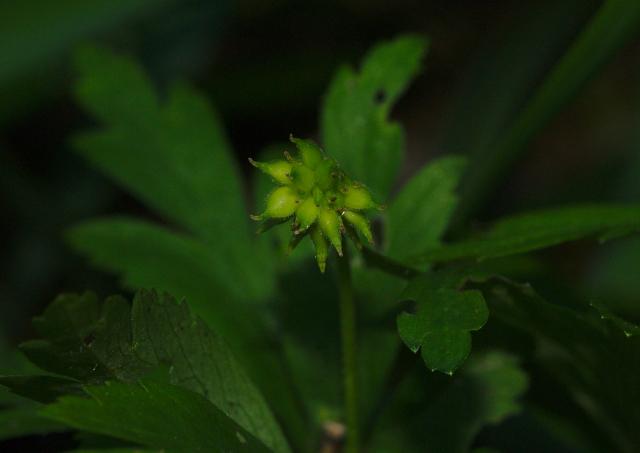
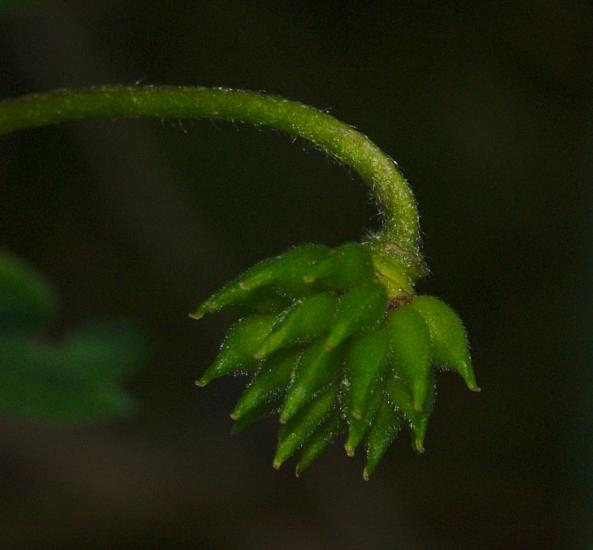
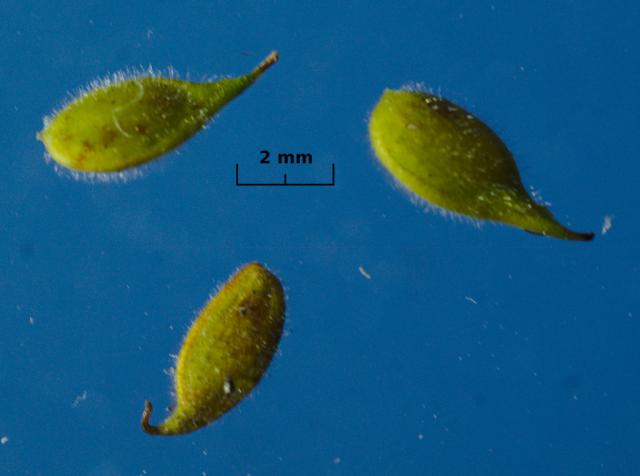
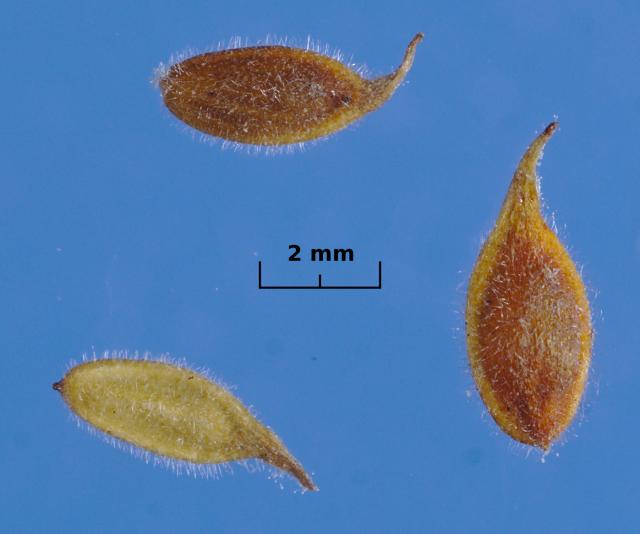
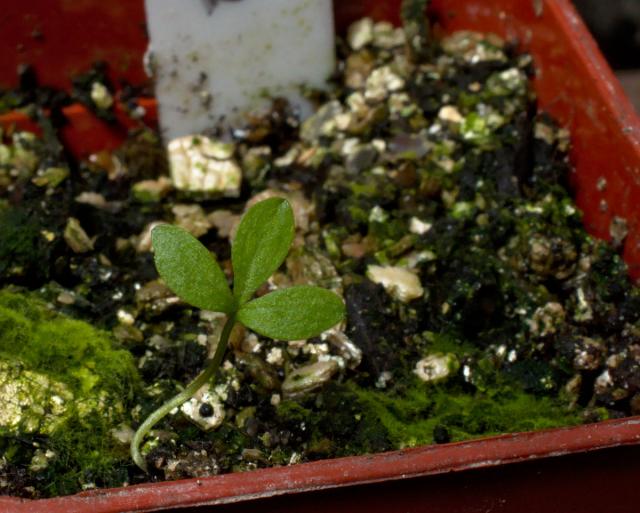
Photos by David Pilling, 1 -2 are of developing seed at the end of May, 3 is of ripe seed at the end of June. Half of the seed was kept moist at outside temperatures after collection and started to germinate at the end of January 2014; seedlings as shown in photo 5 did not appear for many weeks. The other half of the seed kept dry before being exposed to cold and moisture did not germinate in 2014.
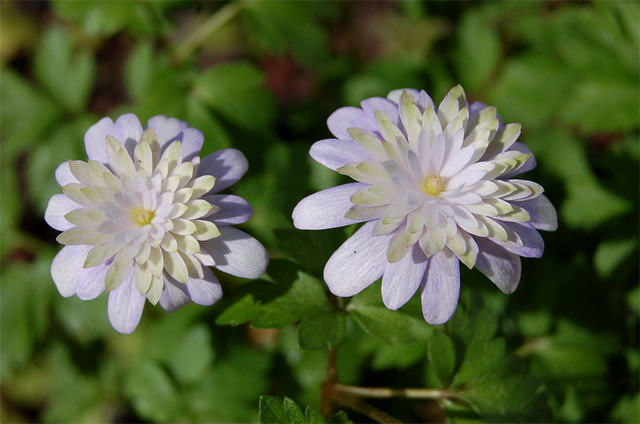
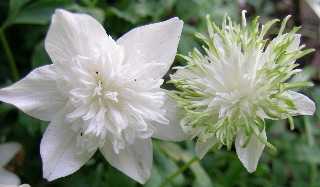
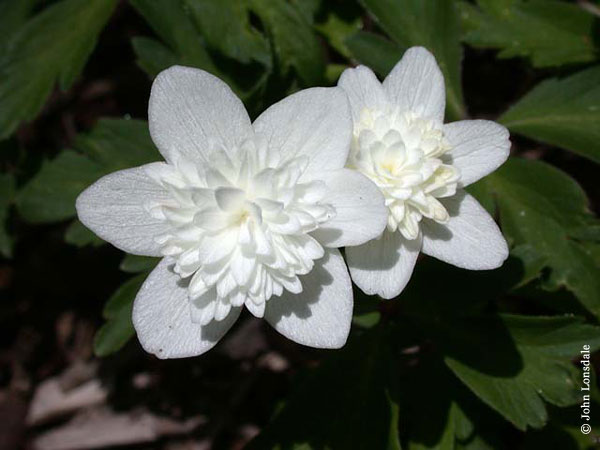
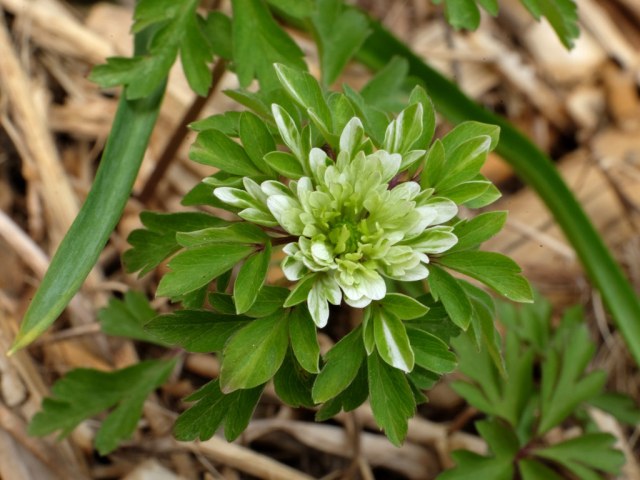
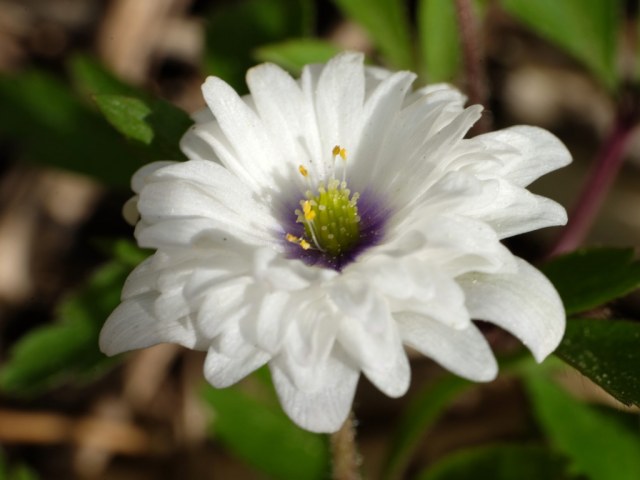
There are several double forms available. Picture 1 shows a green fringed garden seedling: A new cultivar appeared in Diane Whitehead's garden some year, growing between 'Vestal', which has a tuft of short white petals in the centre, and 'Bracteata' which is an unstable mix of green and white petals that varies from one flower to another, or from year to year. The new flower has a green-tinged fimbriated centre tuft that is longer than that of 'Vestal'. Picture 2 by by John Lonsdale shows Anemone nemorosa 'Kath Dryden', photo 3 shows 'Amelia', in which the transition between leaves and petals is blurred. The cultivar 'Blue Eyes' actually starts out pure white and needs a few days before the name-giving darker center becomes visible.
 .
.
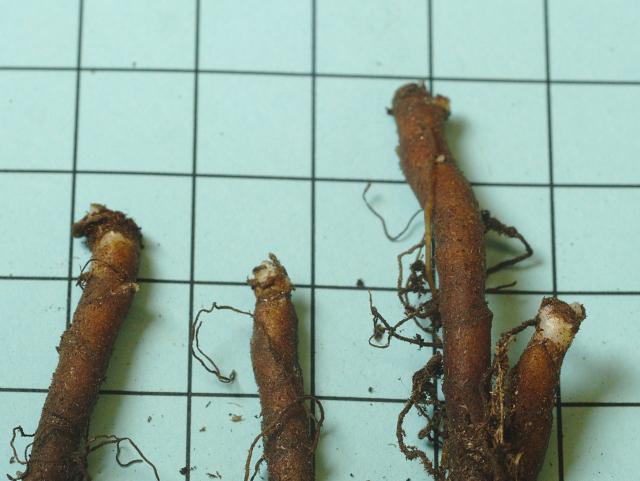
Anemone nemorosa 'Royal Blue' Photographs by David Pilling show commercially supplied roots on a light blue 10 mm grid; in the second one the growing tips can be seen. Photo 3 has been white balanced in an attempt to show the true color.

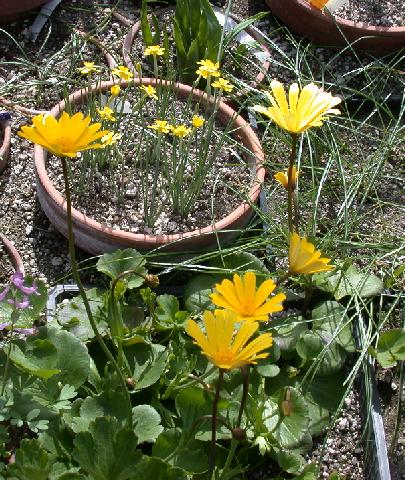
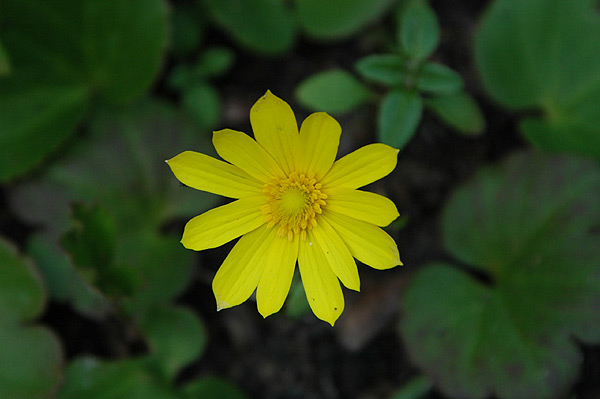
Anemone palmata L. is from the Iberian Peninsula. It has wonderful succulent leaves, all basal, and rather tall stems bearing the most brilliant yellow, large "daisy-type" flowers. Its rhizome is a fingerlike one that can be divided up carefully. It would be a perfect plant for warm Mediterranean-climate areas. In Portland, Oregon, it has survived winter temperatures around 17 °F without protection, though it grows more vigorously with overhead cover. Height range: 15-45 cm. The first photo was taken by Jane McGary. The next two were taken by Mary Sue Ittner who writes: "This is a close-up of the yellow flower from plants obtained from Jane and blooming March 2006 in Northern California where they have survived outside in a very wet winter. I didn't see the plant in 2007, but it is back in 2008."
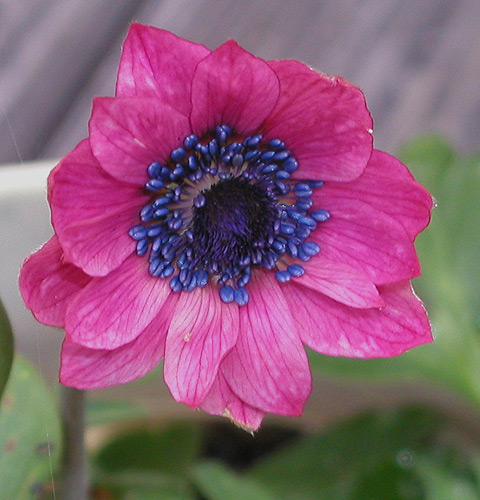
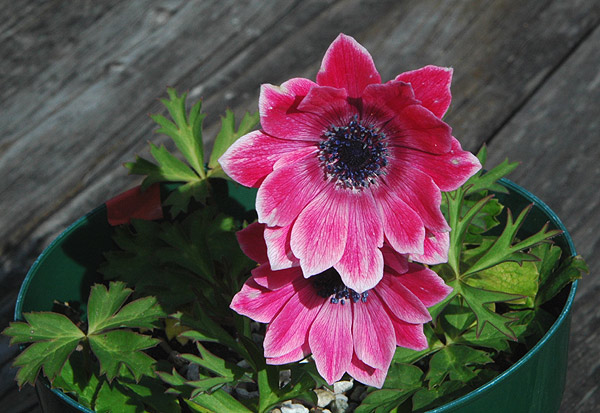
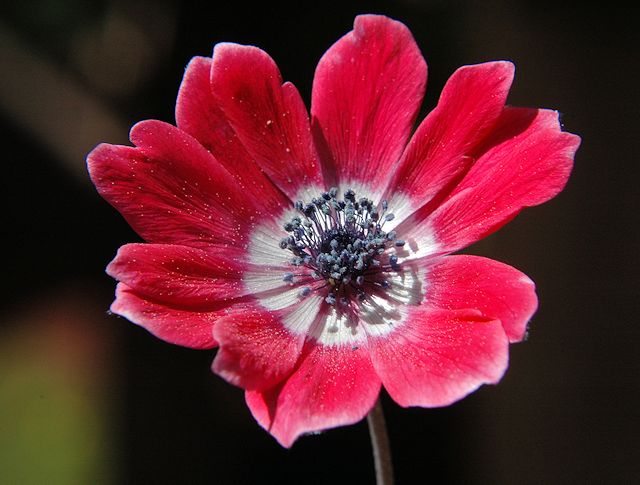
Anemone pavonina Lam. is a plant from the Mediterranean (France to Turkey) where it occurs in open stony places. In 2025 many authorities consider it to be a subspecies of Anemone hortensis, ssp. pavonina (Lam.) Arcang., but there continue to be many references to it on the Internet under this name. It is similar to Anemone coronaria. Flowering in spring, flowers are red, pink or purple. It prefers a warm sunny position. Height range: 20-45 cm. Photos by Mary Sue Ittner. The last photo was taken in a later year of the same plant, but the flower that year had a white center.

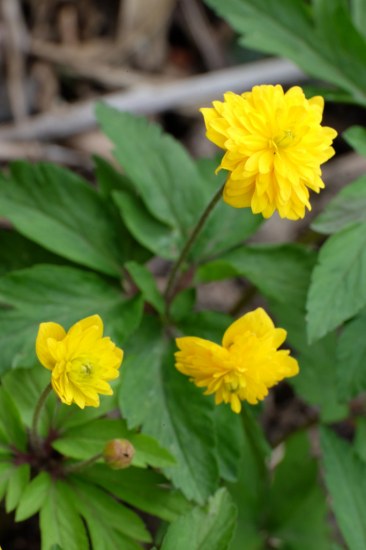
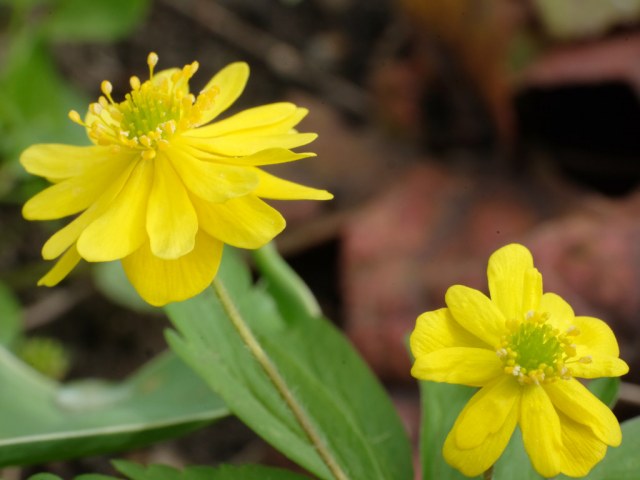
Anemone ranunculoides L. is a rhizomatous species that should not be allowed to dry out. This species with yellow flowers is from Europe and blooms in the spring. It is unique in having up to three flowers per stem. Where their areas overlap, it can hybridize with A. nemorosa, creating the pale yellow natural hybrid Anemone xLipsiensis, named after the German city of Leipzig where it was first recorded. Height range: 10-20 cm. Photo 1 by John Lonsdale, remainder by David Pilling. Photo 2 is of commercially supplied roots on a light blue 10 mm grid; photos 3-5 are of the resulting plants two years later.
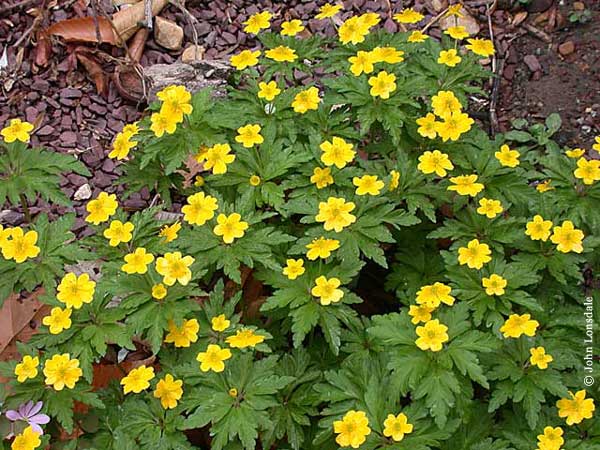


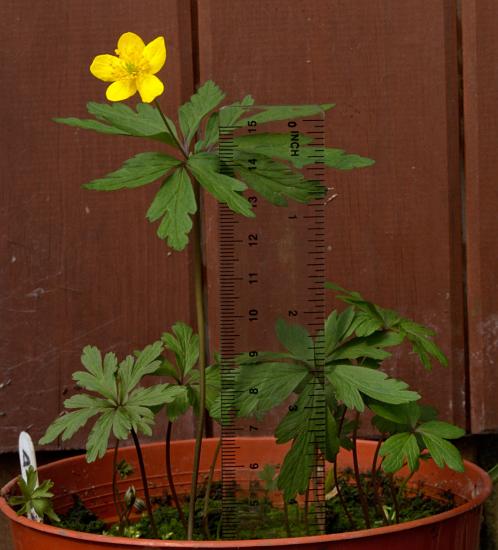
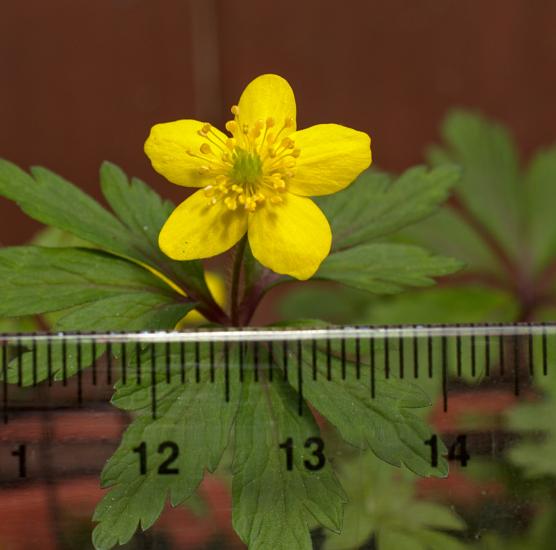
There are several cultivars in trade, mostly different forms of double flowers. Picture 1 shows 'Aureus' with densely packed inner petals. Picture two shows a plant that appeared "spontaneously" in Martin Bohnet's garden. It likely arrived as a stowaway in another plant's pot and clearly is a 'semiplena' form, though it is unclear if it is the same clone as those sold under that name.