Fritillaria that originate in Asia from **a-c* are described on this page.
Asian Fritillaria d-k - Asian Fritillaria l-r - Asian Fritillaria s-z
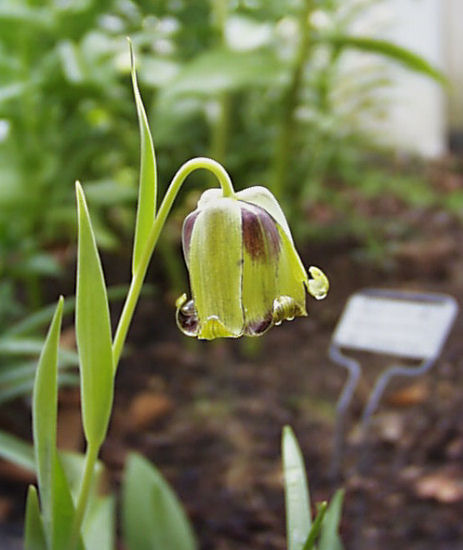
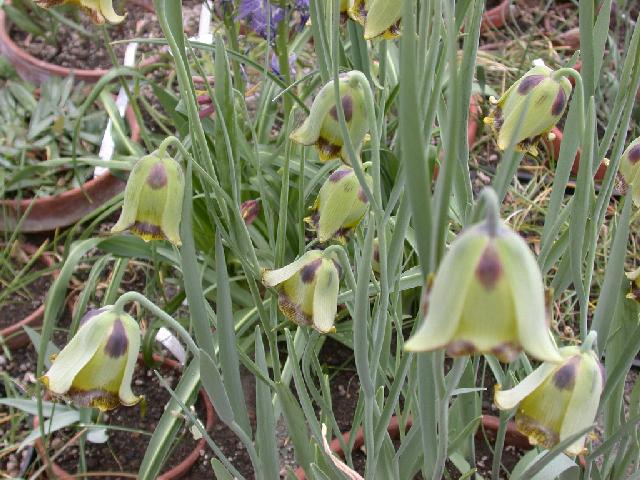
Fritillaria acmopetala Boiss. is found in fields in the Eastern Mediterranean region, growing to about 45 cm. It is olive green and reddish-brown and is not tessellated (checkered) nor do the tepals have median stripes. The tips of the tepals curl back strongly. This species is often received from seed exchanges and collectors under other names, since it is very common and easy to grow in the garden. It increases rapidly by offsets. Photos by Arnold Trachtenberg, Jane McGary and John Lonsdale. The last photo is of a dark form.

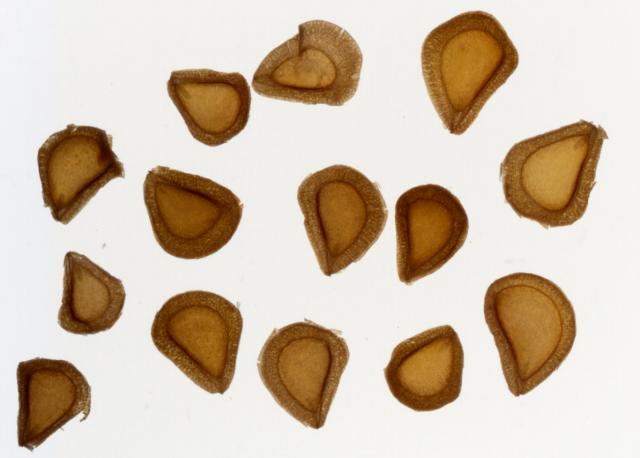
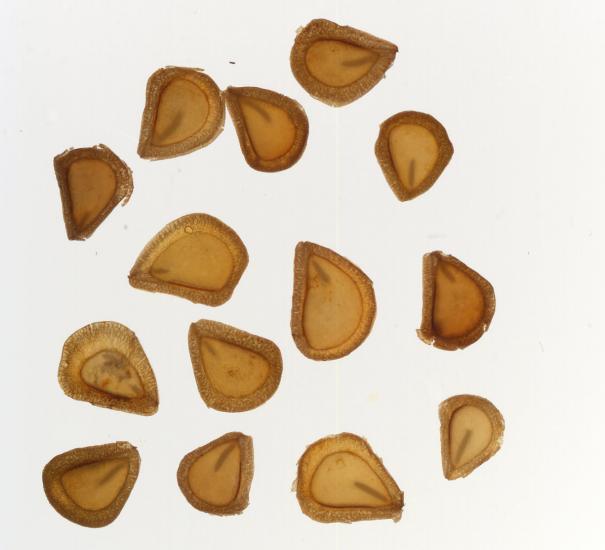
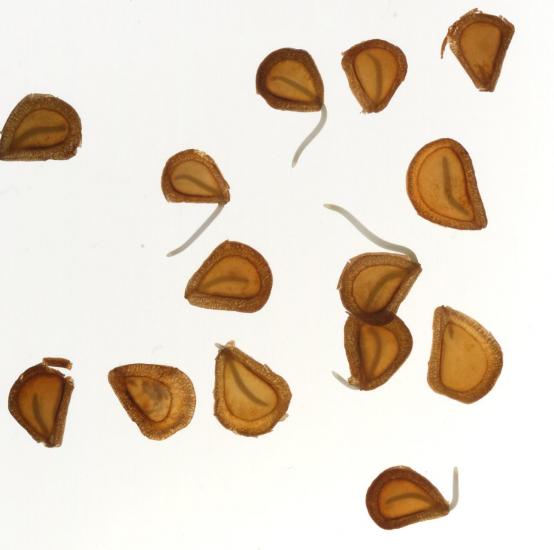
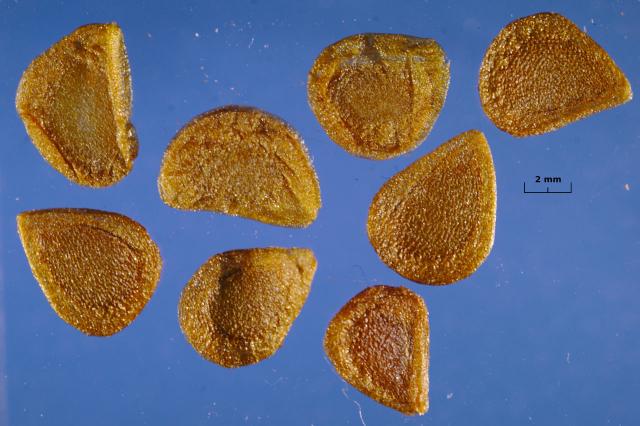
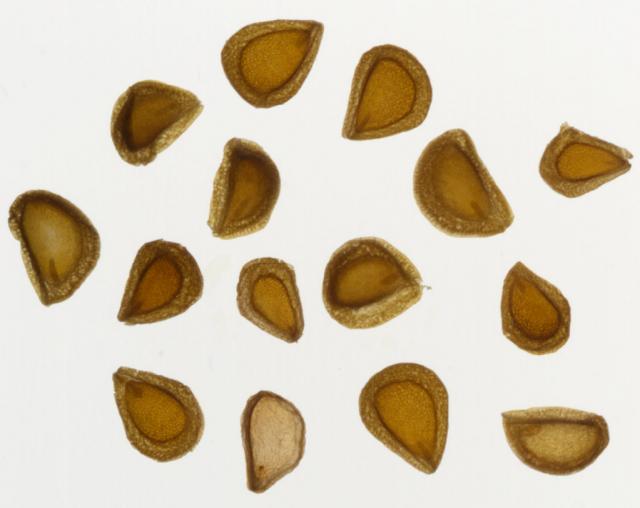
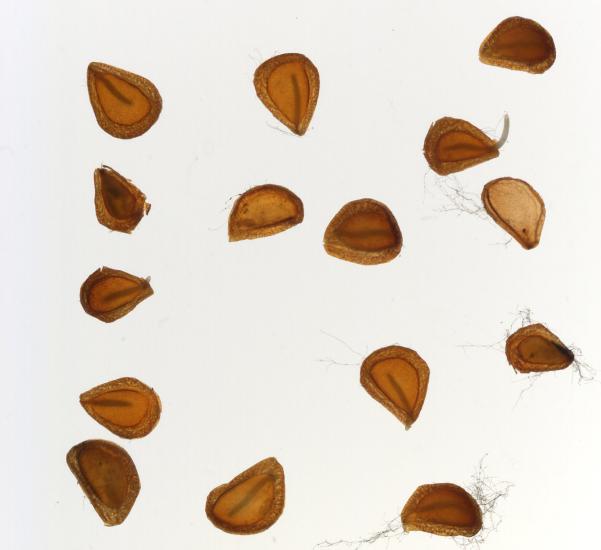
Seed photos were taken by David Pilling. The first one was taken with reflected light and the remainder were taken using transmitted light. In the first of these embryos are barely visible, see Fritillaria Germination. The next photo taken 37 days later after the seeds had been exposed to cold (32-40 °F) and wet shows the embryos have developed. The last photo taken after a total of 67 days shows the seeds germinating.

Fritillaria acmopetala ssp. wendelboi[ Rix is considered to be a synonym of Fritillaria wendelboi (Rix).
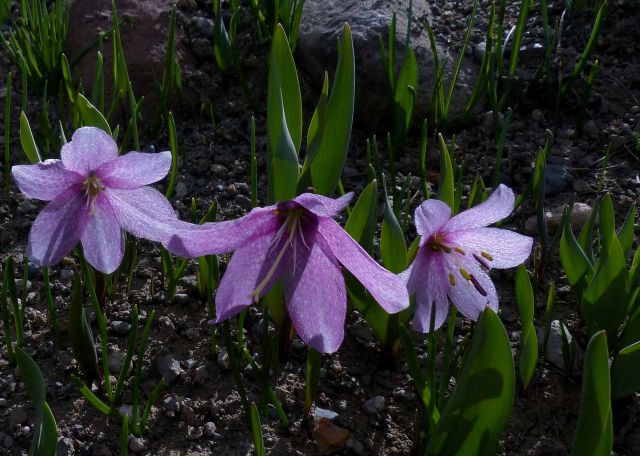
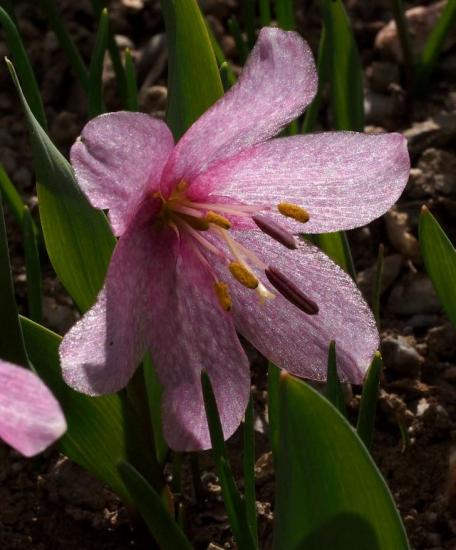
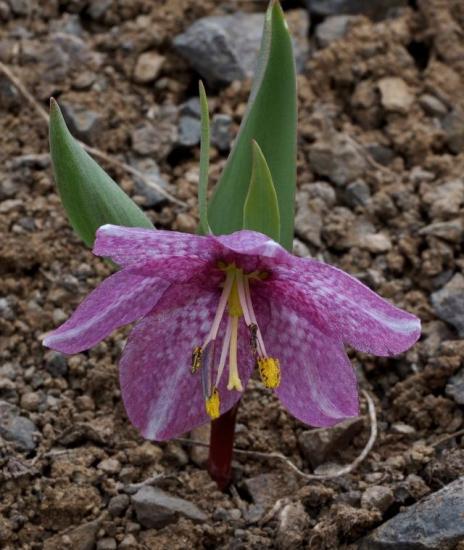
Fritillaria alburyana Rix is native to northeastern Turkey and adjacent Iran, growing in the subalpine to alpine zone in rocky soil (see photos) and emerging and flowering soon after snowmelt. The flowering stems are usually no more than 10 cm (4 in) tall. This beautiful species is coveted by growers but is difficult in cultivation, like many snowmelt bulbs; at low elevations the flowers tend to open before clearing the soil surface. The first three photos taken by Cedrik Haskovec in northeastern Turkey around 3000 m. The last photo from Ian Young is of a plant in cultivation.
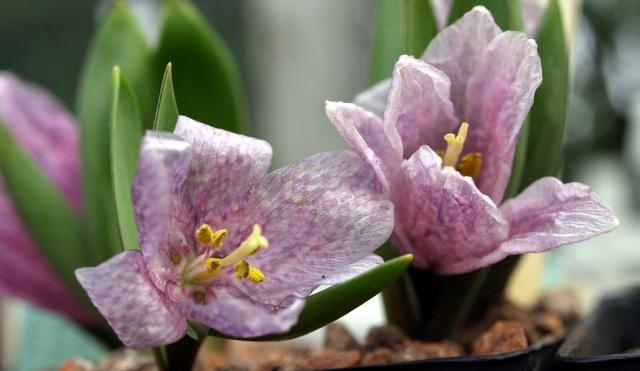
Fritillaria alfredae ssp. glaucoviridis (Turrill) Rix from the Amanus Mountains of Turkey is the most commonly cultivated subspecies of this species. These plants, about 10 inches/25 cm tall, bear their distinctive blue-green flowers in late March in this bulb frame in Oregon, where they are not dried out in summer. Photo by Jane McGary.
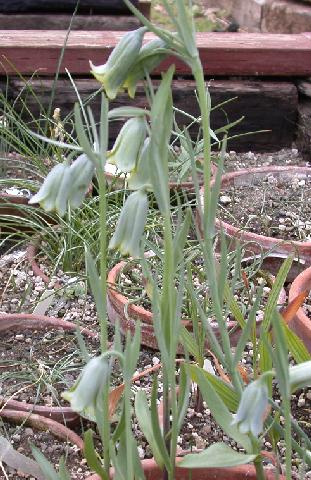
Fritillaria amana (Rix) R.Wallis & R.B.Wallis, syn. Fritillaria hermonis ssp. amana Rix, is native to Turkey, Syria, and Lebanon. It is a vigorous plant that increases freely by small bulbils. It has grey green leaves and reddish brown bell-like flowers with a central green stripe running the length of the petal. Height: to about 25 cm. Photo by Arnold Trachtenberg.
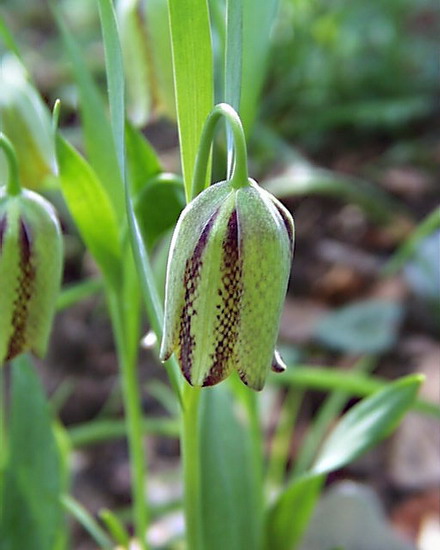
Fritillaria ariana (Losinsk. & Vved.) Rix is native to Central Asia and Afghanistan. It is a member of the Rhinopetalum section, typified by deeply indented nectaries that produce a "nose" on the outer part of the flower. Height: about 17 cm. This plant of desert dunes must be watered very carefully and kept dry in summer. Photo by Jane McGary shows it flowering in a bulb frame in Oregon in March, where bulbs have survived and flowered for ten years.
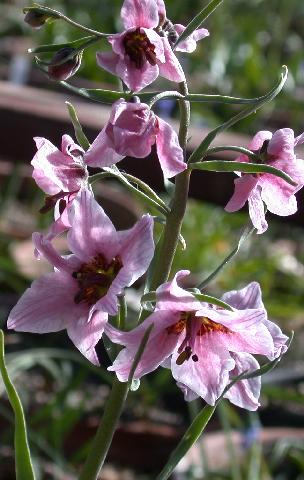
Fritillaria armena Boiss, syn. Fritillaria caucasica var. armena (Boiss.) Grossh., is native to northeastern Turkey. The plant widely grown as this species is difficult to distinguish from Fritillaria caucasica except it is shorter and flowers earlier, growing about 10 cm. According to the Kew checklist this name is not accepted by: Teksen, M. & Aytaç, Z. (2011) in The revision of the genus Fritillaria L. (Liliaceae) in the Mediterranean region (Turkey), Turkish Journal of Botany 35: 447-478. Both are listing it as Fritillaria pinardii subsp. pinardii. The photo below was taken Paige Woodward whose plants descended from material collected in 1982 in Gümüshane province at 2200-2400 m (7200-9400'). She describes the bulbs as naturally small, producing many bulblets and the flowers as nodding, conical purple-black, flowering in April-May. Plants grow 6-8 cm (2-3.5") and are perfect for a trough or the glasshouse.

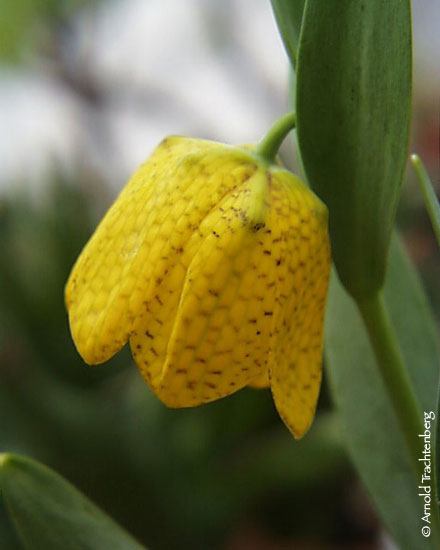
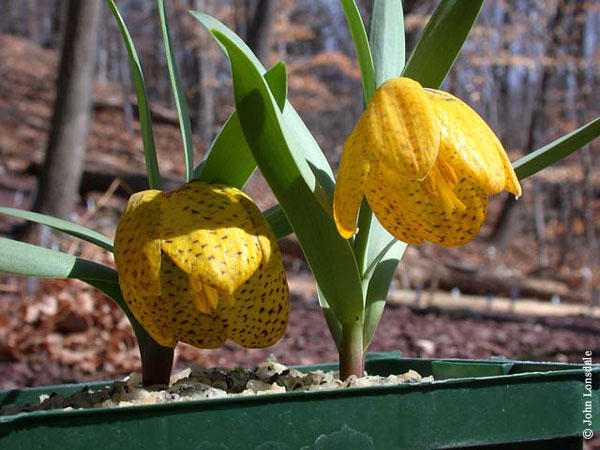
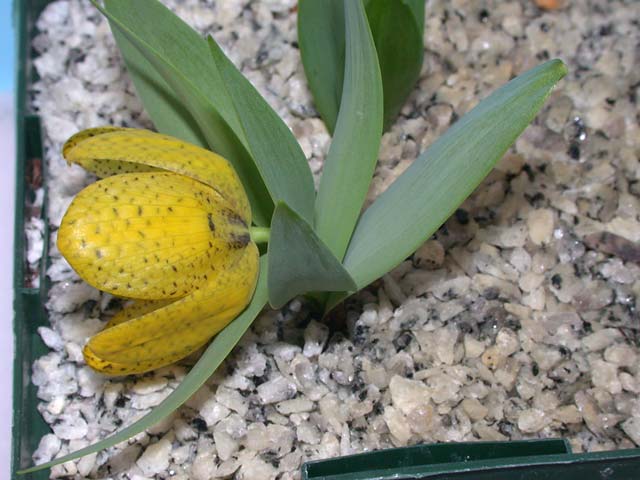
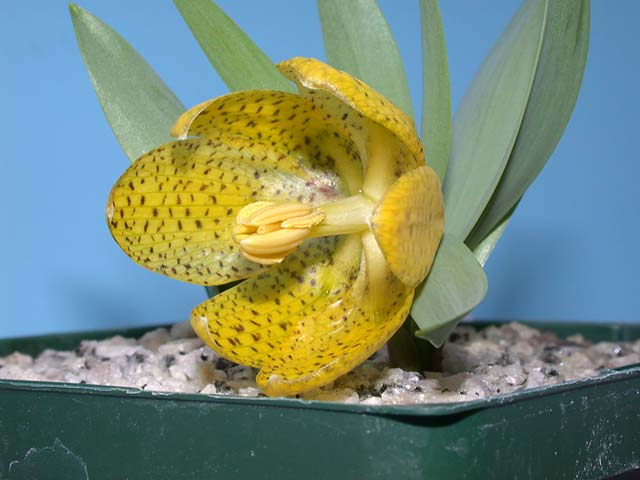
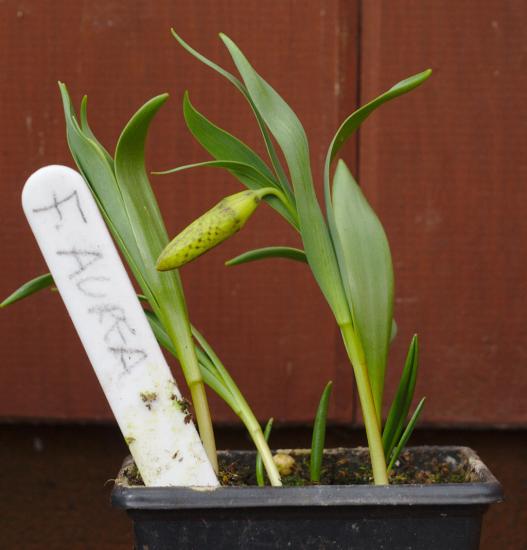
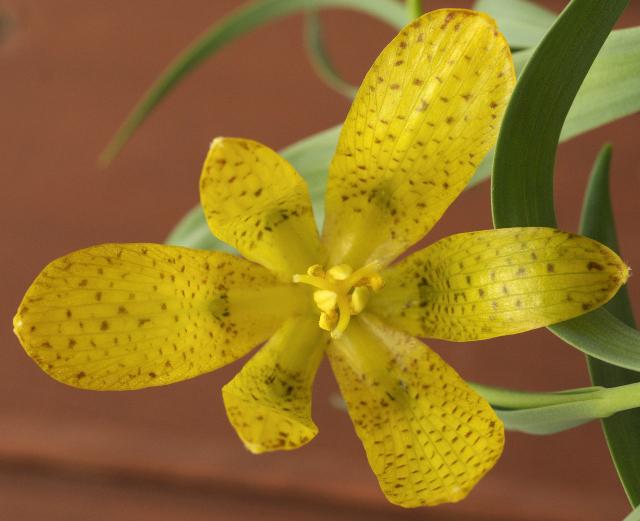
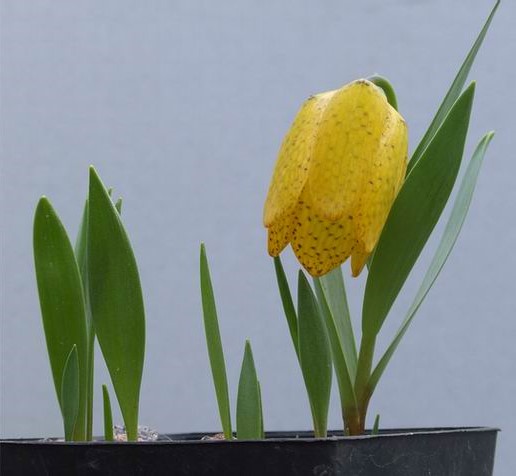
Fritillaria aurea Schott is a dwarf species (about 10 cm) from Turkey that has yellow flowers tessellated with brown. Photo 1 by Arnold Trachtenberg. Photos 2-4 from John Lonsdale.
Photos 1 and 2 by David Pilling are of plants in an 8 cm side pot and a flower. The specks in one strip of petal do not line up with those in the next strip; this is reminiscent of the patterns in Fritillaria meleagris. The last photo from Ian Young.
Video by David Pilling, 3 pm April 4th 2013, the same pot of bulbs in photo 5 above a few days later.
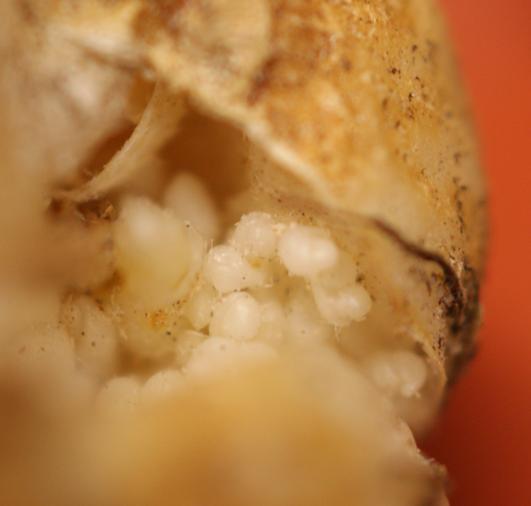
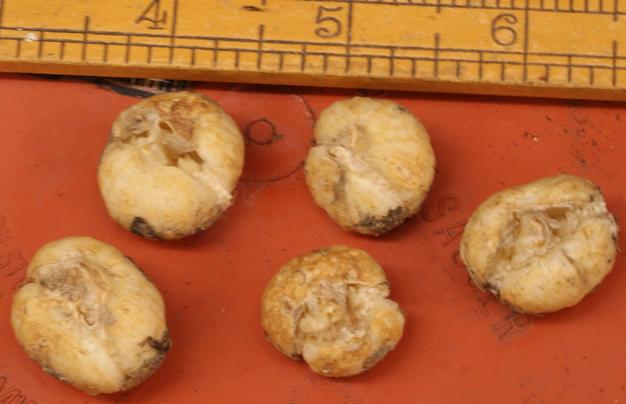
Photos by David Pilling. The bulb photo shows 'rice' (tiny offset bulb) production. The first seed photo was taken with reflected light, the second of the same seed was taken using transmitted light, embryos are barely visible, see Fritillaria Germination. The final photo taken 63 days later after the seeds had been exposed to cold (32-40 °F) shows the embryos have developed and germination is taking place.
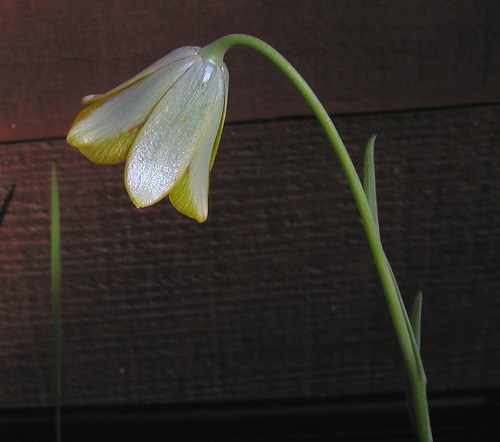
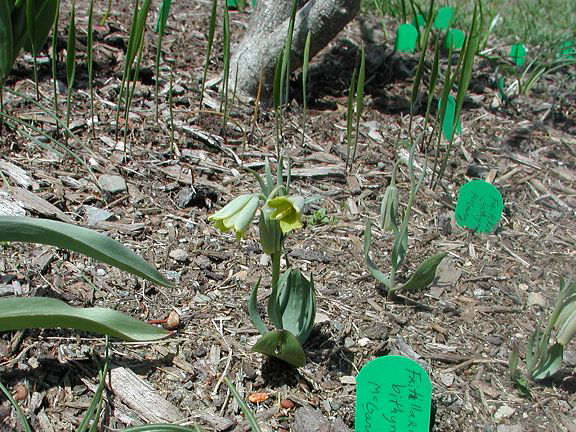
Fritillaria bithynica Baker is a very dwarf plant native to the Aegean Islands and Western Turkey where it is found in scrub and stony soils, growing to about 15 cm. The flowers are yellowish green, almost silver on the outside. The first two photos by Mary Sue Ittner show the outside and looking up at the inside. In the third photo from Mark McDonough taken on March 25, 2004, we see a very tiny plant of this fritillaria flowering at the base of a deciduous shrub. He wrote: "My plants came from Jane McGary. In the background are the many thready green sprouts of young Fritillaria pudica bulbs, once again, from Jane McGary.

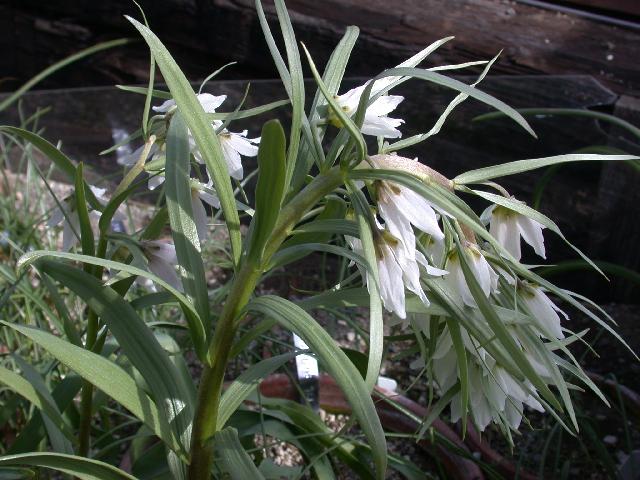
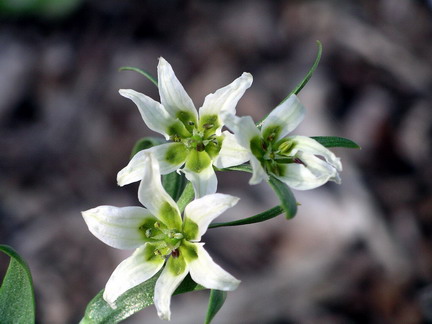
Fritillaria bucharica Regel is a large, early-flowering member of the Rhinopetalum section from Central Asia and northern Afghanistan, growing on rocky slopes in the foothills. Fairly easy to grow, it produces numerous whitish flowers on a typically arching stout scape, with many bracts. Height: about 30 cm. The form in the first photo by Jane McGary is flowering in a bulb frame in Oregon in March, kept fairly dry in summer. It is sold as a 'Giant' form, but it is fairly typical of plants she has grown from seed. The second photo was taken by Paige Woodward.
Fritillaria carica Rix from southwest Turkey is best grown in an Alpine house. It has gray green leaves and yellow bell shaped flowers. Height: 5-15 cm. Photo by John Lonsdale.
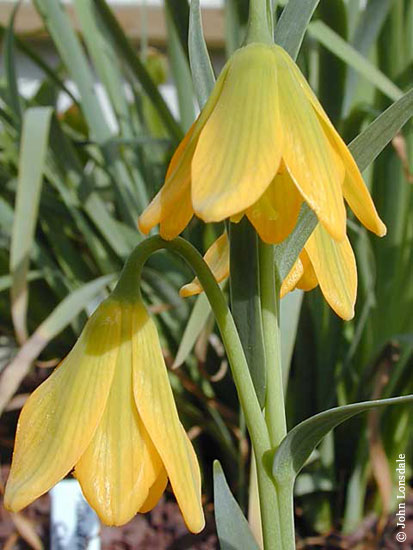
Fritillaria carica ssp. serpenticola Rix is considered in 2021 to be a synonym of Fritillaria serpenticola (Rix) Teksen & Aytaç.
Fritillaria caucasica Adam is distributed from Northern Turkey to NW Iran. It is similar to Fritillaria armena but twice as tall with more leaves and larger, darker flowers. The first photo from Paige Woodward whose plants descended from material collected in Armenia in the Caucasus Mountains. Her plants grow to 25-35 cm (10-14") and produce one to two deep plum flowers in April amid glaucous leaves. The second photo from Ian Young.
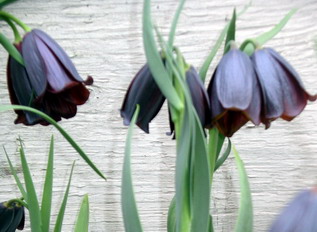
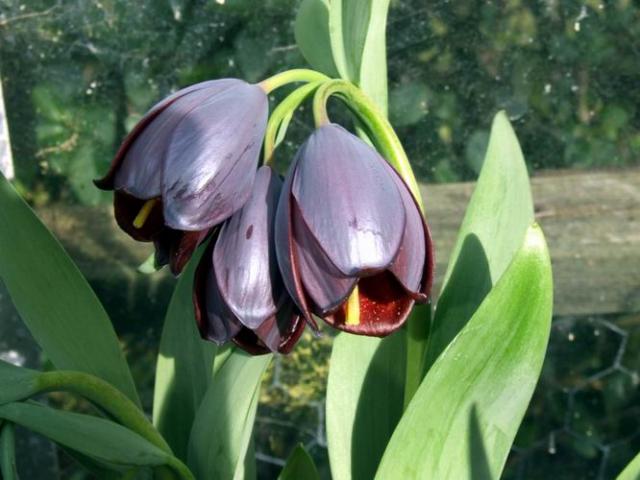
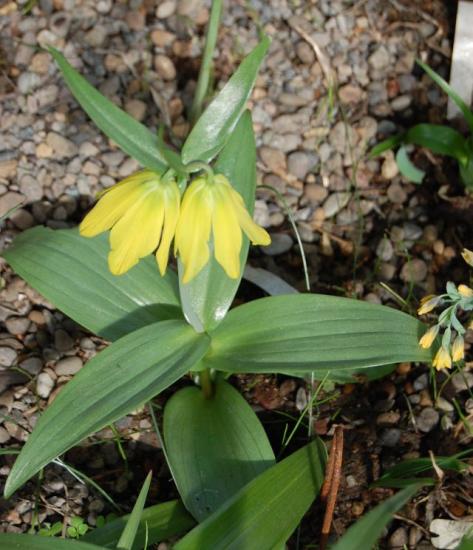
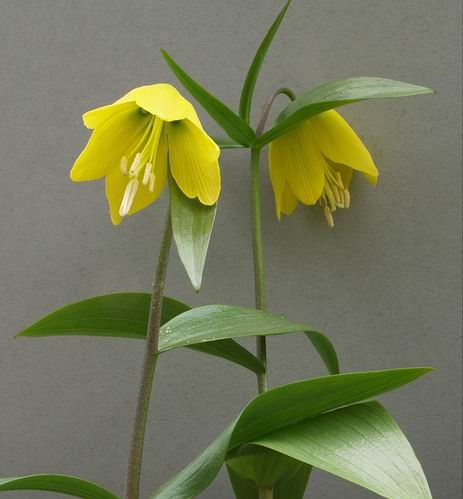
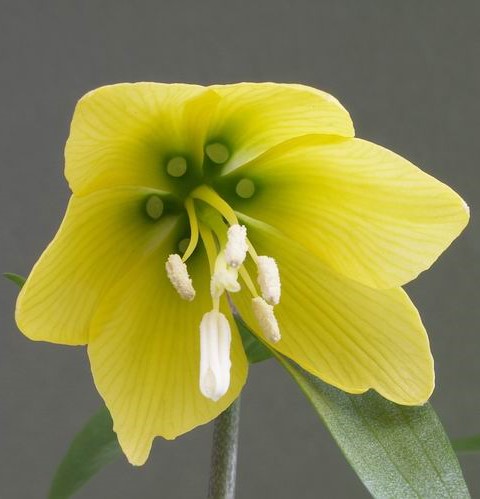
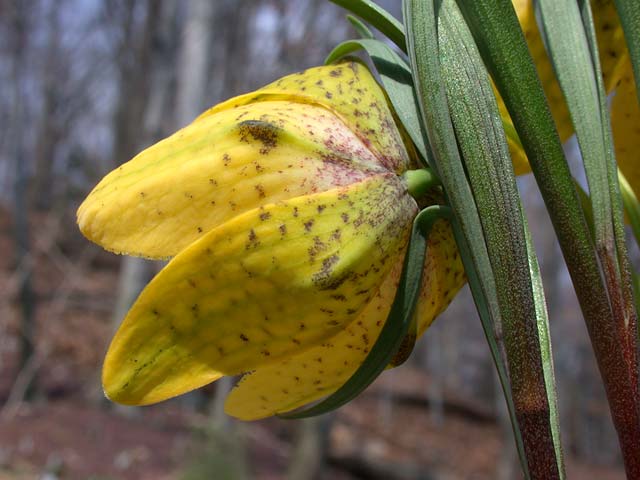
Fritillaria chitralensis (Anon.) B.Mathew is native to Chitral, Pakistan, and northeastern Afghanistan. It is related to Fritillaria imperialis and Fritillaria raddeana. It is fairly short-growing with pendent bright yellow flowers. The pictured plant was grown from wild-collected seed donated to the NARGS seed exchange and is flowering in its fifth year from seed; more flowers may be produced as it gets older. Height: to about 45 cm. The first two photos by grower Jane McGary, taken March 10 in Portland, Oregon. The last two photos by Ian Young
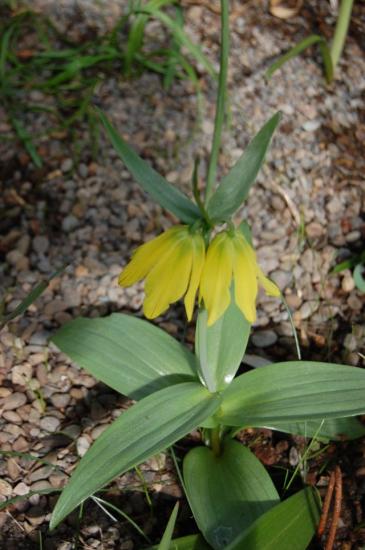
Fritillaria collina Adams from the Caucasus has yellow, brown tessellated flowers. Height: about 15 cm. The first 4 photos were taken by John Lonsdale and the last was taken in its natural habitat in Georgia (northern Caucasus) by Oron Peri.

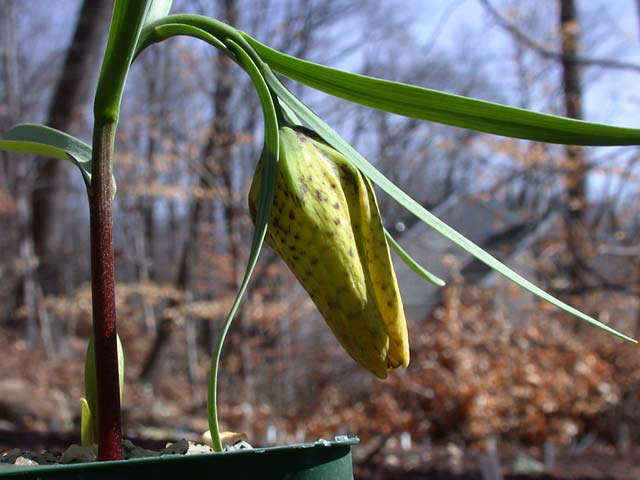
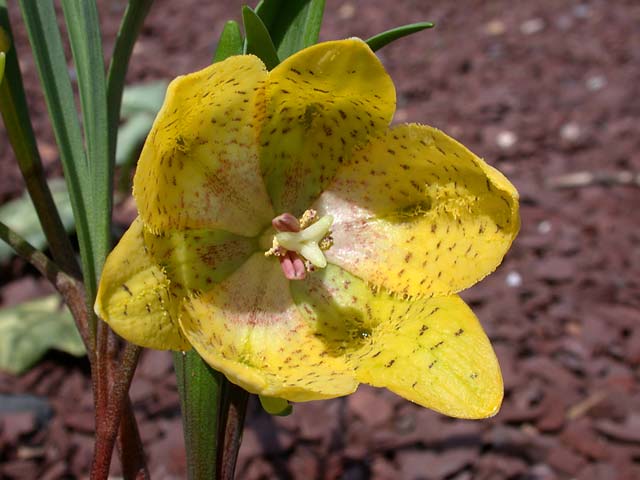

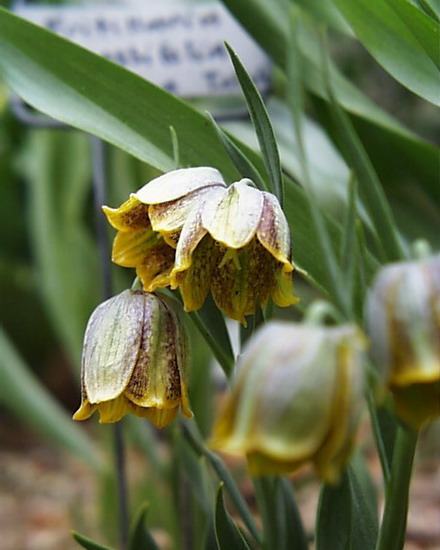
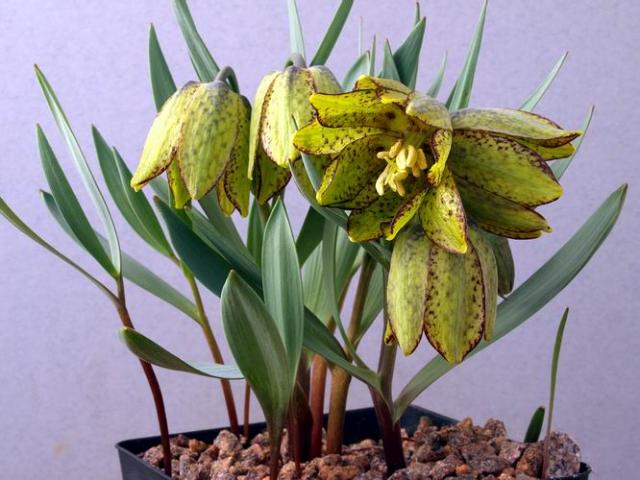
Fritillaria crassifolia Boiss. & A.Huet is from Turkey and Iran where it grows in limestone screes. Height: about 15 cm. The first two photos by Arnold Trachtenberg. The last photo from Ian Young.

Fritillaria crassifolia ssp. kurdica (Boiss. & Noë) Rix is in 2021 considered to be a synonym of Fritillaria kurdica.
Fritillaria Index - Asian Fritillaria a-c - Asian Fritillaria d-k - Asian Fritillaria l-r - Asian Fritillaria s-z - European Fritillaria a-o - European Fritillaria p-z - Miscellaneous Fritillaria - North American Fritillaria a-l - North American Fritillaria m-z