One center of distribution of the genus Romulea is in western Europe and the area around the Mediterranean basin. Species from this area are pictured on this wiki page.
South African Romulea a-d - South African Romulea e-k - South African Romulea l-n - South African Romulea o-s - South African Romulea t-z - Romulea index
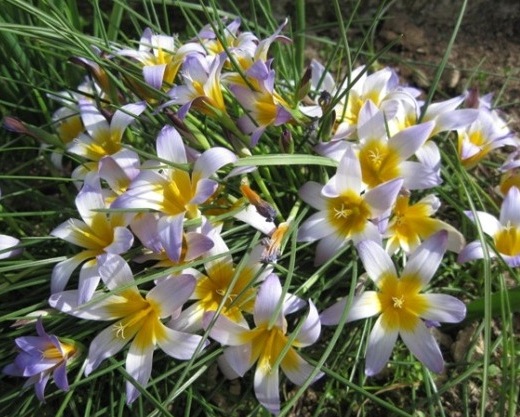
Romulea bulbocodium (L.) Sebast. & Mauri is found in rocky or sandy places in the Mediterranean basin. The flowers, which are among the largest of the genus, are usually bluish lilac with a yellow center and are shaded purple or green on the outside. Height: 15 cm. A series of photos by Angelo Porcelli of this species in habitat in Apulia in Southern Italy, followed by a couple of photos of cultivated plants in open ground in a semi-wild way are shown below.
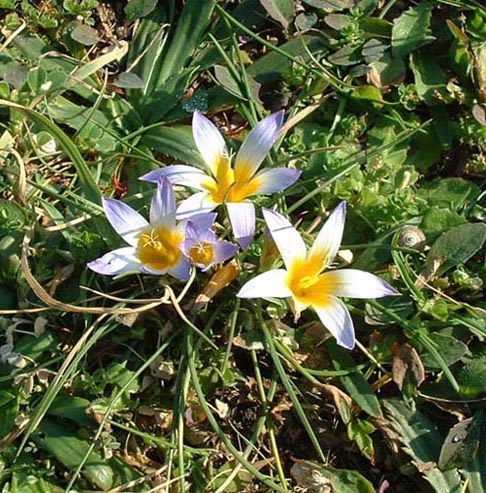
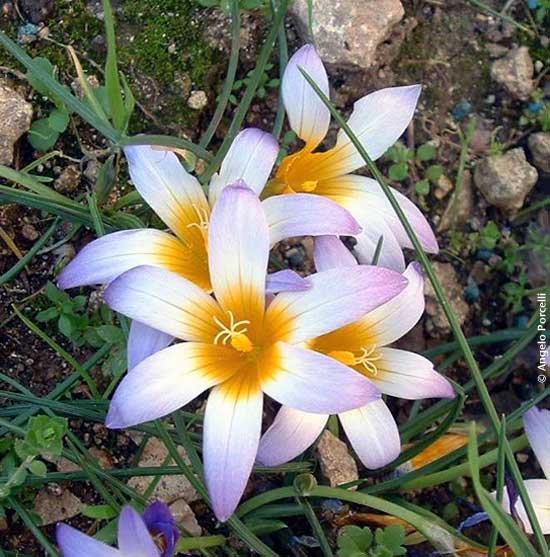
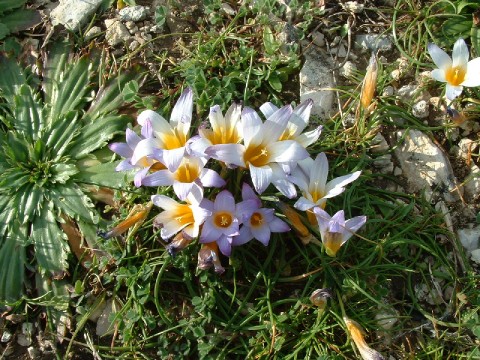
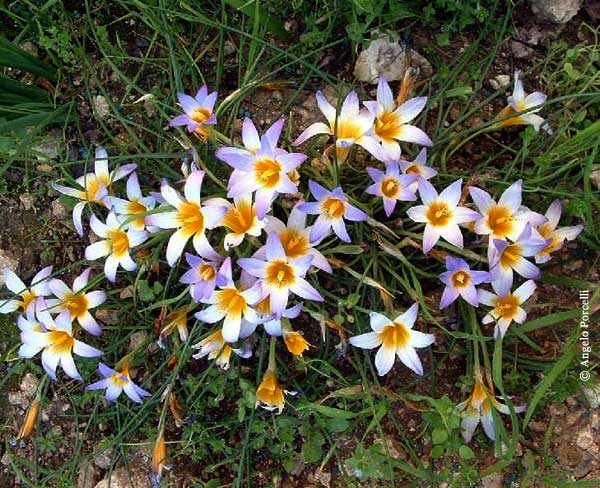
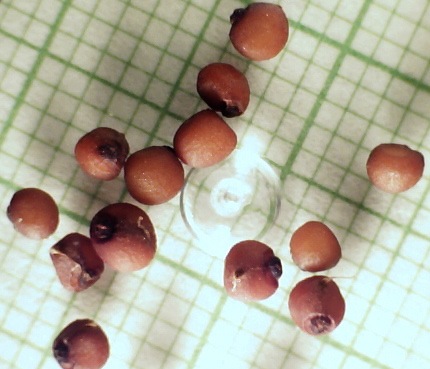
Photos shown below of seed with the first by M. Gastil-Buhl from PBS BX 317 #6 on a 1 mm grid and the second by David Pilling.

A rare pure albino form, without any hint of colour even on the back of tepals. Photo by Angelo Porcelli.
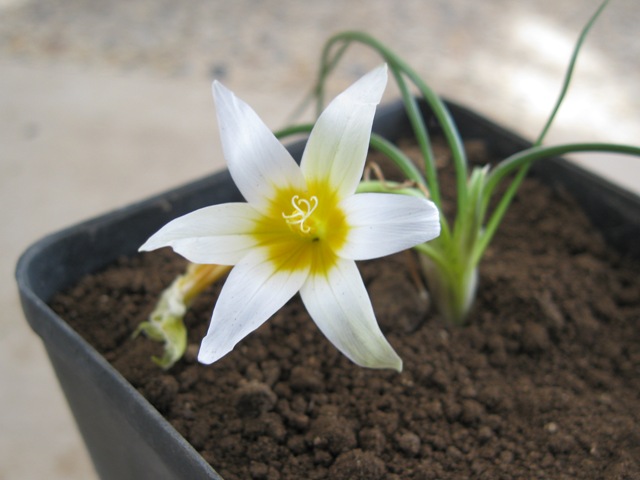
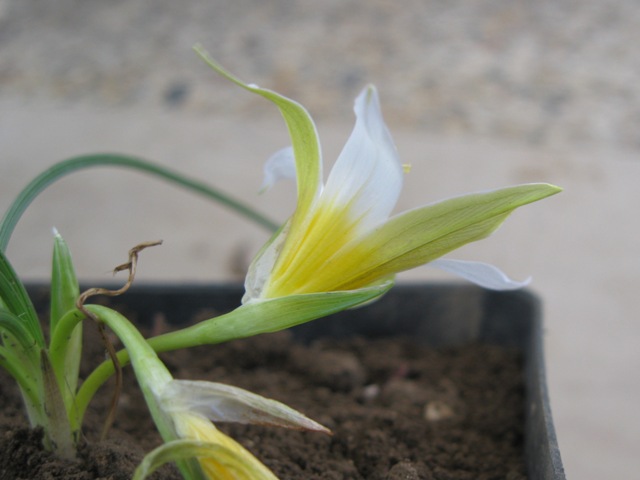
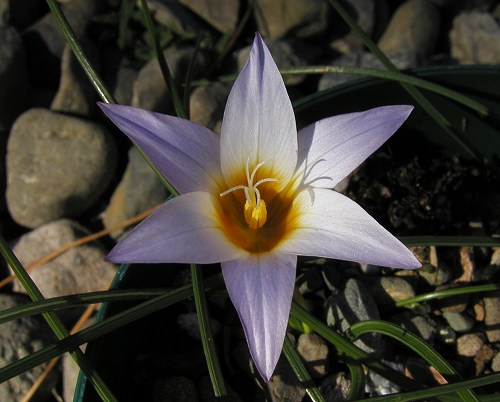
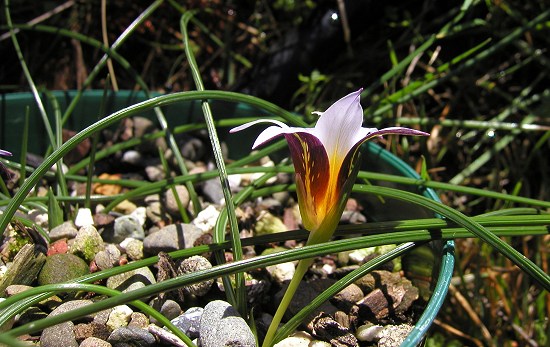
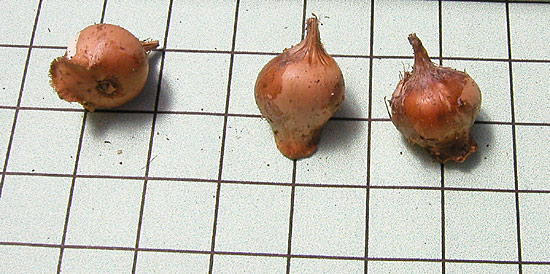
This form was acquired from Jane McGary as Romulea bulbocodium ssp. zahnii. The origin of this plant name is not clear. The first photo by Bob Rutemoeller shows the stigma overtopping the stamens which is a feature of this species and the next two photos by Mary Sue Ittner show the colorful back of the tepals and the corms.
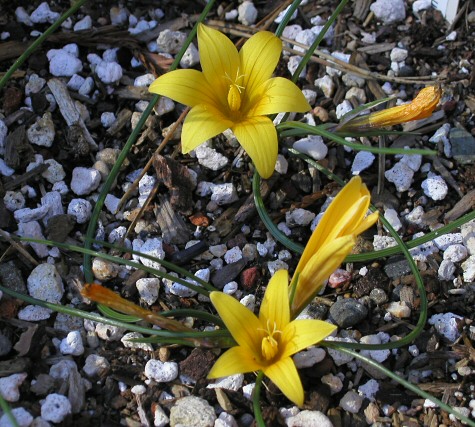
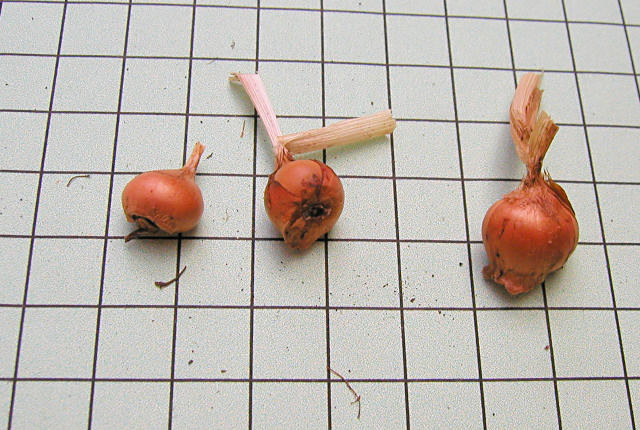
Romulea bulbocodium var. crocea (Boiss. & Heldr.) Baker, syn. Romulea crocea Boiss. & Heldr., is a yellow form from Turkey and Syria where it grows in sandy soils. Photos by Mary Sue Ittner including the corms on a 1 cm grid.

Romulea clusiana (Lange) Nyman is the showiest species of Romulea in the Mediterranean. It has a large, sessile flower that is purple with a deep yellow throat. It is distributed in Spain, Portugal and coastal NE. Africa and flowers in February. Height: 10-15 cm. The first photo was taken by Oron Peri of a plant in his collection. Photo 2-3 were taken by Nhu Nguyen. Photo 2 was taken in the UC Botanical Garden.
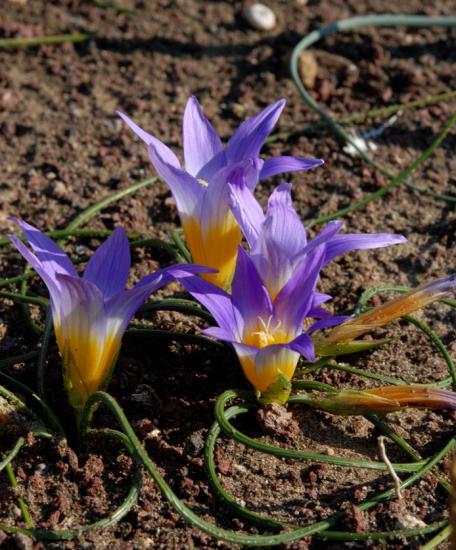
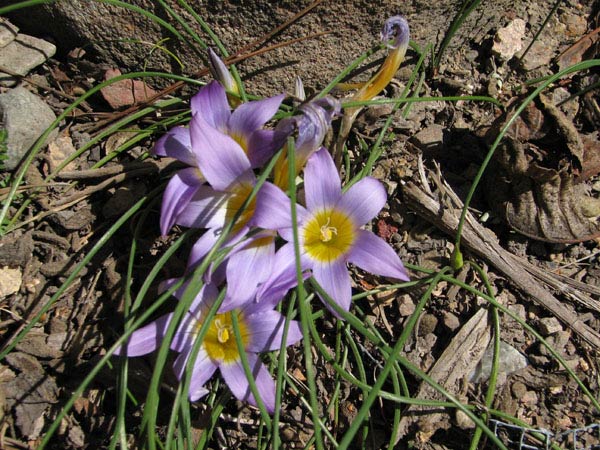
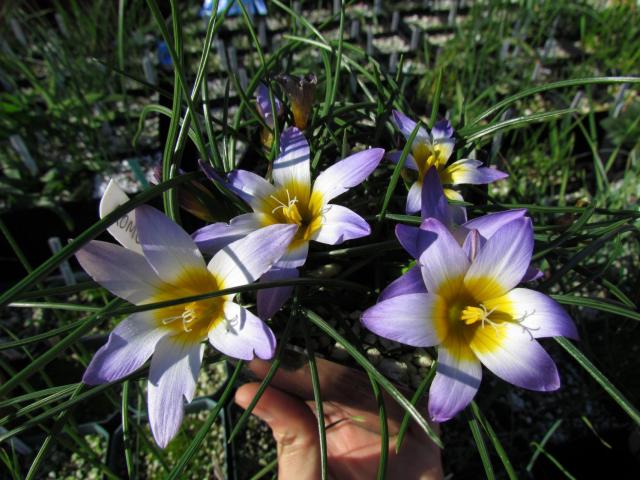
Photos below from Bob Rutemoeller and Mary Sue Ittner.
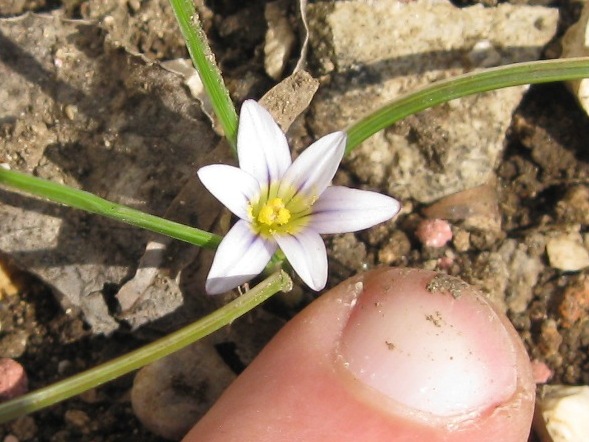
Romulea columnae Sebast. & Mauri has small white or pale lilac pointed flowers with darker veins. This is a very short plant from Europe, Great Britain, and North Africa. Height: 15-20 cm. The first photo is of one that came in with seed of Crocus corsicus (ex wild) and is photographed by Tony Goode. The second photo by Angelo Porcelli shows the very tiny size of the flower compared to a fingernail.
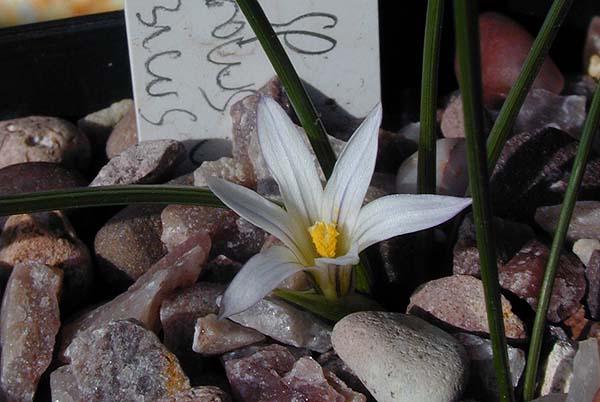
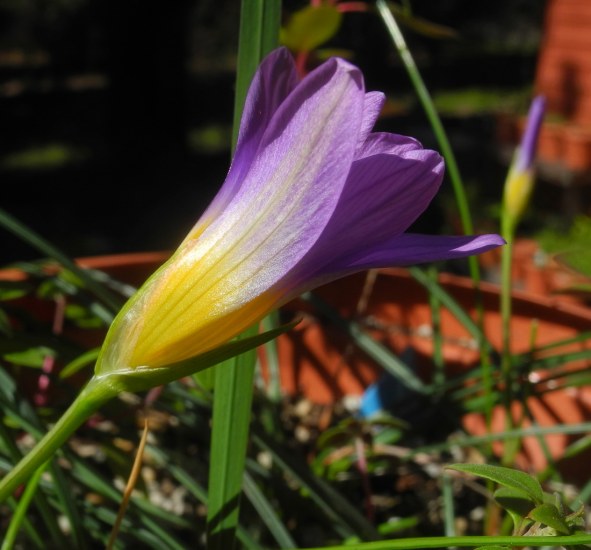
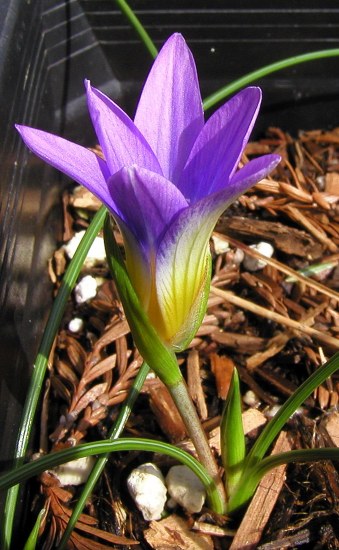
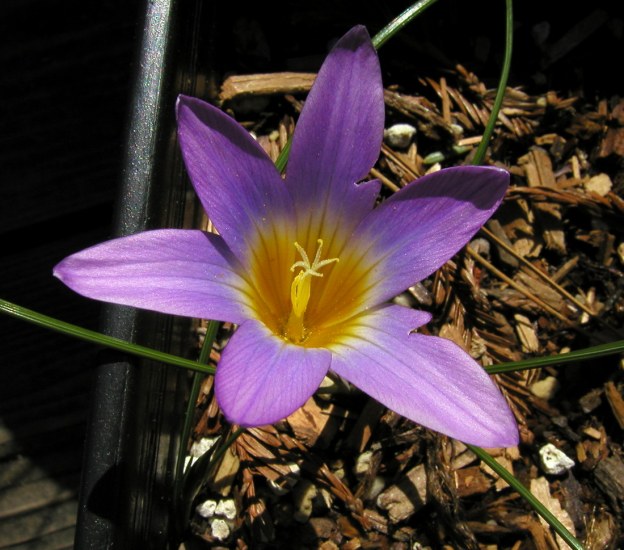
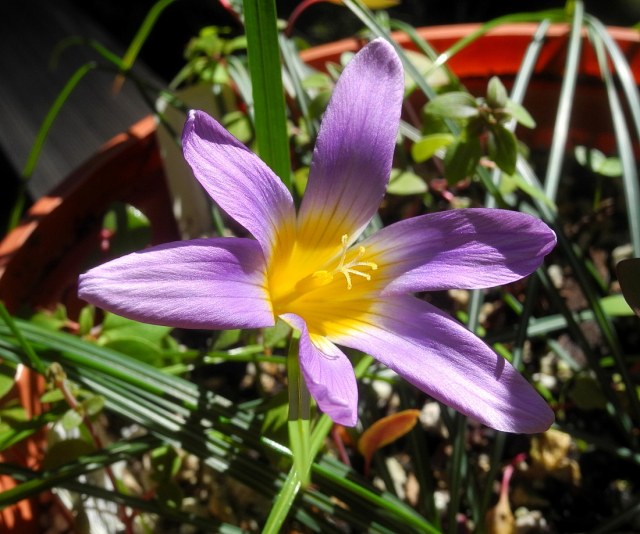
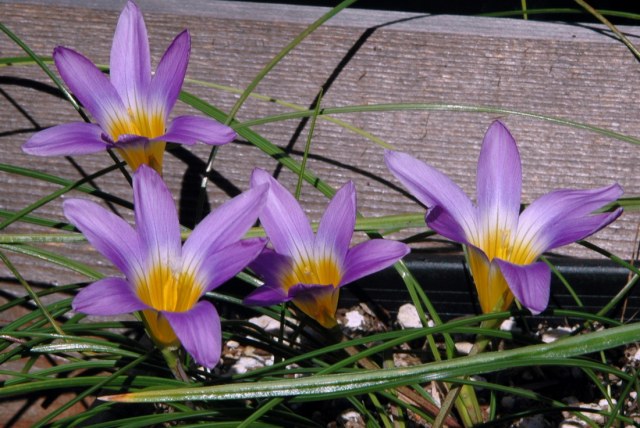
Romulea columnae ssp. grandiscapa (Webb) G.Kunkel, syn. Romulea hartungii Parl. ex G.Hartung and sometimes seen in seed lists as Romulea grandiscapa is native to the Canary Islands. It has flowers that are purple with a yellow throat, and is easy to grow in cultivation in summer-dry conditions. The first photo was taken by Mary Sue Ittner. The second photo by Michael Mace is a form that is darker in the throat and almost white at the tepal tips. The last two photos are from Bob Werra.
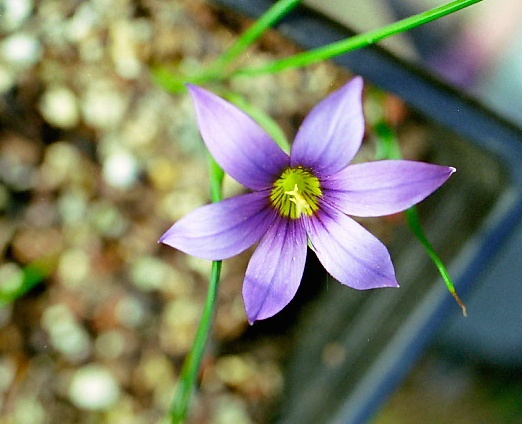
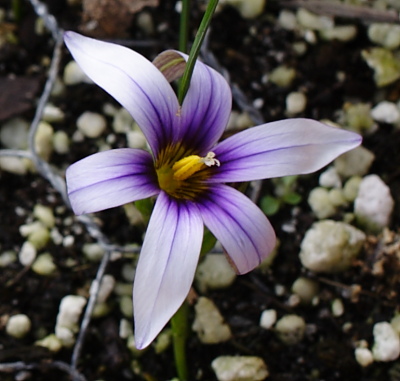
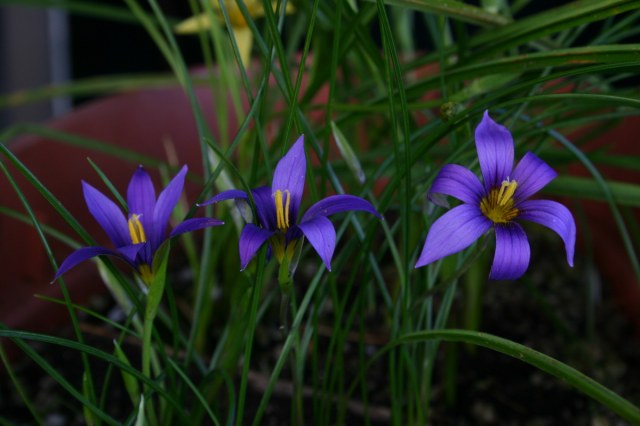
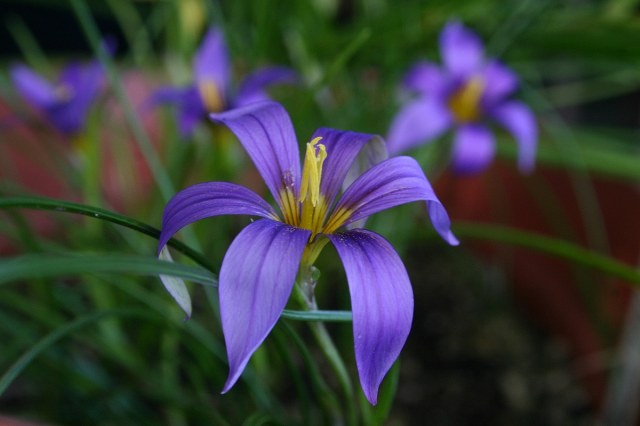
Time lapse video of flowers of Romulea columnae ssp grandiscapa by Richard Sullivan
Romulea engleri Bég. is endemic to Morocco. According to this site it is declining. The habitat and ecology is described on that site as: "Typical habitats include wet meadows, sandy pastures, Mediterranean forest, woodlands, woodland clearings, peat bogs (pozzines) and scrub. This tuber geophyte species prefers dry to moist humid calcareous and siliceous substrates, well drained sandy, fersiallitic loamy soils. It grows in full sun, light to mid-shade and flowers between December and March. It has been found in a sub-humid Mediterranean bioclimate with an annual rainfall ranging from 350 mm to 800 mm." Height: 15-30 cm. Photos below from Fouad Msanda and Jean-Claude Thiaudière shown here under a creative commons license, originally from the Plant Biodiversity of South-Western Morocco website where it is described as a common species on the limestone sands of the Mehdia coast in Essaouira.
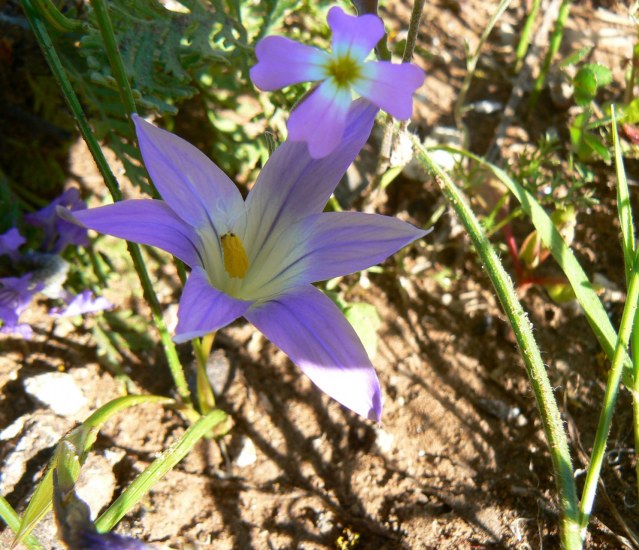

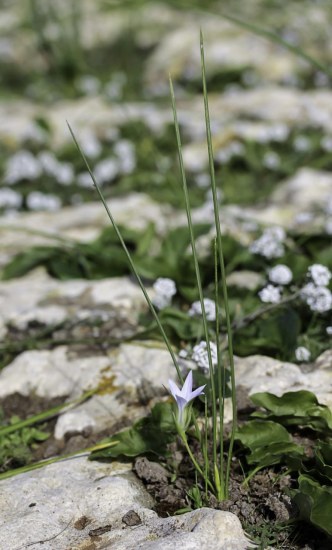
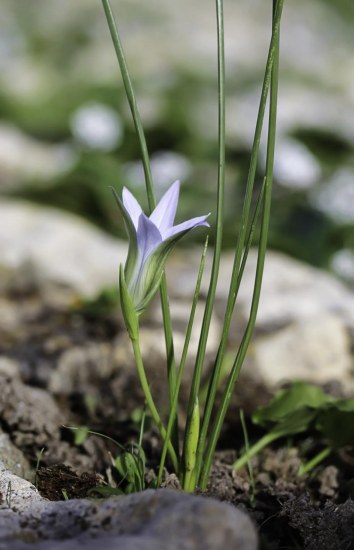
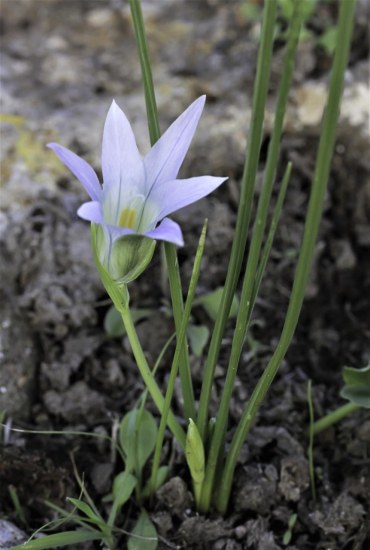
Romulea ligustica Parl. is found in Sardinia and Liguria and also said to occur on the Western Mediterranean coasts of Northern Africa and Southern Spain. It is a winter flowering species with a lovely soft shade of lilac and pale blue, with a small white throat. A very rewarding species in cultivation, it is long flowering with several blossoms per corm. Height: to about 10 cm. Photo 1 by Angelo Porcelli; photo 2 by Oron Peri showing the North African form from Morocco.
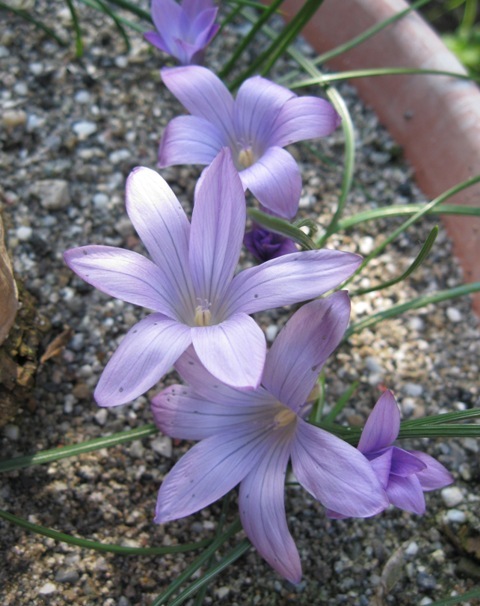
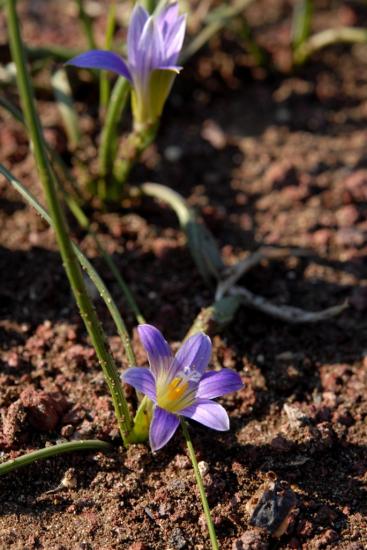
Romulea linaresii Parl. is found East Aegean Islands, Greece, Crete, Sicily, Tunisia, and Turkey. It is similar to Romulea ramiflora but each bract has a membranous margin and the entire flower is violet. Height: 5-10 cm. Photos from iNaturalist taken by David Renoult in February in Sicily and shared under a CC BY-NC license.
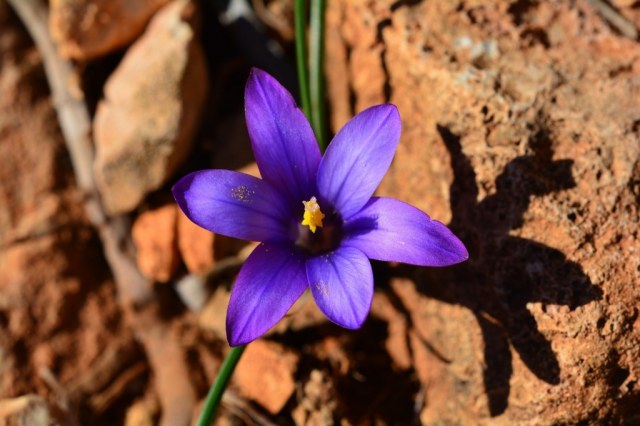
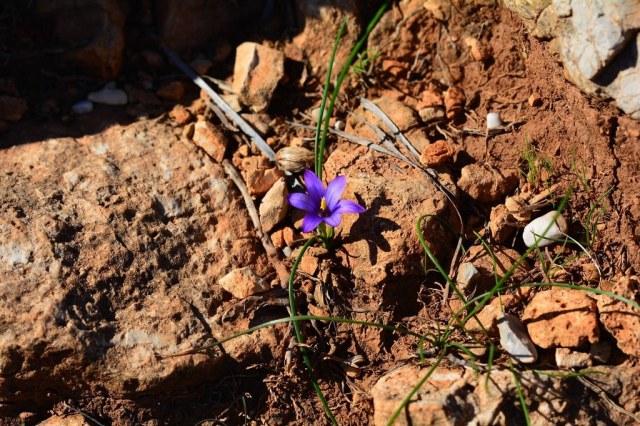
Romulea linaresii ssp. graeca Bég. is native to Greece, Crete and western Turkey where it grows in wet spots in open woodland, pastures, and shrubby vegetation and flowers February to April. Flowers are smaller than the type, violet purple with yellow anthers above the stigma. Photos from iNaturalist taken by Georgios Mesimeris in Greece in March and shared under a CC BY-NC-SA license.
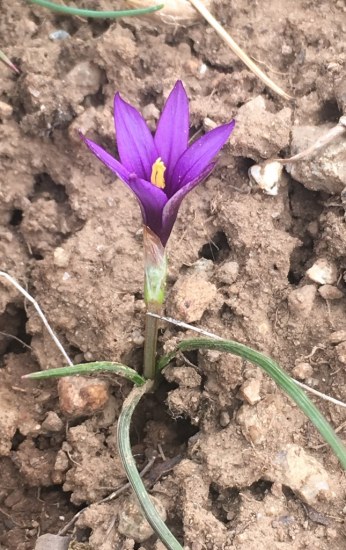
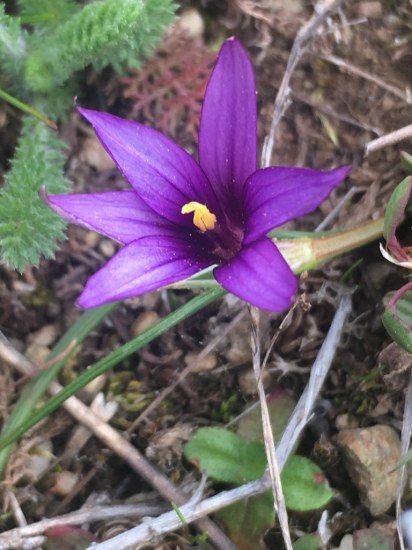
Romulea nivalis (Boiss. & Kotschy) Klatt is native to Syria, Lebanon and Israel. It appears soon after snow melts at high elevations. Upright growth and smallish flowers are distinctive features of this species. Height: 5-8 cm. Photos 1 and 2 were taken in its habitat on Mt. Hermon, North Israel at 2100 m by Oron Peri. The last photo was taken by Tony Goode.
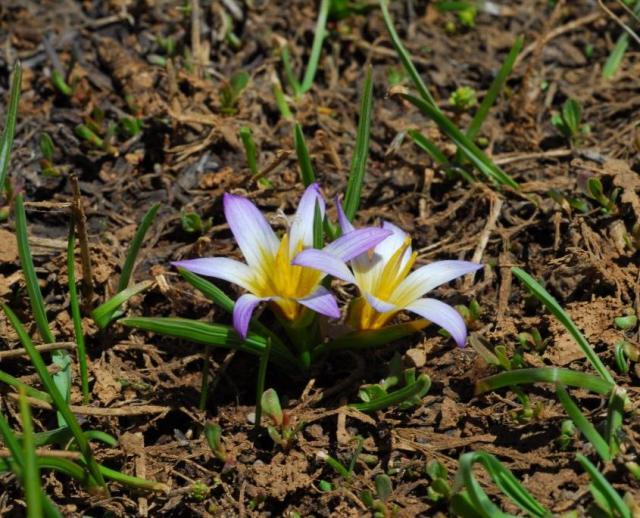
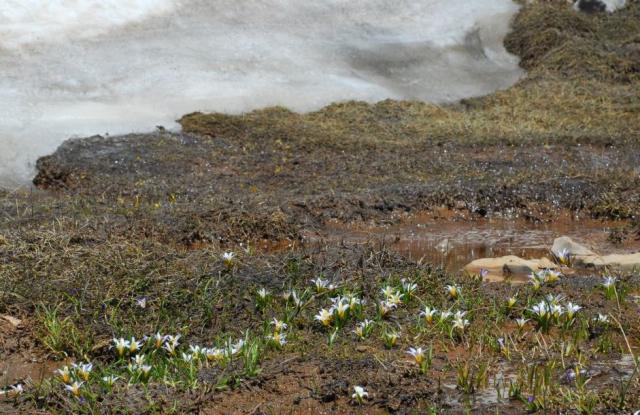
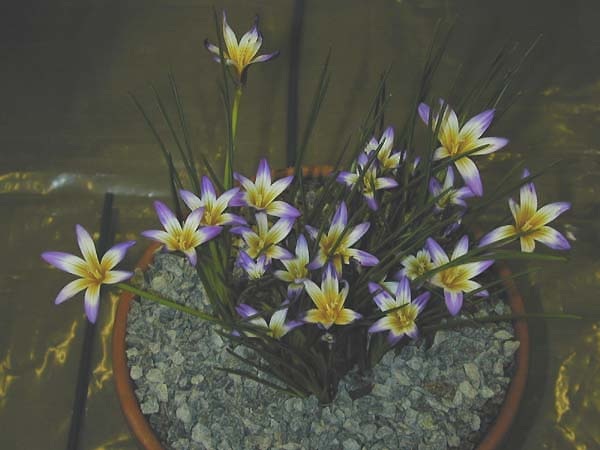
Romulea phoenicia Mouterde is a species native to central Lebanon where it grows in sandy, forested mountain habitat. According to an article written by Ramy Maalouf it has been confused with the similar Romulea tempskyana from the eastern Mediterranean. He writes: "Romulea phoenicia has a bicolored yellow to pink bloom. Romulea tempskyana has singular deep violet flowers. Romulea tempskyana has larger 3-5 cm flowers versus Romulea phoenicia’s 1 cm flowers. Romulea phoenicia has a shorter yellow style covered by anthers. Romulea tempskyana has a protruding violet style with feathery purple divisions exceeding the anthers." The article has photos showing the differences. Height range: 5-10 cm. Photos from Shmuel Silinsky of plants grown from seed collected from a plant in Mount Carmel, Israel.
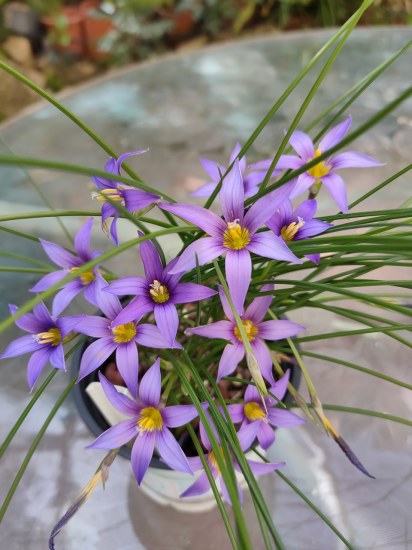
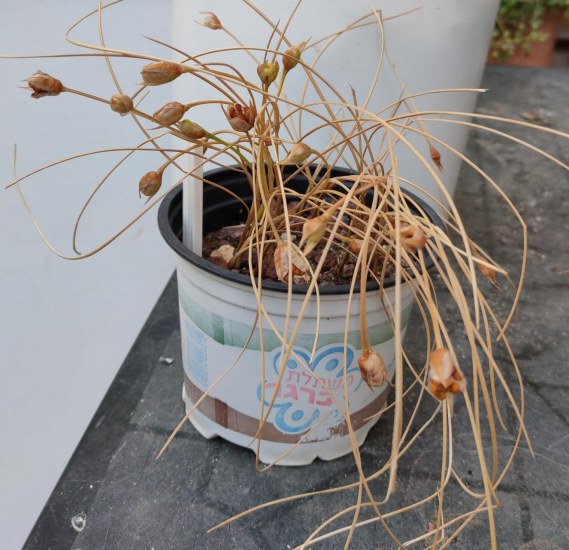
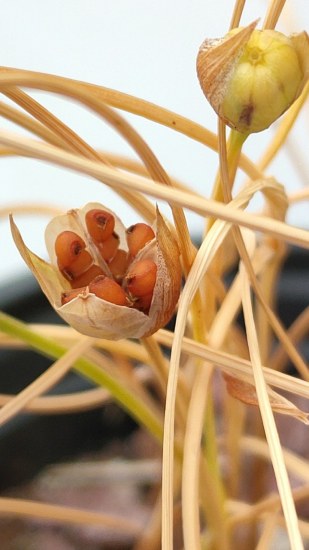
Romulea ramiflora Ten. has a rather wide distribution in Spain, Portugal, France, Italy and Greece. This species has a violet-lilac perianth with darker veins and a yellow throat. The back of the tepals are green and the upper bract has a membranous margin while the lower bract is green. The stigmas are about the same height as the stamens. Height range: 15-20 cm. Photos from Yvain Dubois who grew them from Oron Peri seed.
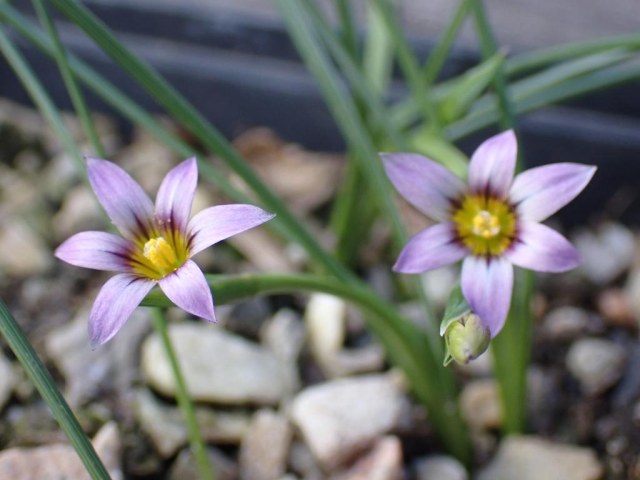
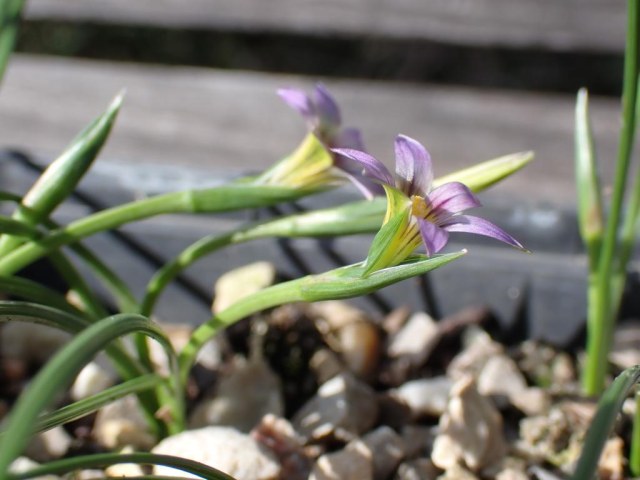
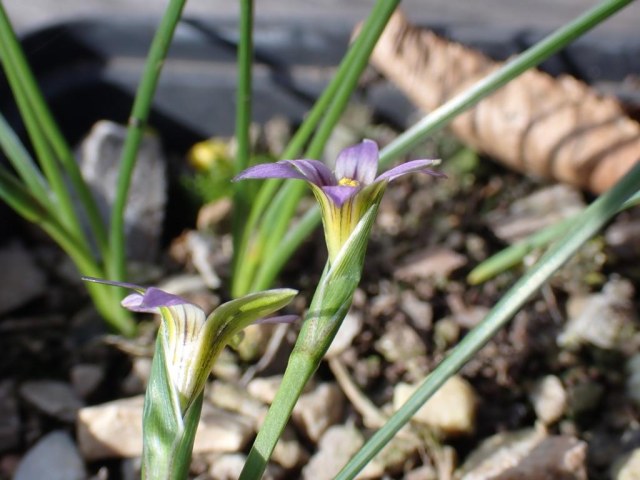
Romulea sp. Photos below are of plants with a questionable identity. The first grown by Tony Goode shows a plant in cultivation in the UK thought to be Romulea bulbocodium. It seeds around gently in the garden and breeds true. The plants in the next photos were grown from seed exchanges and labeled Romulea linaresii and Romulea ramiflora. Angelo Porcelli suggested that they were Romulea ramiflora and that was how we labeled them. Photo #2 by Bob Rutemoeller. Photos #3-4 by Mary Sue Ittner show the flower being pollinated the first day it opened and the bracts and the markings on the back. A pbs list member from Southern California reports that this species became invasive in his garden. It has not been a problem in Northern California however. Photograph of corms on a 1 cm grid by M. Gastil-Buhl. There is a discussion on the PBS Forum in 2024 about these plants with the originator of the discussion suggesting that they are instead a form of Romulea bulbocodium as Romulea ramiflora is a much smaller plant. The discussion can be found here. The issue that originally moved these plants away from Romulea bulbocodium was that R. bulbocodium was described as having a sigma that overtops the anthers. In the plants shown below they are about the same height.

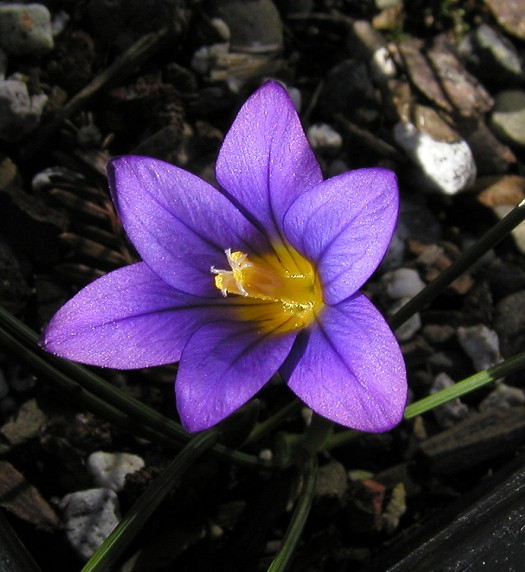
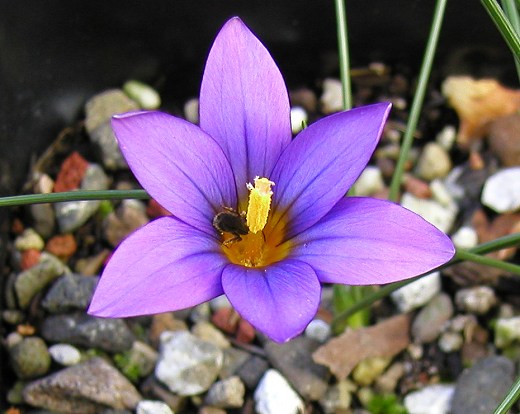
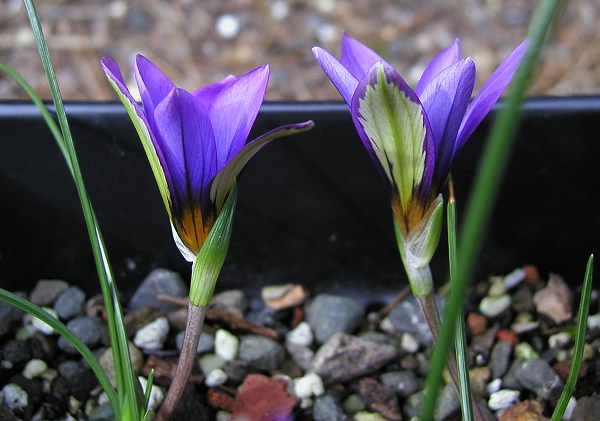
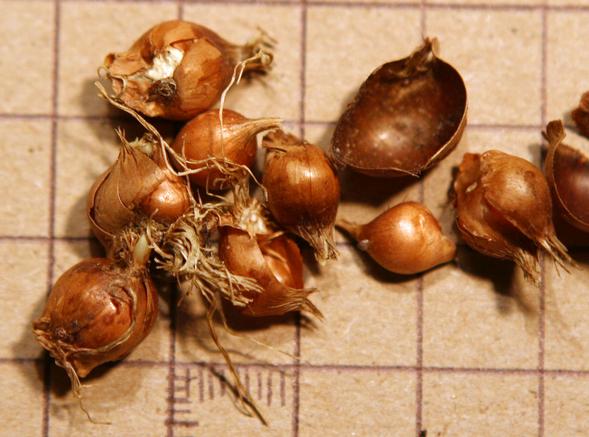
Romulea tempskyana Freyn is present in the island of Cyprus, also the Aegean Islands, Turkey and Palestine. The first two pictures show plants in the wild growing in Israel that were originally thought to be Romulea phoenicia. The third from left shows ripening seed capsules. The fourth is the corm and the last shows the seeds. Height range: 15-30 cm. All photos by Gideon Pisanty.
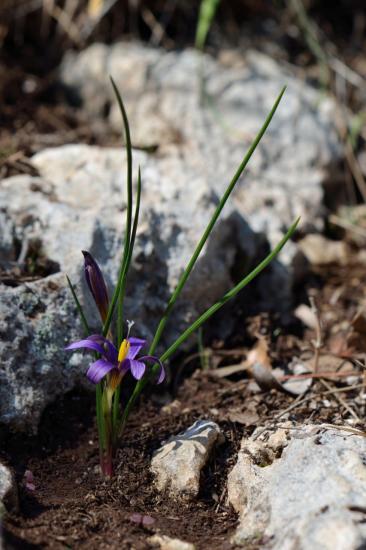

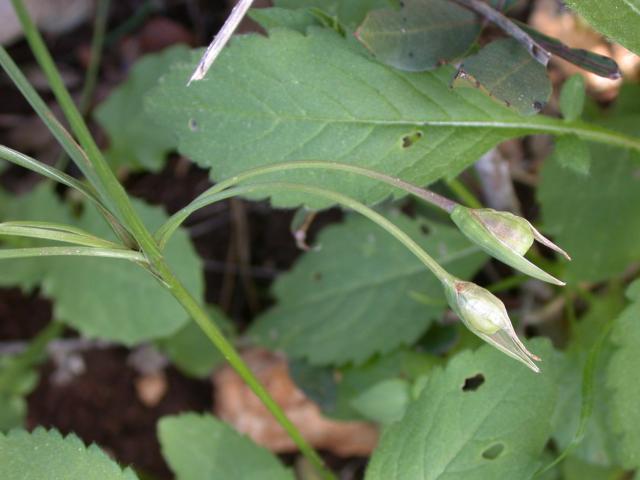
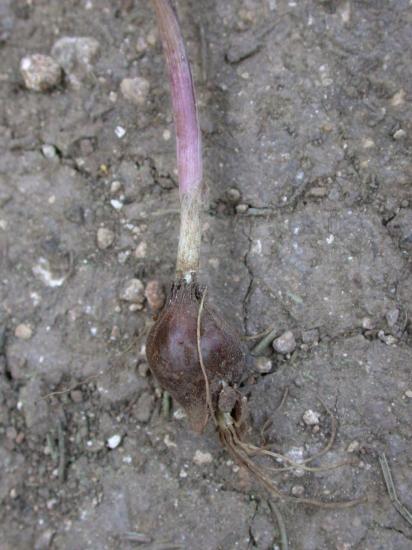
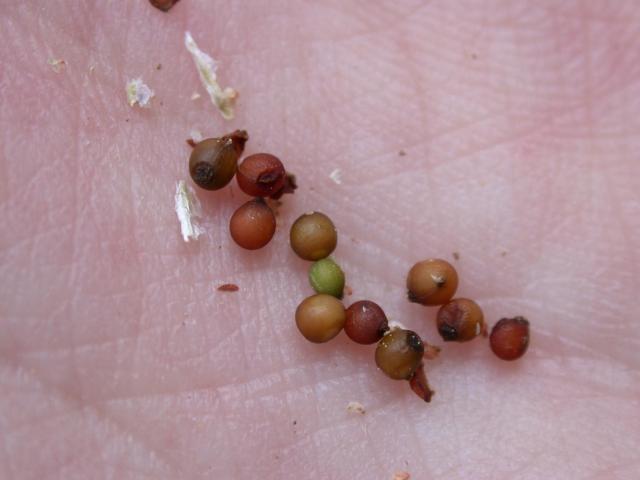
Photos by Alessandro Marinello.


South African Romulea a-d - South African Romulea e-k - South African Romulea l-n - South African Romulea o-s - South African Romulea t-z - Romulea index