Massonia is a genus in the family Hyacinthaceae or Asparagaceae according to APG III. It was named for Francis Masson, a Scottish student gardener at Kew who was sent to the Cape by Sir Joseph Banks in 1772 to collect seeds. It can be found in dry areas in southern Africa. Species have two prostrate or spreading leaves and a head-like inflorescence at ground level with large and leafy bracts and tubular flowers with the filaments shortly joined together at the base. Most species are winter growers, summer dormant, and bloom early, often in late fall to early winter. Seeds are formed in a three angled (papery) capsule which as it dries elongates and easily lifts out or is detached to disperse the seeds. Summer dormant plants will come out of dormancy on their own in the fall even when water is not given. Massonia species have perennial roots, but they are not as picky about losing them as members of the Amaryllidaceae. Repotting can be done any time, but probably best right before they come into growth. A dry dormancy is required. Cameron McMaster provided interesting information about this genus in an article he wrote for Farmer's Weekly in 2008. Some of the names have changed since then.
Members of this genus are easily grown from seeds. Sow the seeds right before the growing season and cover with a thin layer of medium. Seeds will germinate in 2-3 weeks. First year seedlings make a single cylindrical leaf, and each progressive years, the leaf gets bigger until two leaves per bulb appear. Community pots of seedlings increase in size each year and the leaves can soon become crowded. Eventually they need to be transferred to one bulb per container, unless the container is large and can accommodate the spread of the leaves without overlapping too much.
This genus was considered a taxonomic mess but much work has been done over the last years to delimit the species boundaries and to describe several new species. Taxonomic studies are still ongoing (September 2019) and more new species descriptions are to be expected. The controversy over what name to use for plants in cultivation is decreasing, but taxonomists who have studied this genus are still not in complete agreement. For those interested in the taxonomic publications on Massonia we refer to: www.massonia.com.
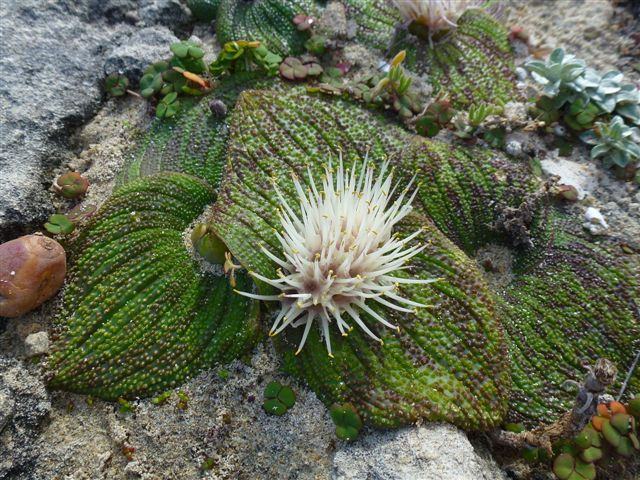
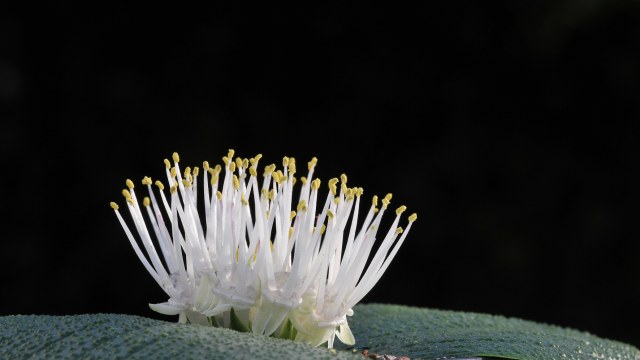
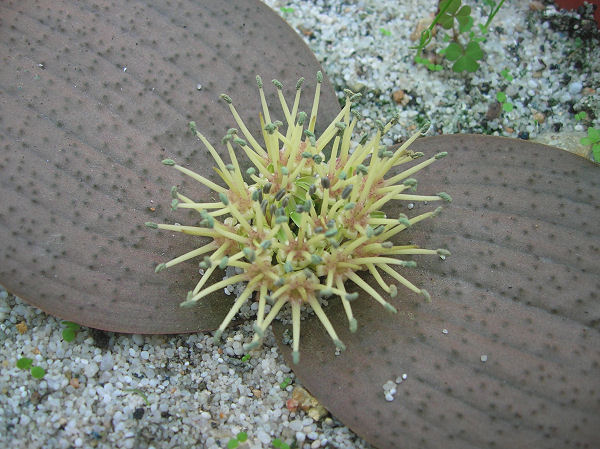
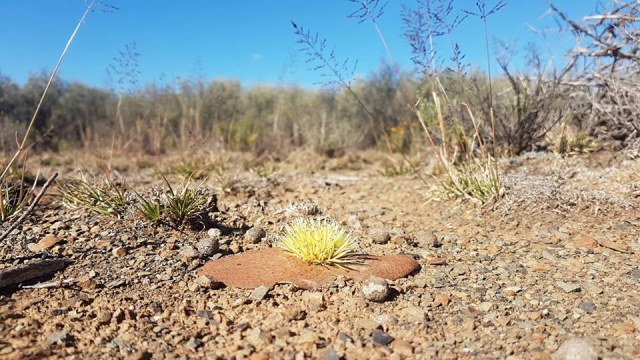
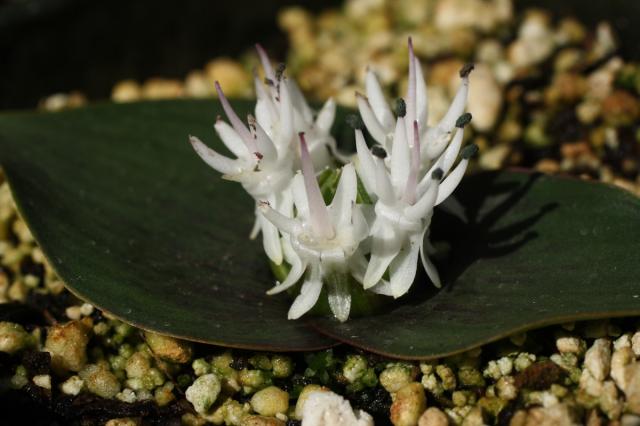
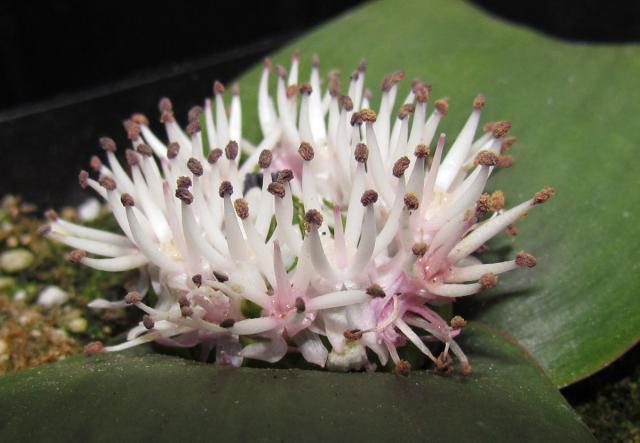
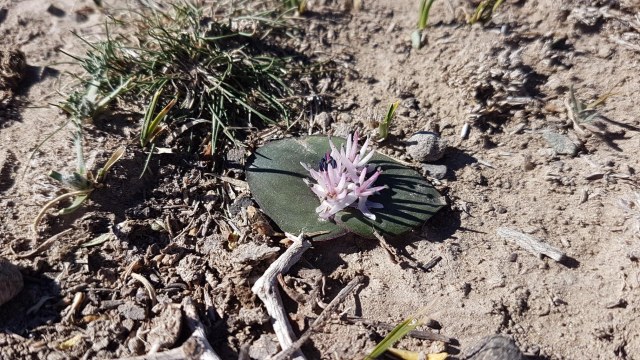
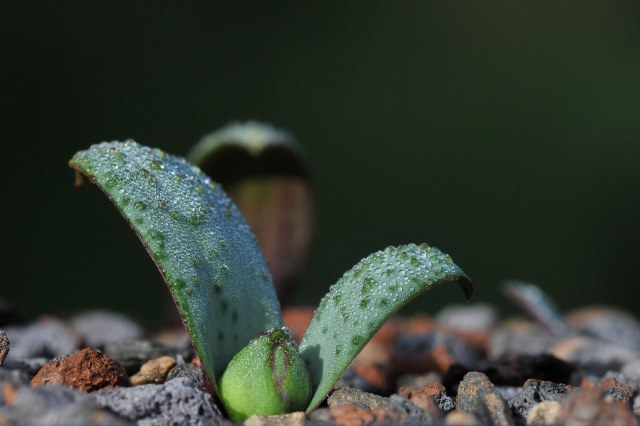
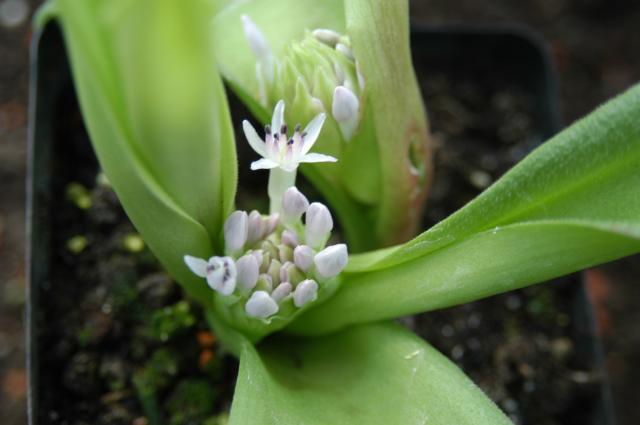
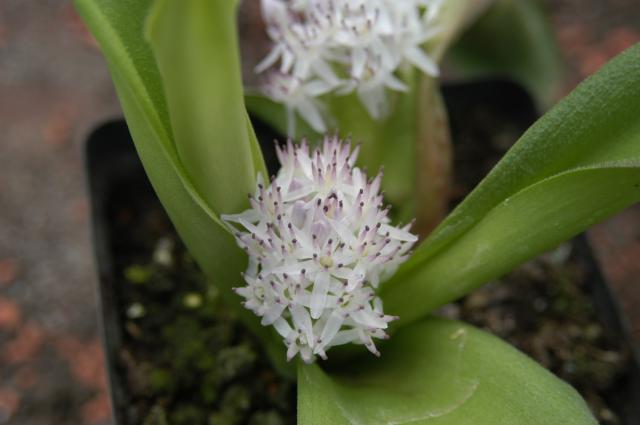
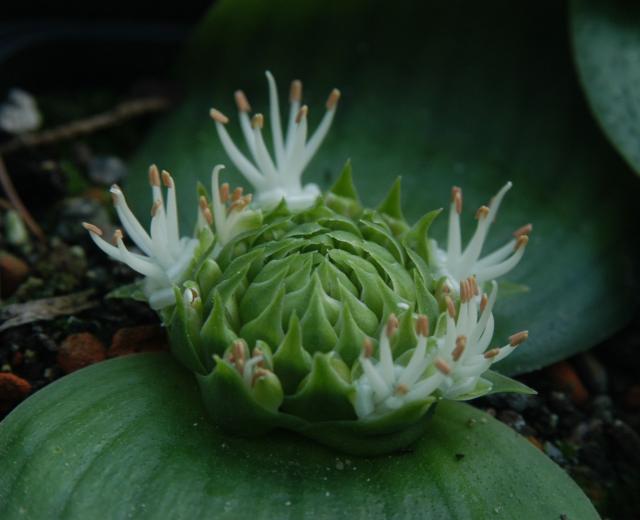
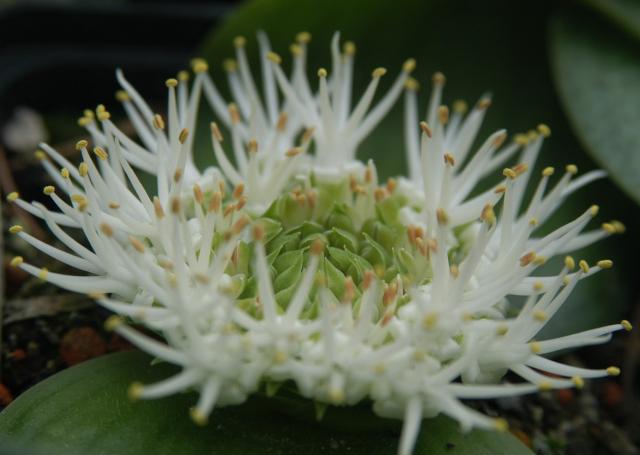
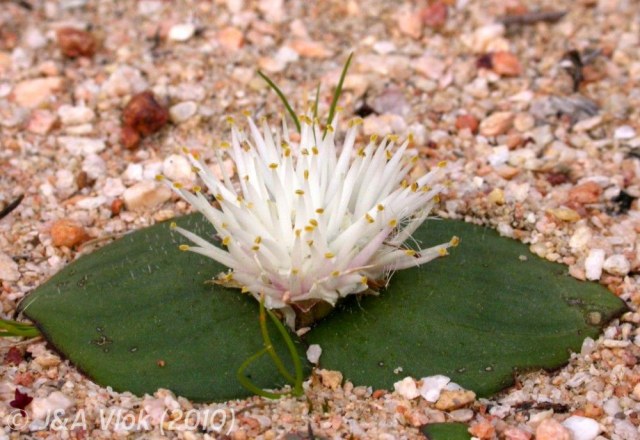
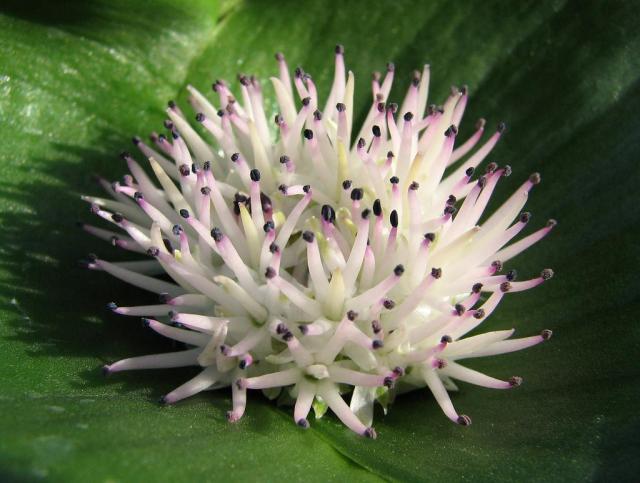
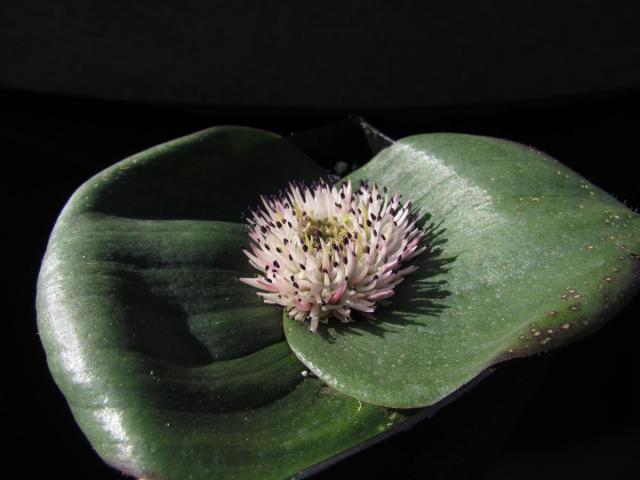
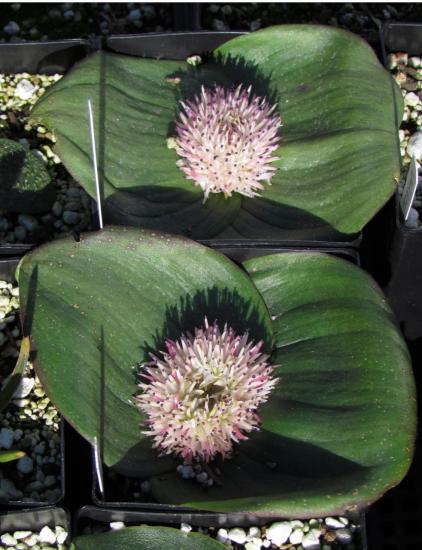
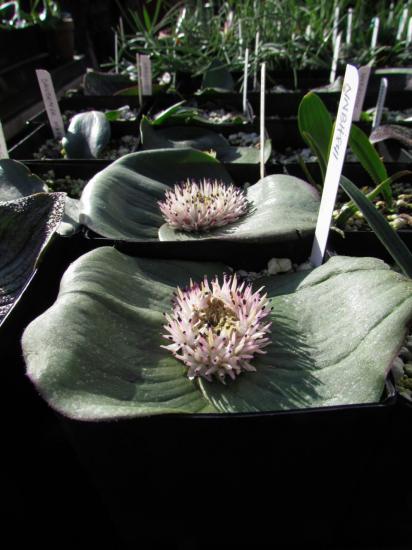
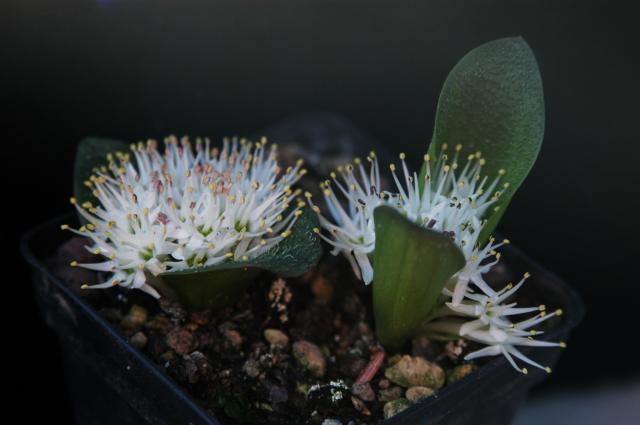
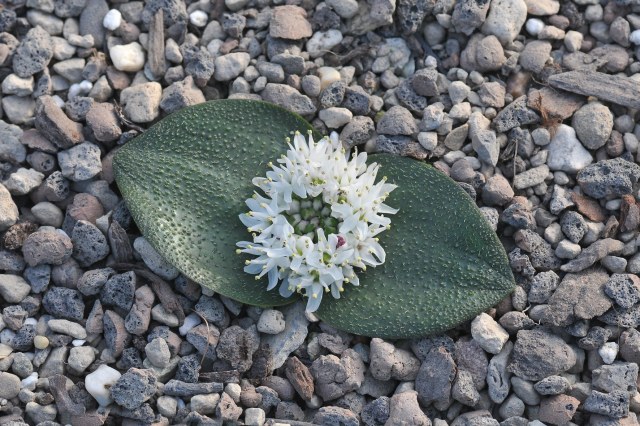
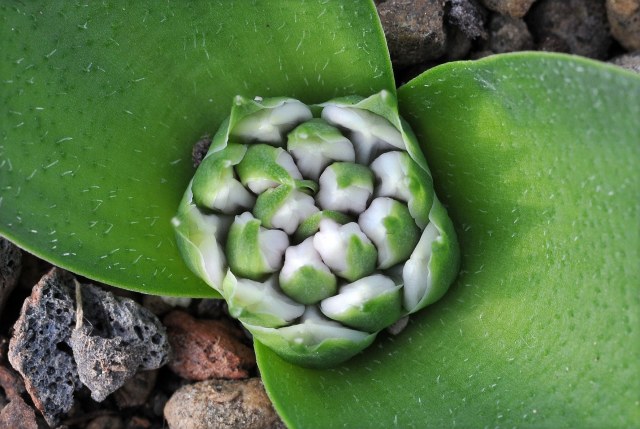
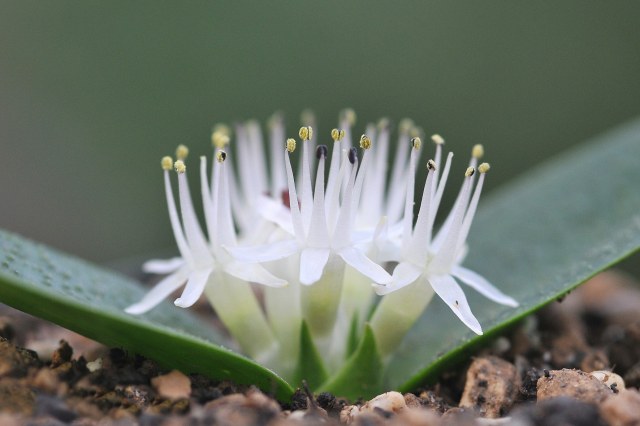
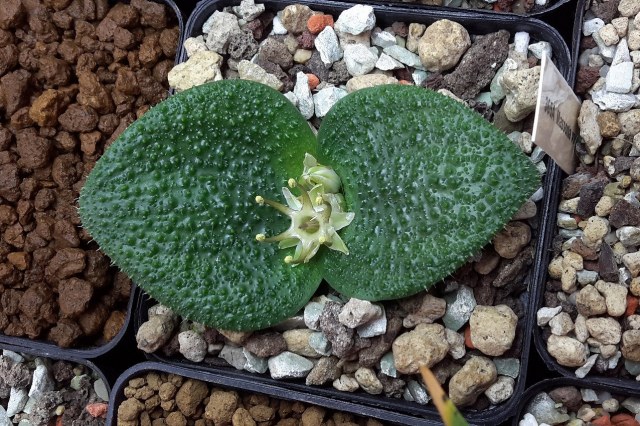
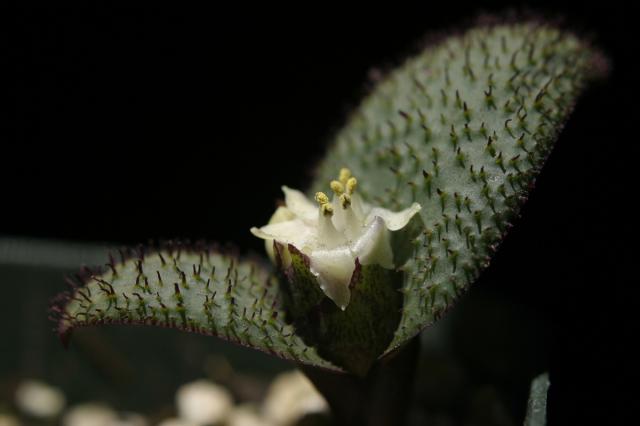
Massonia amoena Mart.-Azorín, M.Pinter & Wetschnig was described in 2014. Distribution is limited to several localities in the Eastern Cape in South Africa. Massonia amoena is closely related to M.jasminiflora but can be easily distinguished by the glaucous green leaves with many darker coloured emergences, the waxy flowers with strongly reflexed tepals and long flower tube. Height: 10 cm. Photos 1-4 are from plants in cultivation by Bert Zaalberg.
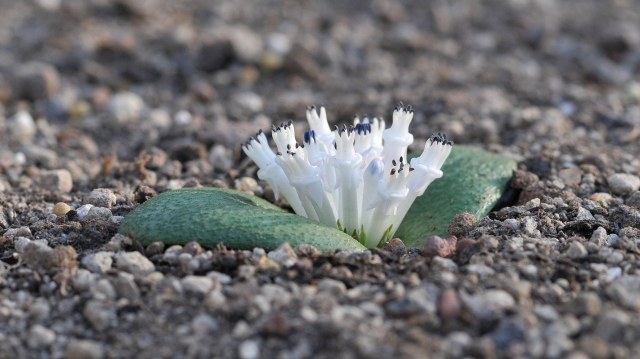
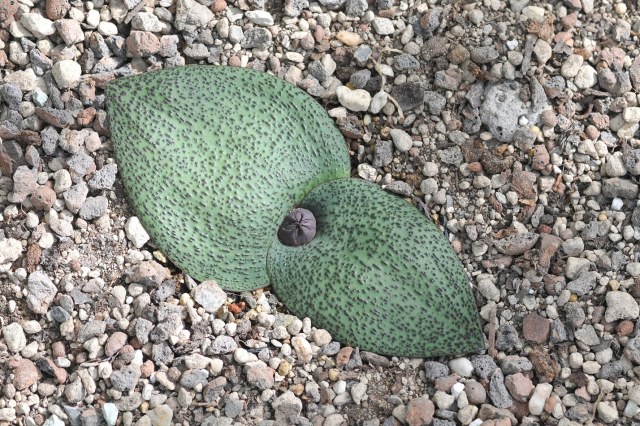
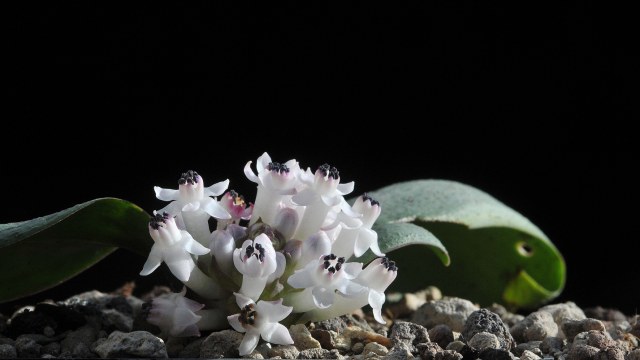
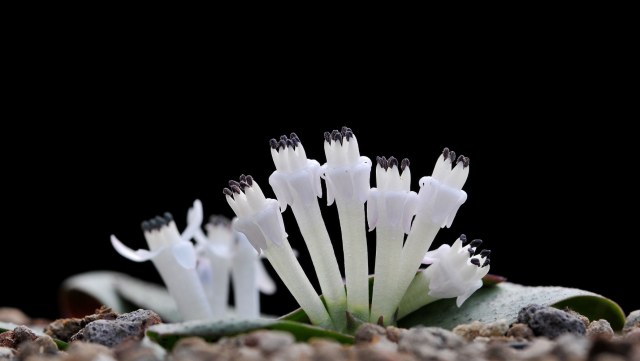
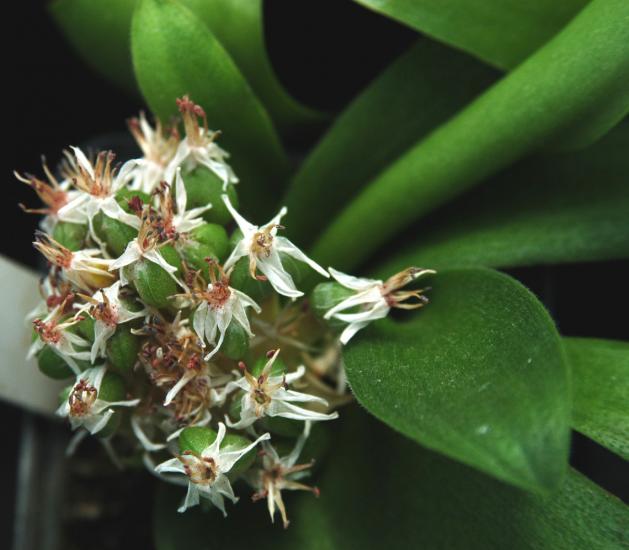
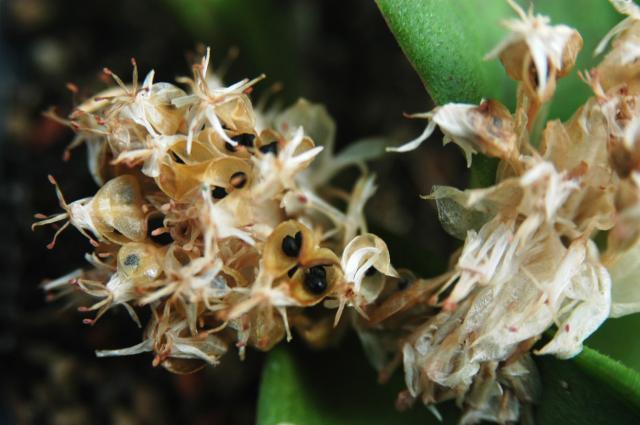
Photos below were taken by Cameron McMaster in habitat. The first two were taken at Motkop and the last one at Risingham, Cathcart.
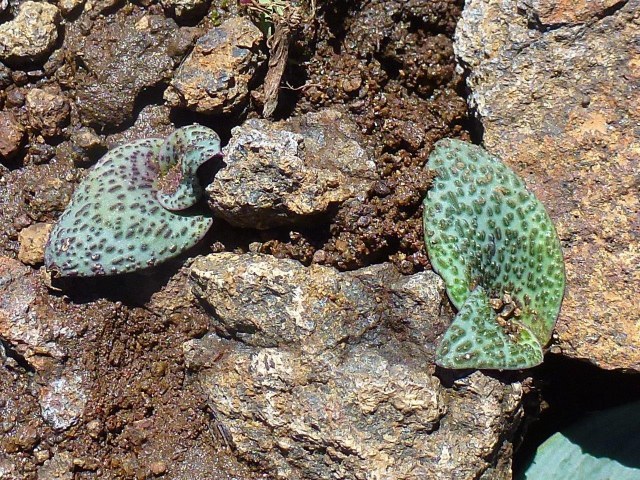

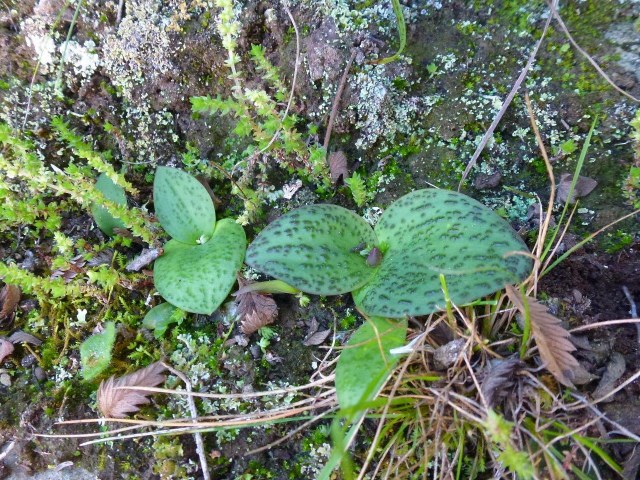
Massonia bakeriana M.Pinter, Mart.-Azorín & Wetschnig was described in 2015. It is found in the Kamiesberg and the Bokkeveld Plateau, where it grows between 700 and 1000 m of elevation, and also in the Jan Swartsberge and Slangberge where it grows between 1000 and 1300 m. It is related to Massonia pseudoechinata and Massonia mimetica, but there are certain differences in leaf and flower morphology details. M. bakeriana usually has a bend in the upper part of the style. The first 2 photos below are of plants in cultivation. First photo taken by Gottfried Milkuhn. The second photo is from Bert Zaalberg. The last 2 were taken by Rob Scott in habitat just North of Fraserburg.
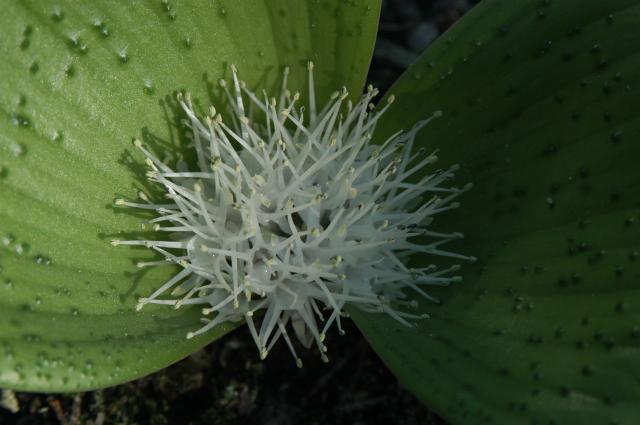
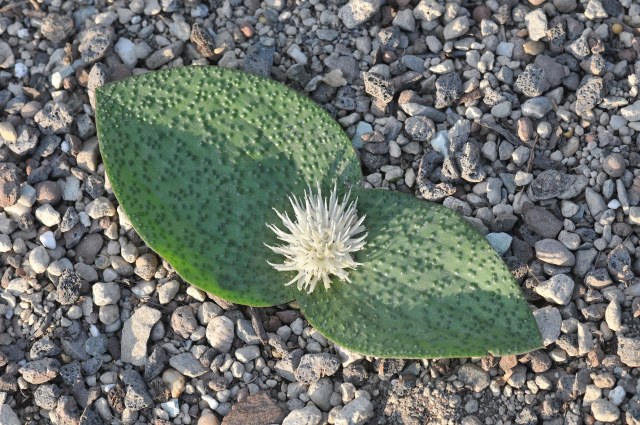
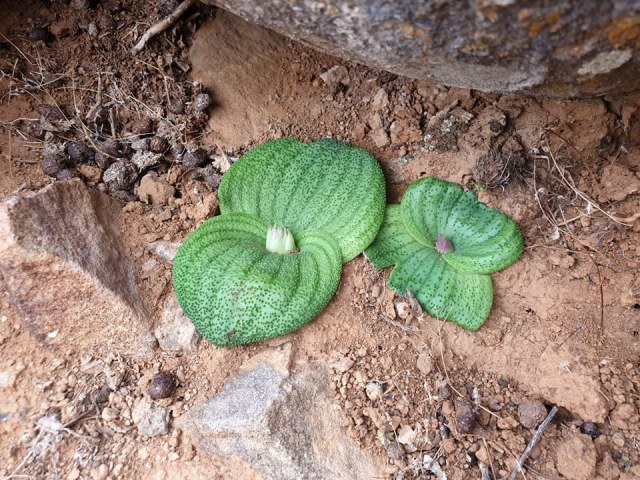
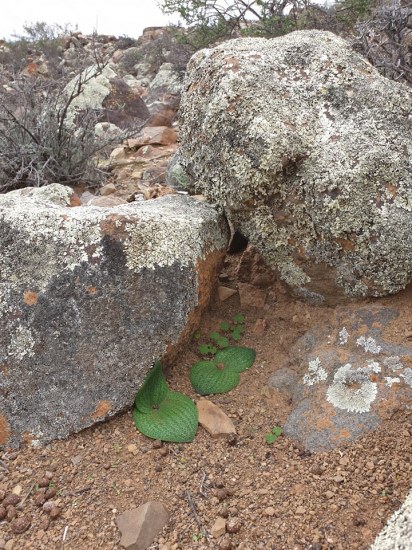
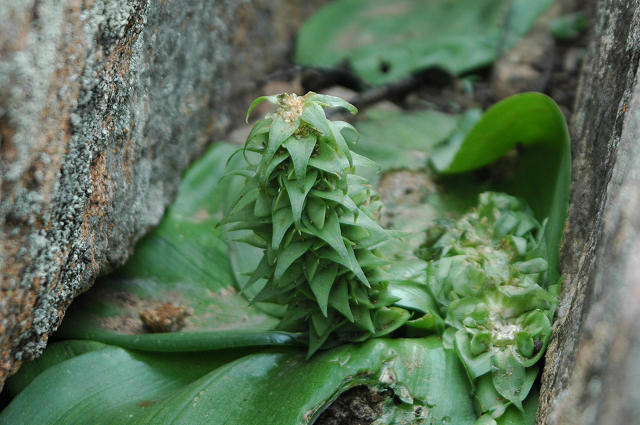
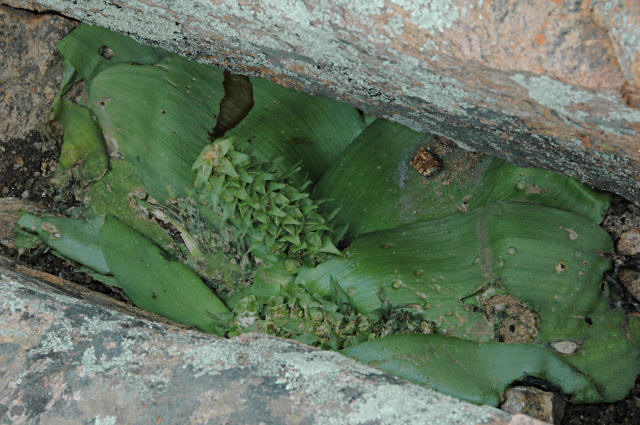
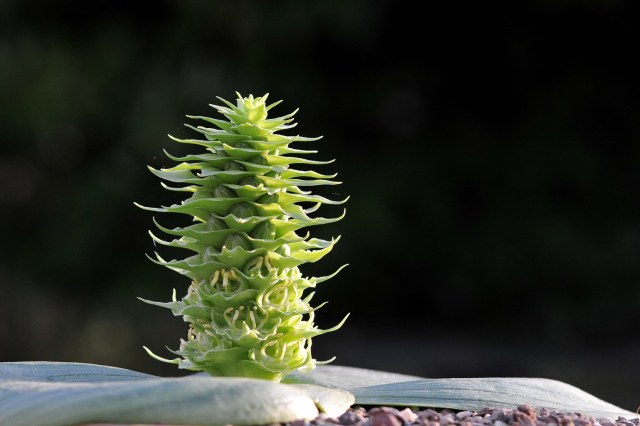
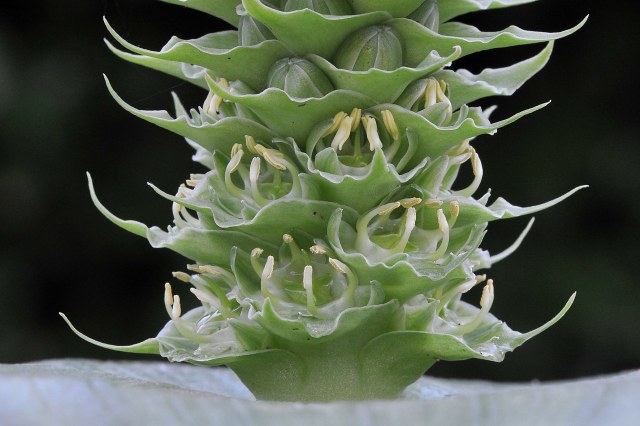
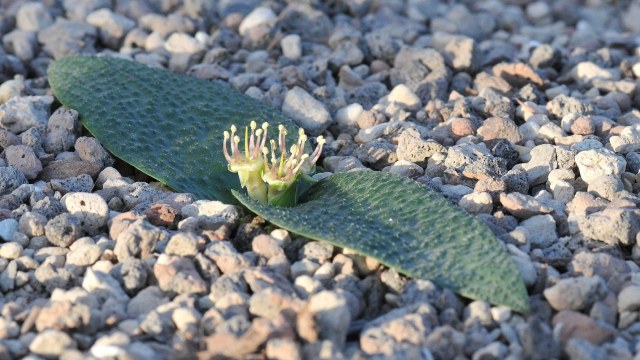
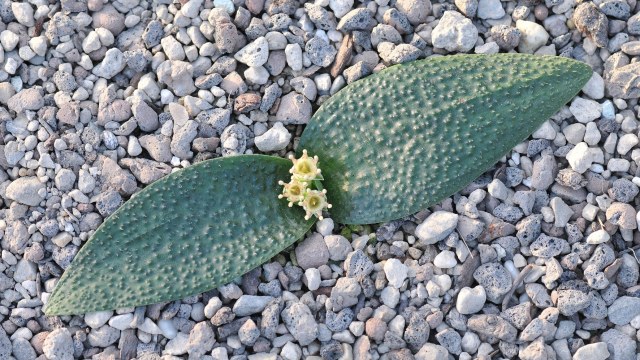
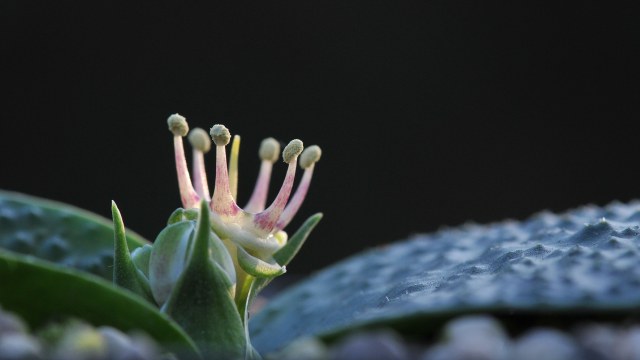
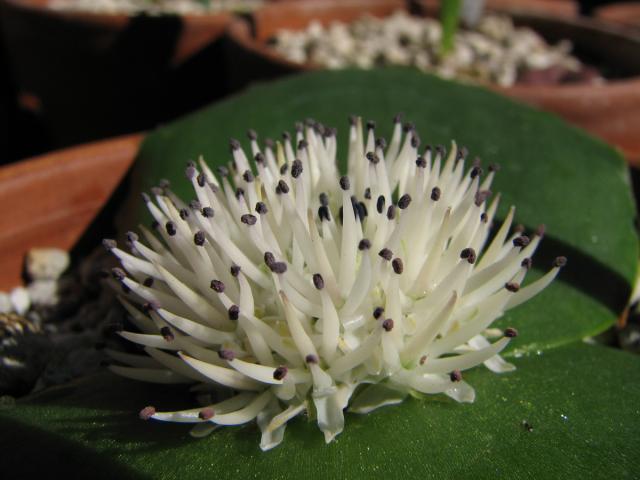
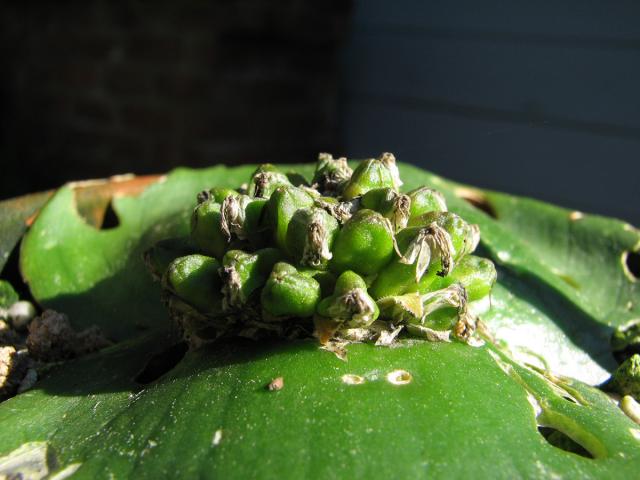
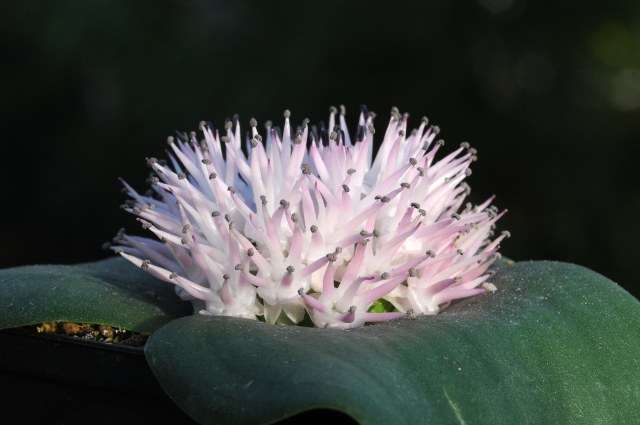
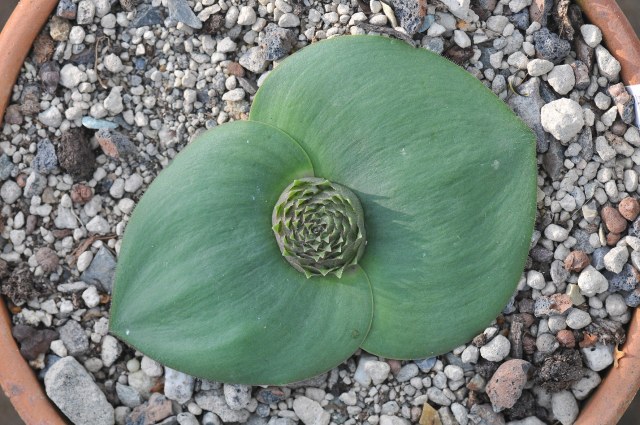
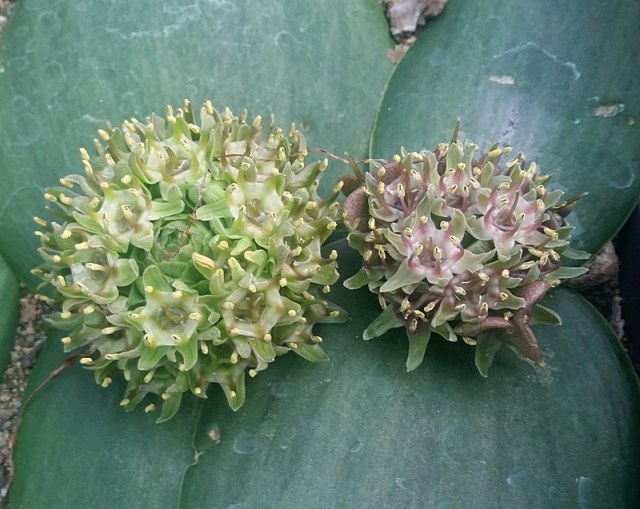
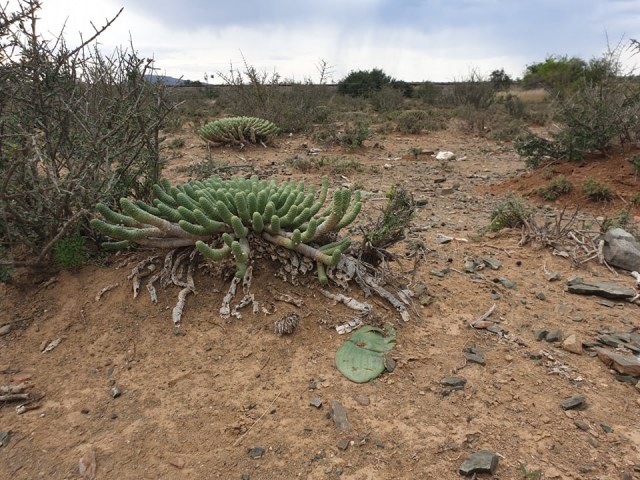
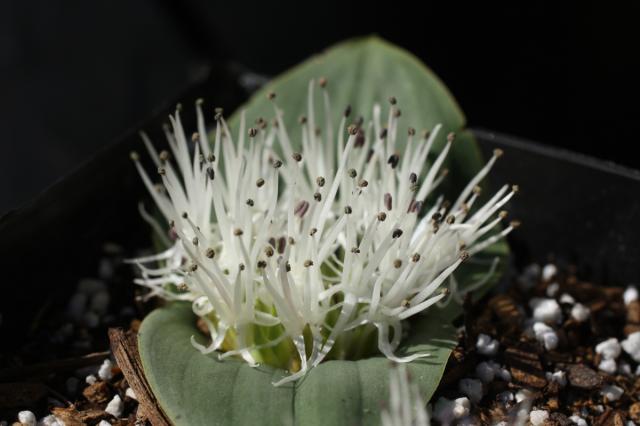
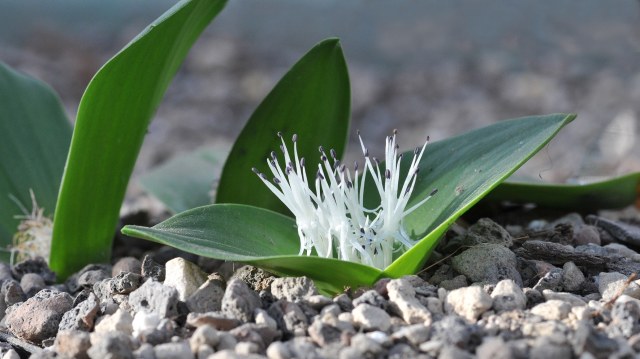
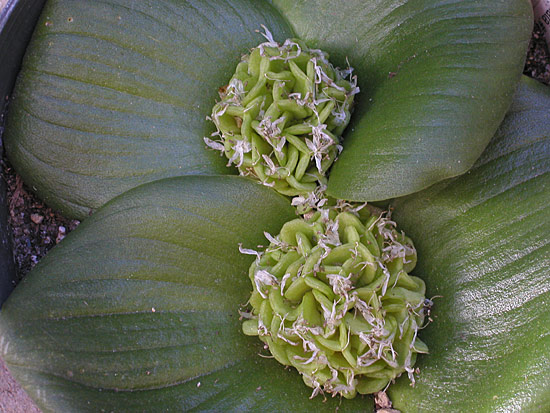
Massonia bifolia (Jacq.) J.C.Manning & Goldblatt (syn. Whiteheadia bifolia (Jacq.) Baker) was reclassified as Massonia based on convincing evidence by Manning, Goldblatt & Fay (2004). In an article published by Mario Martínez-Azorín, Michael Pinter, and Wolfgang Wetschnig in 2015 it was returned to Whiteheadia, but in The genus Massonia Thunb. ex Houtt. (Hyacinthaceae: Scilloideae) in the Core Cape Floristic Region by John Manning published in 2019, it is still included in Massonia and that is the official position of the SANBI (South African National Biodiversity Institute). It grows in arid winter-rainfall areas of southwestern Namibia and the Western Cape Province of South Africa. Growing 8-15 cm high, plants are tucked in under rocks to provide shade and bulb protection. Its cluster of green flowers with a topknot of bracts looks similar to Eucomis. Rodents are said to sip its nectar, and there are lots of rodent droppings to the left of the flower stalk in photo #2 below. Diane Whitehead wrote: "It doesn't arouse enthusiasm in flower writers, and I expected to like it only out of family loyalty, but when I saw it growing, I liked it for its robust self. It flowers in mid-winter in my unheated greenhouse in Victoria B.C., and produces copious seeds." Photos 1-2 were taken by Diane Whitehead in Namaqualand in early September 2006. Photos 3 were taken by Mary Sue Ittner and photo 4 by Bob Rutemoeller at the same time and place.
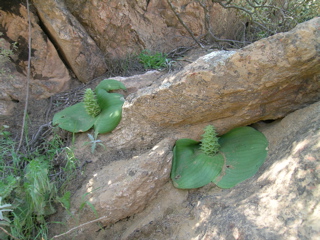
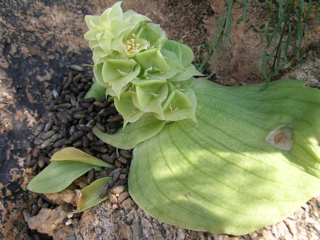
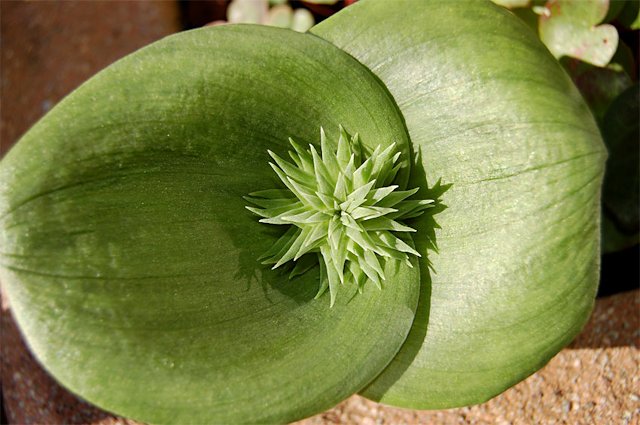
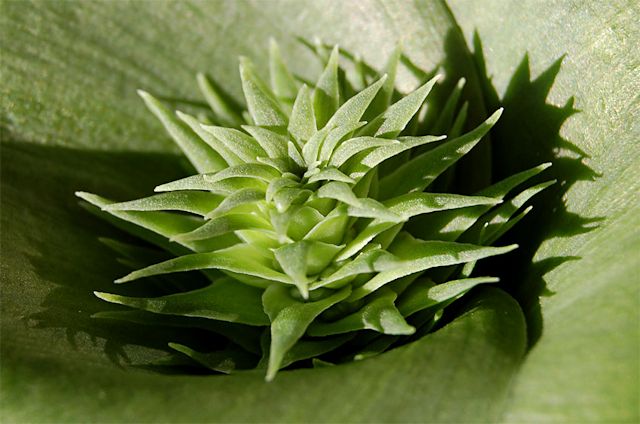
Photos 1-2 were taken by Hans Joschko. Photos 3-4 were taken by Bert Zaalberg.
Massonia calvata Baker is endemic to the Sneeuberg area, a portion of Southern Africa's Great Escarpment, most of which is in the Eastern Cape, South Africa. Photos below are from Bert Zaalberg of plants in cultivation, grown from seeds collected at the Valley of Desolation, Graaff-Reinet.


Massonia citrina M.Pinter, Deutsch, U.Müll-Doblies & D. Müll-Doblies was described in June 2013. It is known only from a small area of the Rooihoogte Pass, Western Cape. The general morphology puts it into the M. depressa group, but the lemon-yellow flowers set it apart from the other species. Height range: 2-15 cm. Photo 1 was taken by Prof. Wolfgang Wetschnig of a plant in habitat. Photos 2-4 were taken by Gottfried Milkuhn of plants in cultivation. Photos 5-6 are from Bert Zaalberg.
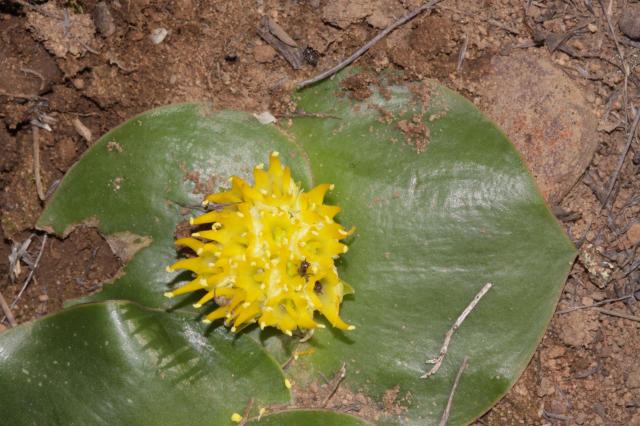
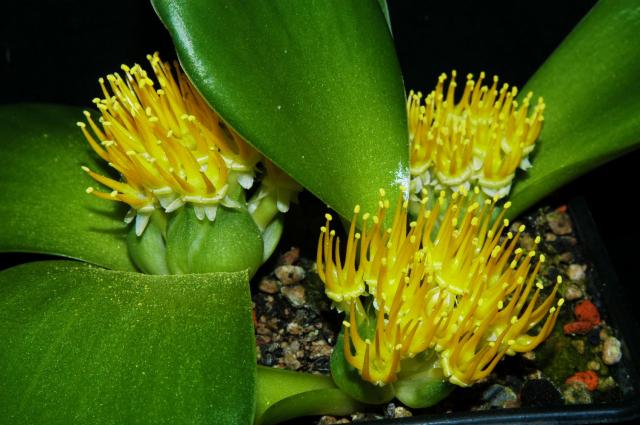
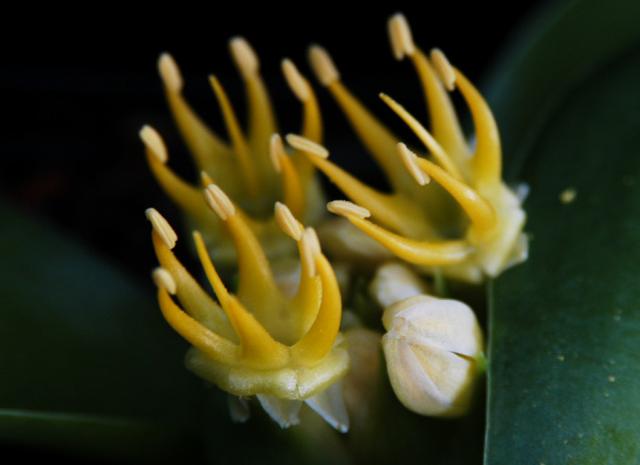
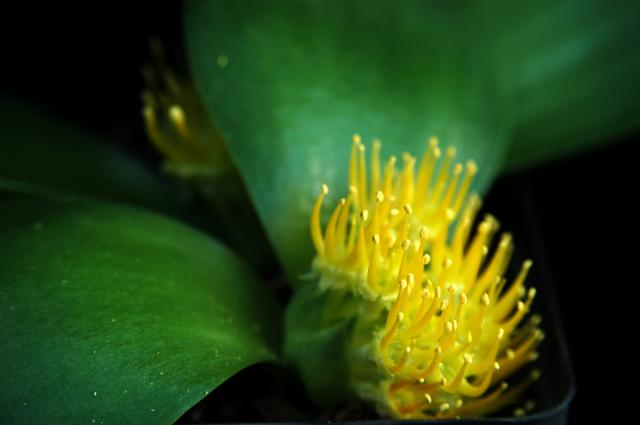
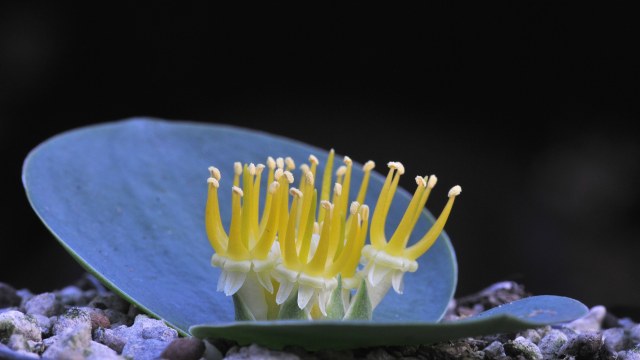
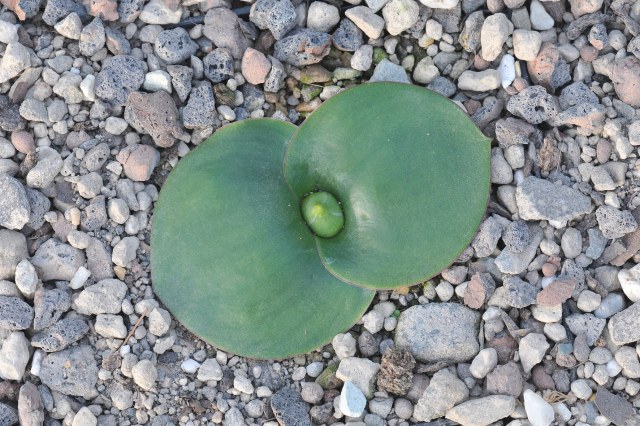
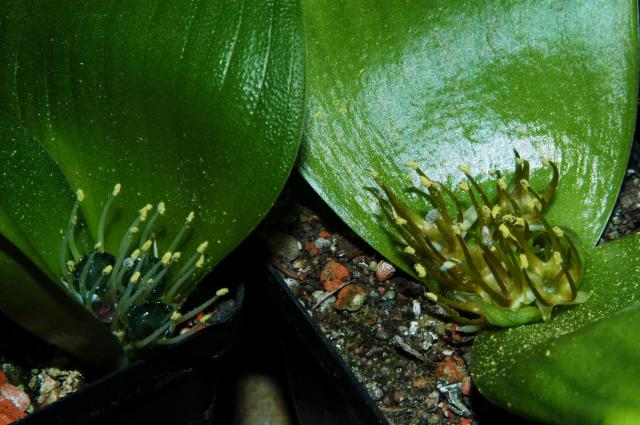
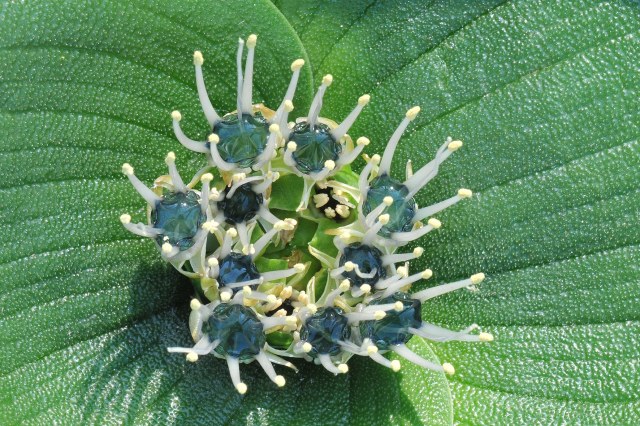
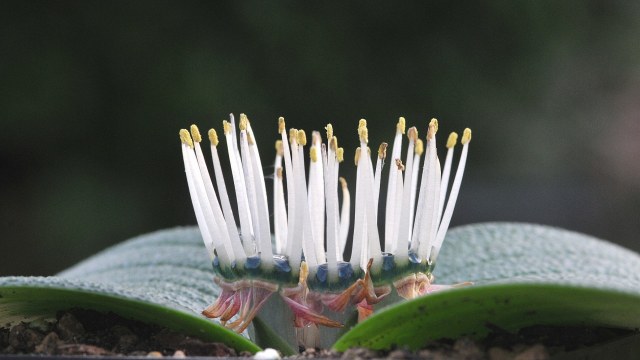
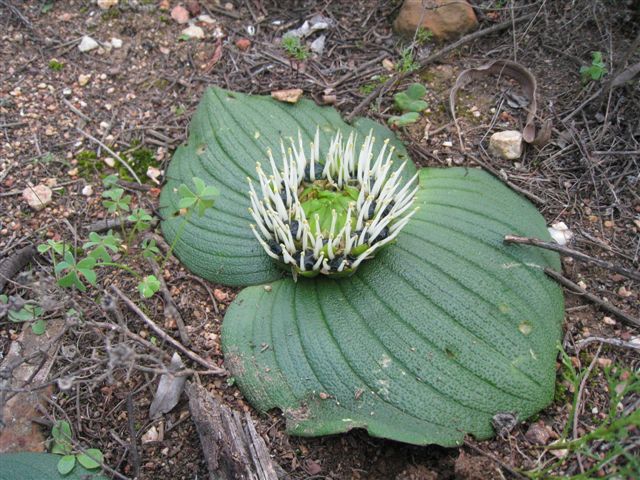
Massonia depressa Houtt. is native to the dry areas of the Cape Province and Namaqualand to the Orange Free State. This species is pollinated by rodents including gerbils. The flowers are low to the ground, dull colored, with a yeasty odor and sucrose-dominant jelly-like nectar that is easy for the rodents to lap. Anthers on this species are more than 2 mm long, longer than on other species in the Cape. Plant height: to 5 cm. A recent paper by Wolfgang Wetschnig et al. STAPFIA 97 (2012): 210–221 proposes relocating some forms of this species to Massonia pustulata but botanists in South Africa who have observed this species in the wild note there is great variation in this species and the paper does not present enough specimens to make this conclusion. We are leaving the names of those plants the names that the photographers used until this is settled. Height range: to about 10 cm. Photos 1-3 taken by Mary Sue Ittner show this species blooming for the first time from seed in a pot that probably should be bigger. Photo 2 is a close-up of the flowers and the last shows the nectar. Photos 4-6 are from Bert Zaalberg.
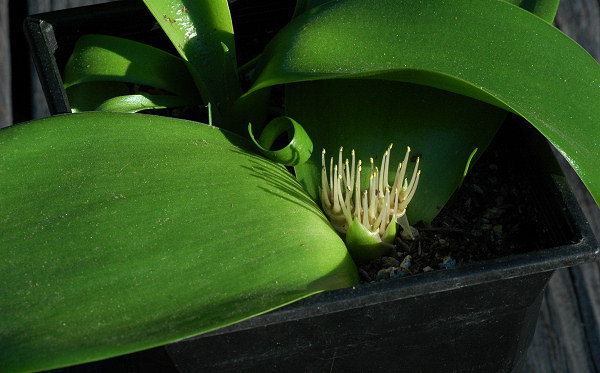
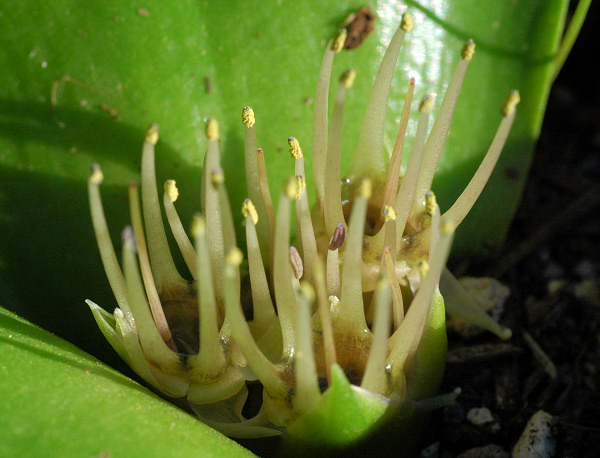
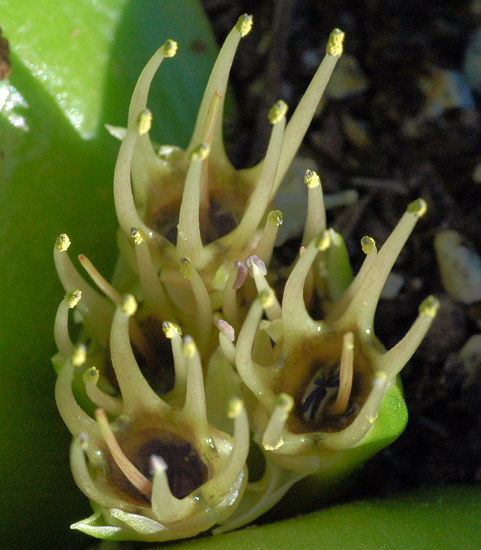

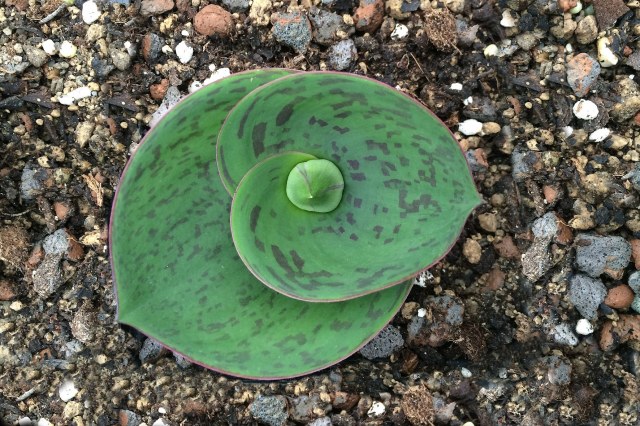
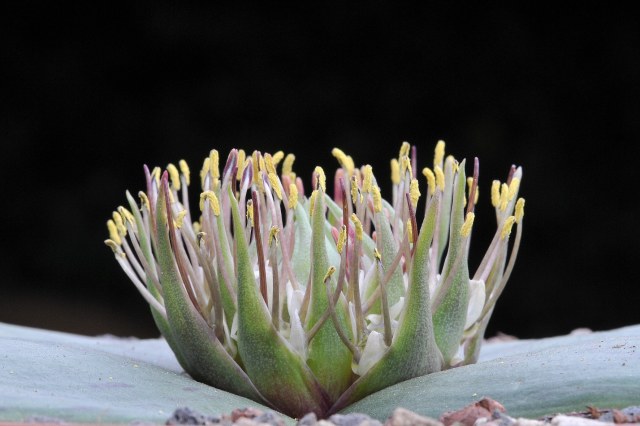
The first three photos below were taken in habitat by Alan Horstmann. The last two photos from the book Plants of the Klein Karoo courtesy of Jan and Anne Lise Schutte-Vlok.
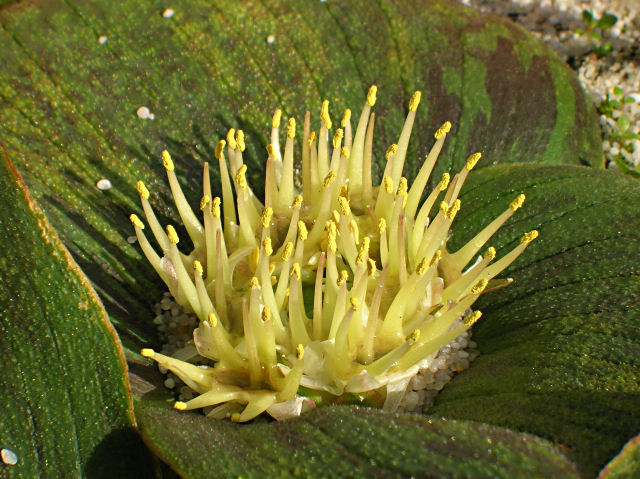
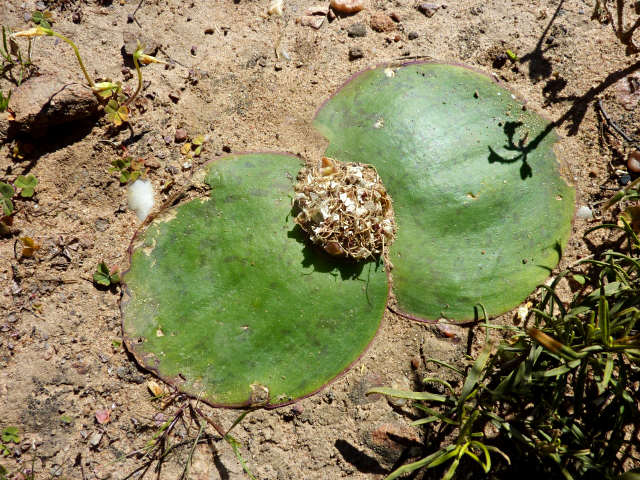
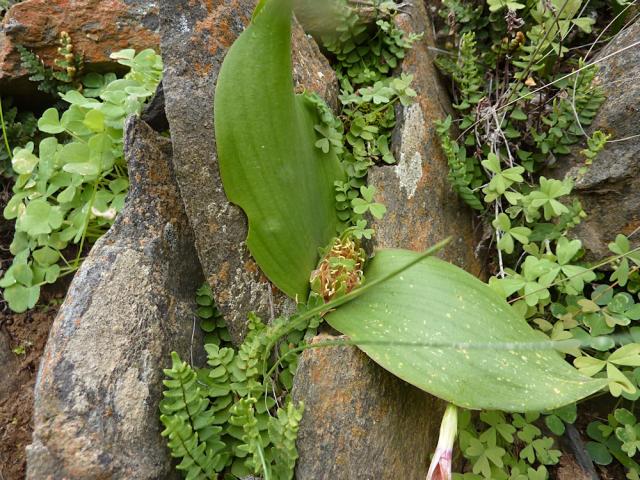

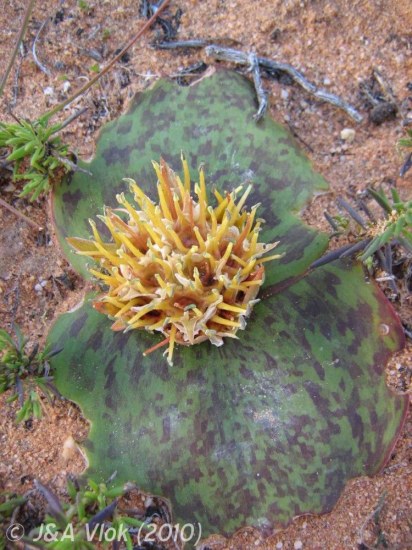
The photos below show two different forms with darker centers than above. Photos 1-2 were taken by Uluwehi Knecht and photo 3 was taken by Nhu Nguyen.
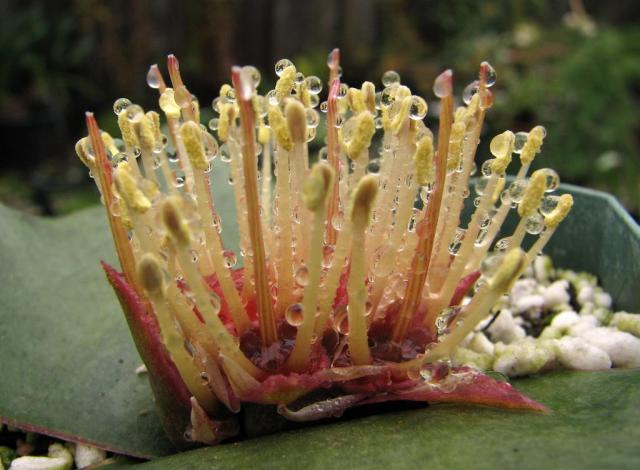
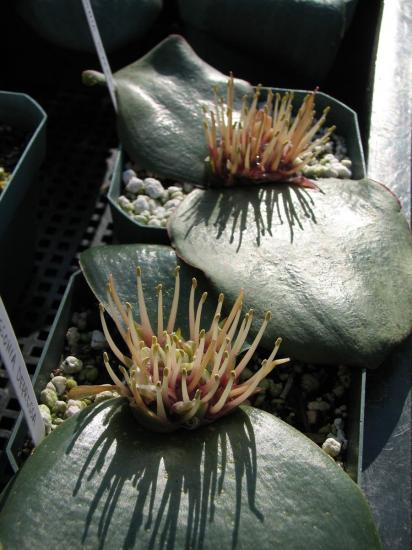
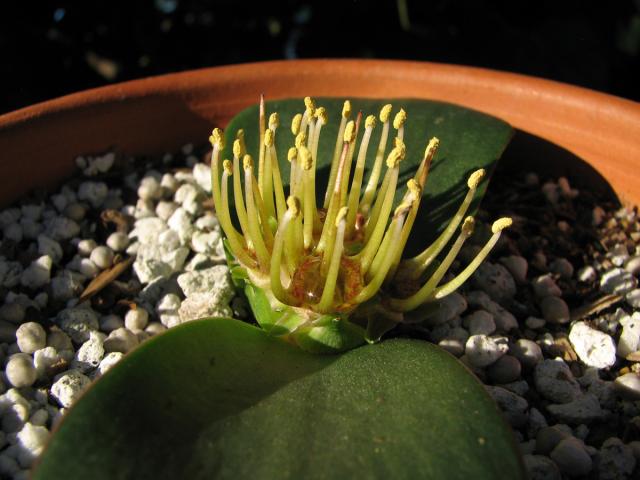
The photo below is of a form from Uniondale with incredible red flowers. Photo by Gottfried Milkuhn.
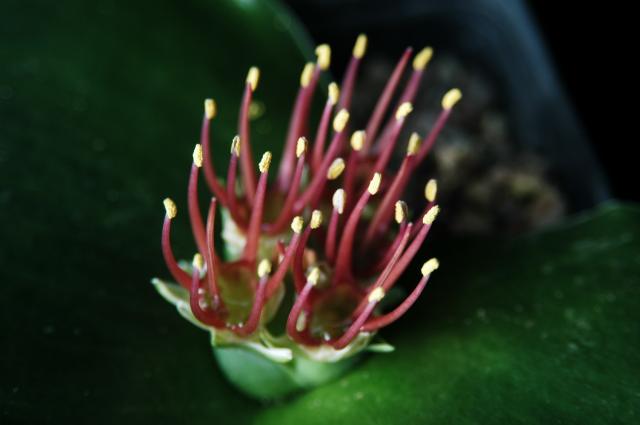

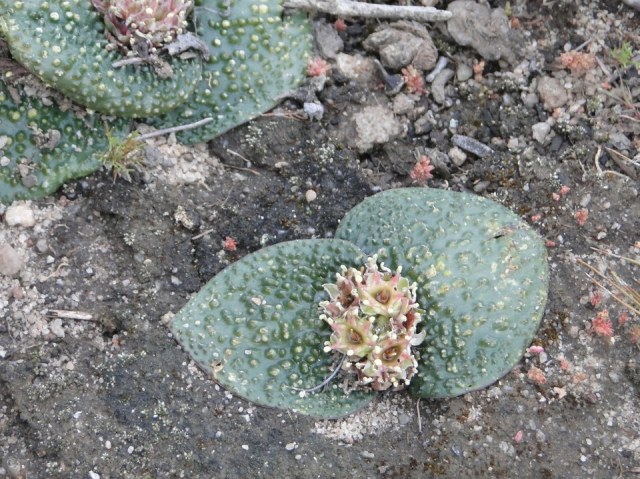
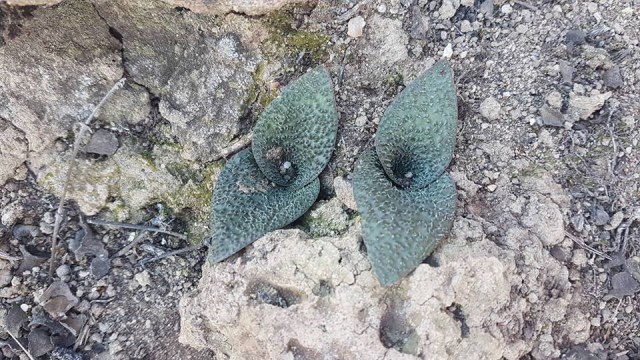
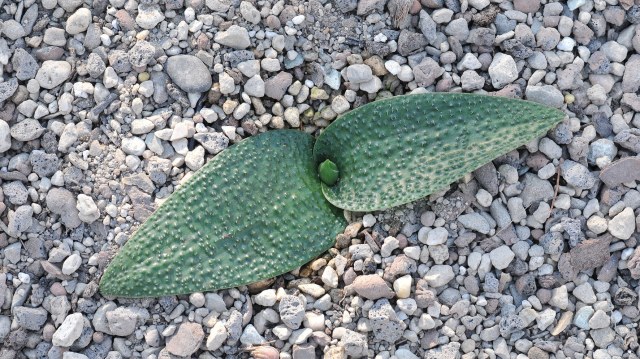
Massonia echinata Linnaeus fil 1782 is confined to Oorlogskloof and its surroundings on the Bokkeveld Plateau near Nieuwoudtville. Until recently, the name echinata had been erroneously used for many plants which were in fact M. hirsuta, M. setulosa, M. pseudoechinata or others. Massonia echinata looks rather different with its relatively small leaves covered with pustules and flowers like Massonia depressa. It is closely related to Massonia latebrosa. Height to 5 cm. First two photos below were taken in habitat in Oorlogskloof by Rob Scott.
The photos below of plants in cultivation were taken by Bert Zaalberg.

Massonia hirsuta Link & Otto is an eastern Cape species. This species can be best identified by the bud since it has recurved bracts with ciliate margins. Forms from around Port Elizabeth can have pubescent leaves. The flowers are strongly scented. Height range: to about 10 cm. Photos 1-4 were taken by Nhu Nguyen of plants grown under this name. Photo 1 shows the ciliate margins of the bracts. Photo 5 shows plants grown by Richard Sullivan under this name.
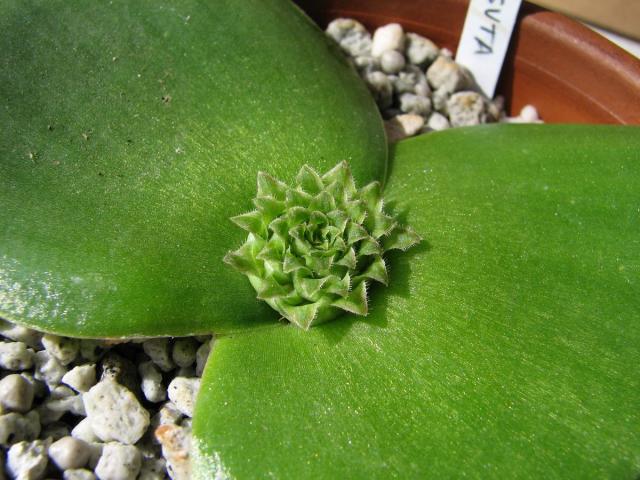


The photos below are from Bert Zaalberg of plants in cultivation. The first two are from around Stutterheim, the last 3 are the pubescent form from around Port Elizabeth.
Massonia inaequalis Mart.-Azorín, M.B.Crespo, M.Pinter, M.A.Alonso & Wetschnig was described in 2018. This species has a limited distribution area in the immediate surroundings of Elands Bay in the Western Cape. The name inaequalis refers to the unequal length of the inner and outer filaments. It is a dwarf species characterized by tepals that are held permanently erect, enclosing the stamens. Height: to about 10 cm. Photos 1-2 were taken by Bert Zaalberg of plants in cultivation, showing the floral characteristics of this species. They were grown from seed offered by Cameron McMaster under the name Massonia pygmaea 'Elands Bay' for a couple of years. Photo 3 is of the parent plants from Cameron McMaster. Photo 4 is from Rob Scott of plants taken in habitat at Elands Bay.
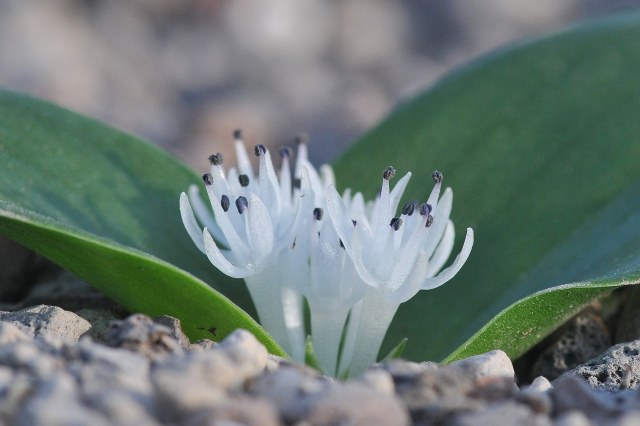
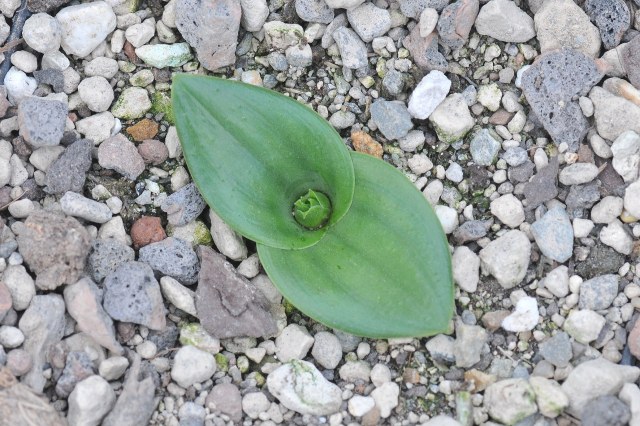
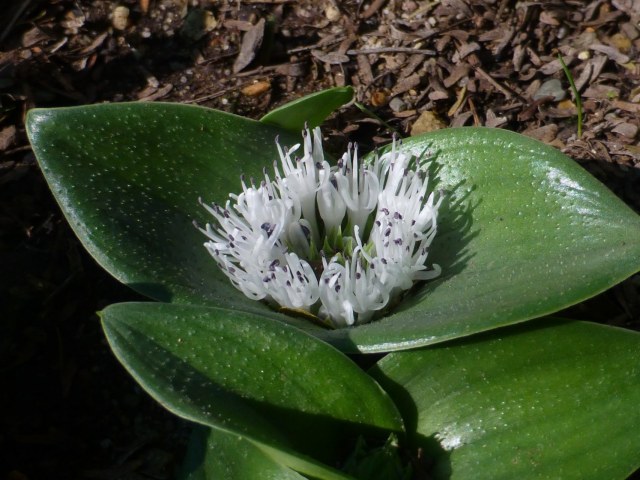
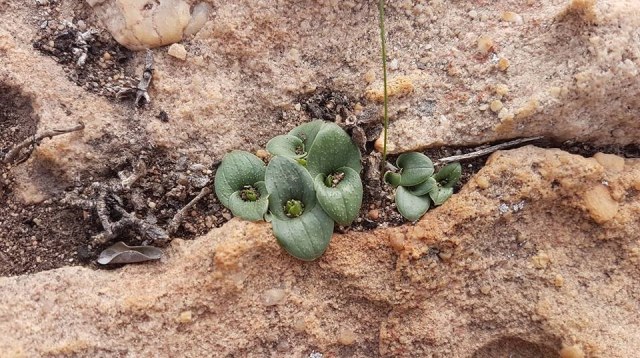
Massonia jasminiflora Burch. ex Baker is confined to the inland areas of eastern South Africa and western Lesotho. The leaves are smooth, the flowers are white, often strongly scented like jasmine. Tepals are spreading and filaments short and connate at their base, forming a tube. Although this species occurs in a summer-rainfall area, it grows and flowers in winter in cultivation. Height: to about 15 cm. Photos 1-4 were taken by Bert Zaalberg from plants in cultivation.

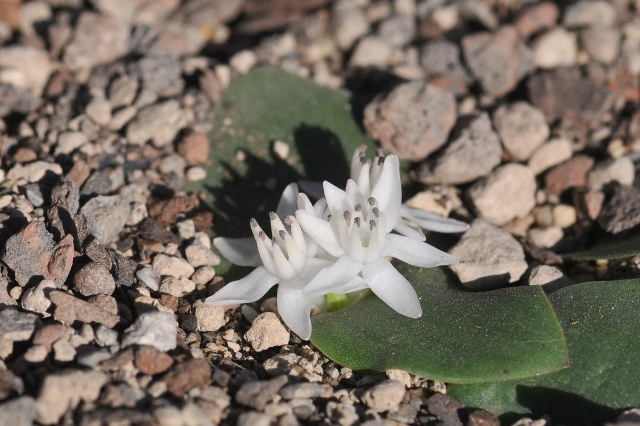
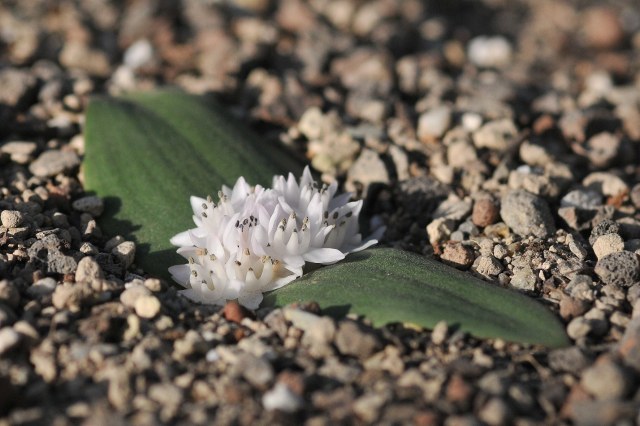
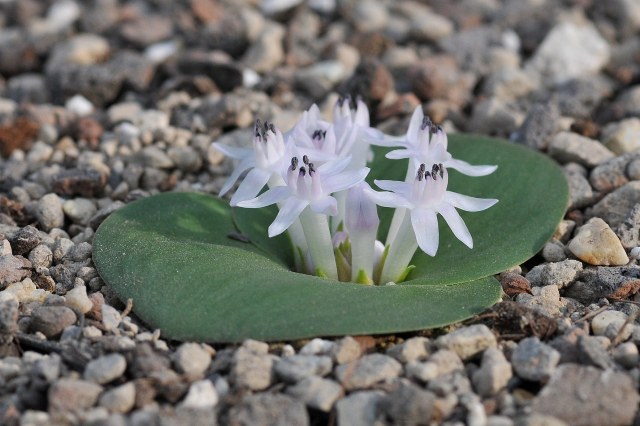
Massonia latebrosa Masson ex Baker is known from Karoopoort and since 2019 also from Konstabel railway station, 70 km more east. The species relates to M. echinata from Oorlogskloof but can be distinguished by the purple streaked leaves bearing typical inflated trichomes like little balloons. M. depressa shows similar flower morphology to M. echinata and M. latebrosa, but M. depressa differs by the smooth leaves and the larger flowers. Height: to about 5 cm. Photos 1-2 are from plants in cultivation taken by Hans Joschko. Photo 1 shows the typical inflated trichomes. Photo 3 was taken by Rob Scott in habitat at Karoopoort. Photos 4-5 were taken by Matt Fischel from plants found at Konstabel Station.
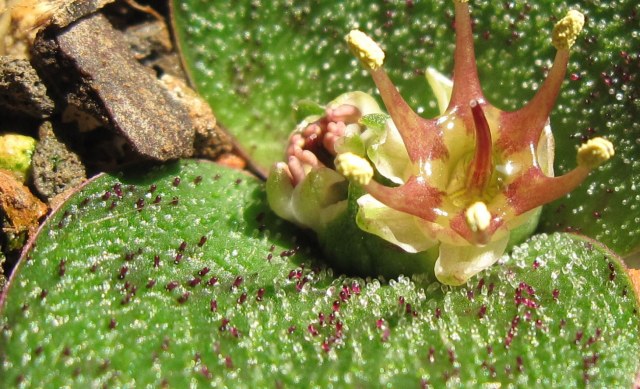
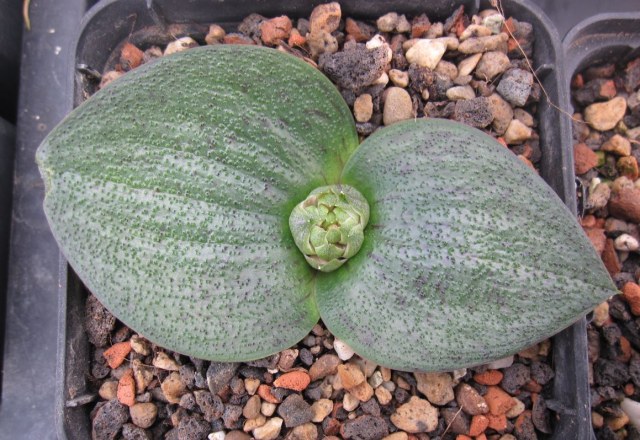
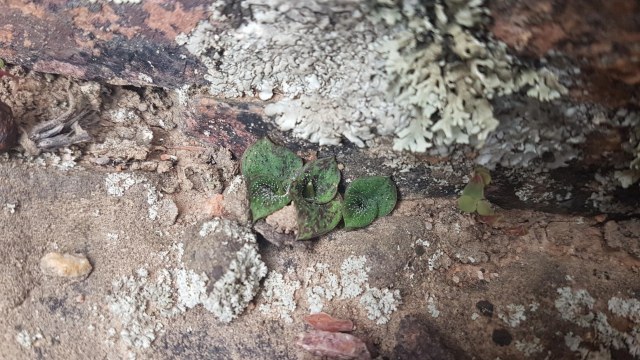
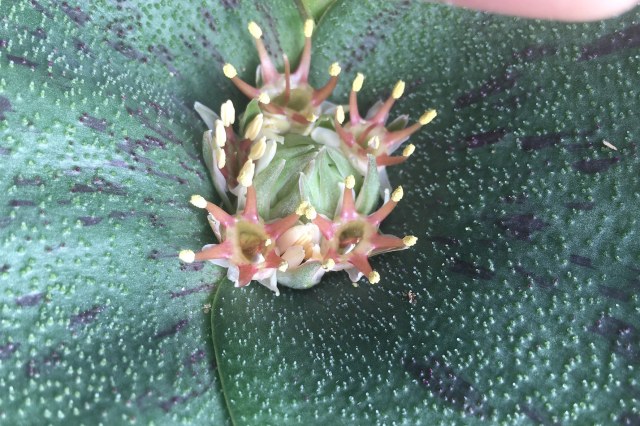
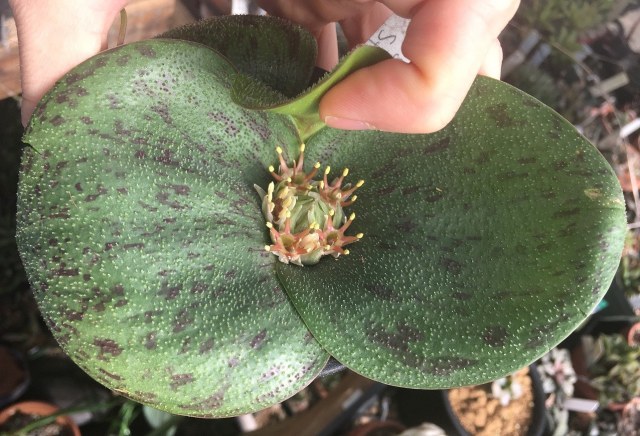
Massonia longipes Baker is a species with pustulate leaves and a coastal distribution. Certain forms can have maroonish streaks or mosaic on a green background to almost completely purple. The flowers are cream to pink and the stamens are 16-24 mm long, with a pink base of the stamens and opening of the floral tube. Density and size of pustules is more heterogenous compared to Massonia pustulata. This species has been grown under the name Massonia pustulata until 2012. See the information under that species to learn how the two species are different. Height: to about 14 cm. Photos 1-4 by Mary Sue Ittner. Photo 1 shows a plant with pustulate leaves and flowers as they first open and then develop. Photos 2-4 show plants in subsequent years and photo 4 shows pollination by a hover fly. Photo 5 by Nhu Nguyen shows a form with completely purple leaves.
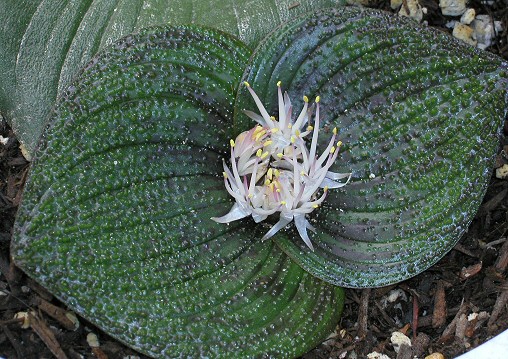
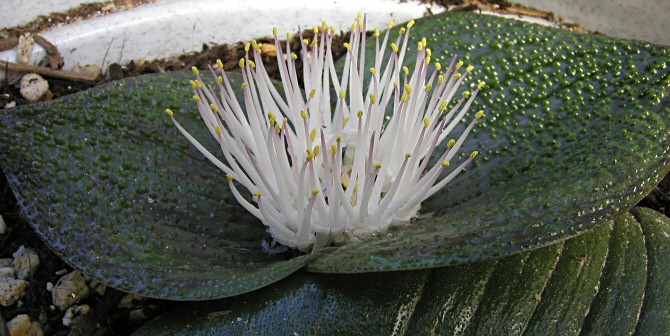
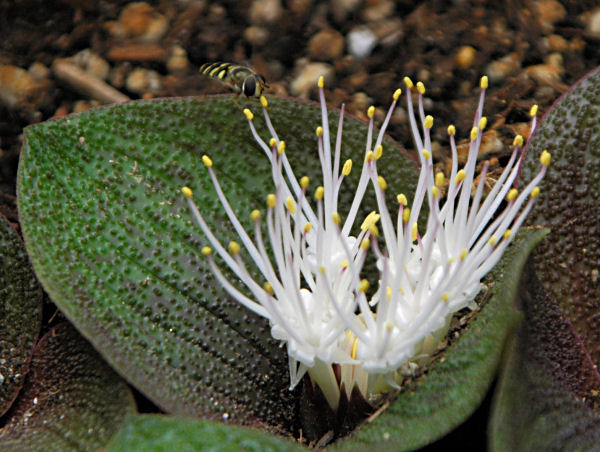
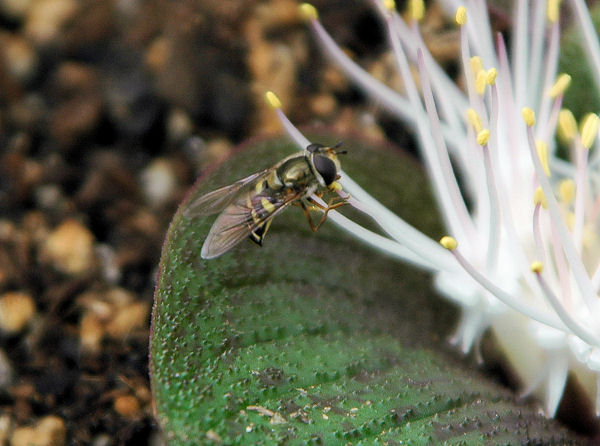
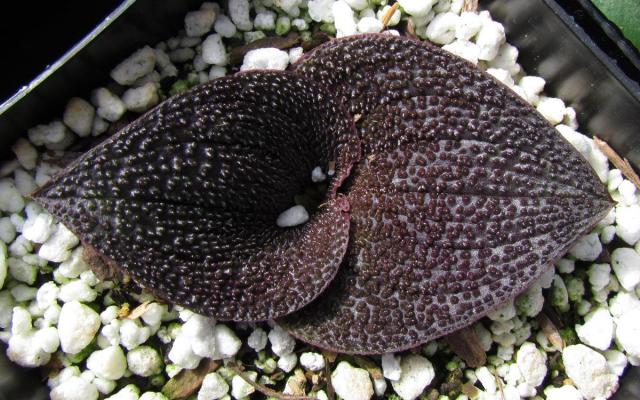
The photos below by Nhu Nguyen show various forms of this species.


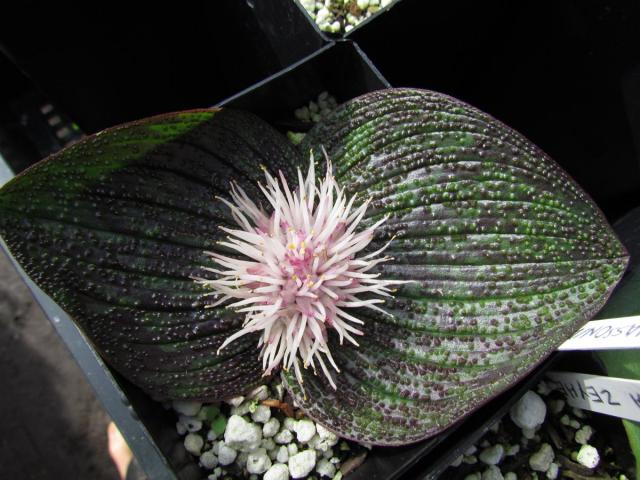
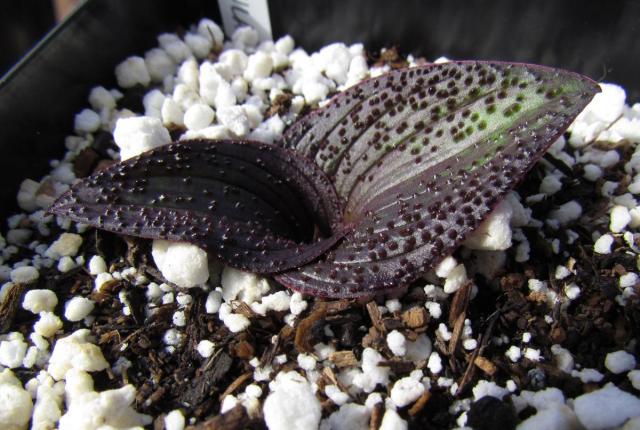
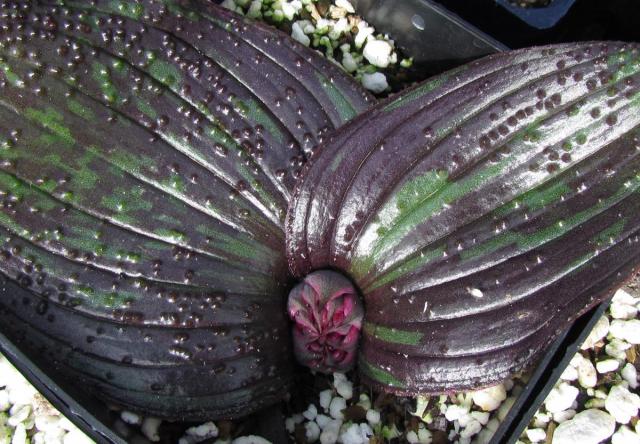

The first 2 photos below were taken by Cameron McMaster near Agulhas and Arniston. The next two were taken by Bert Zaalberg of plants in cultivation. The last photo is from Richard Sullivan of plants in cultivation
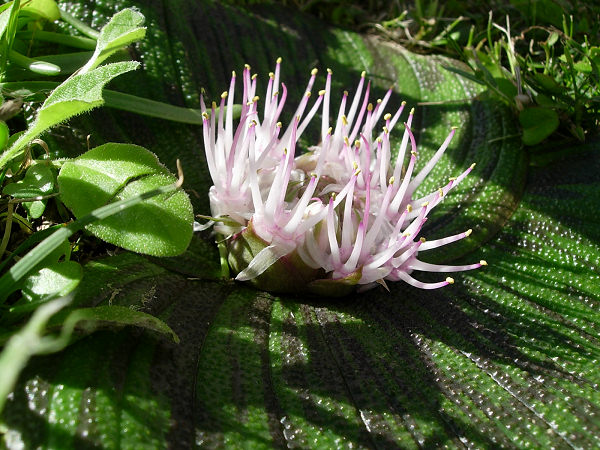


Massonia mimetica Mart.-Azorín, M.B.Crespo, M.Pinter & Wetschnig was described in 2013. This species is found in the Northern Cape inland to the Kamiesberg in 2 locations, and another location 400 km further south east between Fraserburg and Loxton, close to the Western Cape Province. The cinnamon-coloured leaves with pustules are typical for the species in habitat, however the color often disappears in cultivation, probably due to lack of light. Flowers are quite colorful with cream-white to pale yellow filaments with a reddish base and pale orange or rarely purplish-bluish anthers. Height: to about 15 cm. Photos 1-2 were taken by Alan Horstmann from plants in cultivation. Photo 3-5 were taken by Rob Scott around Loxton.


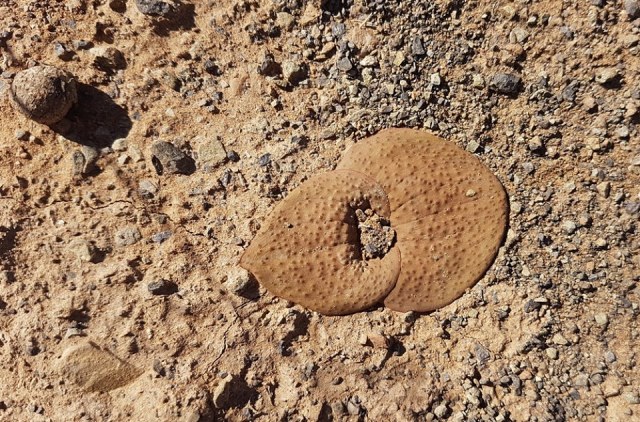
Massonia obermeyerae Mart.-Azorín, A.P.Dold, M.Pinter & Wetschnig was described in 2015. The distribution of M. obermeyerae is centered in the Eastern Cape province, with disjunct populations in the Western Cape near Calitzdorp and Hermanus and a further disjunct population near Kimberley in the Northern Cape. Different botanists see this species as the bridge-species between the genera Massonia and Whiteheadia. It has rather fragile succulent leaves and distinct flowers with strongly incurved thick filaments. Height: to about 5 cm. Photos below are from Rob Scott. Photo 1 is of a plant from Willowmore. Photo 2 is taken in habitat North of Klipplaat.
Massonia pseudoechinata Mart.-Azorín, M.Pinter & Wetschnig was described in 2015. The name pseudoechinata refers to the general confusion and misapplication of the name Massonia echinata to this species within the last decades by most authorities. Its current known distribution is limited to the surroundings of Nieuwoudtville and Vanrhyns Pass. It has slightly pustulate leaves and strongly inrolled tepals. Photos 1-3 are from plants in cultivation by Bert Zaalberg. Photo 4 is taken by Rob Scott in habitat at Nieuwoudtville.
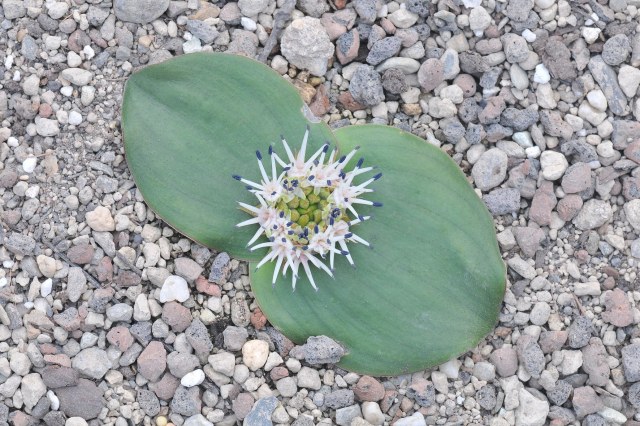
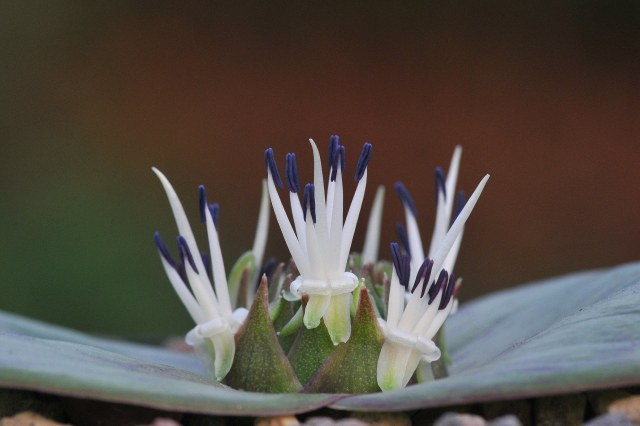
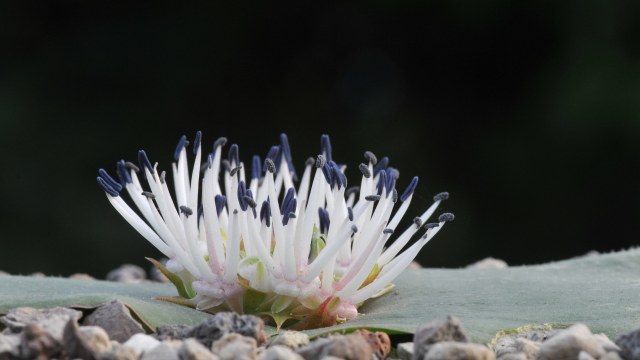
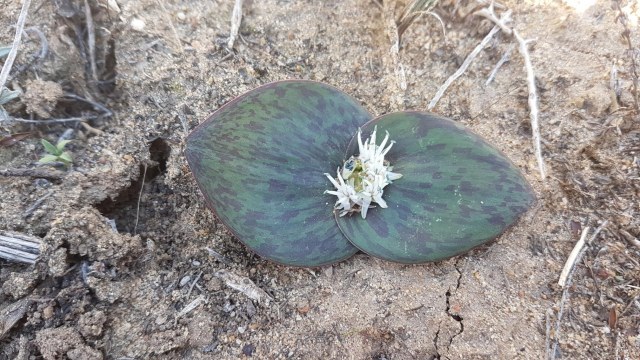
Massonia pustulata Jacq. was first described by Nikolaus Joseph von Jaquin in 1791 and illustrated in his 1804 work Plantarum rariorum horti caesarei Schoenbrunnensis descriptiones et icones. This species based on Jacquin has pustulate leaves and a greenish base of the stamens and opening of the floral tube (similar to the Napier form). Height: to 5 cm. A recent paper by Wolfgang Wetschnig et al. STAPFIA 97 (2012): 210–221 suggests various recent authors called plants Massonia pustulata in error as they were not the plants Jacquin meant. They were describing plants that more closely resembled the type species of Massonia longipes Leighton with a pink base of the stamens and opening of the floral tube. Compared to Massonia longipes which has a coastal distribution, Massonia pustulata grows more inland. The fantastic blue nectar drops are typical for Massonia pustulata. Density and size of pustules is more homogenous compared to Massonia longipes. Photos 1-2 were taken by Gottfried Milkuhn. Photo 2 shows M. pustulata (left) and M. depressa (right) next to each other. Photos 3-5 were taken by Bert Zaalberg.
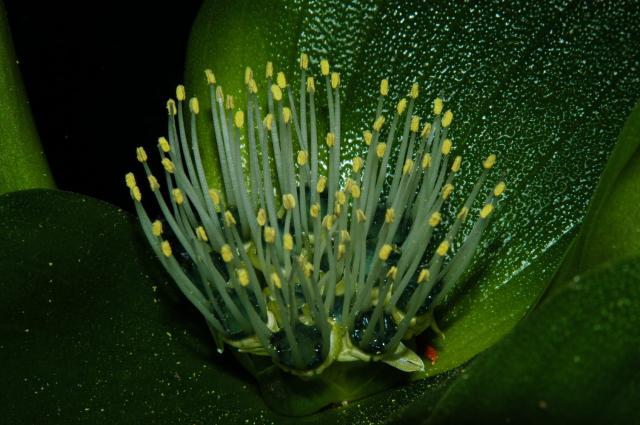

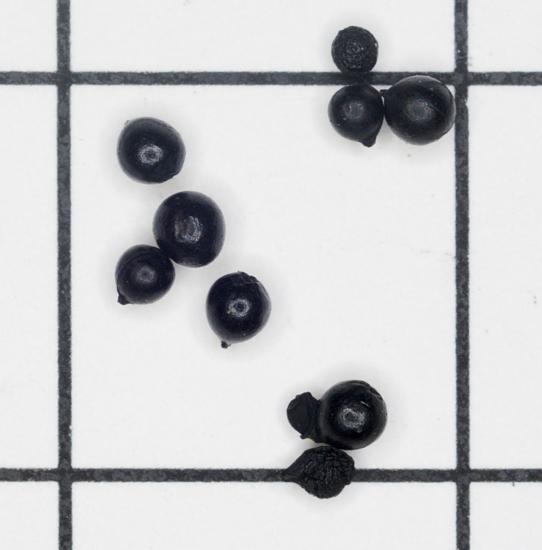
The first two photos below from Cameron McMaster. The last two photos by David Pilling show the seeds on a 10 mm grid and a germinating seed on a 1 mm grid.


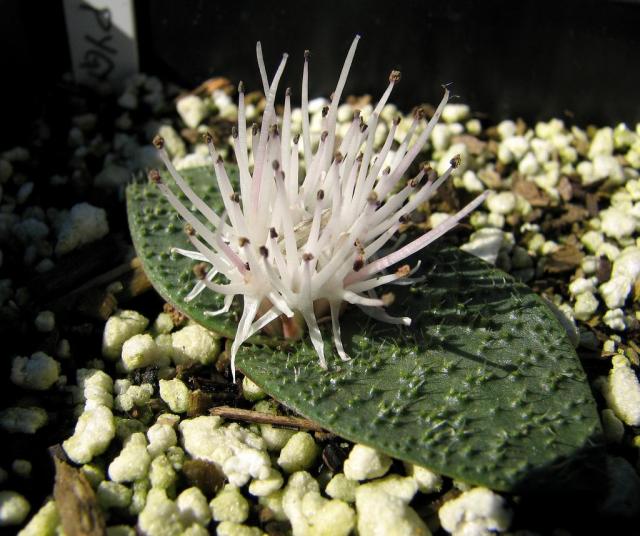
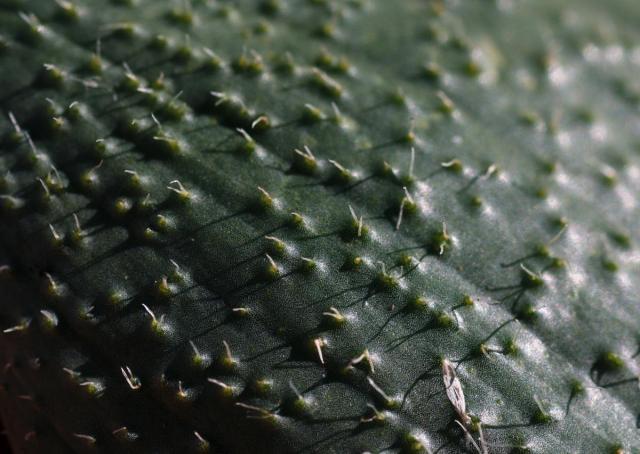
Massonia pygmaea Schltdl. ex Kunth, syns. Neobakeria heterandra Isaac, Massonia heterandra (Isaac) Jessop), is a very dainty little miniature Massonia with short tufts of white flowers between prostrate leaves that usually only up to 30 mm long. Plant height: to 5 cm. There are two subspecies. Best grown in pots, in sandy free draining potting mixture, in full sun. Dry off completely during summer dormancy.
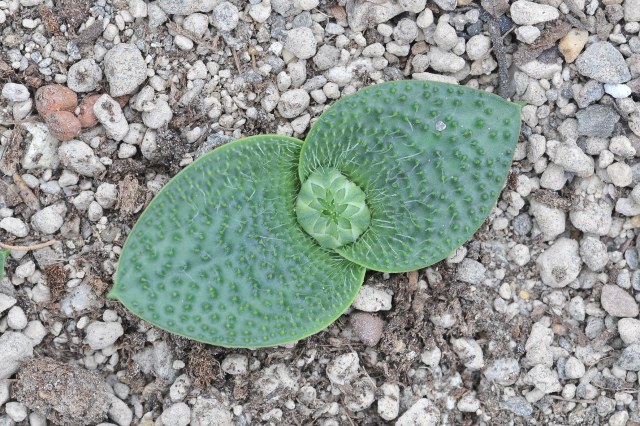
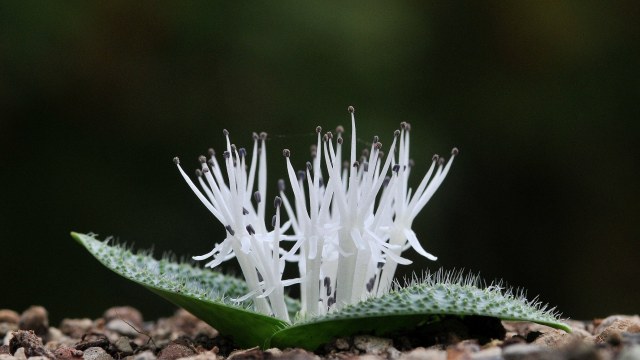
Massonia pygmaea spp. pygmaea has pustulate or papilate leaves. Photo 1 by Bill Dijk and photos 2-3 by Uluwehi Knecht. Photo 4-5 by Bert Zaalberg.
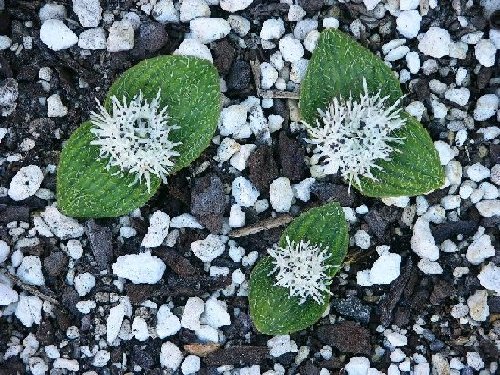
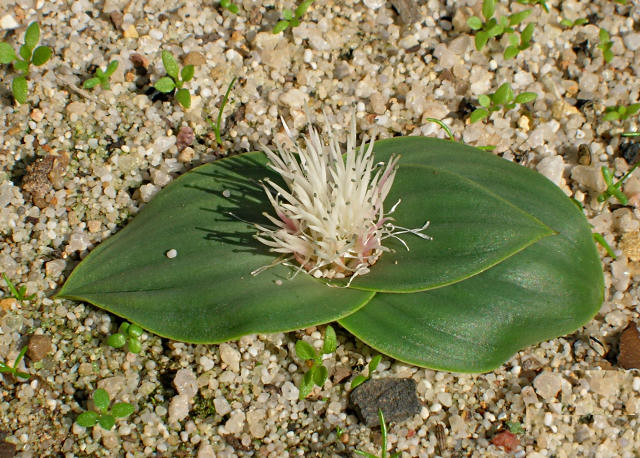
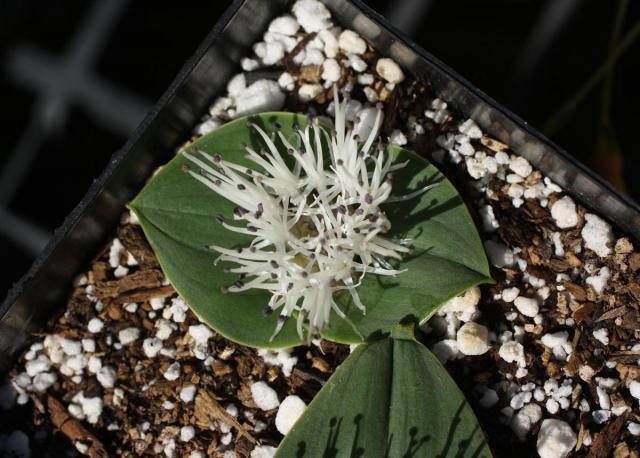
Massonia pygmaea spp. kamiesbergensis U.Müll.-Doblies & D.Müll.-Doblies has glabrous leaves. Photo 1 was taken in habitat by Alan Horstmann, photos 2-4 by Nhu Nguyen. Photo 5 by Bert Zaalberg.

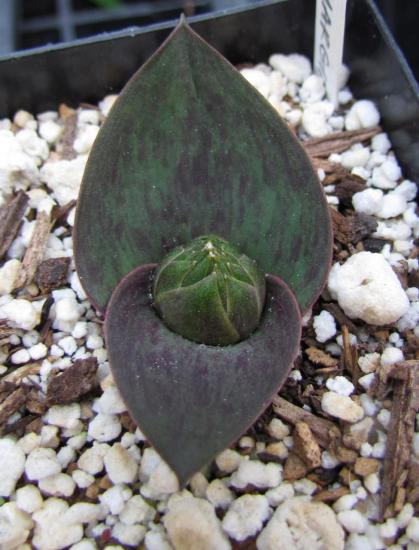
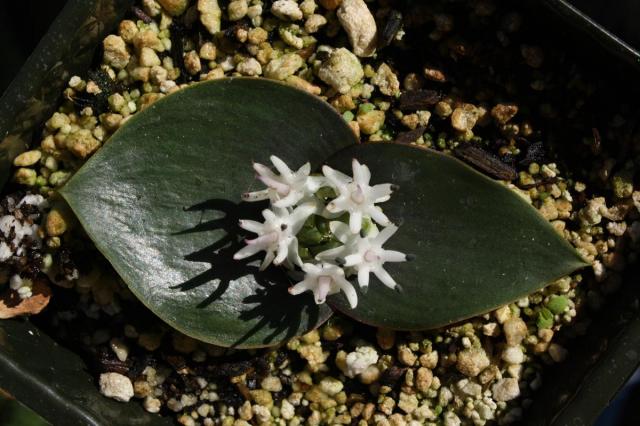
Massonia roggeveldensis Mart.-Azorín, M.Pinter & Wetschnig was described in 2015. It was originally introduced into cultivation from seeds collected and distributed by Silverhill Seeds from the Roggeveld as Daubenya marginata. Although it didn't turn out to be D. marginata the plants are very interesting, beautiful, and fragrant. It was listed as "Massonia sp. Roggeveld" on the wiki for several years before it was formally described. The leaves start out mottled maroonish, then turn completely green as they mature. The flowers start out white then turning pink as they dissolve. Photos 1-6 below were taken by Nhu Nguyen. Photos 2-3 show the plant blooming for the first time after 3 years from seeds. Photos 4-5 show the plant blooming the second time with a much more robust inflorescence.

Photos below are from Rob Scott of plants in habitat at Klein Roggeveld, showing the relatively small size of this species.

Massonia saniensis Wetschnig, Mart.-Azorín & M.Pinter was described in 2014 and occurs at high-elevated plateaus from approximately 2700 to 3200 m above sea level in Eastern Lesotho. The species is named after the famous Sani Pass connecting South Africa and Lesotho. The spectacular Sani Pass route is considered to be one of the steepest mountain passes in the world. Together with his close ally Massonia wittebergensis, they are the two only summer growing Massonia species. Photos below are from Bert Zaalberg from plants in cultivation.
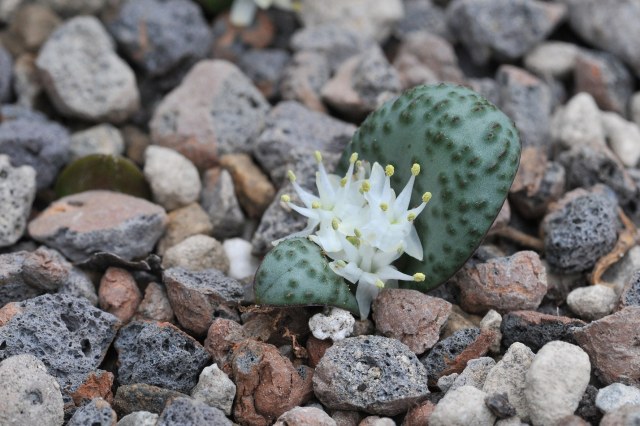
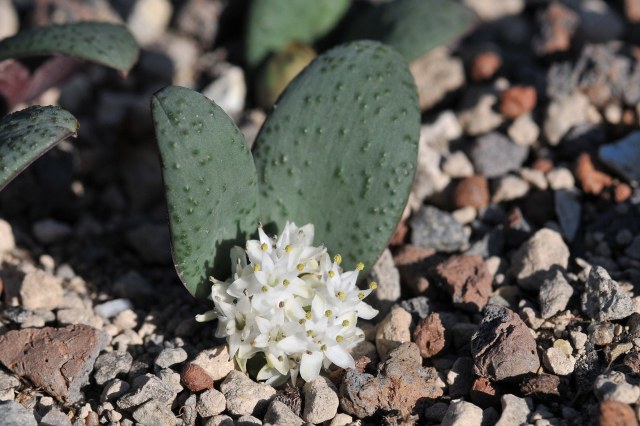
Massonia sempervirens U.Müll.-Doblies, Milkuhn & D.Müll.-Doblies was described in 2010 based on a cultivated plant that was grown from seed with uncertain origin. Because of this it is not recognized by some taxonomists, especially in South Africa, as plants could not be found in the locations cited and the original material was limited in floral characters. In spite of this many people are growing material with this published name. This species is reported to most resemble Massonia jasminiflora based on the absence of a sigmoid curve in tepal base, the glabrous bracts and smaller filaments of up to 5 mm long. Plants remain evergreen in cultivation (with some water), although those who have studied Massonia species in habitat have never observed an evergreen character. Massonia sempervirens has a fast growing cycle. When grown from seed, they can flower in their second growing season.
Photos 1-6 were taken by Gottfried Milkuhn and depict a progression of blooming from the type specimen.
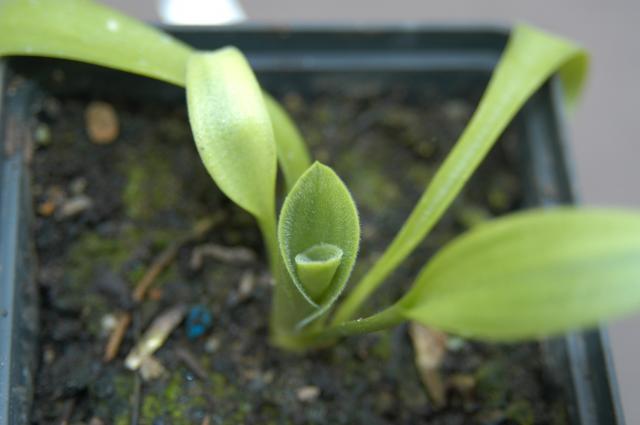
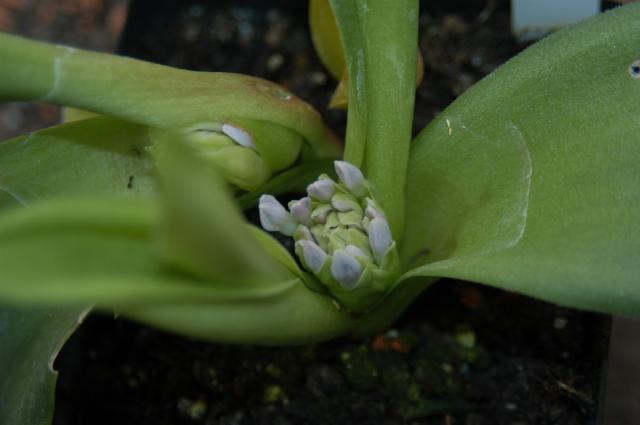
Photos below are from Cameron McMaster and were taken in the Amatola Mountains of the Eastern Cape, a new location than the one cited when it was originally named. When added to the wiki Cameron considered them to be Massonia jasminiflora. The last one was taken in habitat at Mount Tor Doone in the Hogsback area on 2 August 2013.
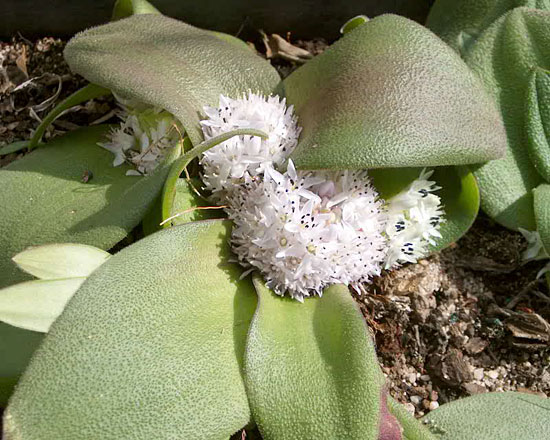
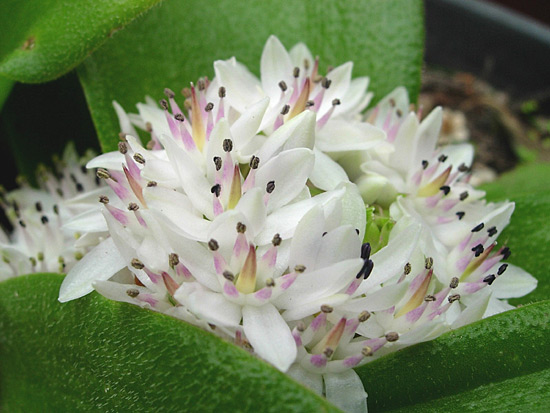
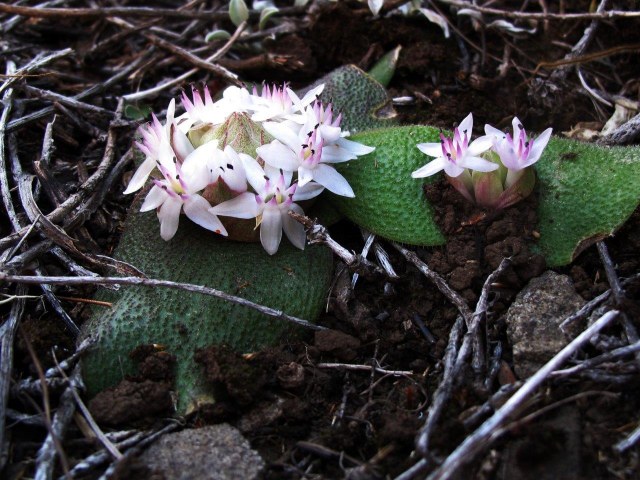
Photos below are from Bert Zaalberg. Photos 1-2 taken in habitat in February 2017. Photo 1 at Mount Tor Doone, photo 2 at Dohne Peak. Photo 3 shows the clear resemblance to Massonia jasminiflora in flower morphology. Photo 4 shows plants flowering in March 2017, which were sown in October 2015 (17 months after sowing).


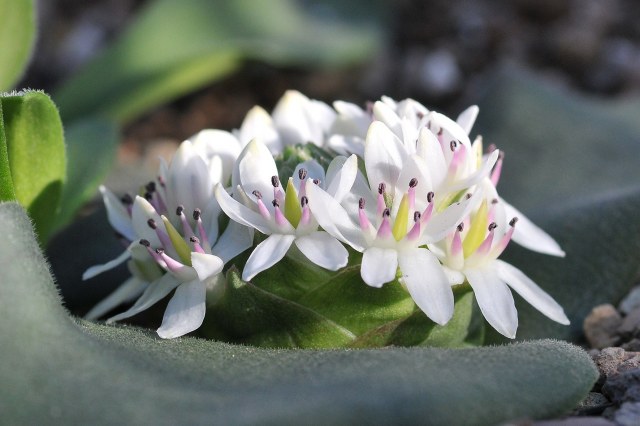
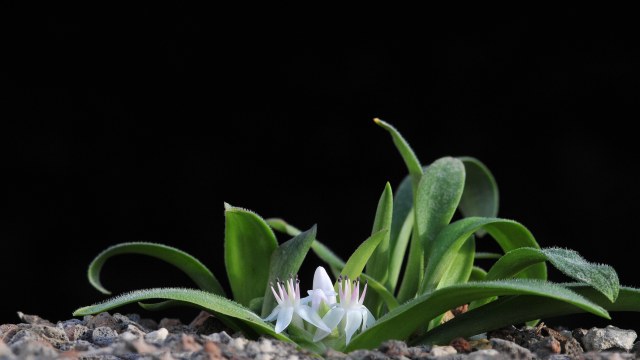
Massonia setulosa Baker is native to the area between Caledon and Heidelberg in the Western Cape Province. As described by Baker, it can be distinguished by having yellow anthers, six gibbosities (rounded hump or protuberance) in between the bases of the thick filaments closing the tube mouth, and tepals with a sigmoid curve. Flowers can fade to pink when they age. Photos 1-3 were taken near Napier in the Overberg by Cameron McMaster. Photos 3-6 were taken by Bert Zaalberg who grew his plants from seeds collected in Napier by Cameron McMaster. The sigmoid curve of the tepals can be seen in photo 7.
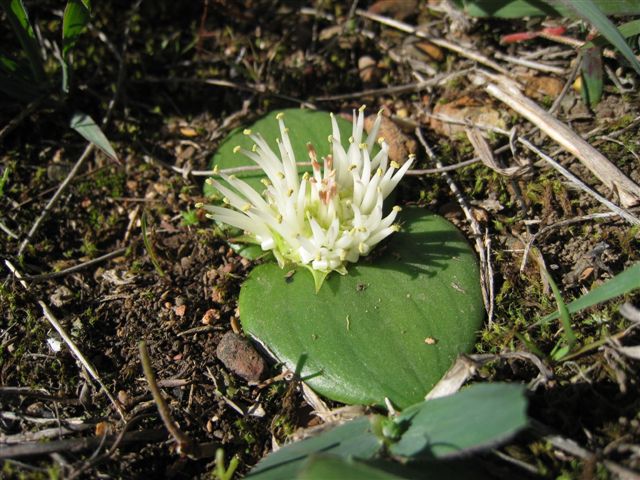
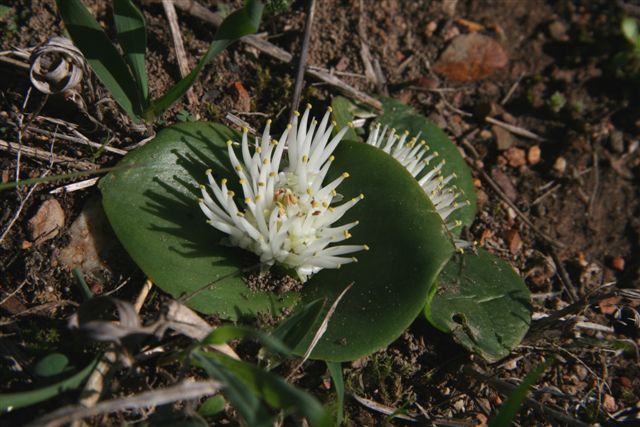

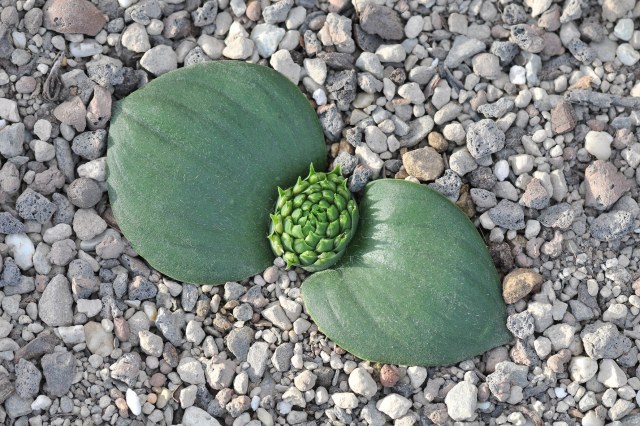
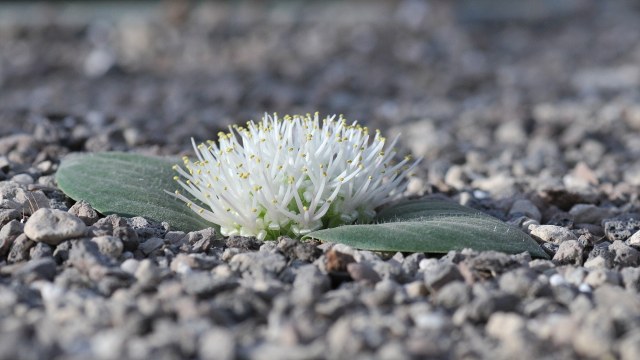

The first five photos below were taken by Gottfried Milkuhn of a plant grown from seeds collected in Napier. Photo 1 shows the first time flowering of this plant. The last photo from the book Plants of the Klein Karoo courtesy of Jan and Anne Lise Schutte-Vlok.
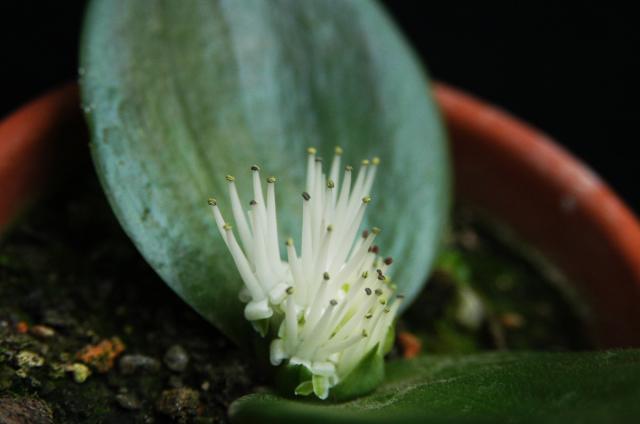
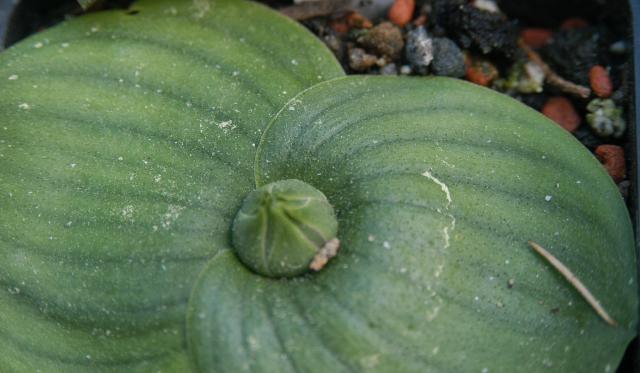
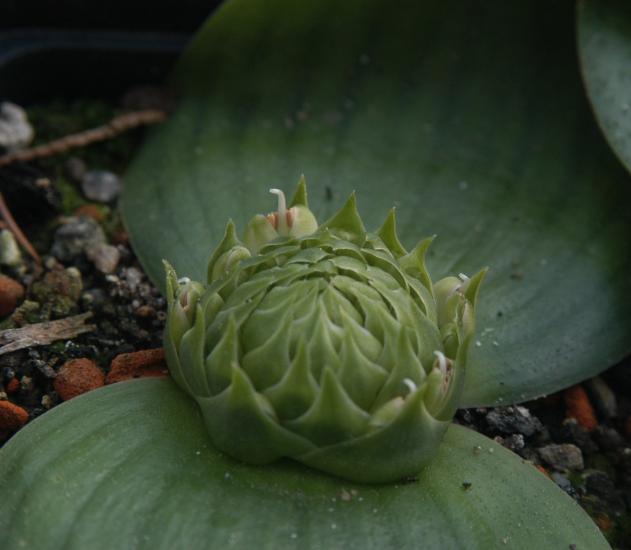
Massonia spp. as stated above (because this genus needs a lot of work) includes many species that we cannot either place into a species or that are new species to be described. We post photos of these entities below.
Massonia sp. Addo was originally collected as seeds from Addo, RSA. These plants were distributed through the PBS BX by Roy Herold. Roy describes the flowers as having a "bewitching perfume". Most likely they are a form of Massonia hirsuta. Photo 1 by Uluwehi Knecht and photos 2-4 were taken by Nhu Nguyen.
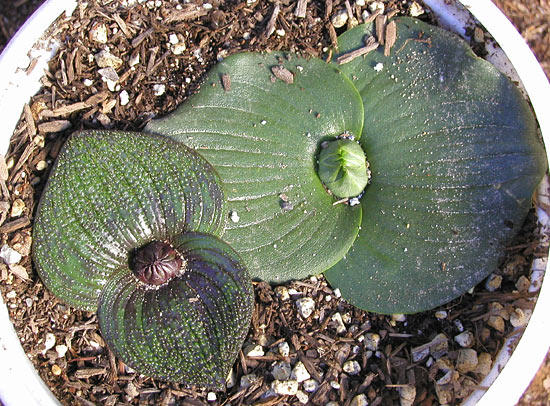
Massonia sp. In the trade this species is known as M. bredasdorpensis n.n.. It is characterized by large glabrous leaves, small flowers and huge seedpods. Photos 1-3 by Mary Sue Ittner show a plant grown from seed labeled as echinata in different stages: bud, flower, seed. In photo 1, it is growing in the same pot with M. longipes. That plant emerges later, has a purplish tinge and is very pustulate, with smaller leaves and more attractive flowers. Every year the leaves of this plant get bigger so that I need fewer to a pot or a bigger pot. The leaves are very attractive, especially if protected from the elements. These plants closely resemble a form sold by Rust-en-Vrede in the 1980-90's that they called Massonia cf. echinata.

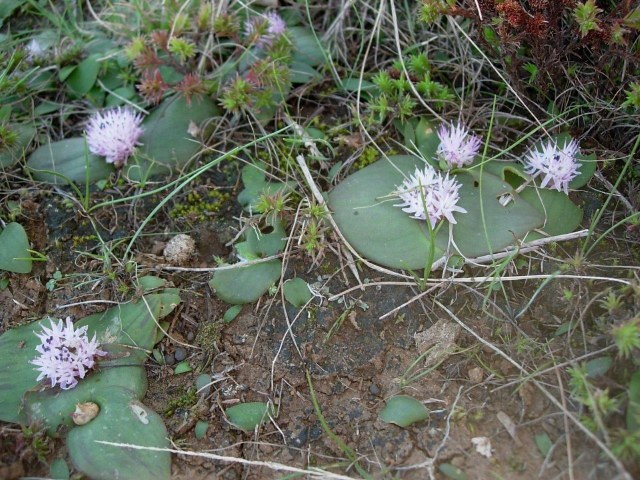
Massonia sp. King Williams Town This species grows around King Williams Town and has characters in between M. hirsuta and M. jasminiflora. Possibly a sp.nova. Comparable plants are also known from Grahamstown. Photos below are from Cameron McMaster. Photos 1-2 taken in habitat at King Williams Town. Photo 3 in cultivation. Photo 4 was taken at Grahamstown.


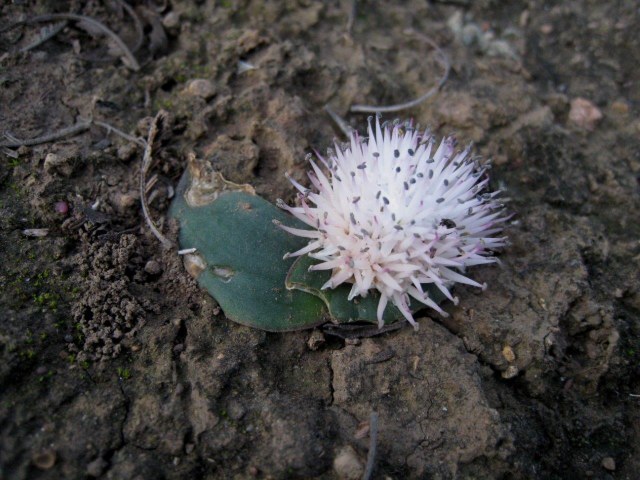
Massonia tenella Sol. ex Baker was described in 1870 and was forgotten for a long time until recently revived as a name. It is a delicate dwarf species from the area around Nieuwoudtville. Bulbs have typical purplish papery inner tunics, a feature they share with Massonia echinata and Massonia latebrosa. Photos 1-2 were taken by Gottfried Milkuhn. Photos 3-6 are from Bert Zaalberg. The last picture shows the typical red bulb colour.
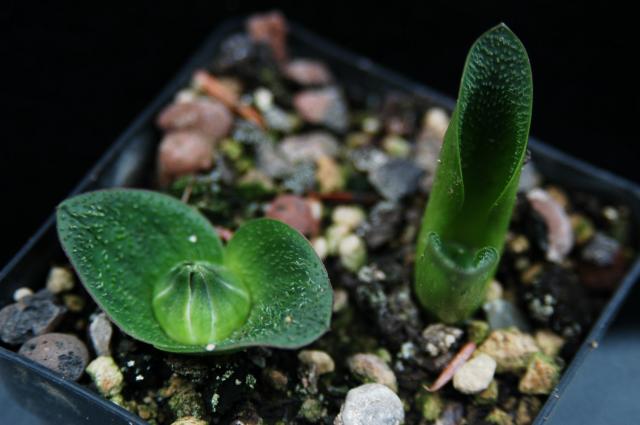
Massonia thunbergiana Wetschnig, Mart.-Azorín & M.Pinter was described in 2016. This species is confined to the Roggeveld, the coldest place in South Africa, growing at 1400 m of elevation. Flower morphology shows a relation to Massonia depressa but the leaf pustules topped with long hairs are typical for this species. Photos 1-3 below are from plants in cultivation by Bert Zaalberg. Photo 4 was taken by Peter den Bakker.
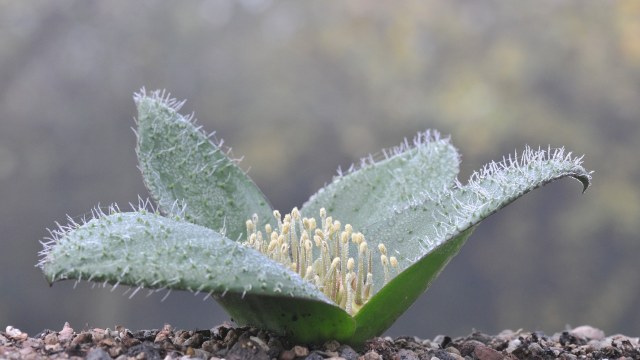
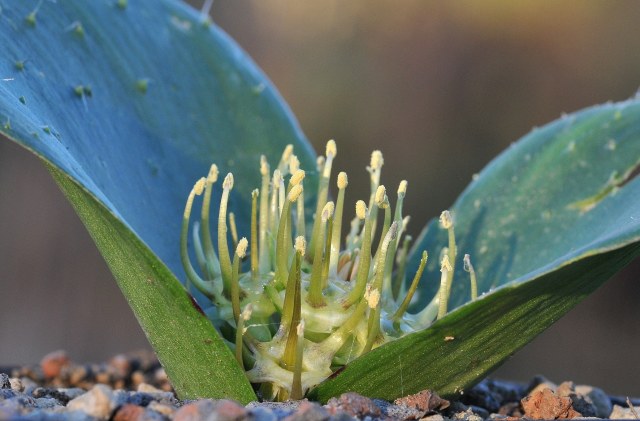
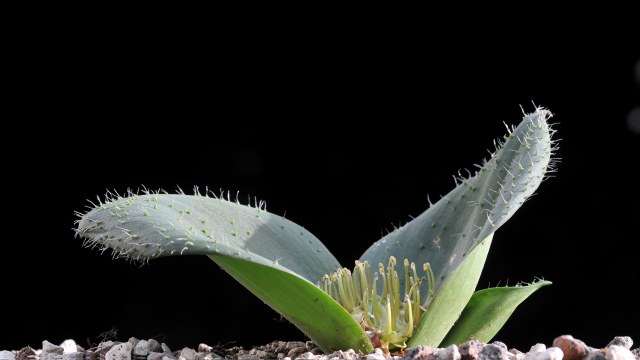
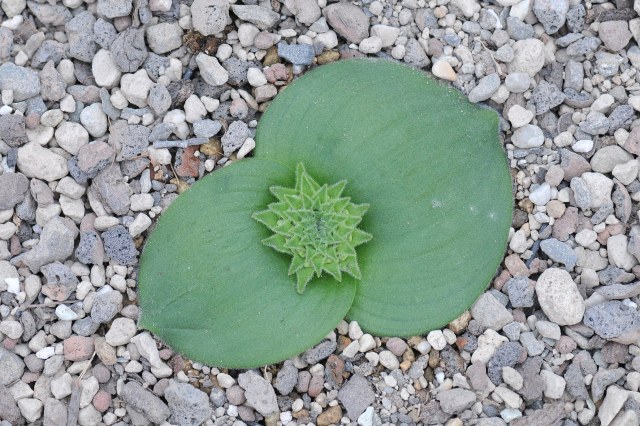
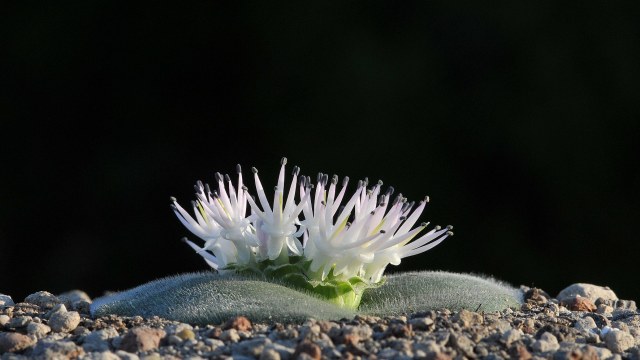
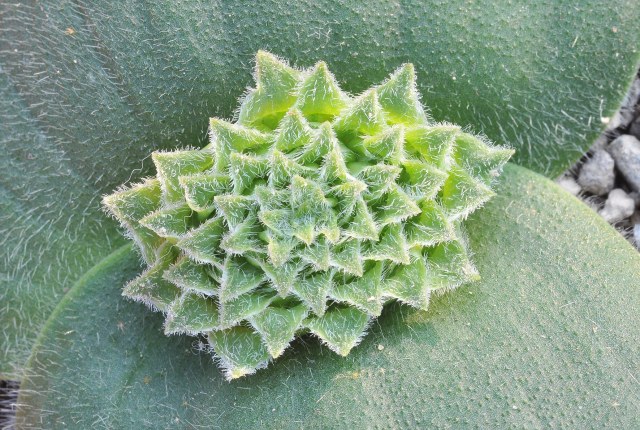
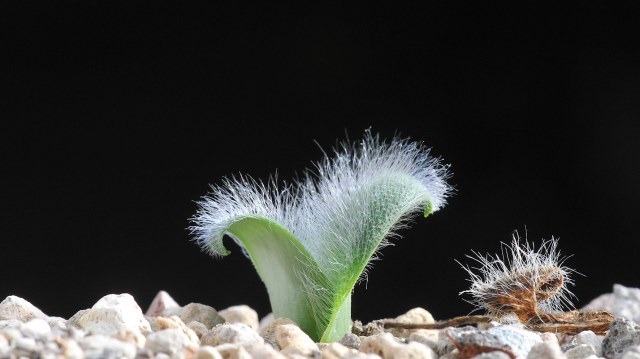
Massonia villosa J.C.Manning was described in 2019. It is endemic to the area around Sutherland in the Northern Cape, where it has been found in 3 locations. It can be recognized easily by the leaves having soft long hairs on the upper surface. Photos were taken by Bert Zaalberg of a plant in cultivation.

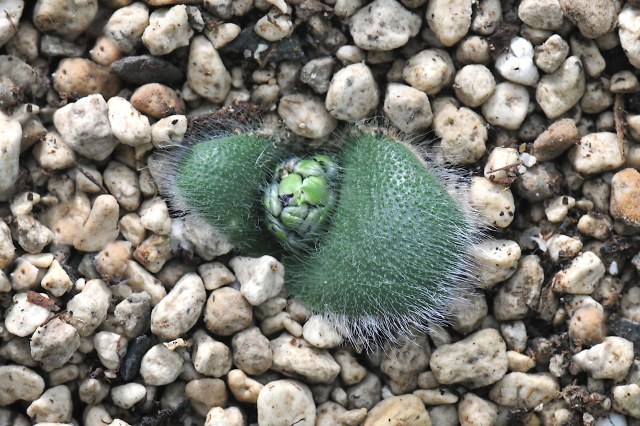
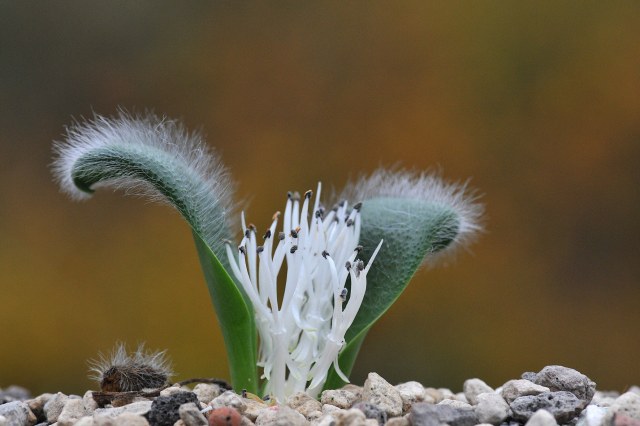
Massonia visserae Mart.-Azorín, M.B.Crespo, M.Pinter, M.A.Alonso & Wetschnig was described in 2018. It was named after the collector of the type material Miss H.A.Visser. It is known only from Lambert’s Bay in the Western Cape. It can be recognized by the leaves having elongated pustules bearing fascicles of unequal trichomes, and by the unequal filaments that are distinctly connate at their base, forming a tube. However, forms with glabrous leaves exist as well. Photo 1 was taken by Bert Zaalberg of a plant in cultivation. Photos 2-3 were taken by Rob Scott of plants in habitat at Lambert’s Bay.
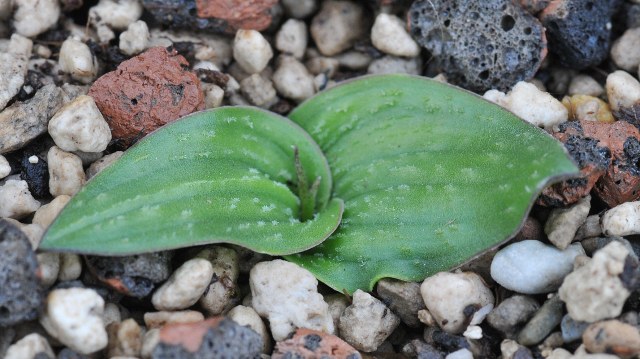
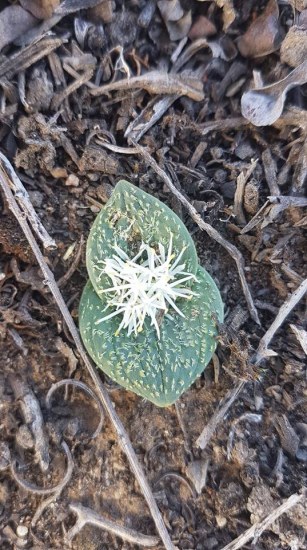
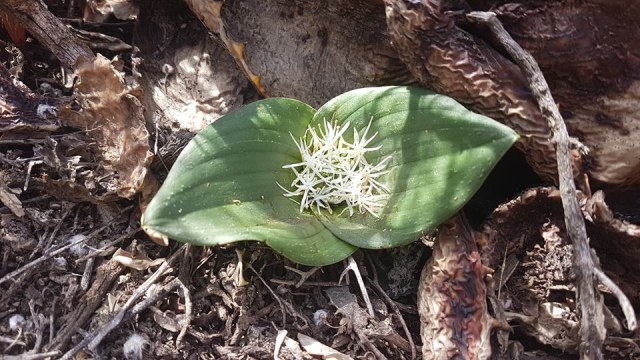
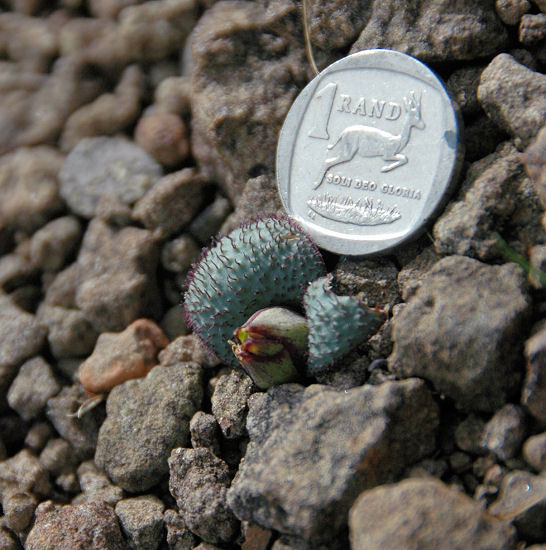
Massonia wittebergensis U.Müll.-Doblies & D.Müll.-Doblies was described in 2010. The name is derived from a record made by the Drège brothers on the southern slopes of the Witteberg (near the present town of Lady Grey) at an altitude of 7000-8000 ft (2000-2400 m) in January 1833. The species has subsequently been found at other high altitude localites in the Southern Drakensberg, such as Naude's Nek and Ben Macdhui. Together with Massonia saniensis, they are the two only summer flowering Massonia, with peak flowering in December and going dormant in winter in habitat. According to the description it is the only species with "a very characteristic indumentum on the upperside of the leaves of laterally compressed bristles of 0.6 up to 1.0 mm in length which are often curved and sometimes forked, and bearing on the rounded top protruding cells". The first two photos from Cameron McMaster were taken January 2008 of plants growing in gravel pockets above Tiffendell on the way up to the summit of Ben Macdhui.
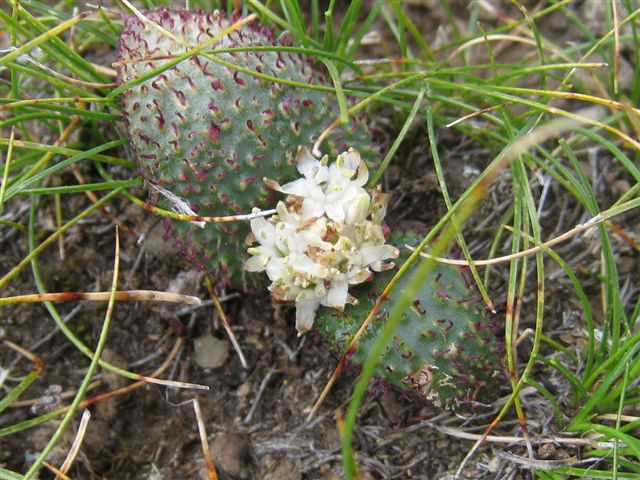
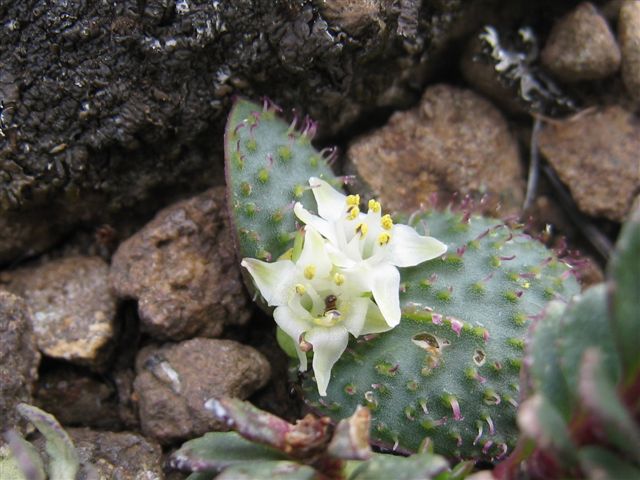
The photos below were taken by Bob Rutemoeller and Mary Sue Ittner at Naude's Nek. A small coin in one of the photos gives a good idea of how small these plants are and another shows the gravelly habitat.
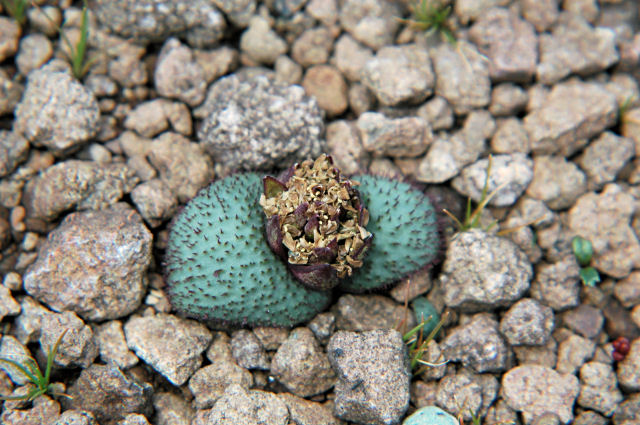
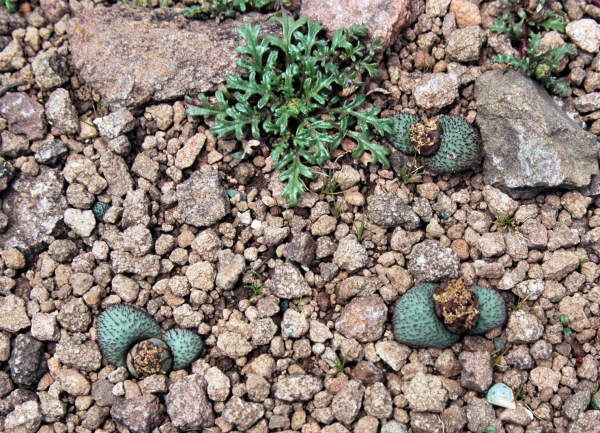
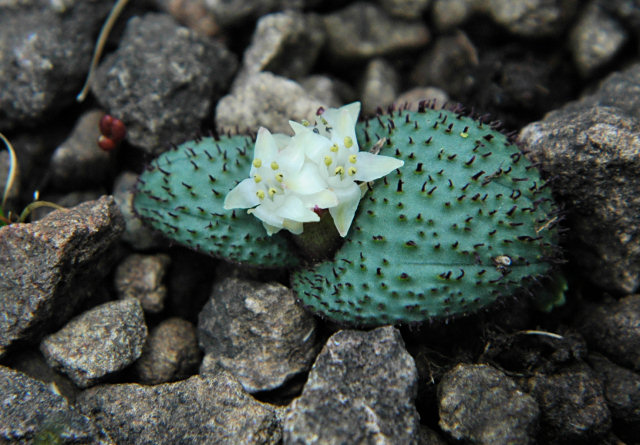
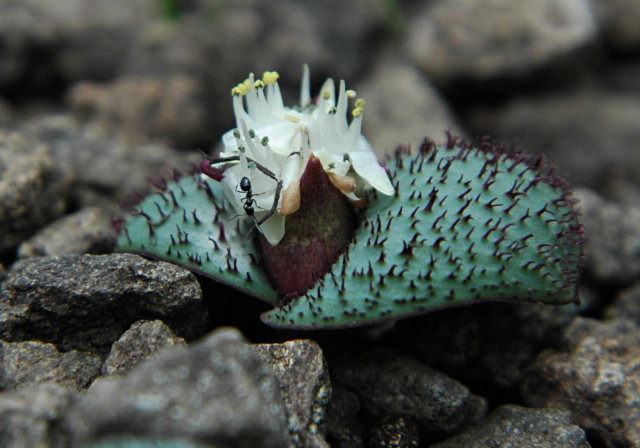
The photos below were taken by Uluwehi Knecht of plants in cultivation.
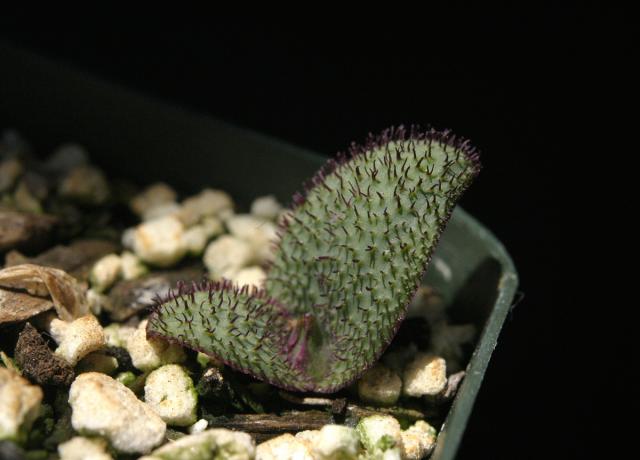

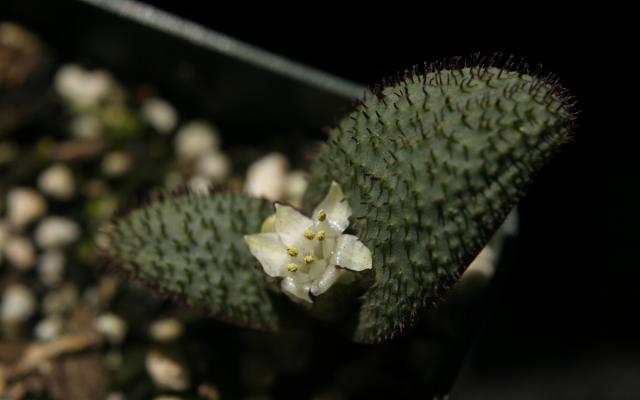
For more information and some spectacular close-up photos see the Wisley Alpine Log written by Paul Cumbleton.