This page is a random selection of wiki entries which is updated daily.You can subscribe to it as an RSS feed  The RSS feed contains 'media' data and can be used as a 'photo feed' by programs such as screen savers, slide shows and picture frames.Click to add Bulb Day to your MyYahoo page
From Moraea Species One on Monday 23rd of March 2026 05:26:37 PM PDT
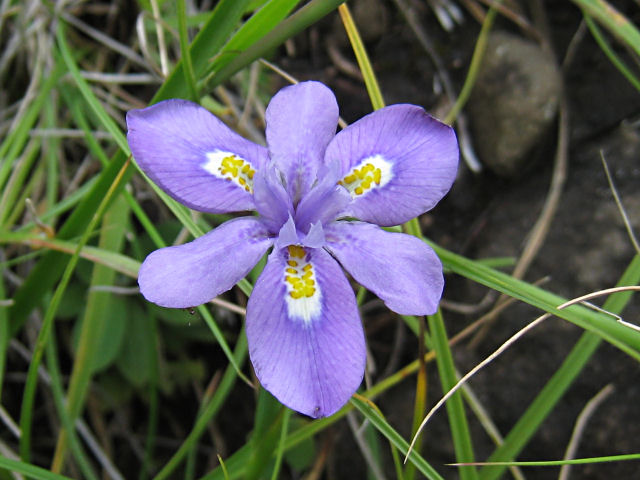
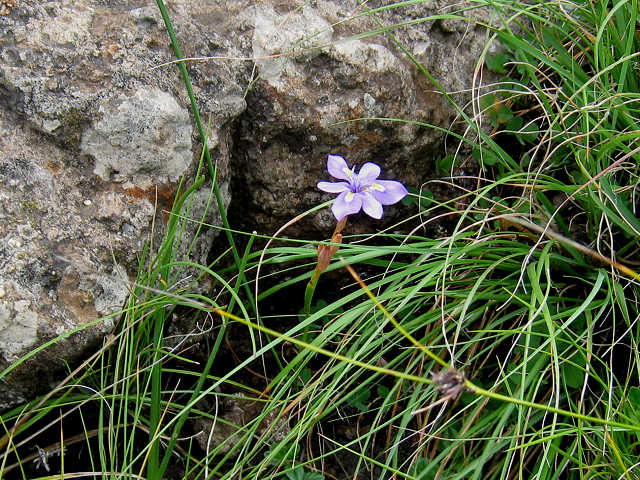
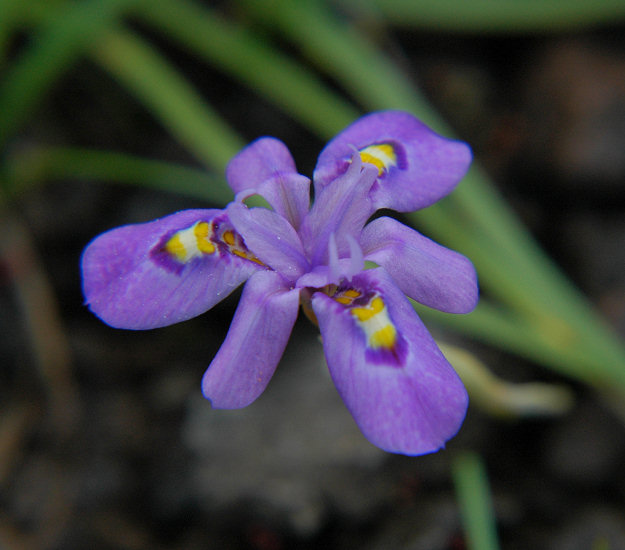
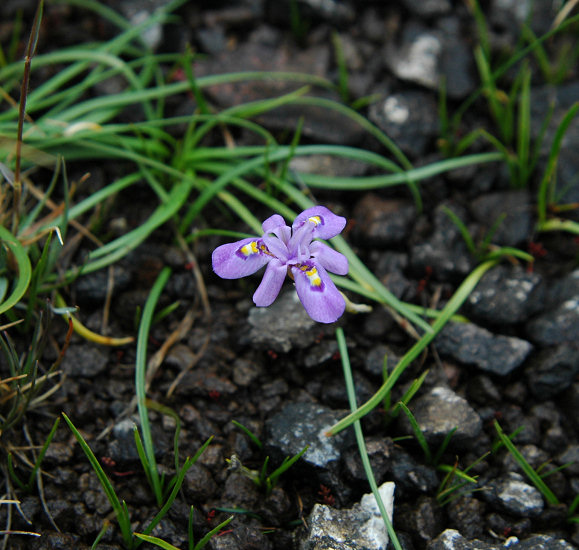
Moraea alpina Goldblatt grows in the high altitude areas of KwaZulu-Natal, Lesotho and Transkei in open rocky sites or low mountain grassland. It has dark blue to violet flowers with yellow-orange nectar guides. Photos taken by Cameron McMaster at Sentinel Peak and Mary Sue Ittner at Naude's Nek in the Drakensberg Mountains.
From Echeandia on Sunday 22nd of March 2026 05:16:17 PM PDT
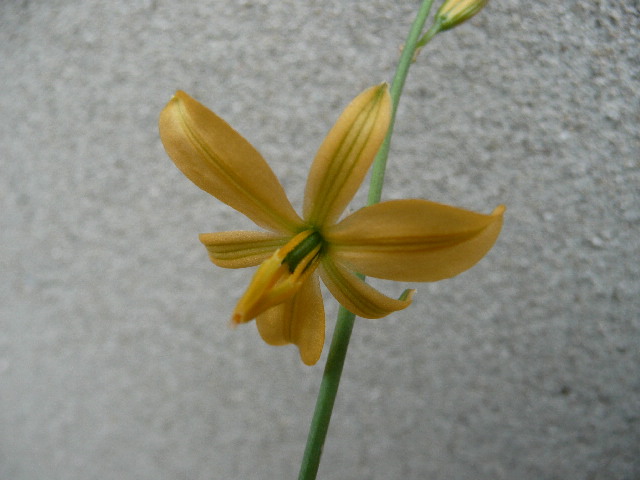
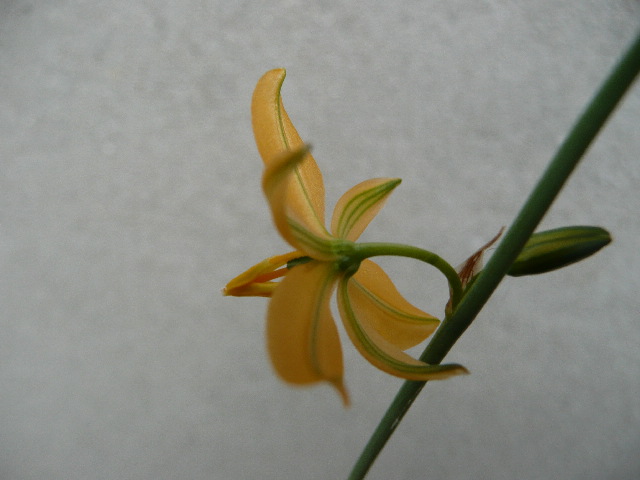
Echeandia formosa (Weath.) Cruden occurs from southeast Mexico to Central America. Height range: 2-4 ft. The plant photographed below by Alessandro Marinello was collected in Guatemala at Agua Volcano at 2500 meters.
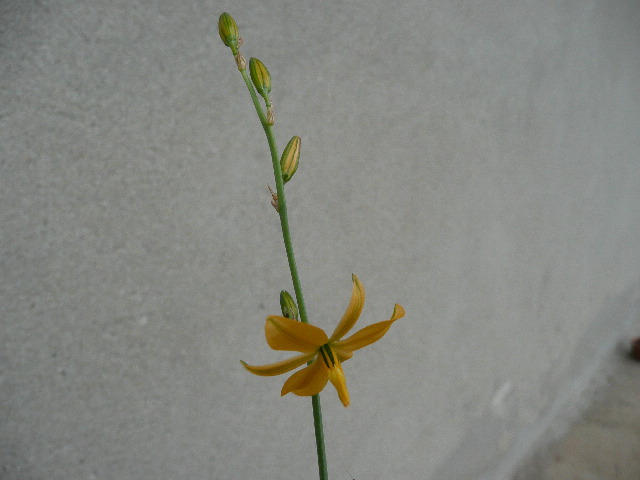
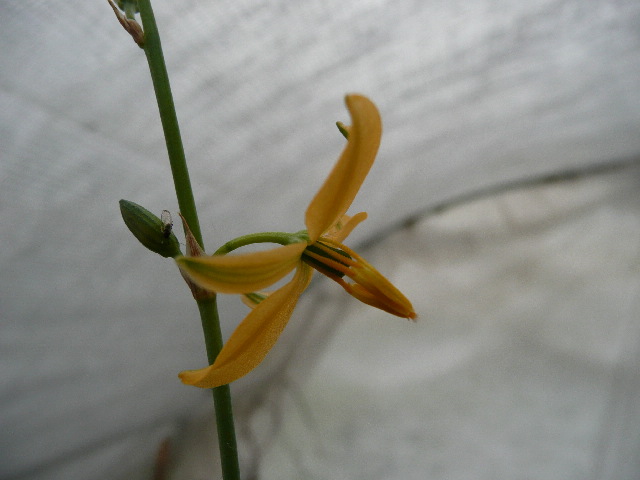
From Xenoscapa on Saturday 21st of March 2026 05:17:52 PM PDT
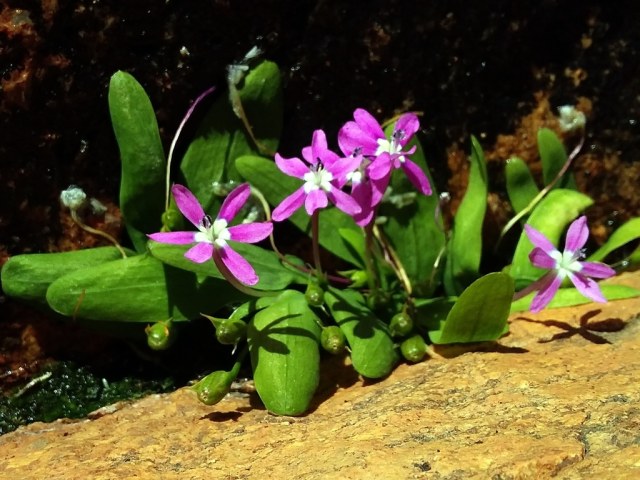
Xenoscapa uliginosa Goldblatt & J.C.Manning, Kamies Fairypipe, is endemic to the Kamiesberg in Namaqualand. It has long tubed pink flowers that are pollinated by the long proboscid fly. Height range: 3-20 cm. The photo from iNaturalist was taken by jean_s in the Kamiesberg in September and shared under a CC BY-NC license.
From Disa Four on Friday 20th of March 2026 05:12:09 PM PDT
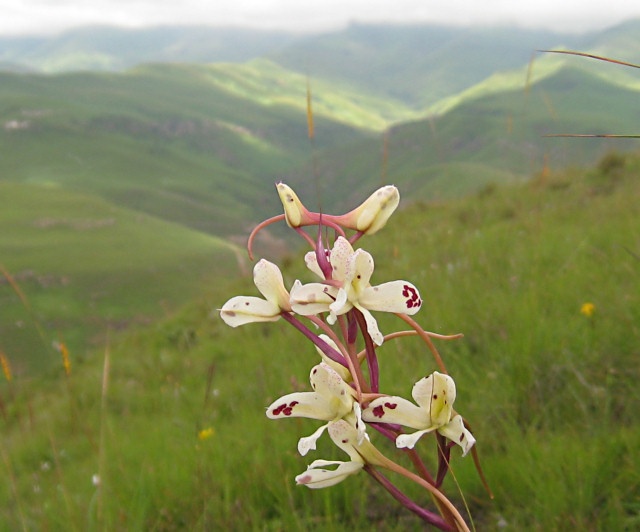
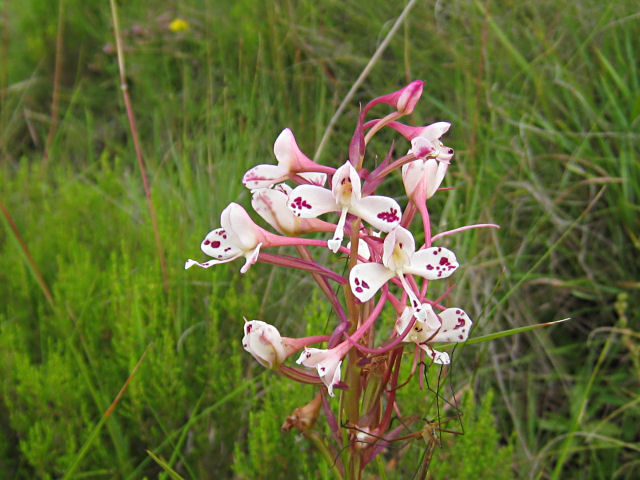
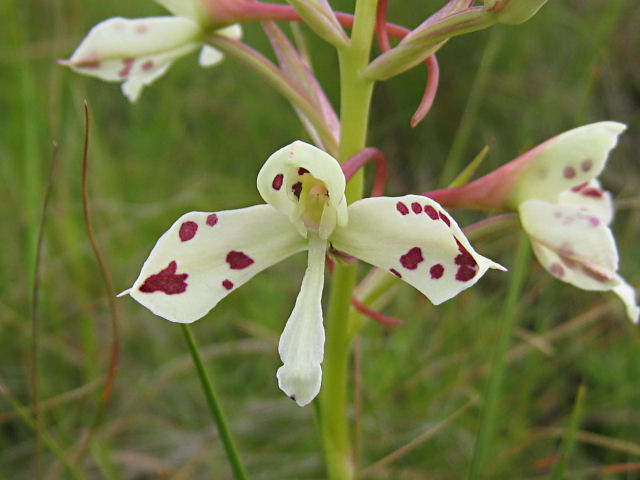
Disa nivea H.P.Linder is found on moist grassy slopes and rock ledges in the Drakensberg at 2250-2500 m. It grows from 20 to 40 cm and has creamy white flowers with dark red blotches at the tips of the sepals and lip and a speckled dark red spur. It blooms in summer. Photos were taken by Cameron McMaster at Aurora Peak, Maclear, February 2008.

From Kohleria on Thursday 19th of March 2026 10:55:36 PM PDT
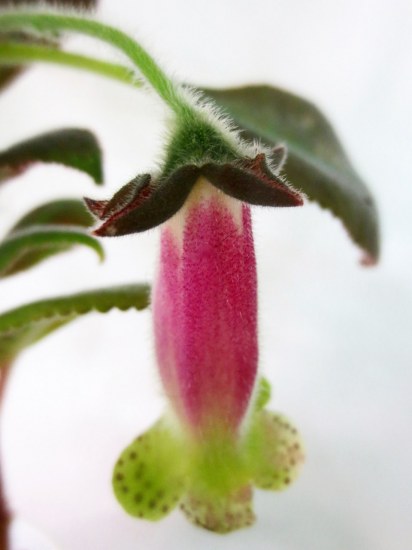
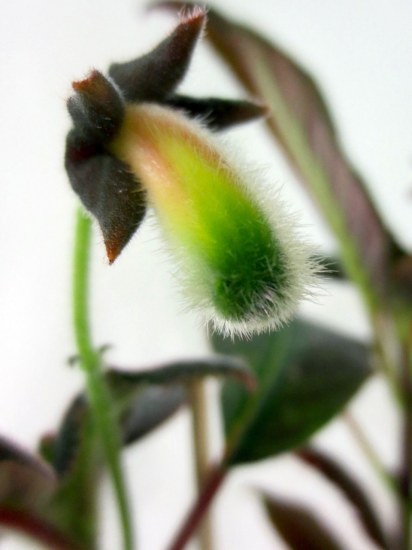
Kohleria warszewiczii (Regel) Hanst. is native to Colombia. Height: to about 2 ft. The photos below were taken by J. Schofield.
From Crossyne on Wednesday 18th of March 2026 07:41:20 PM PDT
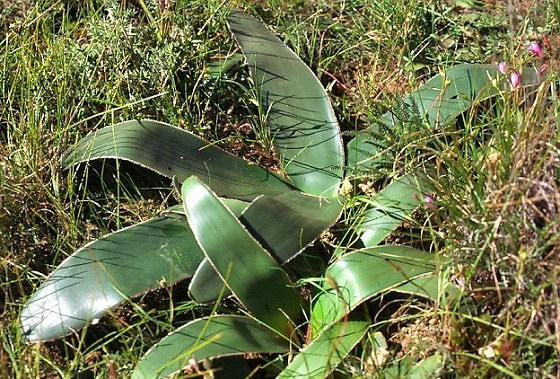
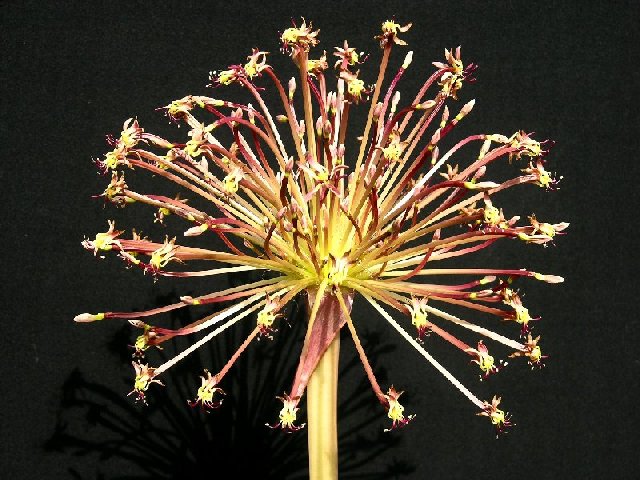
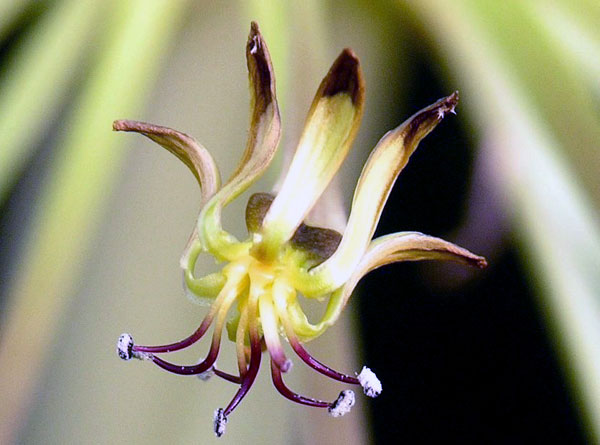
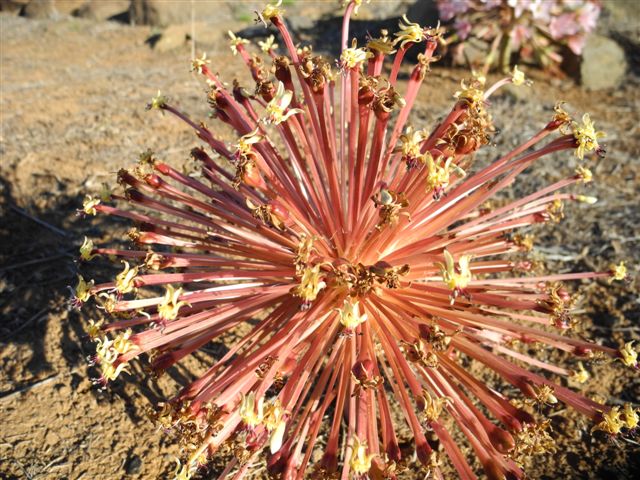
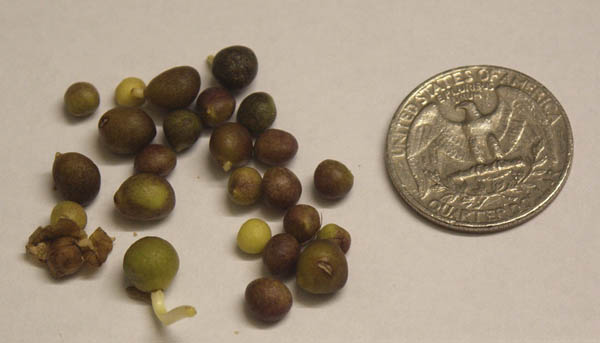
Crossyne flava (W.F.Barker ex Snijman) D.Müll.-Doblies & U.Müll.-Doblies, syn. Boophone flava W.F.Barker ex Snijman, has strap-shaped leaves fringed with long, white or straw-colored bristles, with small, angular, red speckles beneath. It can have as many as 200 small pale yellow flowers radiating on pale lemon to pink pedicels. It is found on shale flats and rocky slopes in the northwest Cape. It blooms in the fall, before the leaves appear. Height: 50 cm. The first photo by Bill Dijk shows the leaves of a plant in cultivation and the next photo from Mary Sue Ittner shows the leaves on plants growing near Nieuwoudtville. Illustrated in the third and fourth photos by Bill Dijk, the flowers are small but many in the flowerhead, with tepals much recurved on long pedicels. Flowers are yellow with brown tips and maroon filaments. The fifth photo was taken by Rachel Saunders of the inflorescence of a flower blooming in habitat. The last photo by Uluwehi Knecht shows seeds next to a U.S. 25 cent piece (2.5 cm wide).

From Polianthes on Tuesday 17th of March 2026 05:21:02 PM PDT
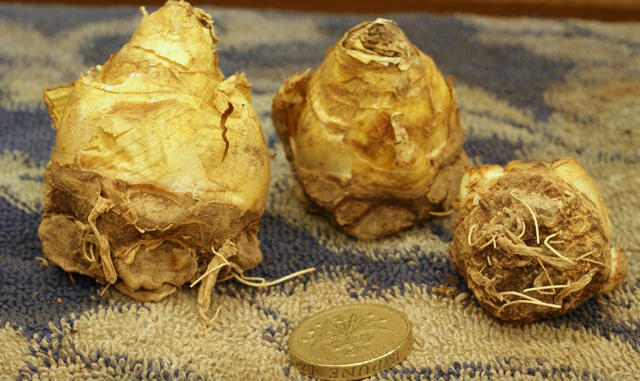
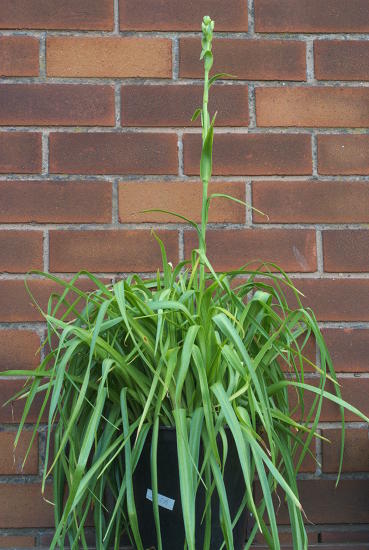
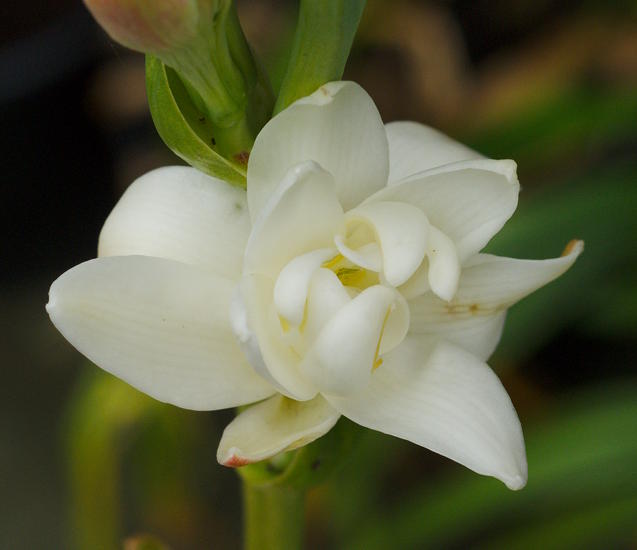
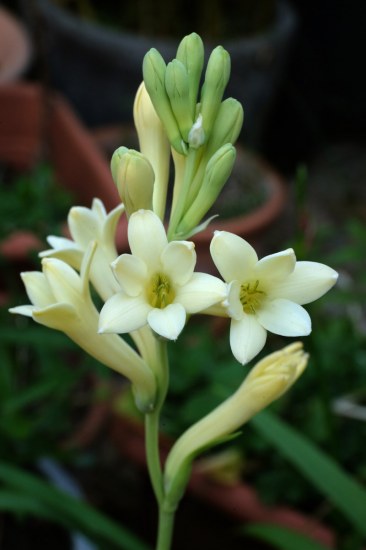
Polianthes tuberosa, now Agave amica (Medik.) Thiede & Govaerts, is often sold as "the most fragrant bulb". It was popular in the Victorian era with the common name "tuberose". One synonym is Agave polianthes. It has a long history of cultivation around the world which makes its origin confused; it appeared in Europe around 1600 having been discovered in Central America. Some growing advice appeared on the PBS list here. Height range: 2-3 ft. Photos 1 to 3 by David Pilling who writes: "The second photo shows the result of unwisely planting 10 bulbs in a 12" pot. In a cold spring in northwest England growth was slow to appear, and in future I would be inclined to keep the bulbs indoors until there were signs of life above ground." The last photo by Martin Bohnet shows a plant sold as cultivar "Pink Sapphire", which it clearly is not. As the flowers are somewhat lemon to cream and the smell is present, but not overpowering, it could be the cultivar "Yellow Baby".
From Chiloglottis on Monday 16th of March 2026 05:11:24 PM PDT
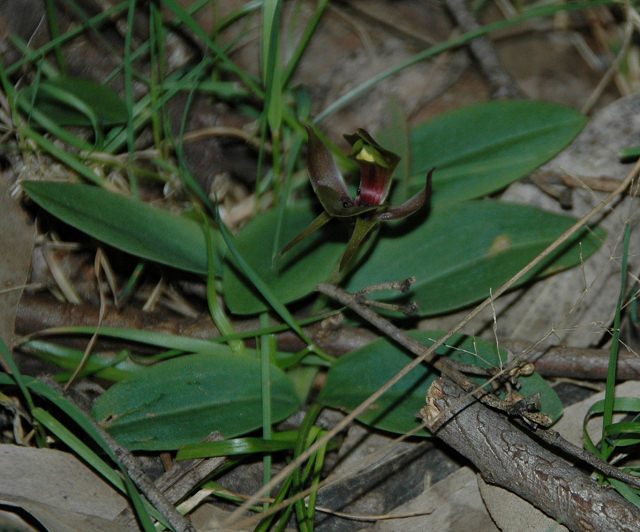
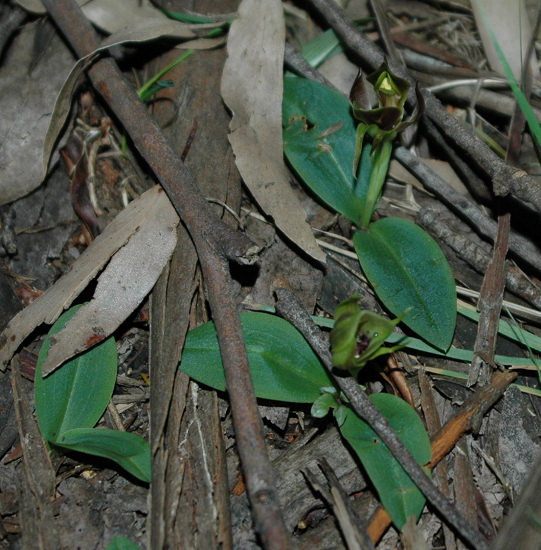
Chiloglottis valida D.L.Jones or the large Bird orchid, syn. Simpliglottis valida (D.L.Jones) Szlach. is found in moist slopes and gullies in forests in New South Wales and Victoria, Australia. It has two ground hugging green leaves and a greenish to purplish flower about 3.5 cm across. It is supposed to resemble a small bird with its beak open waiting to be fed. Height range: 4-10 cm. Photos were taken near Menzies Creek, Australia October 2007 by Bob Rutemoeller and Mary Sue Ittner.

From Hypseocharis on Sunday 15th of March 2026 05:17:54 PM PDT
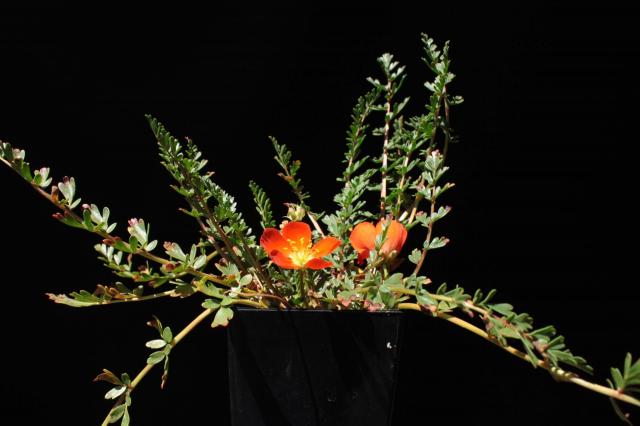
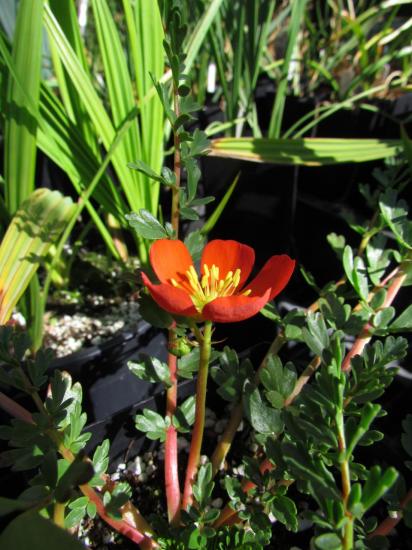
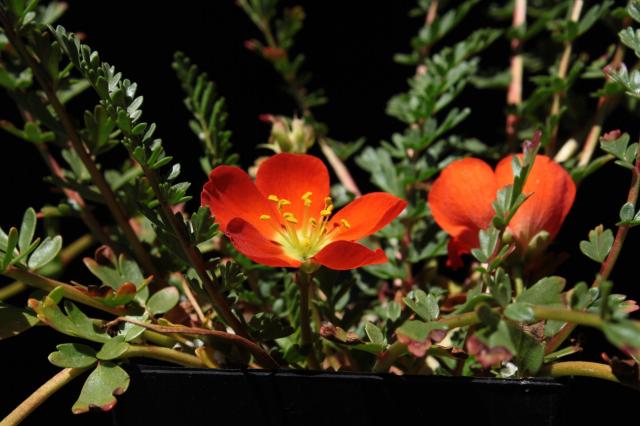
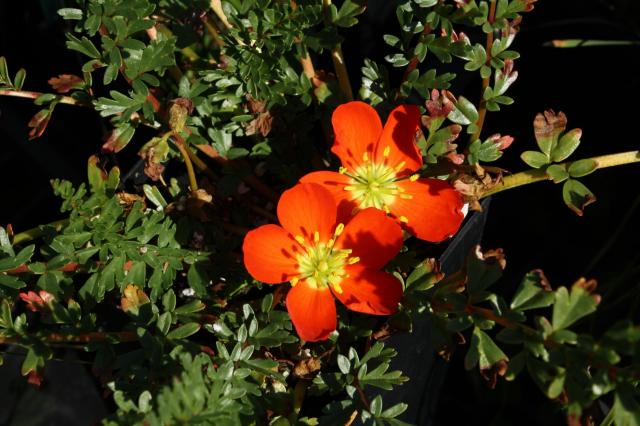
Hypseocharis pimpinellifolia is native to Peru, Bolivia and Argentina. It is a summer-growing plant, blooming from mid-summer to autumn, and going completely dormant in winter. In cultivation, this species is prone to rotting if the tubers get watered during their dormancy. However, they like a lot of water during growth and benefit from periodic fertilization. Plants produce large tubers and can quickly outgrow their pots. It takes 2-3 years to bloom these plants from seeds. Seeds can only be made through out-crossing with a different clone. The photos below were taken by Nhu Nguyen. Photo 6 shows a large tuber that is four years old.


From Dipcadi on Saturday 14th of March 2026 05:07:30 PM PDT
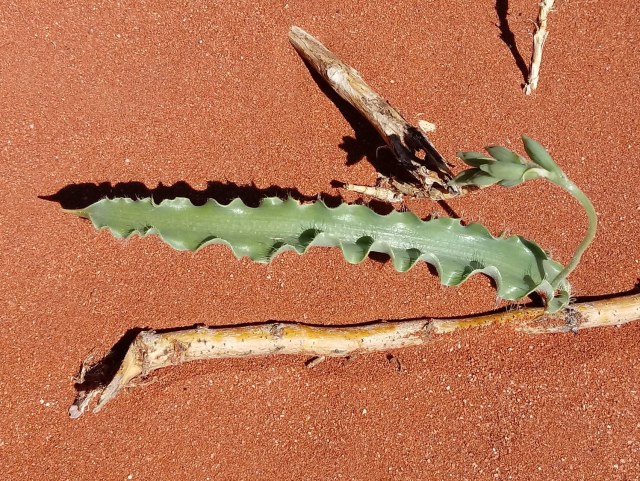
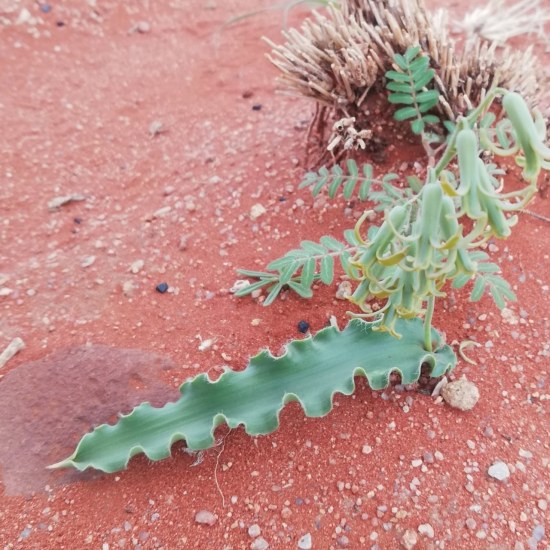
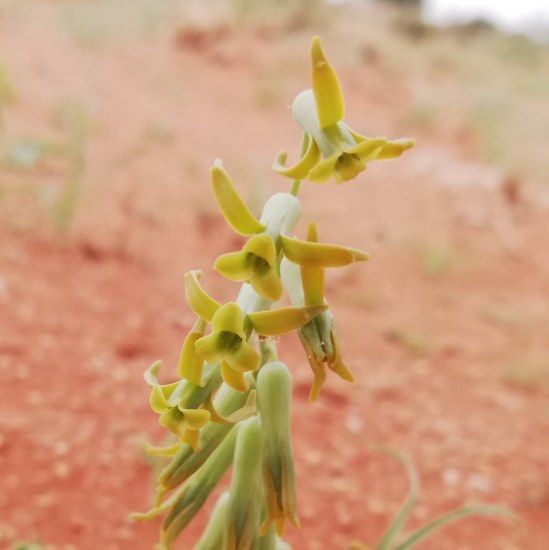
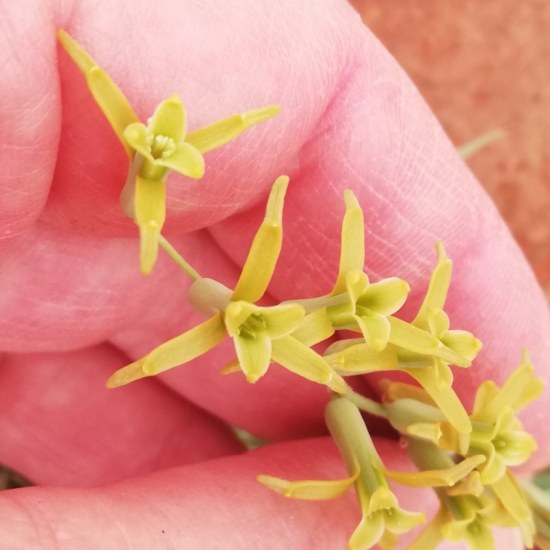
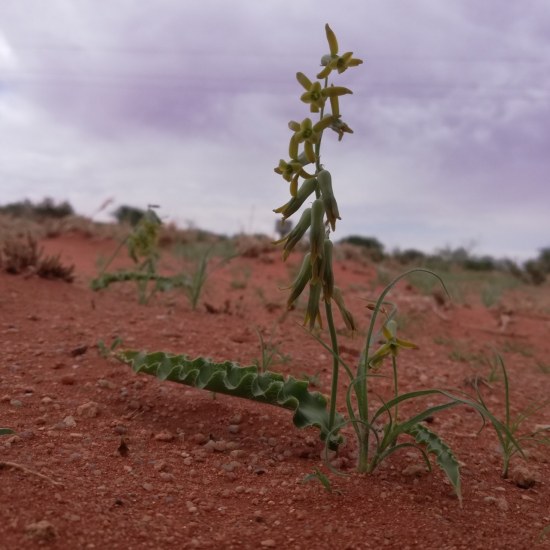
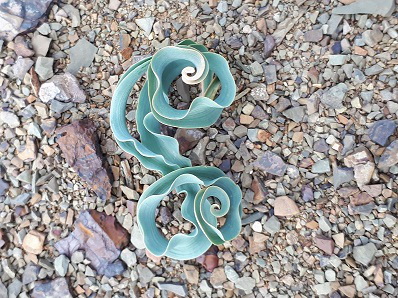
Dipcadi crispum Baker is native to Namibia and the Northern Cape Province of South Africa. Height: 30 cm. The first five photos were taken by Christiaan van Schalkwyk days after an unusual heavy rain in a drought in the Upington area, Northern Cape, South Africa, December 2019, of plants growing in full sun in sand. The last photo was taken by Margaret Fox August 2022 in the Tankwa Karoo.