Apulia is a region in the south of Italy. It's the at the end of the Italian peninsula on the eastern side, facing Albania and Greece. From its position, it's a kind of bridge toward the Balkans, and several species of plants are common between the two coasts. Apulia favours the typical Mediterranean climate, but being the longest region of Italy with 784 Km of coasts, several microclimates are found and they range from zones 8 to 10. All of the following photos were taken in habitat by Angelo Porcelli unless stated otherwise.
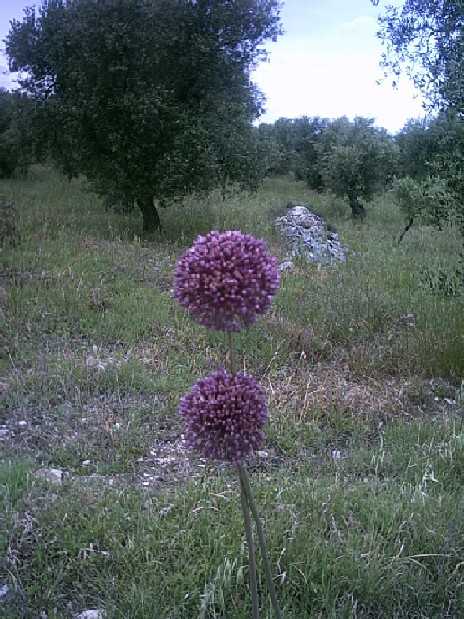
Allium atroviolaceum is a tall species with a 4" (10cm+) nice drumstick head. It grows in Eastern Mediterranean and has its western limit in Apulia, being the only occurrence in Italy. At time of flowering, the leaves have already disappeared. Listed as vulnerable in the Regional Red List.
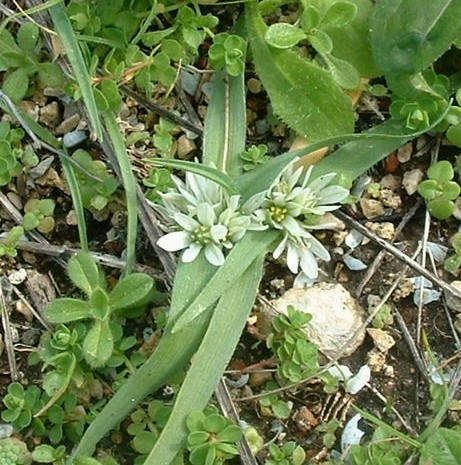
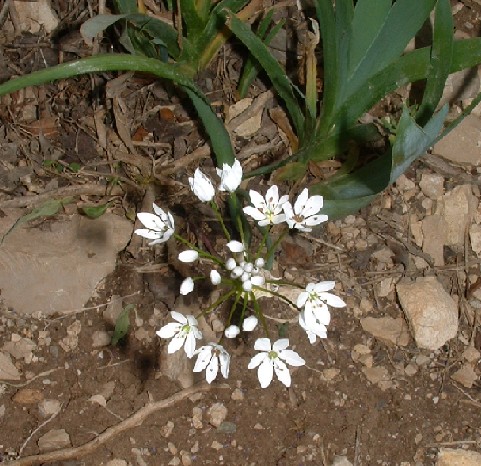
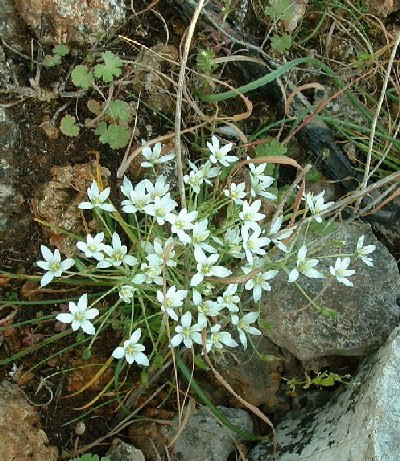
Allium chamaemoly - This winter flowering species is found in numerous Mediterranean areas including North Africa. Photo taken in a sunny mid-January.
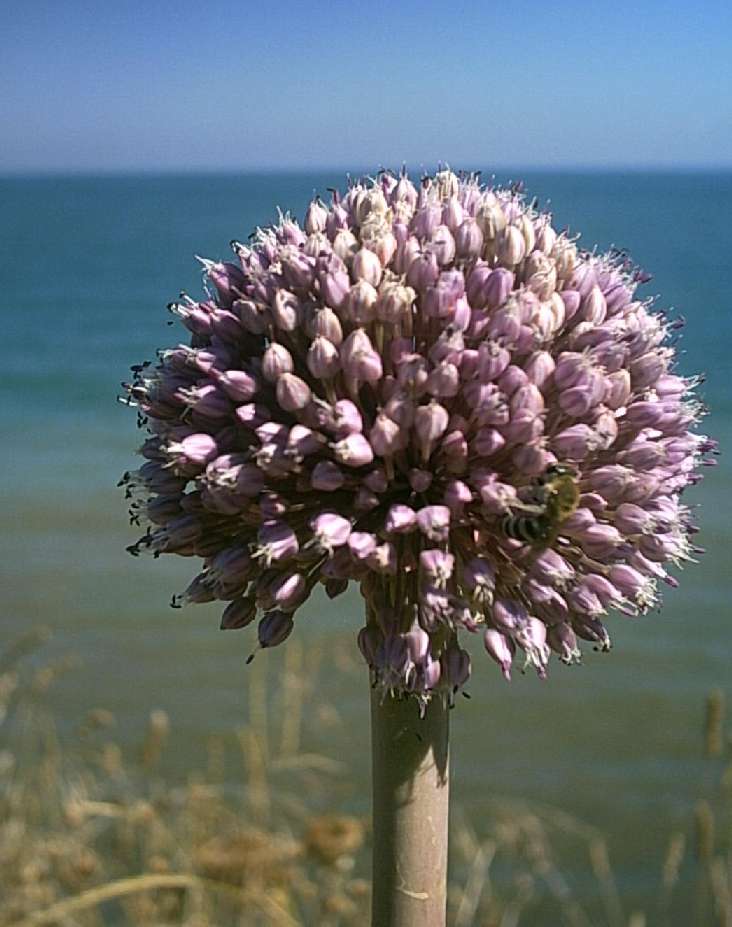
Allium commutatum - A very late flowering Allium for a Mediterranean species, in bloom from July later. This curious species grows on rocky slopes just in front of sea and at time of flowering is totally leafless. Bulbs are salt resistant and floaters, and they are dispersed during sea storms. Plants are found also growing deeply embedded in the pebbles of the beaches, fallen down from the above slopes.

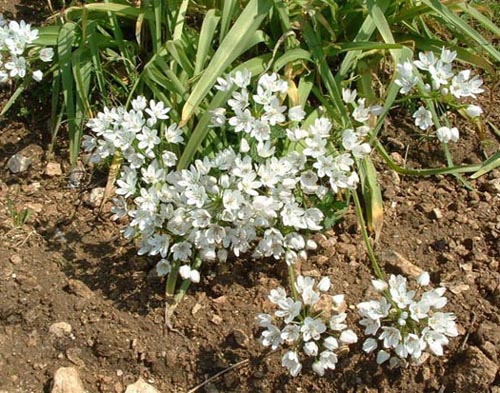
Allium neapolitanum A very common species in south of Italy and a true weed in my yard.
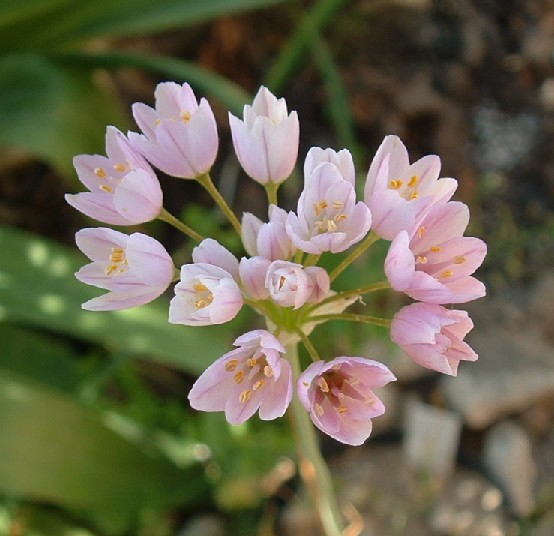
Allium roseum is a rather uncommon Mediterranean species with pink flowers.
Allium subhirsutum is a Mediterranean species. It has finely ciliate (hairy) leaves, from which it gets its specific name.
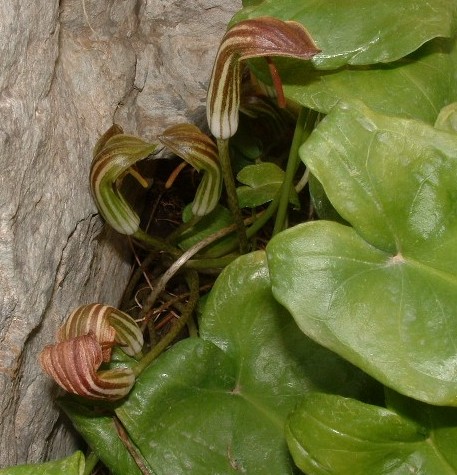
Arisarum vulgare is a common sight all over the Mediterranean and makes lovely carpets of leaves. It grows in shade or sun, from sea level to inland, and the funny miniature cobra-lily flowers appear continuously from October through April.
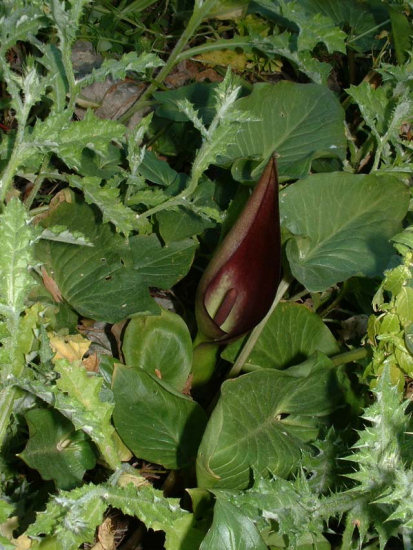
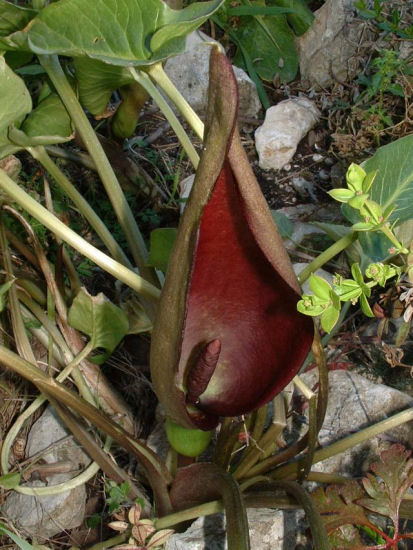
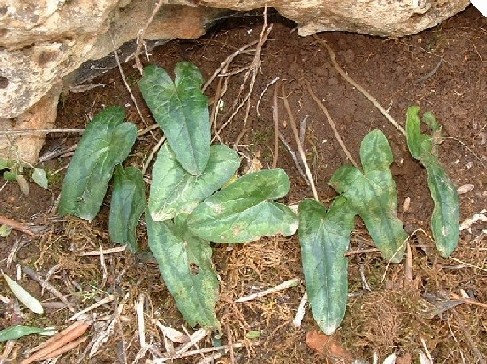
Arum apulum is an endemic species of central Apulia, related to Arum nigrum from the Balkans. It occurs in sparse woodland areas, being a shade loving plant. It follows the classic pattern of many Mediterranean geophytes, with summer dormancy. Leaves appears in October and flowering is in April. Listed as critically endangered (CR according with the IUCN Red List Categories) in the Italian Red Book of Plants.
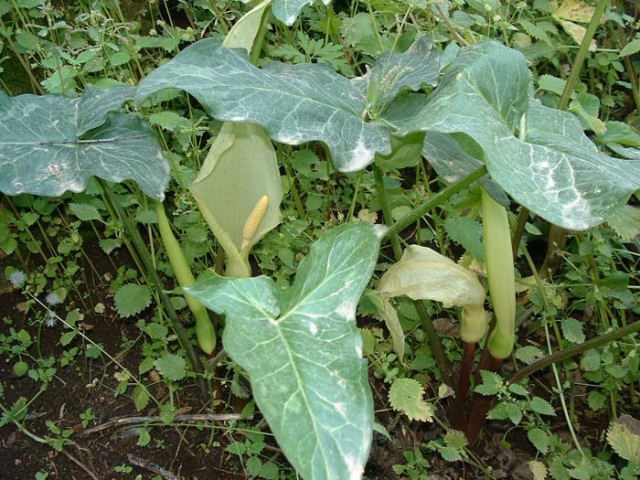
Arum italicum is a very variable species. It can be dark, plain green or with whitish-cream markings. Some plants are particularly variegated and often referred as 'marmoratum' or 'pictum,' but both names are invalid.
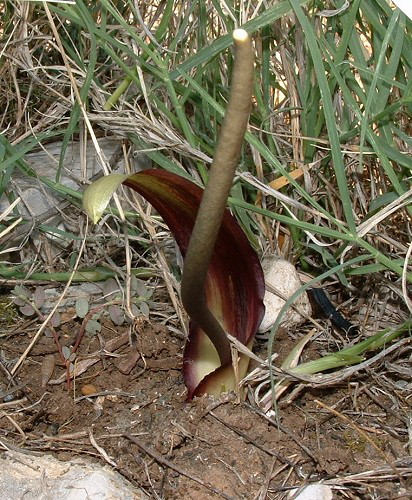
Biarum tenuifolium is a small plant, virtually impossible to see. Its leaves are pretty similar to many common weeds and the flower is mimetic, being the same colour of surrounding soil. Only its 'unique' scent reveals its presence!
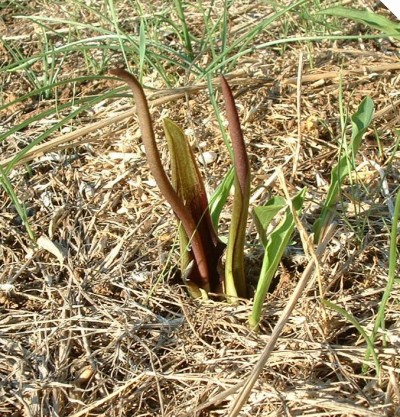
Colchicum cupanii is one of the smaller species, bearing 2-6 flowers and a couple of small leaves at the same time.
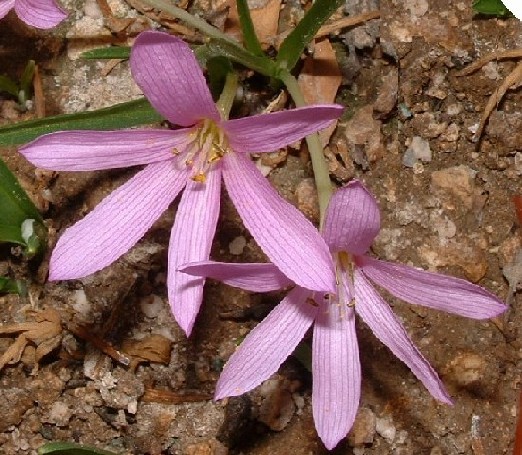
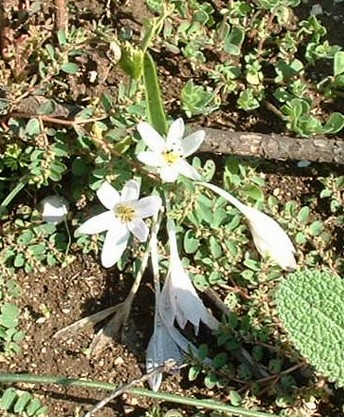
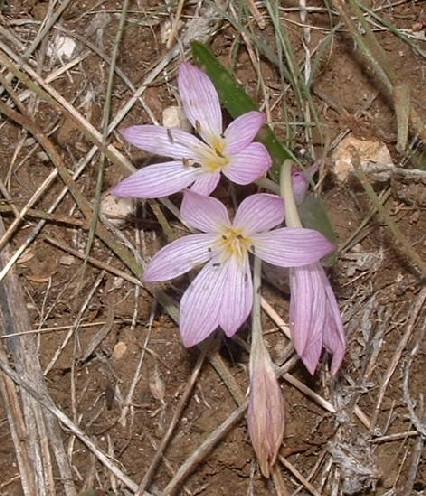
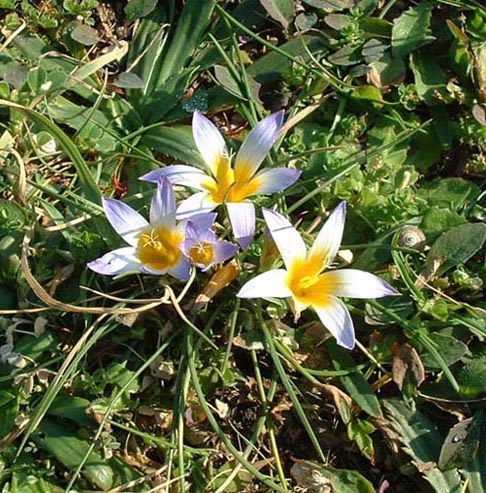
Crocus thomasii is endemic to Apulia and part of Dalmatia (ex Jugoslavia). It is an autumn-flowering species, awakening with the first rains, but always later than Sternbergia lutea and Colchicum cupanii. Flowers have a delicious honey scent and stigmas yield a good saffron substitute.
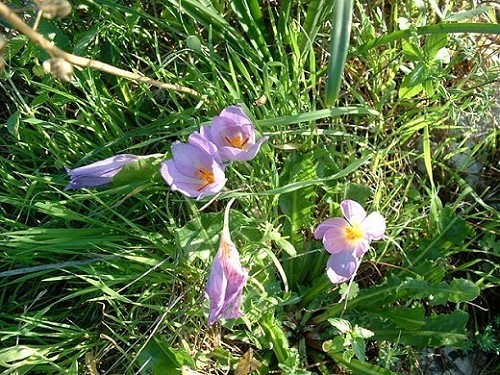
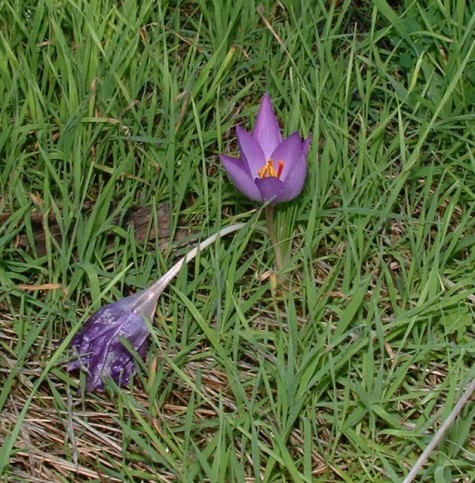
Cyclamen hederifolium The beloved 'wild cyclamen' is always nice to meet during excursions.
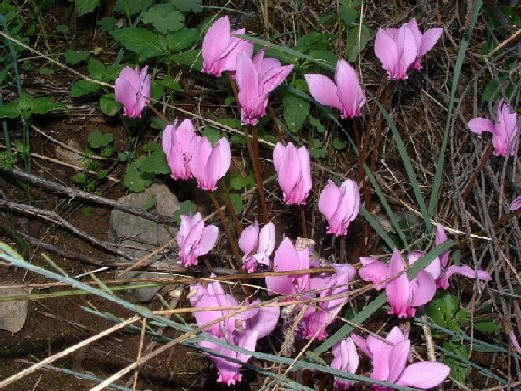
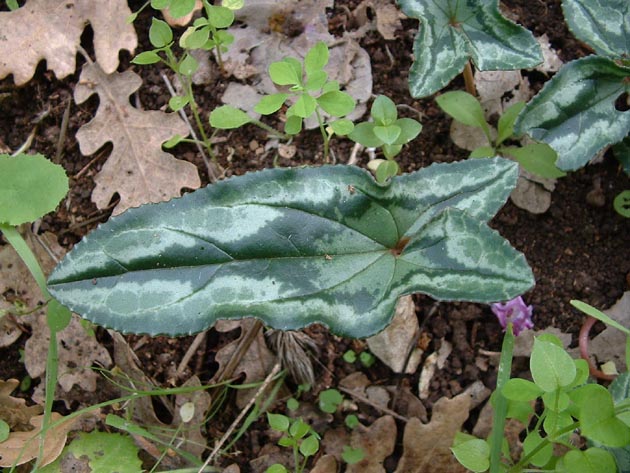
Cyclamen hederifolium var. poli is a rarely seen form or variety of this very variable species. Its main feature is the sagittate leaves, but it is reported to have scented flowers too. First records of this curious variant were made as early as 1700 by Tenore and other Italian botanists. Funny, at that age someone speculated it was a hybrid with Arum italicum !
Iris bicapitata is a medium bearded species endemic to the Gargano peninsula in northern Apulia, related to Iris lutescens but this species occurs on the other side of Italian peninsula and the two species have been misunderstood for a while. It bears two flowers atop of the 30-40 cm stalk, which open in succession. On rare occasions even three flowers are born, but this occurs on my cultivated plants, which are regularly feeded and watered. It is present in the violet and yellow forms, but even white and occasionally specimens with white standards and violet falls have been observed. Photos of cultivated specimens, from original wild collected samples.
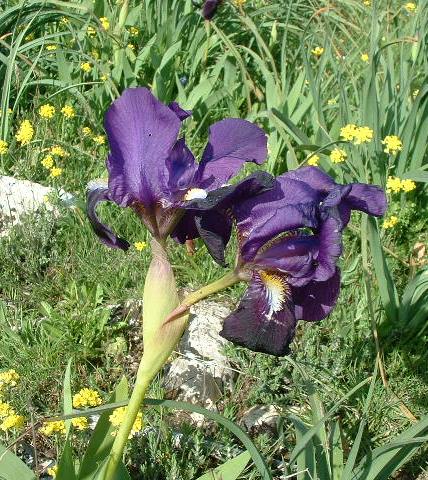
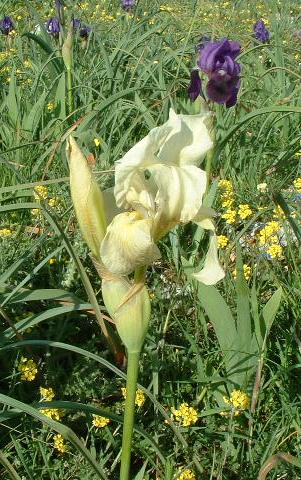
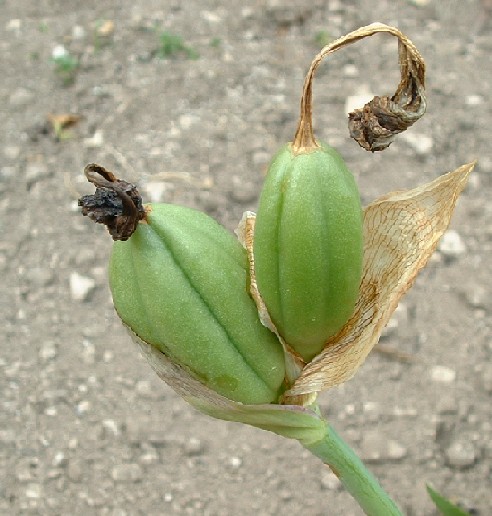
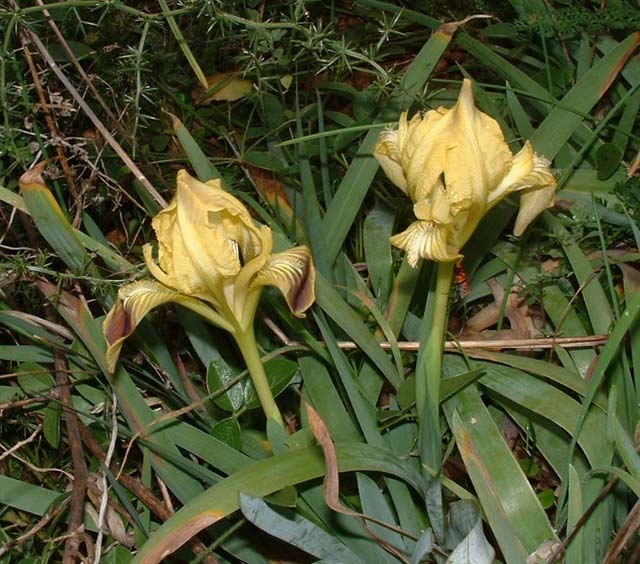
Iris pseudopumila is a dwarf bearded species, endemic to Apulia and Sicily. It is thought to be the ancestral form of all the bearded Iris. It grows in shallow stony soils and flowers from January to March.
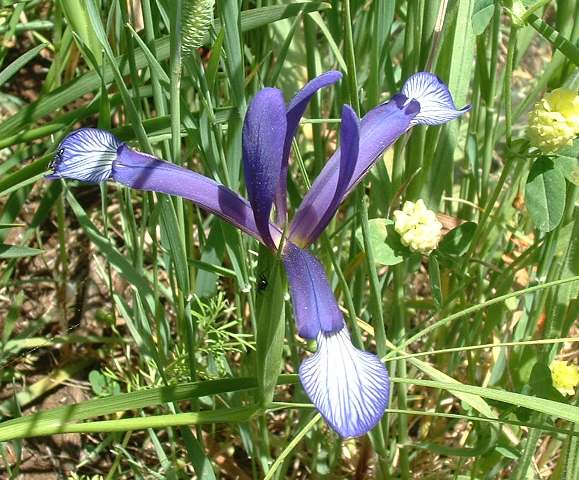
Iris sintenisii is from Southern Italy, the Balkan peninsula and Turkey. It has deep violet-blue flowers with white falls and violet veins. The plant is practically impossible to spot in the grass when not in flower since the leaves are totally grass-like.


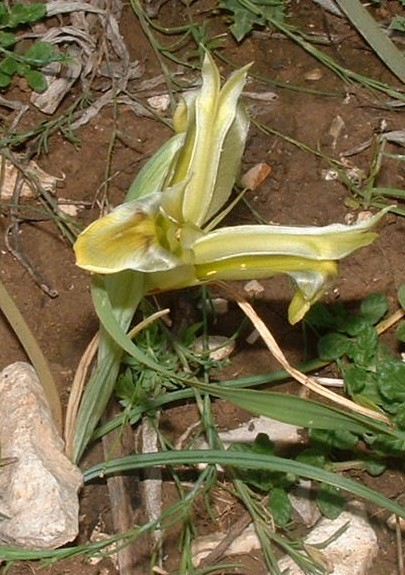
Iris tuberosa still often referred to by the old name of Hermodactylus tuberosus is a rather curious element of Mediterranean flora.

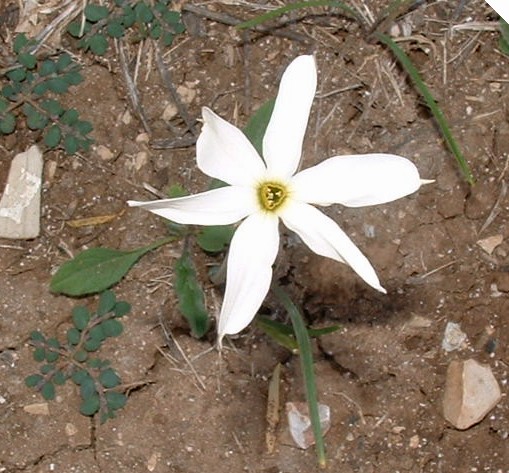
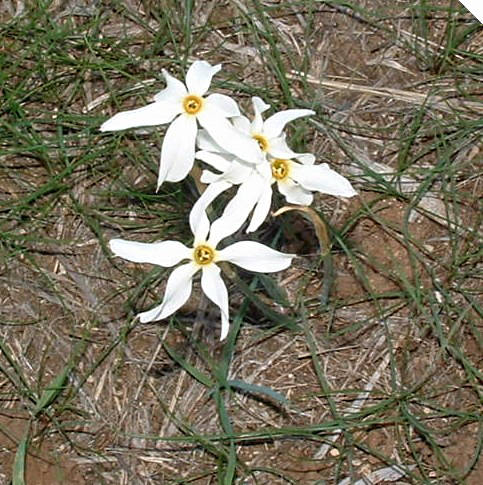
Narcissus serotinus is a diminutive species flowering at the end of September. Usually carries 1 flower but sometimes 2, or even 3.
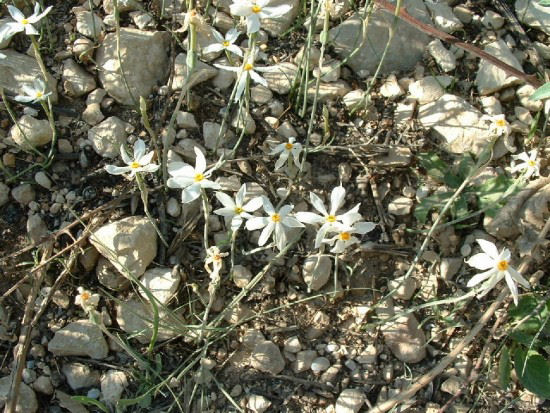
Ornithogalum montanum is a smallish species from arid and stony pastures. It differs from O. umbellatum in lacking the silver median stripe on the leaves, which are broad and flat on the ground. This is a non-suckering species and not invasive, even if photo shows a clump of several plants grown together in the same pocket of soil.
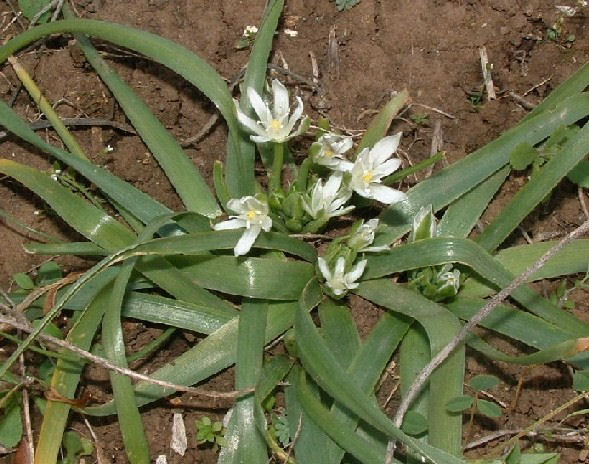
Ornithogalum umbellatum is a charming species spread all over the Mediterranean basin. It can be invasive in fertile garden soils.
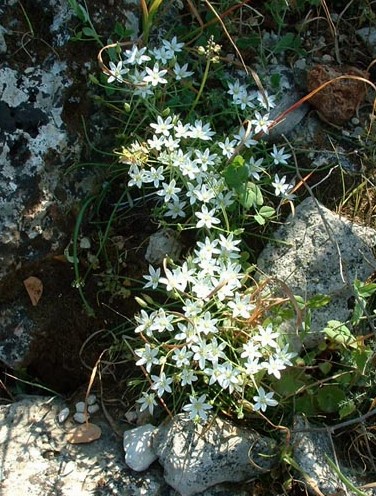
Romulea bulbocodium This is the form of this rather variable species found in central Apulia. It is common on the sea belt and can flower as early as mid January if winter is mild.
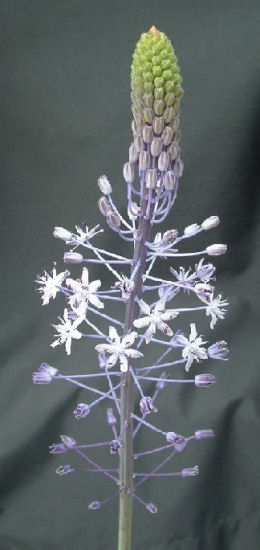
Scilla hyacinthoides is a Mediterranean species, originally from Middle East but naturalized here and there in South of Italy. It needs a poor stony soil to flower well, otherwise it will develope an abnormal number of offsets missing the flowering. It has been proposed to be moved into a new genus Nectaroscilla with it as the sole species, Nectaroscilla hyacinthoides.
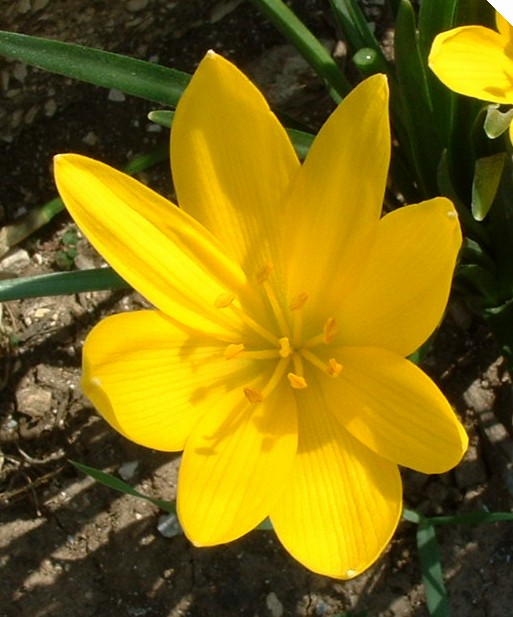
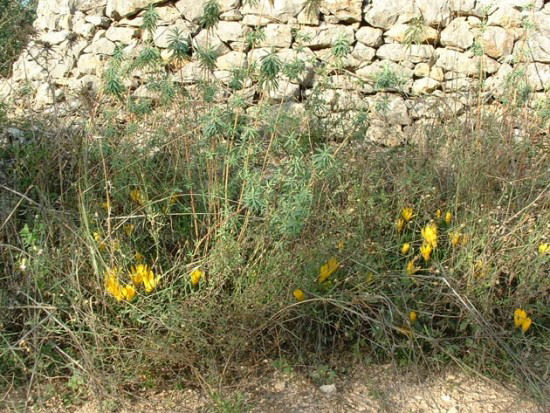
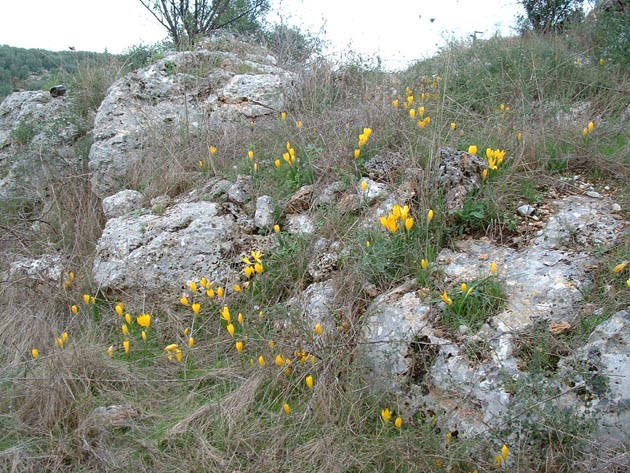
Sternbergia lutea occurs usually in stony soils, in open areas. It is still rather common in rural areas, along country roads.
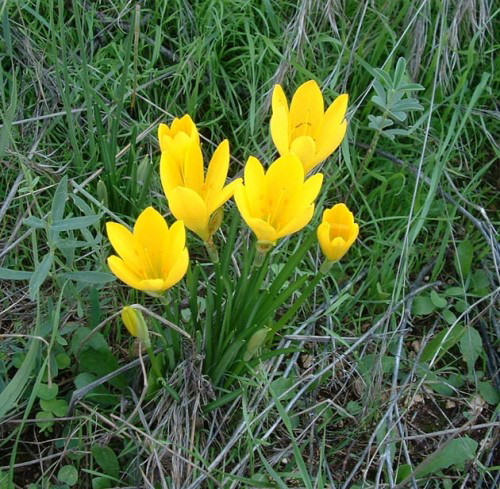
Occasionally, multipetal forms can occur, as in Zephyranthes.