Mathew’s subgenus Limniris are Irises that grow from rhizomes and are beardless. They are native to North America, Africa, Europe and Asia. Many of these plants are found in wetlands and some require moist rich soils while others can dry out a little. Mathew has divided this group into two sections. One section is Lophiris or the Crested Irises. The other section is Limniris which includes all the rest. This section is further divided into many sub groupings. The only subgroup that we have included at this stage on our wiki is Pacific Coast Irises. All the others are listed on this page and other Beardless iris pages wiki pages. Species a-k will be listed on this page.
For information about the others consult Beardless iris l-r - Beardless iris s-z
Iris species from all groups are listed alphabetically on the Iris wiki page.
Iris anguifuga Y.T.Zhao & X.J.Xue from China has violet or blue flowers, spotted purple. Height range: 60-90 cm. Photo by John Lonsdale.
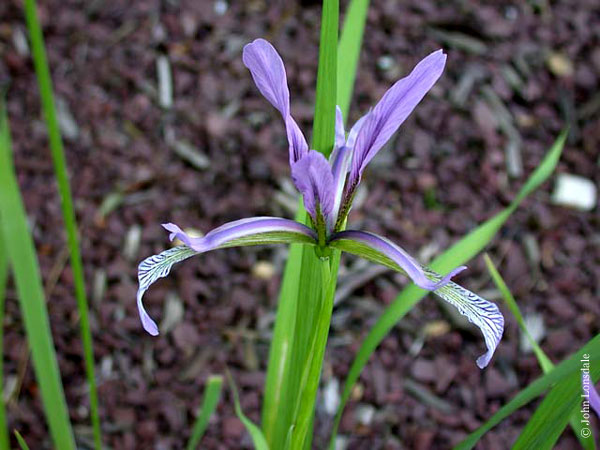
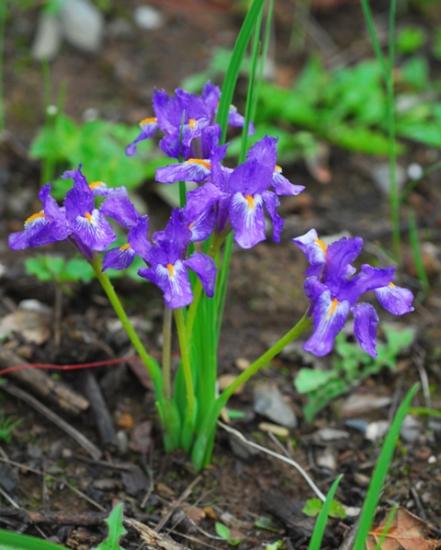
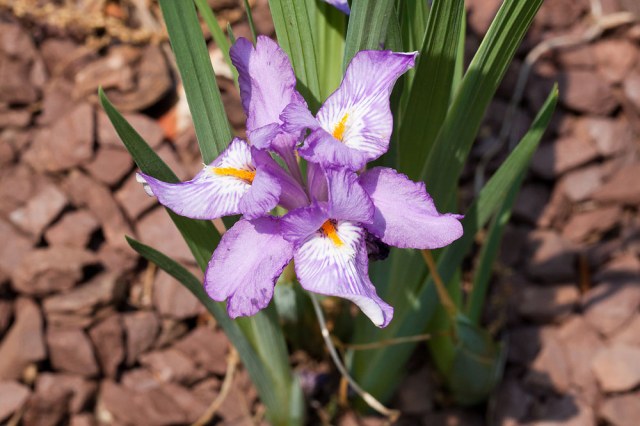
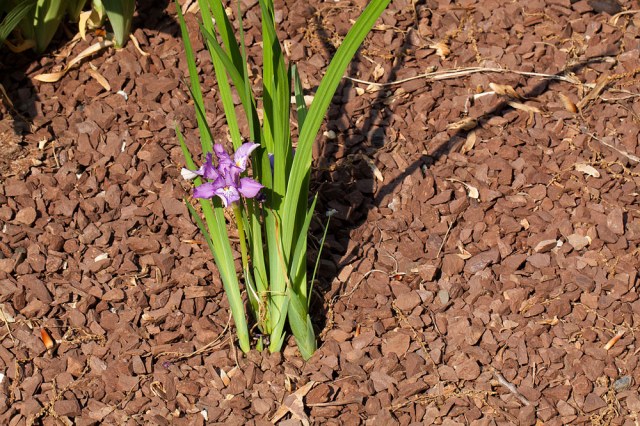
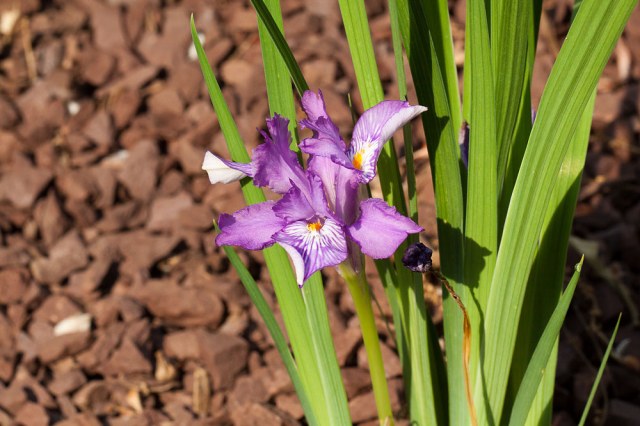
Iris barbatula Noltie & K.Y.Guan is a small tuberous species from Yunnan province. It is about 10 cm tall with dark violet flowers. It grows in open grassy areas and forest clearings at high elevations and tends to form small clumps. The first photo was taken by Oron Peri in its habitat. The next three photos are from John Lonsdale.
Iris brandzae see Iris sintenisii ssp. brandzae. Note: Some databases list this as a subspecies of Iris sintenisii and in other databases it is listed as a species.
Iris brevicaulis Raf. was long known as Iris foliosa Mack. & Bush. It is one of the so-called Louisiana irises, although this species ranges north into Ohio and west into Kansas. This is a low growing species whose leaves typically are taller than the inflorescence. The inflorescence itself is short and has a sort of zig-zag shape, with a flower at each angle. And because the inflorescence typically leans, the four to five inch flowers are rarely more than a foot above ground. This species is one parent of the now nearly century old hybrid Dorothea K. Williamson. Height range: 25-50 cm. Photographed by and in the garden of Jim McKenney on June 11, 2006.
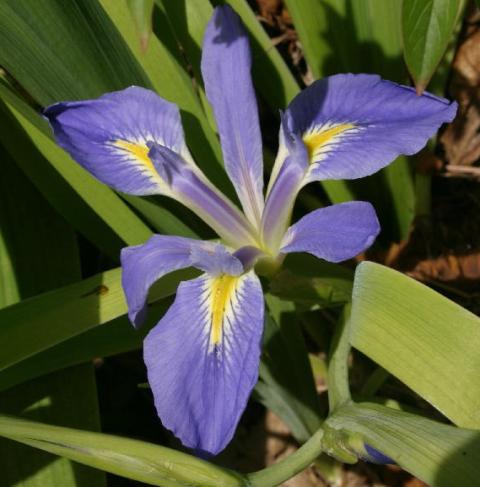
Iris collettii Hook.f. is similar to Iris barbatula except smaller in all parts. The flower is usually pale lavender or lilac with a yellow crest surrounded by a white signal patch. It is widely distributed in China and neighboring countries where it grows in different habitats: wood edges and clearings, shrubby areas etc. Height range: 15-30 cm. Photos were taken in NW Sichuan by Oron Peri.
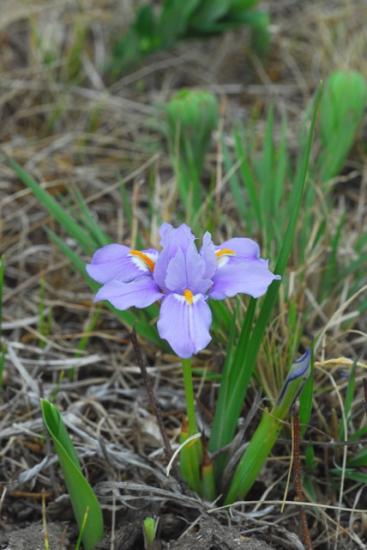
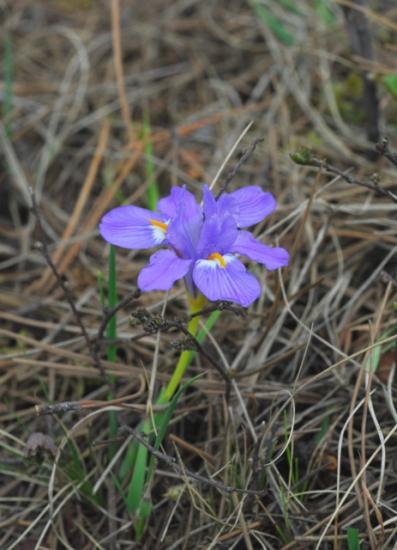
Iris dabashanensis C.A.Wilson was discovered in southern China in the mountains of northern Guizhou Province on an expedition in 2003 and named in 2020. It was found dotting the hillside with its small, pale, smokey-lavender flowers and narrow leaves intertwined between sedge leaves. It was first thought to be Iris henryi. Height: to about 40 cm. Photos from Dennis Kramb.
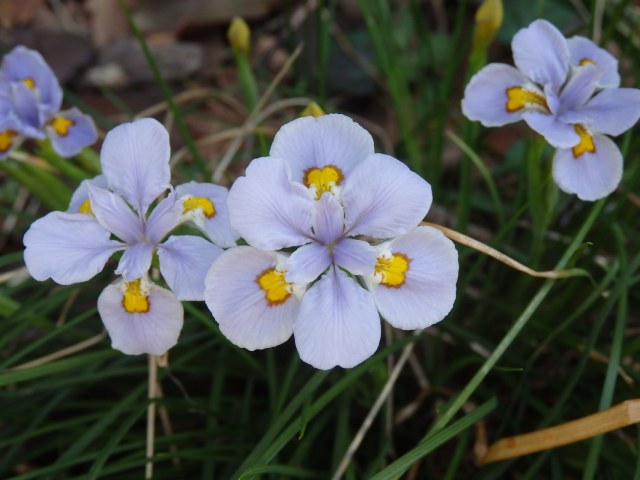
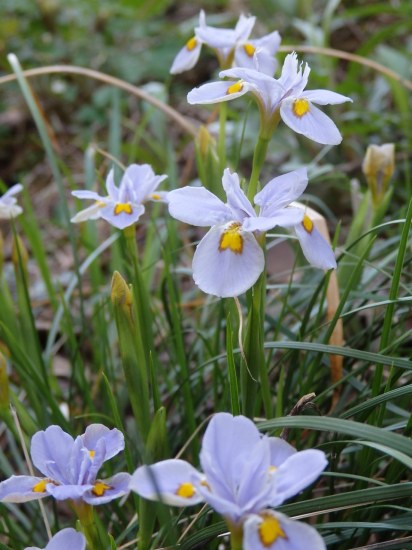
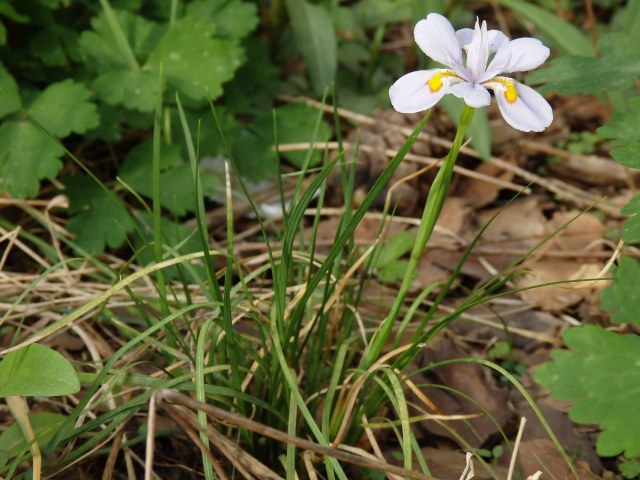
Iris dolichosiphon subsp orientalis Noltie is a small elegant alpine plant restricted to high elevations in Yunnan and Sichuan provinces. Height range: 60-90 cm. Photo was taken in Sichuan at 4900 m by Oron Peri.
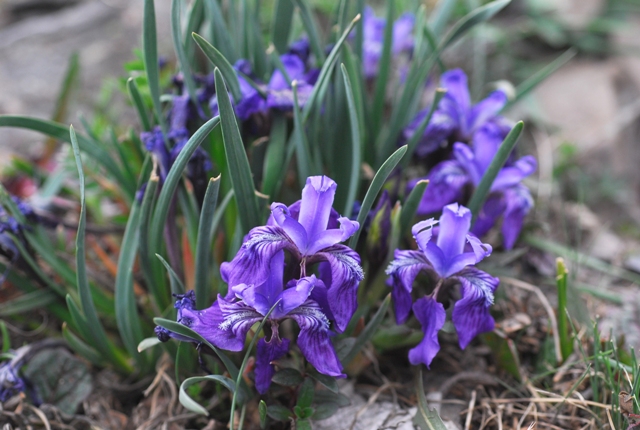
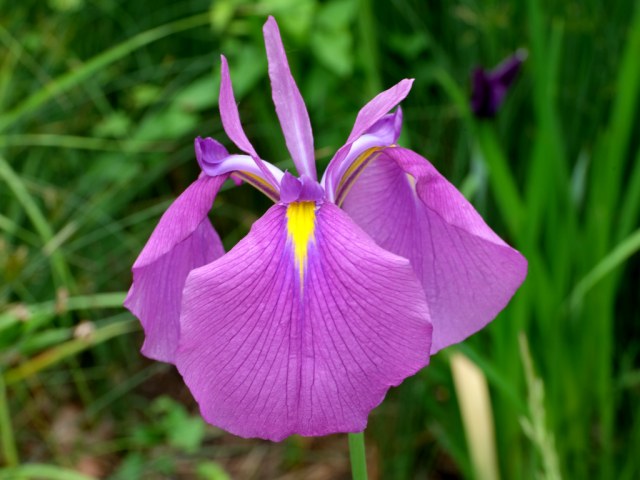
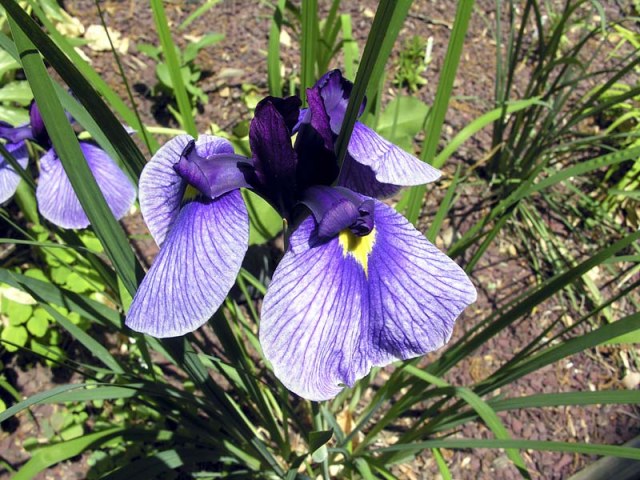
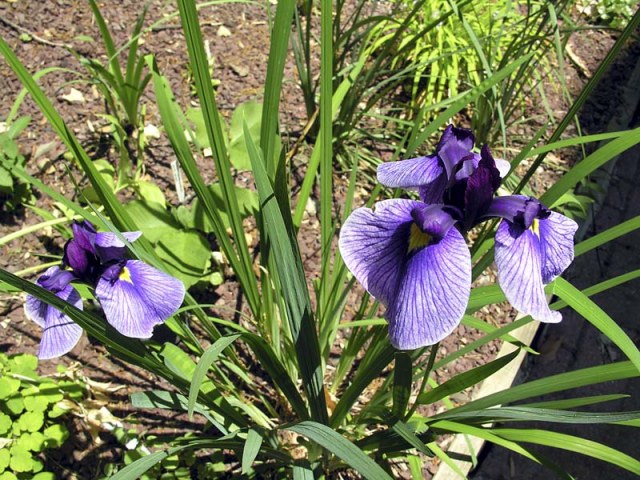
Iris ensata Thunb. is a plant from eastern Asia (Japan, China) with purple or reddish purple flowers. There have been hundreds of selections made including white and bicolors, all veined and with spotted falls. Many flowers are very showy. These plants are often grown near water. This is known as Japanese Iris and it enjoys damp, rich, acidic soils and full sun. Height range: 2-4 ft. The first photo is by Martin Bohnet. The other photos are from John Lonsdale.

Iris ensata 'Variegata' - Most of the named cultivars of this iris have very large showy flowers, but this variegated form has flowers that are closer to the wild forms. The foliage is the main attraction and remains beautiful throughout the growing season. Photo by Jay Yourch.

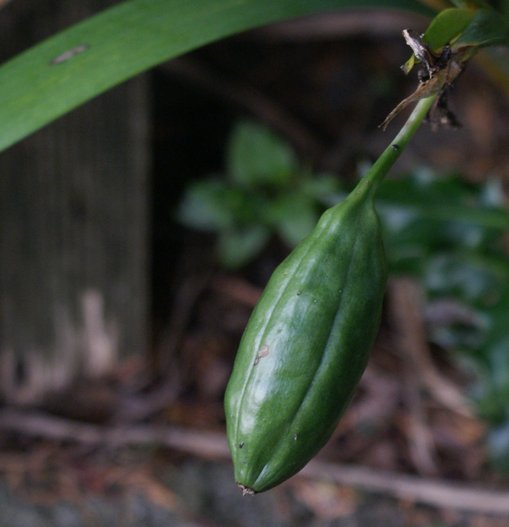
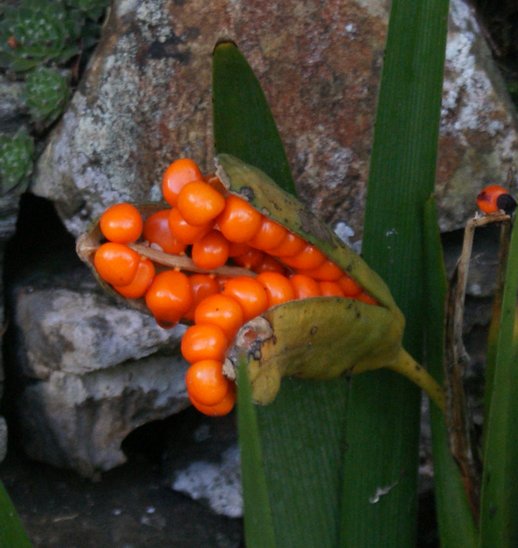
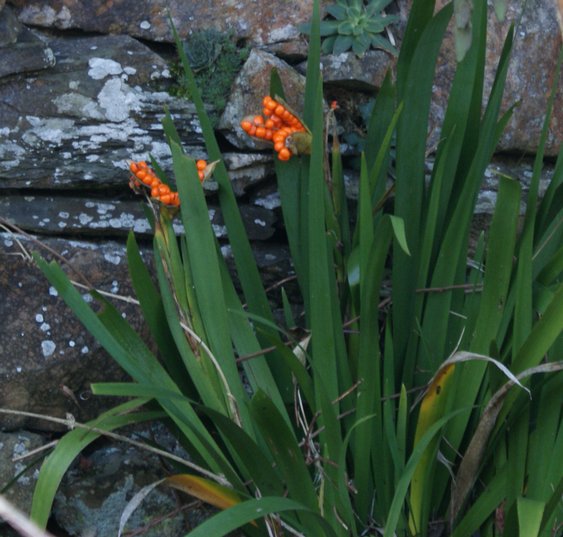
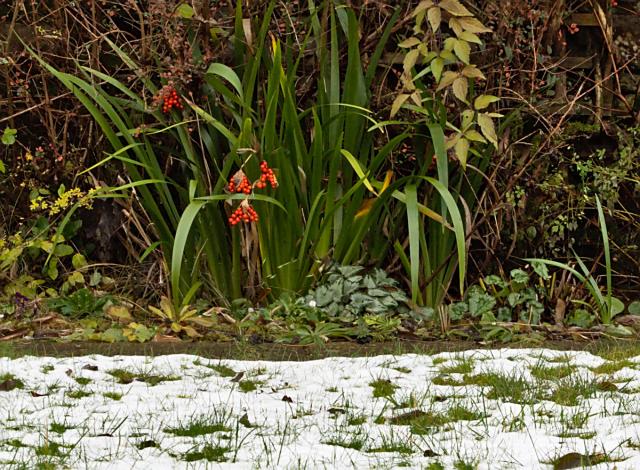
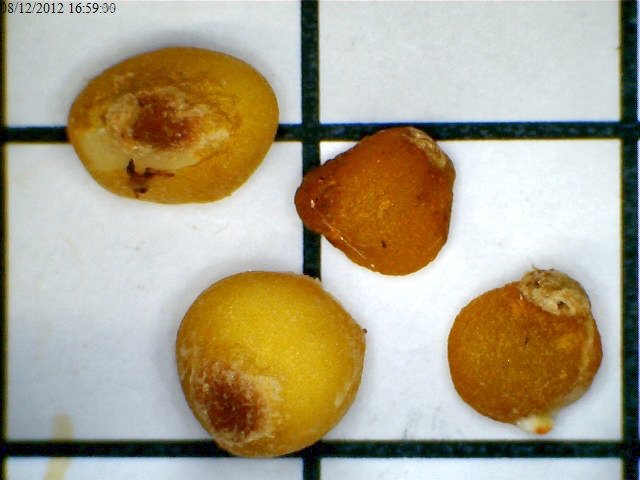
Iris foetidissima Aitch. & Baker is the only species in the Series Foetidissimae. These have a tough, almost woody rhizome, evergreen foliage and mostly bland pale and insignificant flowers. Some selections have more attractive well colored flowers, but the plants are often grown because they tolerate a good deal of shade and produce large seed pods filled with bright red seeds that spill from the pods when ripe in autumn. Some selections have yellow, orange or white seeds. Common names include Stinking Iris, Stinking Gladwin, Gladdon, Gladwin Iris, Beef steak iris. It is native to Western Europe including the British Isles. The plentiful seeds and its robust nature ensure that once grown it is hard to get rid of, but it is not hardy in northern gardens. Despite the above list of common names a lot of effort crushing the foliage is required to generate any aroma. The leaf shown in the second photo is about 20 mm wide. The flowers are pictured in early June and the fruit at the start of November (photos 4-5) and mid December (photo 6). Height range: 30-60 cm. Photos by David Pilling.
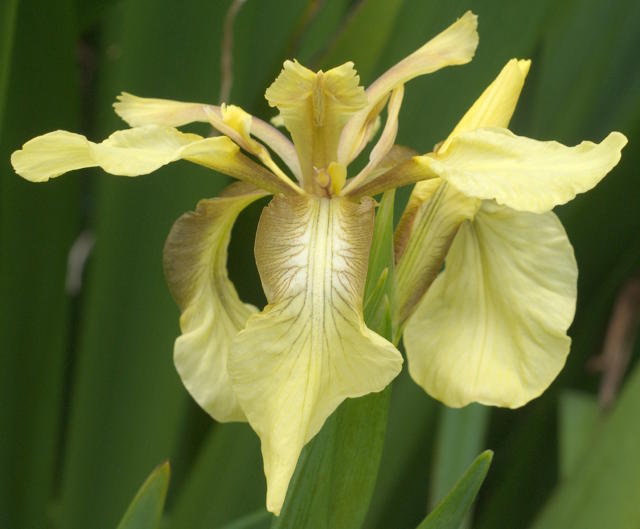

The first photo shows the proper appearance of a flower, the next two display additions that occur on some.
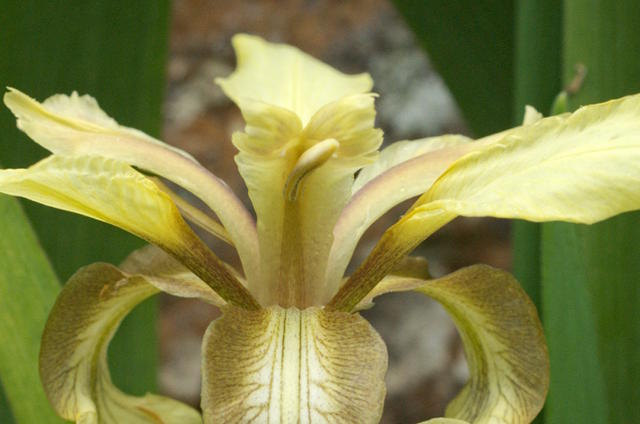
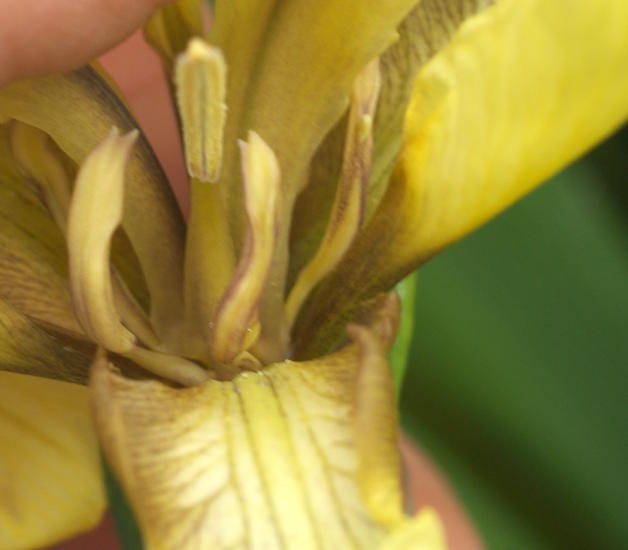
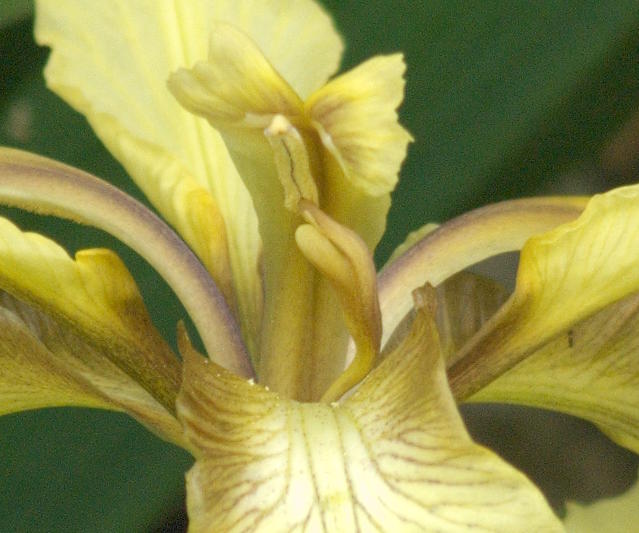
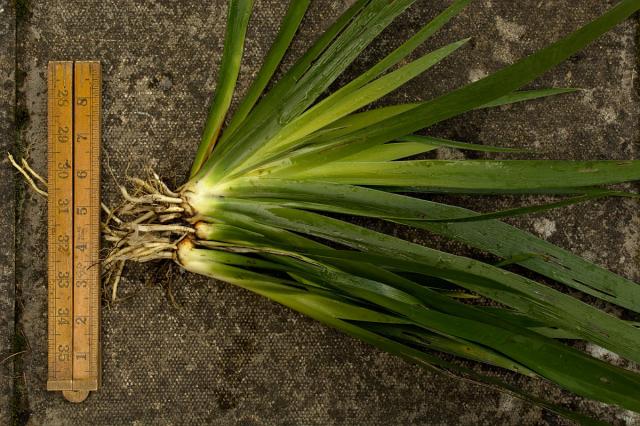
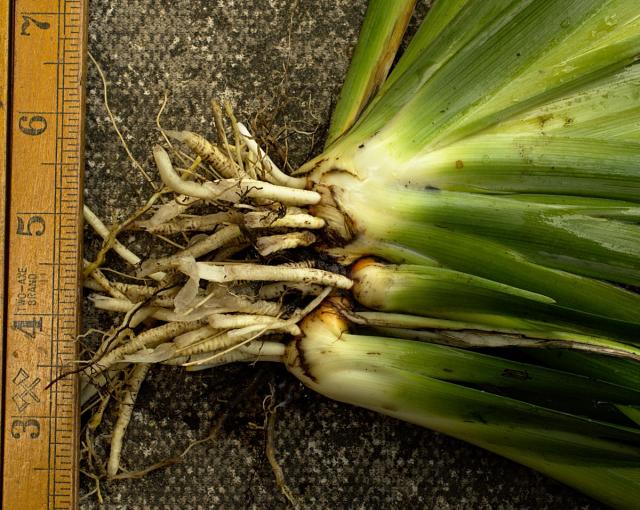
Photographs of seeds. The first photo shows seed on a 10 mm grid, in the middle are a dry seed and a seed with the flesh freshly removed. The second photo is of fresh and dried seeds on a 10 mm grid. Photos 3 and 4 are of a complete plant; the ruler is marked in inches.
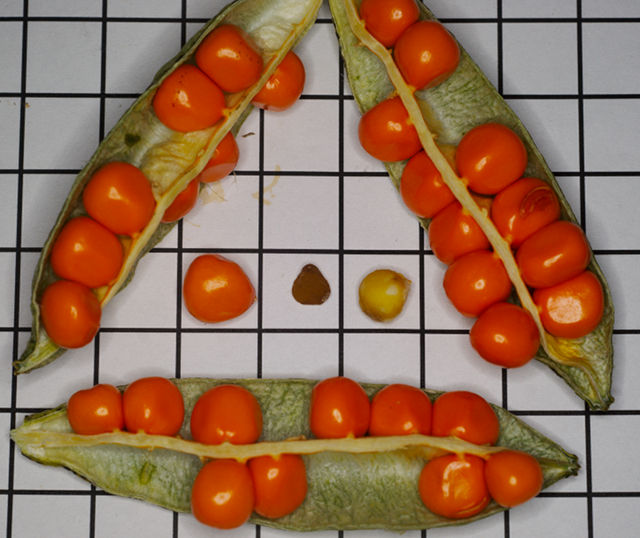
Iris foetidissima var. citrina is the garden yellow form, the photo below is public domain by Jymm from Wikimedia Commons, taken in Cap Sizun, Bretagne, France on the 11th June 2004.

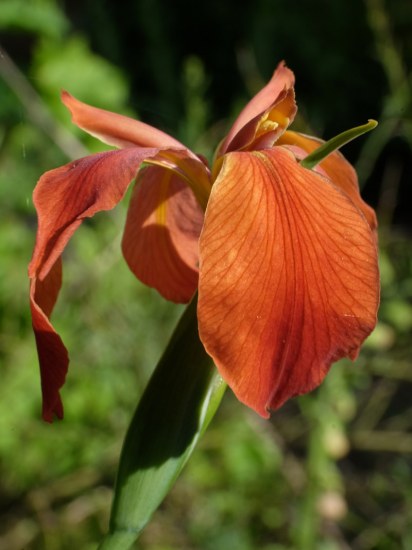
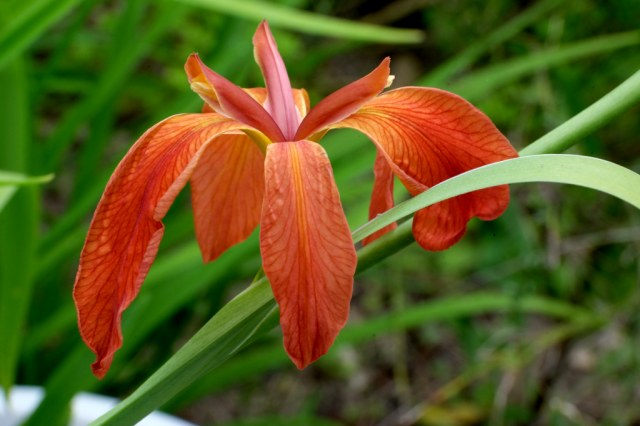
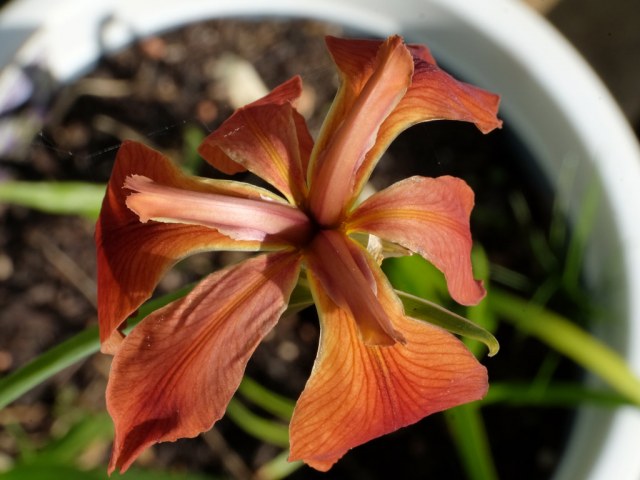
Iris fulva Ker Gawl. is often named Copper Iris, for its rusty red flowers -- a quite unique color in beardless irises. Its native range spans the southern USA spreading from the river Mississippi to the east. It grows in wet soil or shallow water from about 2 cm thick greenish rhizomes. The flowers are unusual as both falls and standards droop down, giving the single flower quite a different appearance from different angles through their different shape. Flowering occurs in late spring or early summer, and the plants may enter a short dormancy in late summer. Height range: 60-90 cm. The photos show a plant grown by Martin Bohnet.
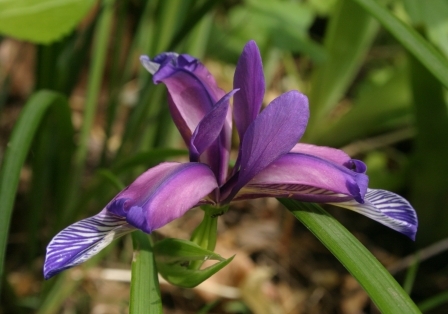
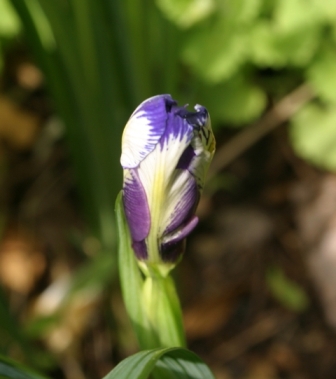
Iris graminea L. has a distribution which ranges from Spain, France, Northern Italy, to the Caucasus. Although related to Iris spuria, it is a much smaller plant and for garden purposes has little in common with the large spuria cultivars. A plum-like scent is often attributed to the flowers of this plant, although the flower shown in the photograph had a wax-like scent devoid of floral or fruity qualities. Height range: 20-45 cm. Photos 1 & 2 were taken by Jim McKenney on May 17, 2006 in his zone 7, Montgomery County, Maryland, USA garden. In the first photo, the white patches on the undersides of the falls are apparent. The third photo was taken in its habitat in Spain (Pyrenees) by Oron Peri.
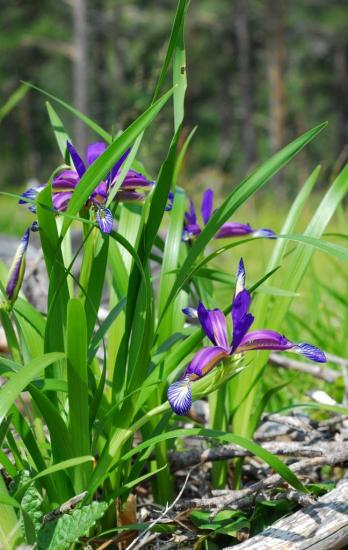
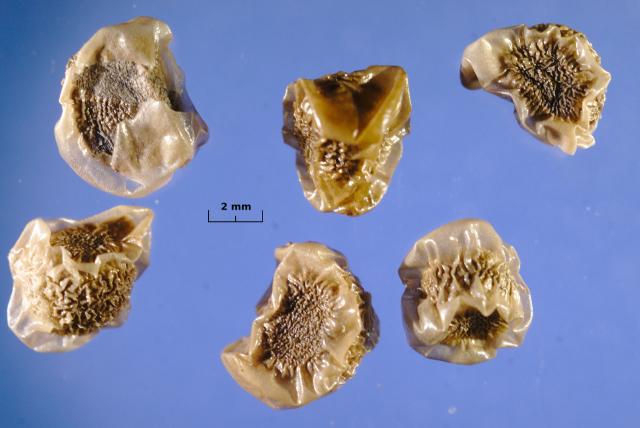
Iris halophila Pall. is distributed from China to eastern Europe, taking in Pakistan, Afghanistan and Mongolia. It was classified as Iris spuria subsp. halophila (Pall.) C.E.Lundstr. Height range: 60-90 cm. Photo taken Kor!An (Корзун Андрей) from the collection of the Botanical Garden of Moscow State University (main area on the Sparrow Hills), and found on wikimedia and shared under a CC BY-SA license. Seed photo David Pilling.
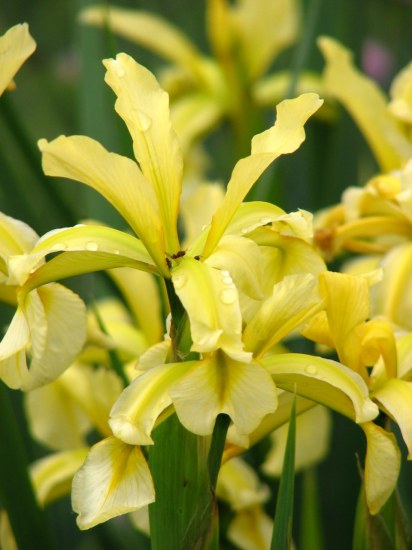
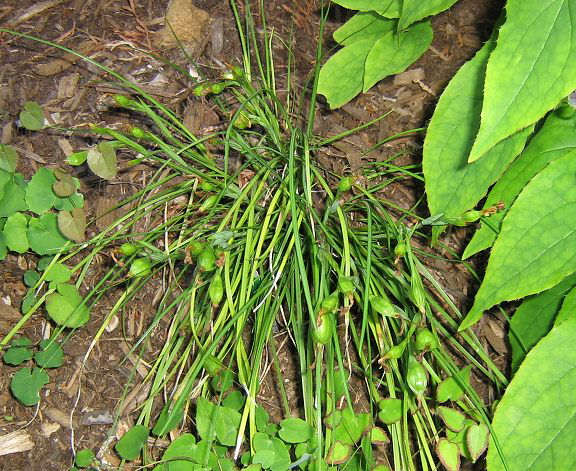
Iris henryi Baker is a really choice rare little Chinese woodland species with very narrow grassy leaves and light blue flowers on 3" stems. Height range: 40-70 cm. Photos by Mark McDonough taken in May 2006. Each flower stem has two buds. The second photo shows the developing seed capsules.
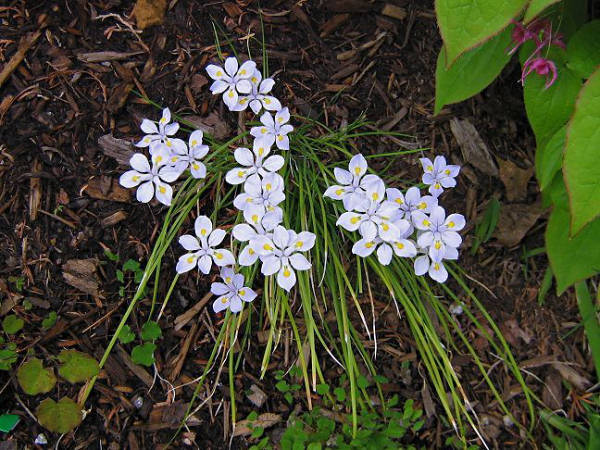
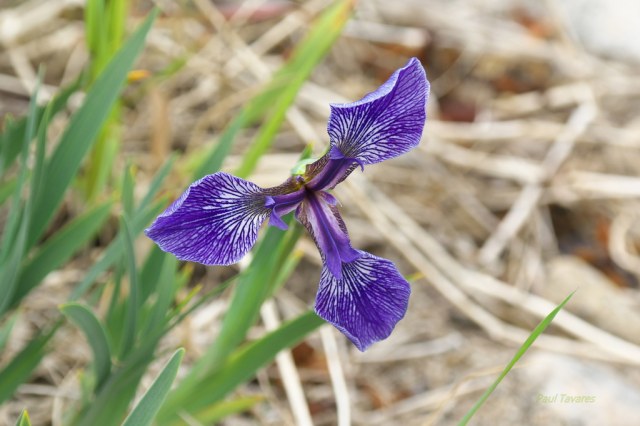
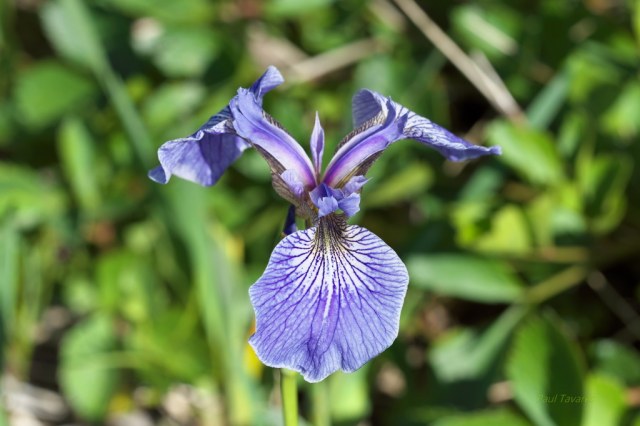
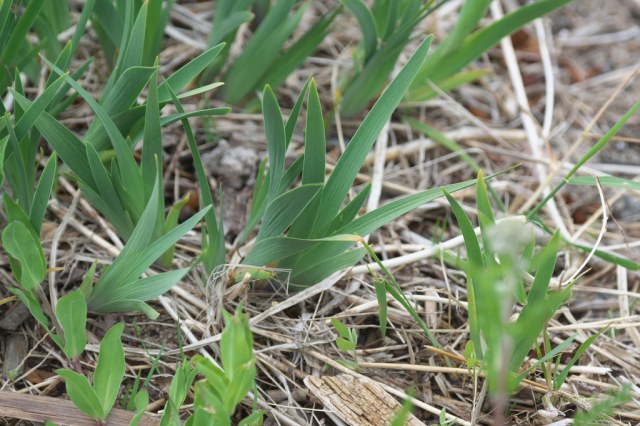
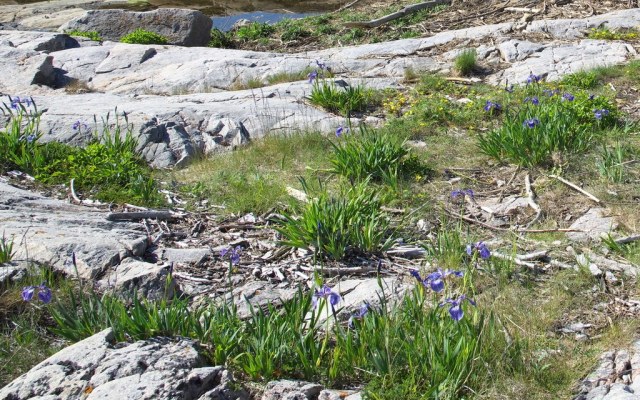
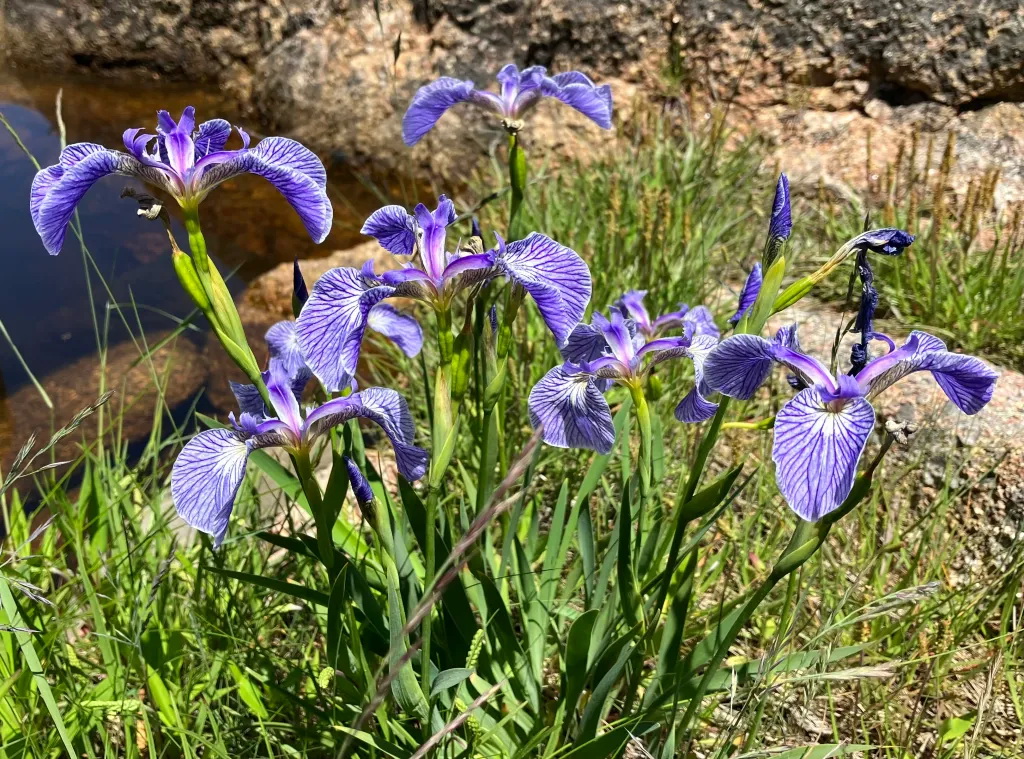
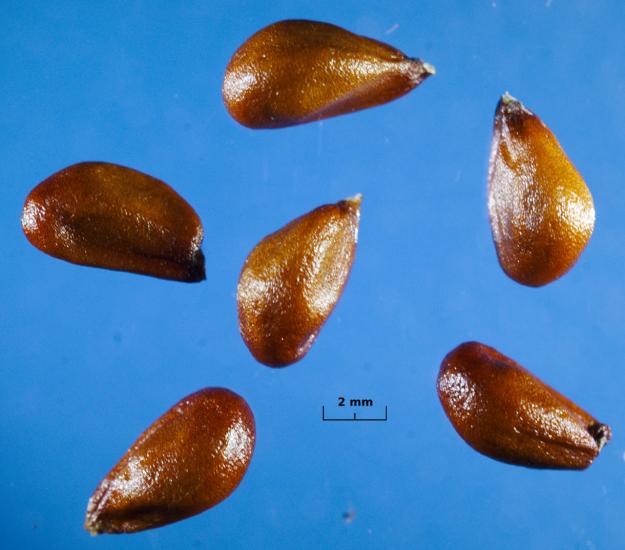
Iris hookeri Foster is from the northeast coast of the USA and Canada and is related to Iris setosa. Height range: 10-35 cm. The first four photos from iNaturalist were taken by Paul Tavares in Québec, Canada in June and shared under a CC BY-NC license. The fifth photo was taken by Nicholas Plummer in Maine. He noted "it seemed to be restricted to rocky headlands and shorelines, where it survived the harshest imaginable conditions. Some plants were growing out of cracks in the granite, just above the high tide line, where a small amount of organic material had collected." The last photo of seed was taken by David Pilling.
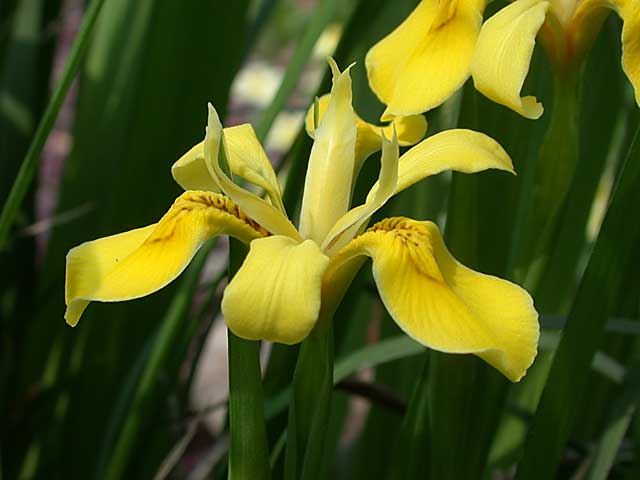
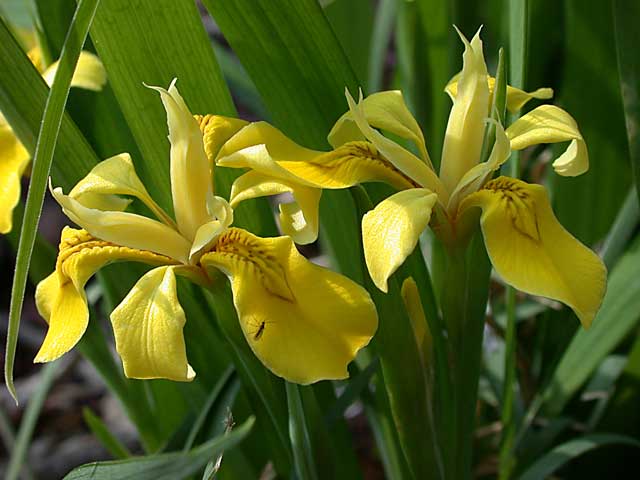
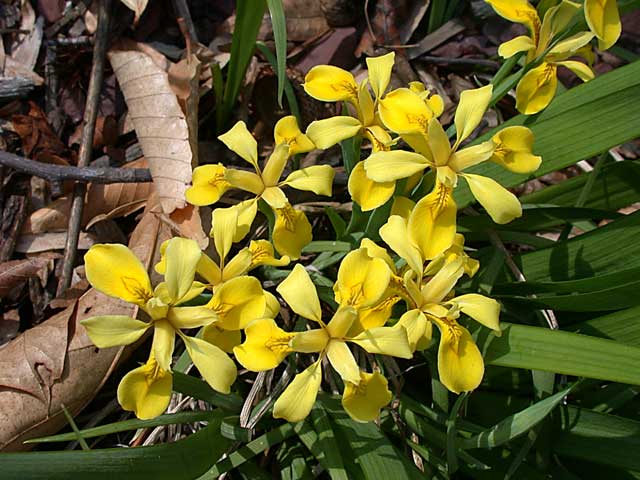
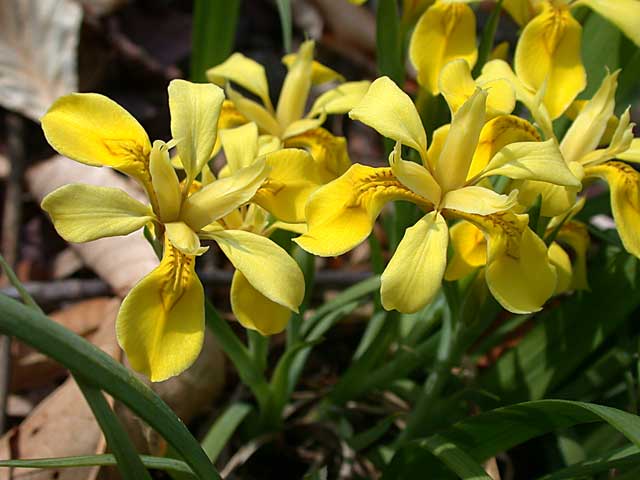
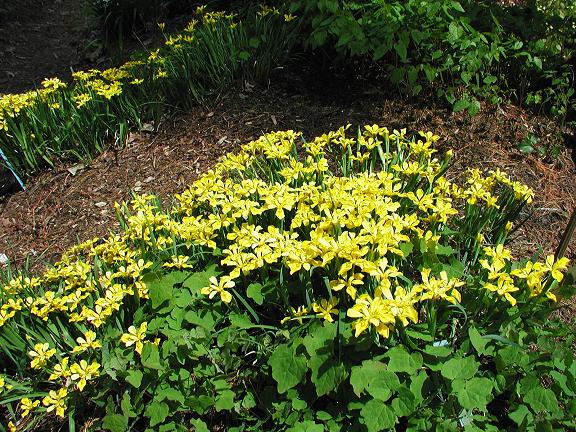
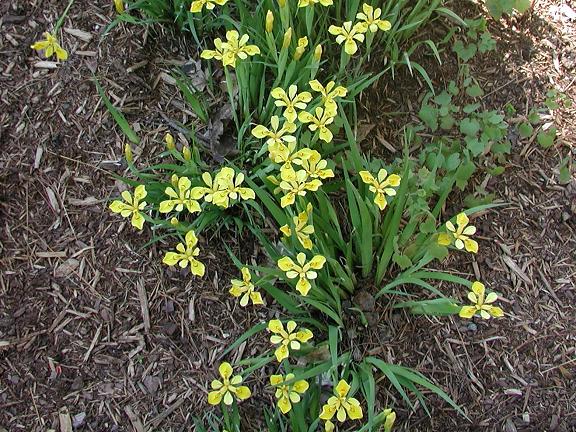
Iris koreana Nakai from Korea, is a dwarf, yellow-flowered spreading iris suitable for similar woodsy conditions, although taking sun too. One of Darrell's great introductions from his Epimedium nursery known as Garden Vision. Height range: to about 40 cm. The first four photos from John Lonsdale. The last two photos by Mark McDonough.
Iris Index - Beardless iris a-k - Beardless iris l-r - Beardless iris s-z - Crested Irises - Garden Bearded Irises - Juno iris a-i - Juno iris j-r - Juno iris s-z - Aril Irises - Miscellaneous Irises - Pacific Coast Irises - Reticulata Irises - Spanish Irises - Belamcanda - Hermodactylus - Pardanthopsis