Hesperantha is a cormous genus in the Iridaceae family from southern and tropical Africa. Species l-p are found on this wiki page. See the links below for information about this genus and other species.
Hesperantha species a-c - Hesperantha species d-j - Hesperantha species q-z - Hesperantha index
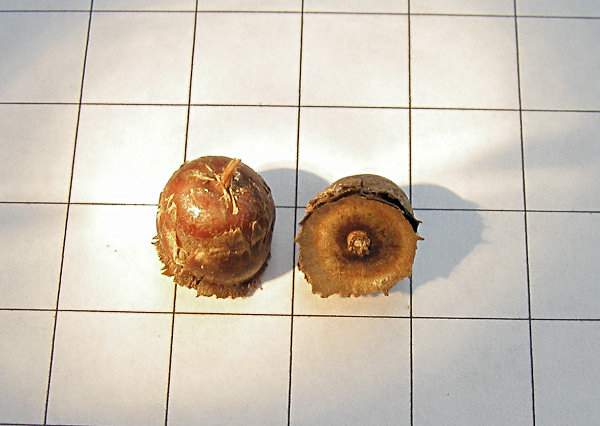
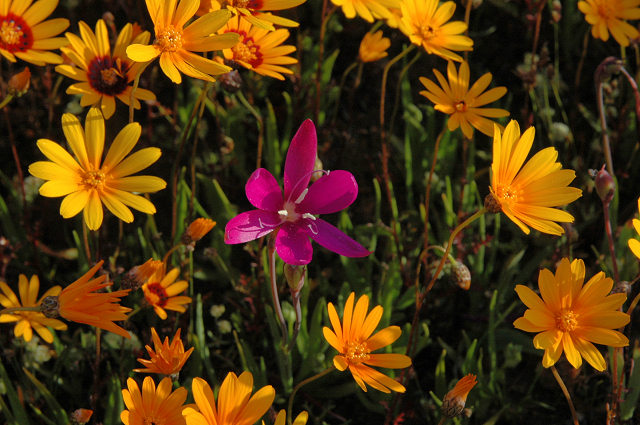
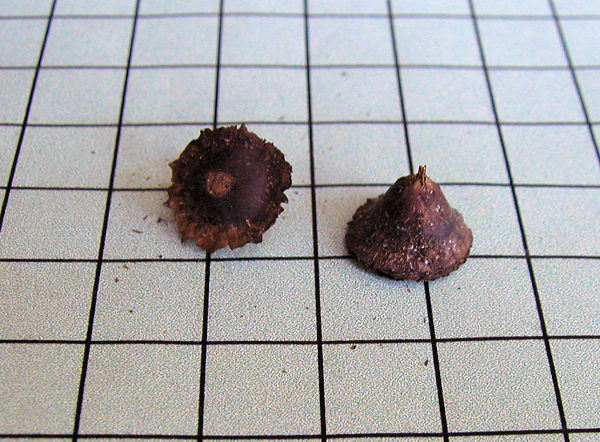
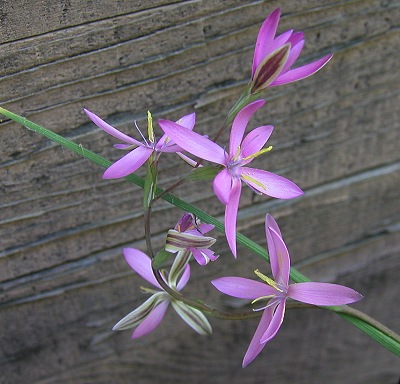
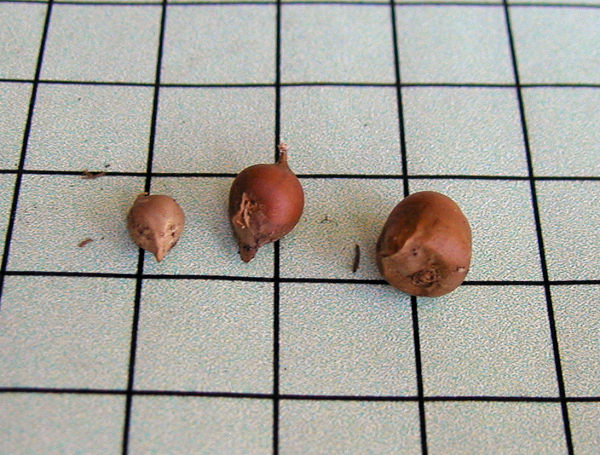
Hesperantha latifolia (Klatt) M.P.de Vos is a small (3 to 8 cm) species from Namaqualand with bright pink long tubed flowers that are open during the day. This species is pollinated by long proboscid flies. Photos below from Mary Sue Ittner are of plants grown from seed and blooming in Northern California in February and of corms on a 1 cm grid.
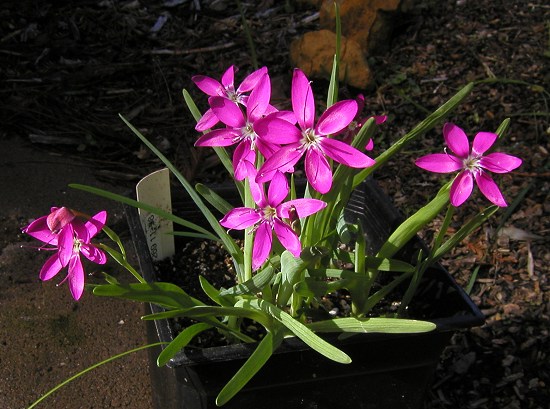
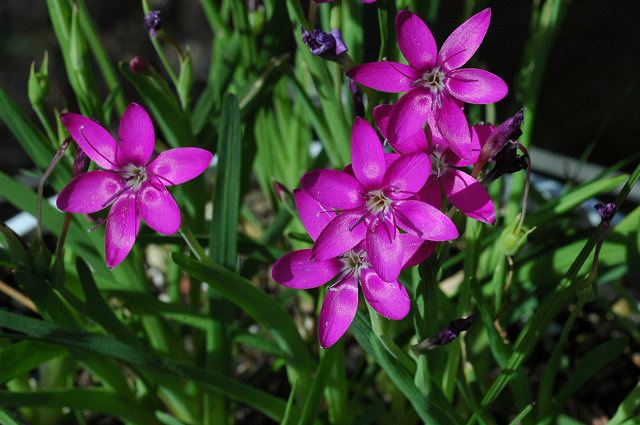
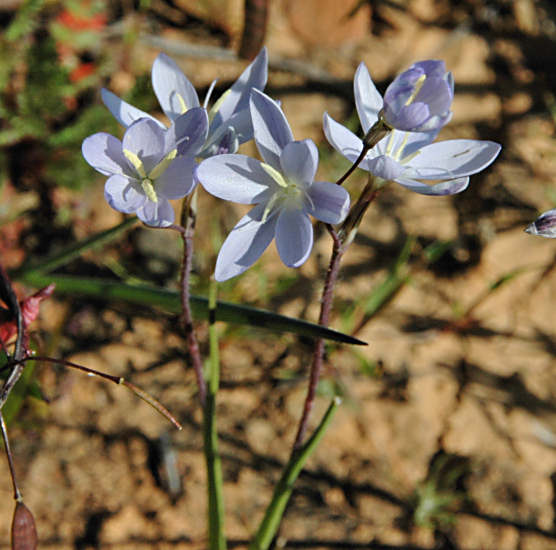
Photos taken in Namaqualand by Bob Rutemoeller and Mary Sue Ittner. The last one also features Romulea citrina.
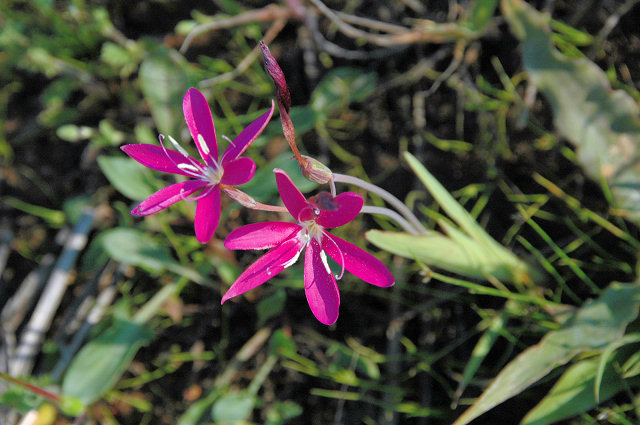

Timelapse video of flowers of Hesperantha latifolia by Richard Sullivan
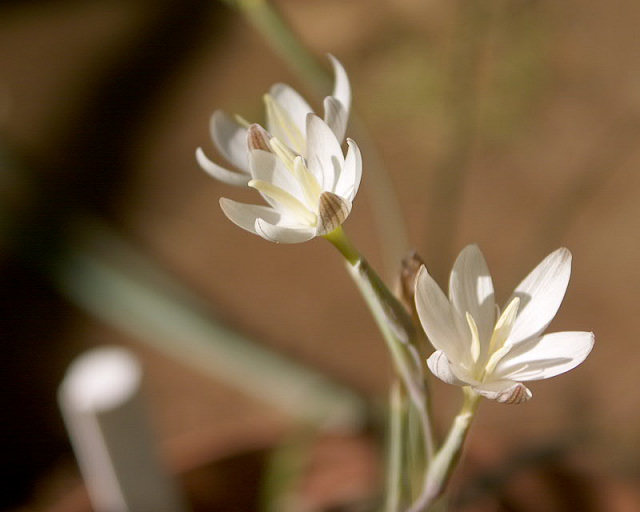
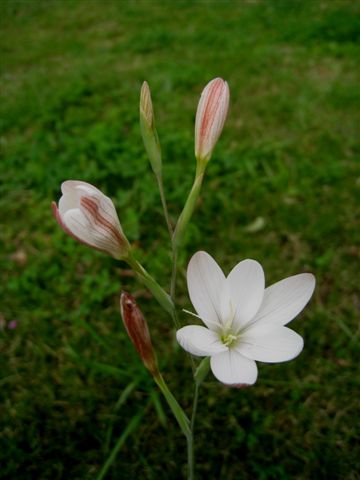
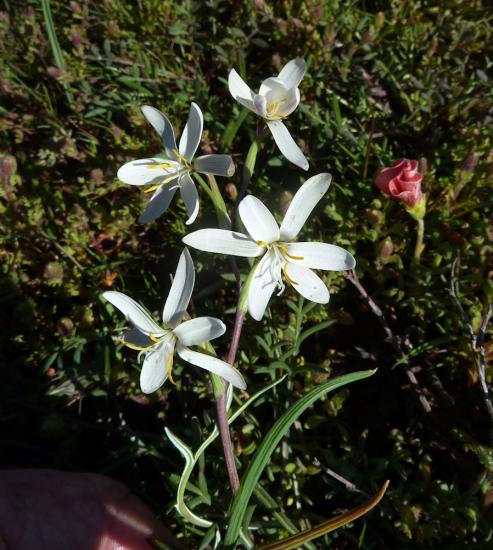
Hesperantha longituba (Klatt) Baker grows in grassland and karroid bush in the summer rainfall areas (the Free State to the southern Cape). It is a spring flowering species with sword-shaped leaves and white flowers, often pink on the outside, that open in the late afternoon. Height range: 15-20 cm. Photos taken by Cameron McMaster, including the last taken near Somerset East in the Eastern Cape.

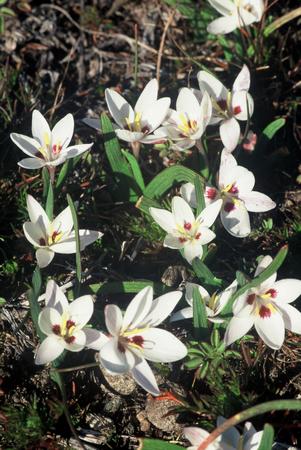
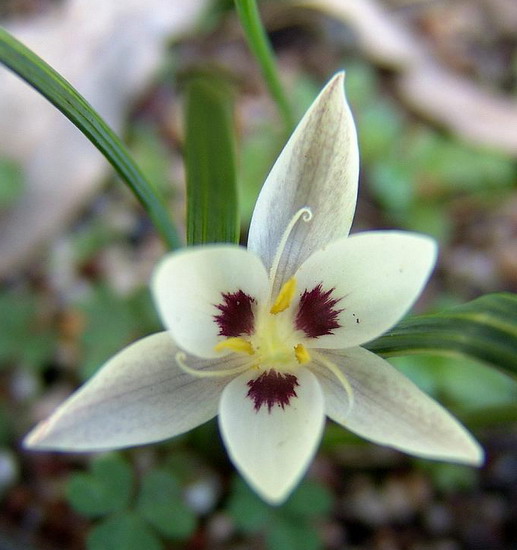
Hesperantha luticola Goldblatt is found on stony flats in seasonal pools or watercourses in the Roggeveld. Plants grow to 10 cm high and have only one or two flowers per spike. The flowers are white with dark purple blotches at the tepal base. Plants flower in winter, are open during the day, and pollinated by bees. First photo from Rod Saunders 2nd from Mary Wise. Photos 3 and 4 from Richard Sullivan showing a plant in cultivation grown from Silverhill seed. The last photo shows the seeds forming down at soil level at the base of the leaves.


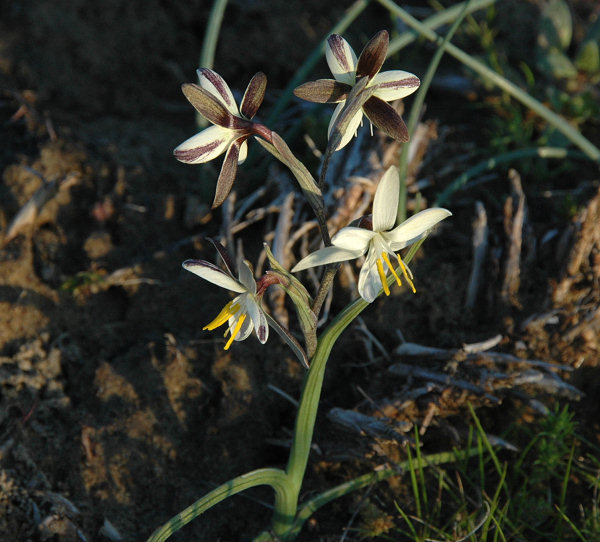
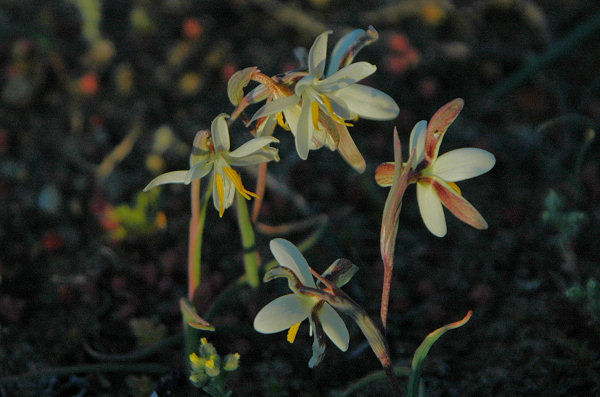
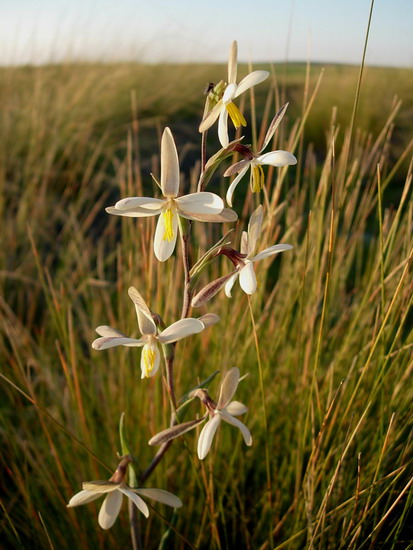
Hesperantha marlothii R.C.Foster has a bell-shaped corm with a flat base. It grows in rocky areas of the Roggeveld and in the Northwest Cape. This species has three to six creamy fragrant (sweet with a clove component) flowers with a brown or red reverse. The flowers have a recurved tube and bloom on a spike late winter early spring and are pollinated by moths. Height: 4-15 cm. Photos taken late in the day in the Komsberg by Bob Rutemoeller and Mary Sue Ittner September 2006. The third and fourth photos were taken by Cameron McMaster near Middlepos.
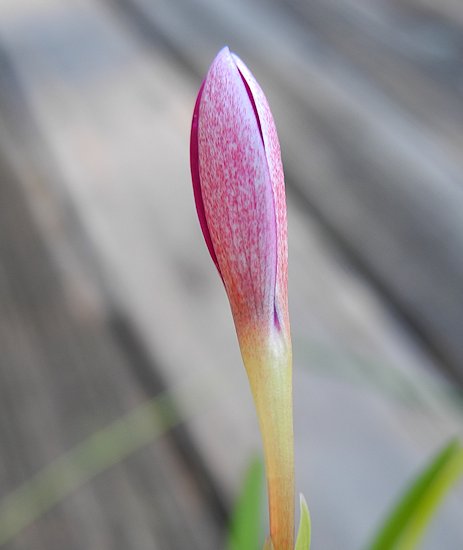
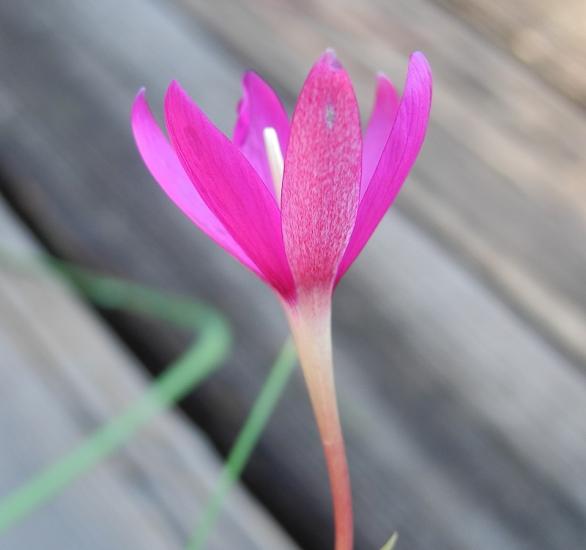
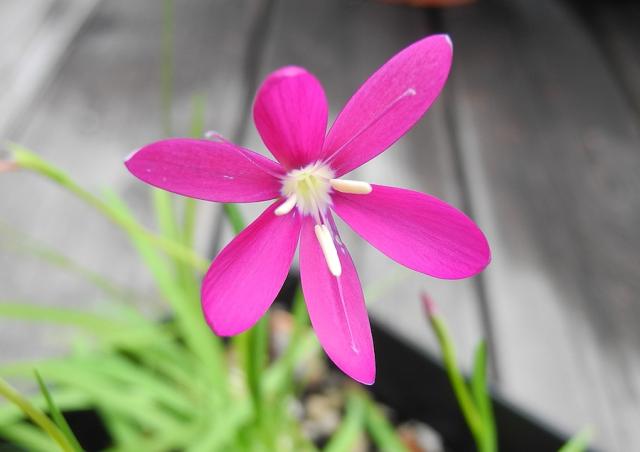
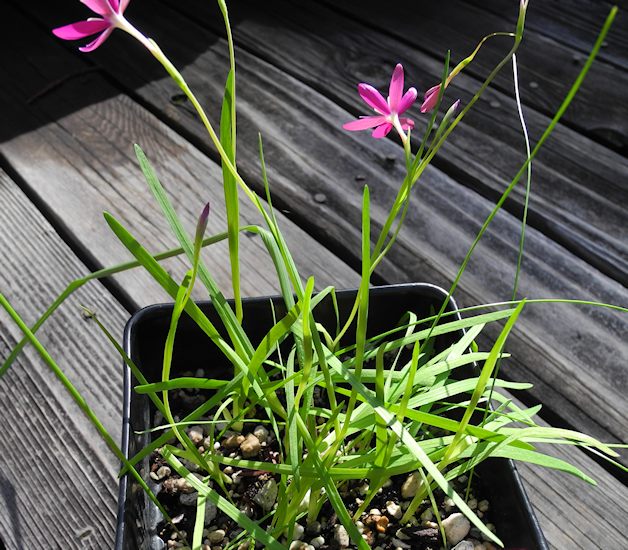
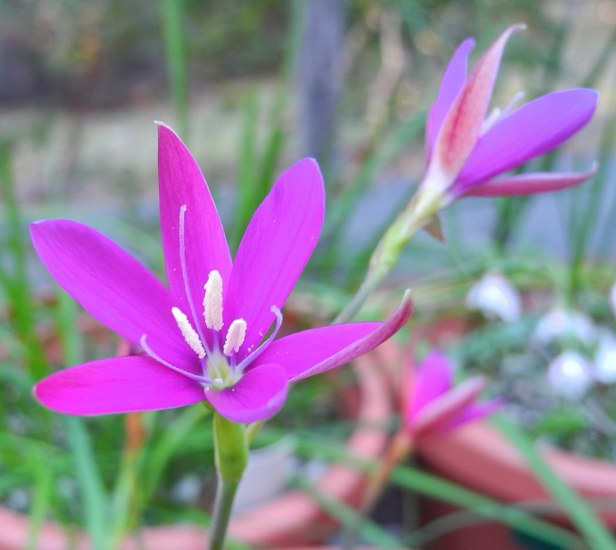
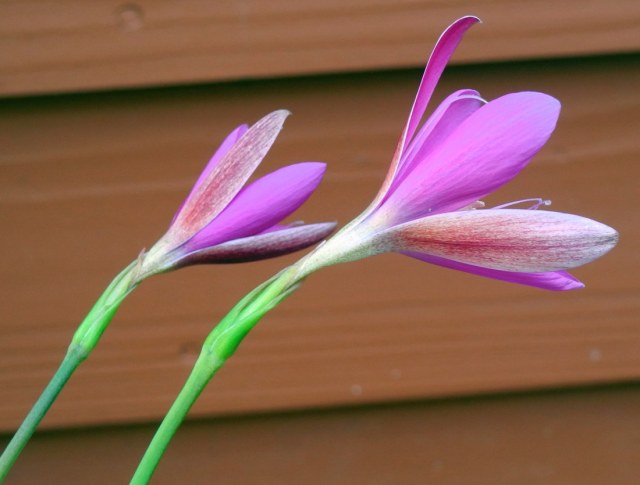
Hesperantha oligantha (Diels) Goldblatt grows in stream banks and marshy ground in the Roggeveld. Plants grow from 6 to 10 cm high with linear to falcate leaves. The flowers are open during the day and unscented, bright pink to purple with a white throat. Flowering time is early spring, September to October. The first five photos below were taken by Mary Sue Ittner of plants grown from seed blooming the first time, February 2014. Sixth photo is by Gordon Summerfield.


Hesperantha pauciflora (Baker) G.J.Lewis has pink to purple, rarely yellow, unscented flowers that open in the afternoon, closing by evening. This species is found in the Northwest Cape in sandy soils where it blooms late winter to spring. It is pollinated by bees, short probscid flies, and beetles. Height range: 8-24 cm. Photos 1-3 were taken by Mary Sue Ittner of flowers in cultivation flowering in Northern California in winter and of corms on a 1 cm grid. Photo 4 was taken by Nhu Nguyen of plants that took 4 years to flower from seeds.
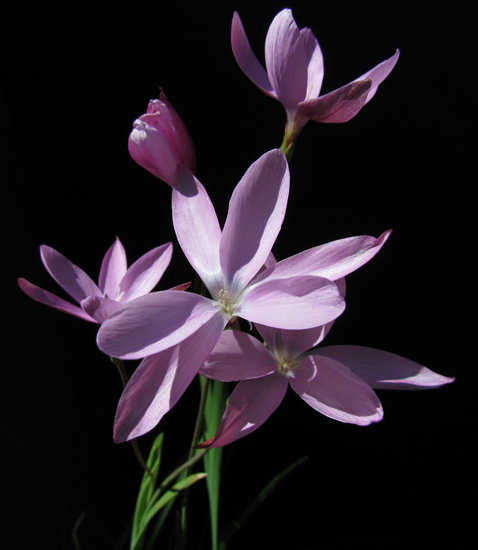
The first four photos below were taken near Nieuwoudtville by Mary Sue Ittner. The first photo shows the species blooming in the middle of a mass of Romulea sabulosa August 2001. In the fourth photo, a forming seed pod can be seen.
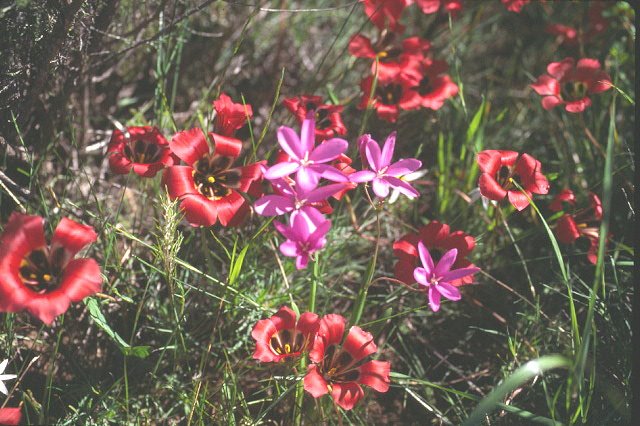
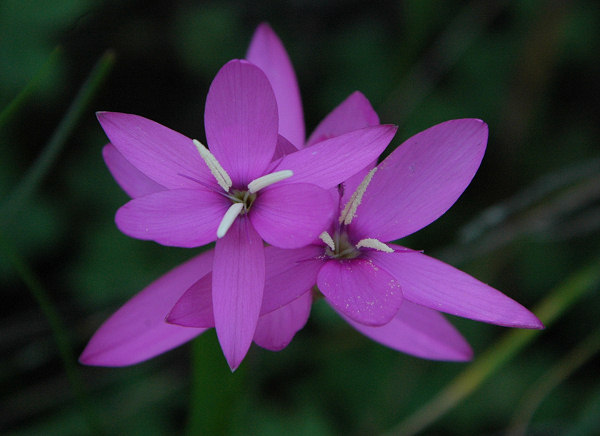
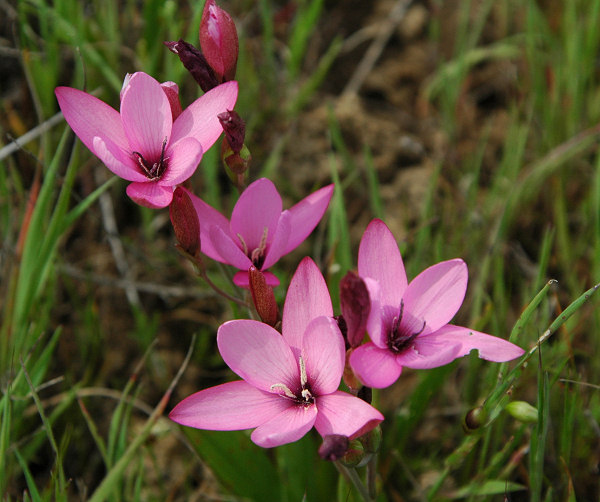
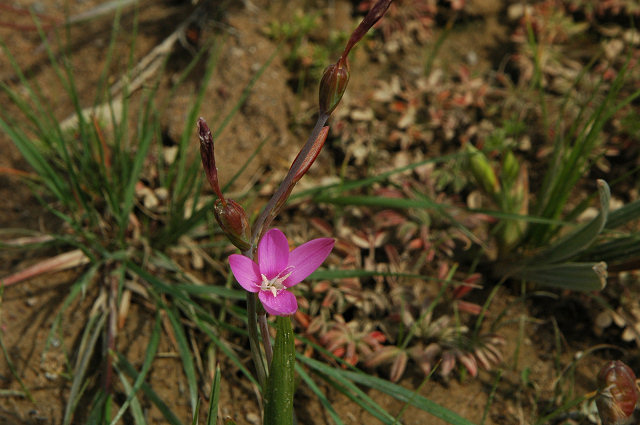
Photos below were taken by Cameron McMaster. The first 3 were taken near Nieuwoudtville September 2011. In photo 3 it is shown with Romulea montana. The last photo was taken near Kamieskroon in Namaqualand.
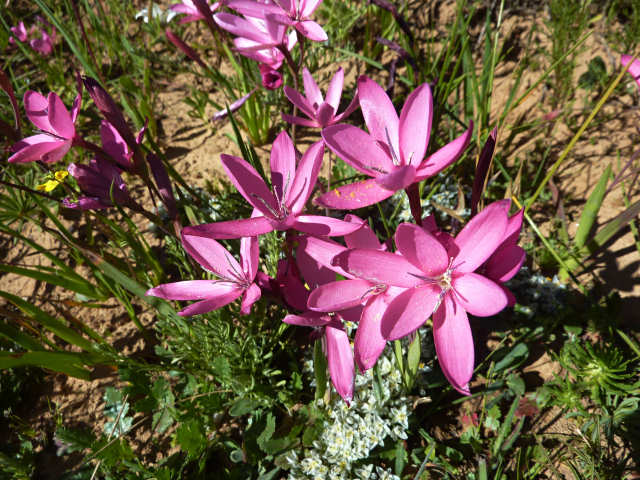
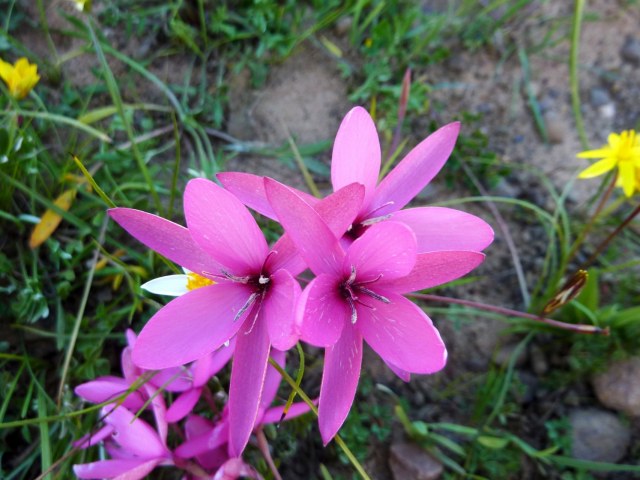
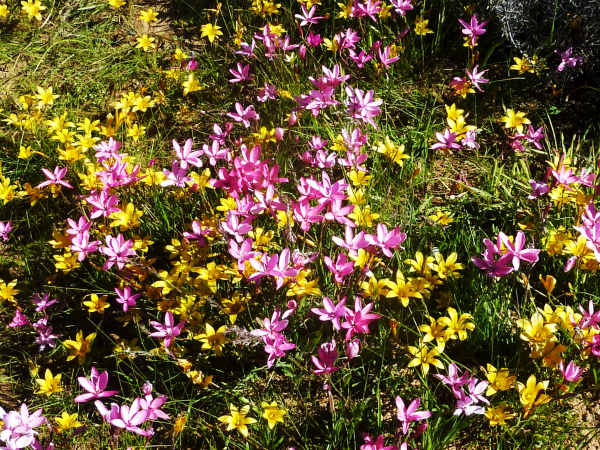
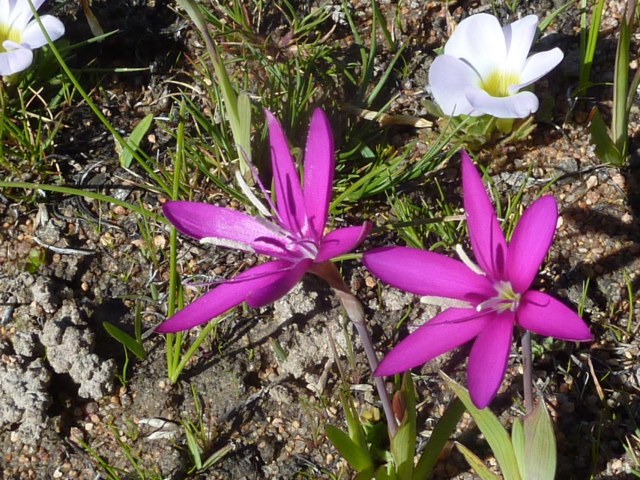
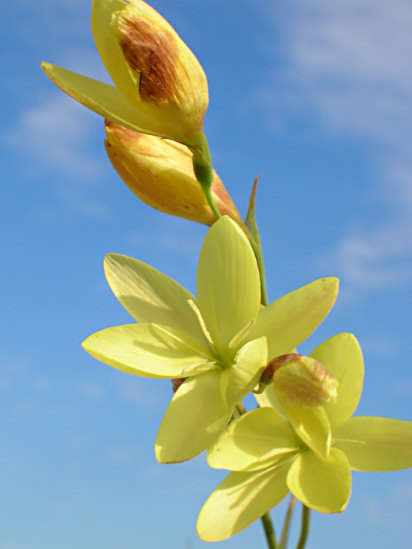
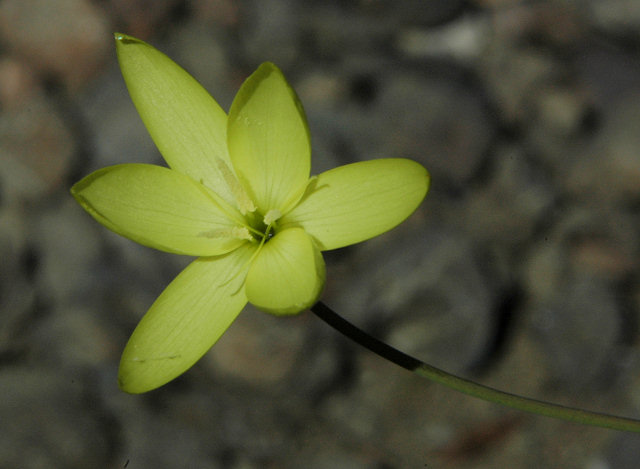
Photos below from Alan Horstmann and Mary Sue Ittner of plants with yellow flowers.
Hesperantha pilosa (L.f.) Ker Gawl. grows on sandstone soils from the Bokkeveld Mountains to the southwest Cape and into the western Karoo and flowers late winter into spring. Flowers can be white opening in the evening and sweetly scented to acrid musk scented or blue to purple and open during the day. Leaves are hairy. This species is pollinated both by bees and moths. The first three photos show a plant grown from seed with flowers that are purple, almost pink depending on the light, opening in the day with attractive markings on the back and the corms on a 1 cm grid. Height range: 10-30 cm. Photo #4 was taken in the Bokkeveld Mountains. Photos 1-4 taken by Mary Sue Ittner. Photo #5 was taken in the Komsberg by Bob Rutemoeller. The final photo from Cameron McMaster shows one of the white flowered forms. It was taken near Napier in the Overberg.
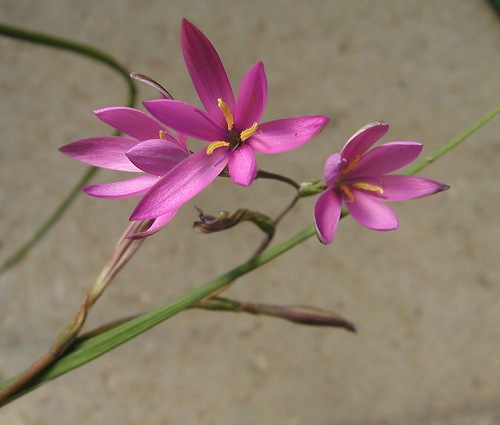
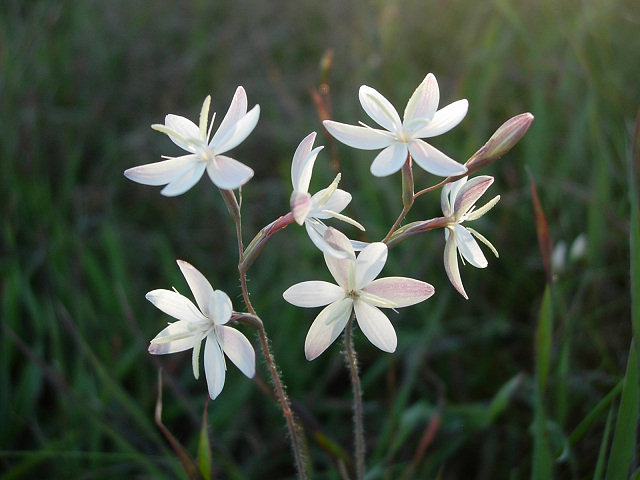
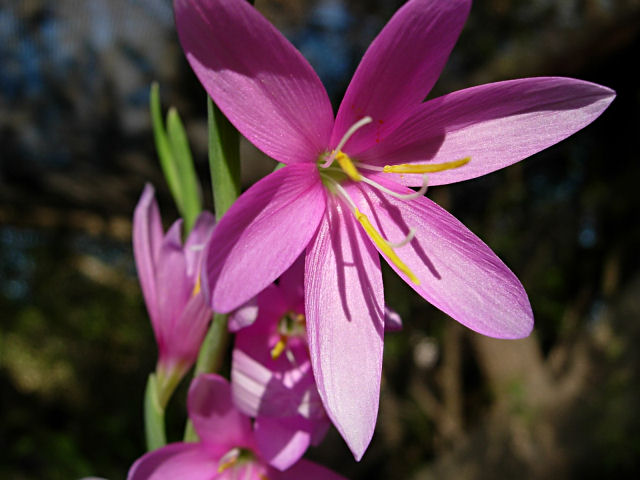
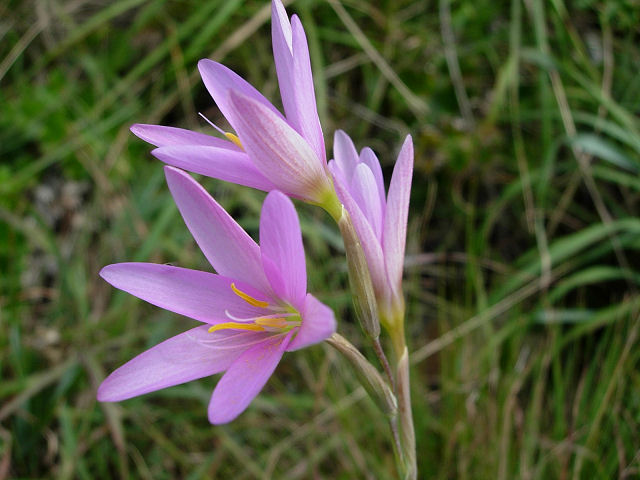
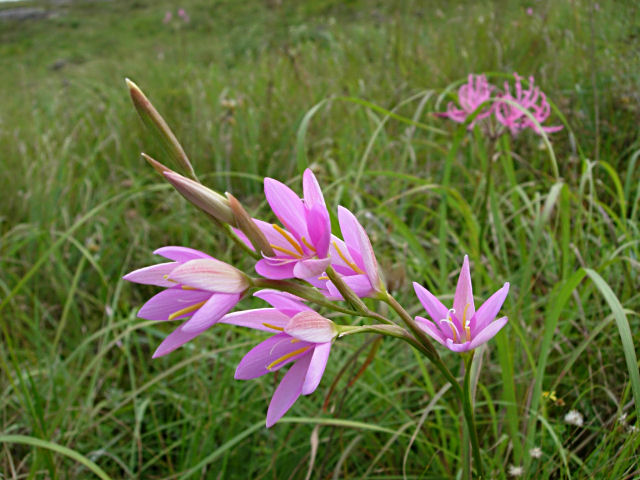
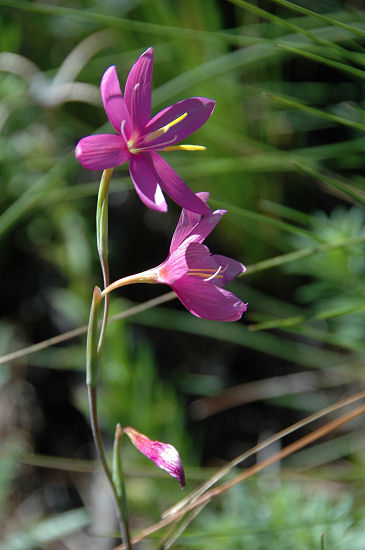
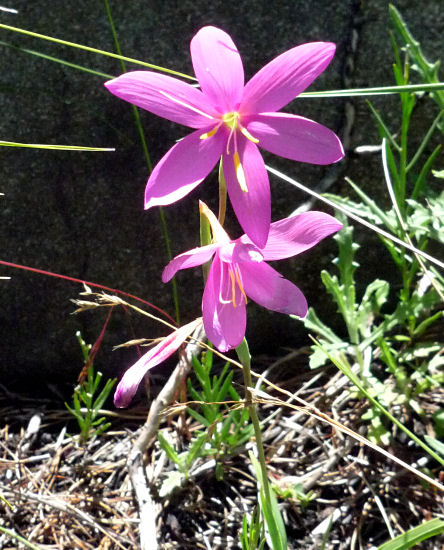
Hesperantha pulchra Baker is a high altitude species that grows in full sun in open grassland on the high slopes of the Amatola Mountains and the surrounding hills. This species has odorless pink flowers open during the day. Plants generally to 50 cm tall. It flowers in autumn. Photos 1-3 taken by Cameron McMaster in the Eastern Cape. Photos 4-5 taken Bob Rutemoeller at Gaika's Kop.
Hesperantha species a-c - Hesperantha species d-j - Hesperantha species q-z - Hesperantha index